
Choosing the right diaper pants for your baby in the Philippines involves balancing absorbency, fit, and cost, especially given the tropical climate and high humidity. While Pampers, Huggies, and Equator all offer diaper pants designed to keep babies dry and comfortable, they cater to different priorities. Pampers is widely recognized for its slim profile and active-fit design, Huggies is known for its snug waistband and secure leak protection, and Equator serves as a highly accessible, budget-friendly option for frequent daytime changes. The ideal choice depends on your baby’s developmental stage, skin sensitivity, and your household budget.
To make an informed decision, parents must look beyond brand popularity and evaluate how each diaper pant performs under daily conditions. Active babies who crawl, stand, or walk require diaper pants that stretch smoothly with their movements while preventing leaks during playtime. By understanding the specific design features of each brand, you can select a diaper that supports your baby’s comfort and keeps their skin dry throughout the day and night.
Core Comparison Dimensions for Diaper Pants
When comparing diaper pants, absorbency and leak protection mechanisms are the primary factors to consider. High-quality diaper pants typically feature core distribution layers that quickly draw wetness away from the baby’s skin and distribute it evenly across the diaper to prevent sagging. Many modern diaper pants also include wetness indicators—lines on the outside of the diaper that change color when wet—which help caregivers identify exactly when a change is needed without having to open the diaper.
Products mentioned in this guide
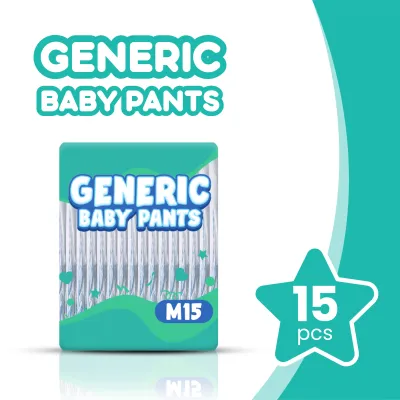
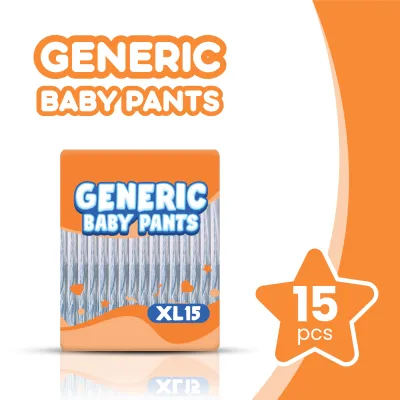
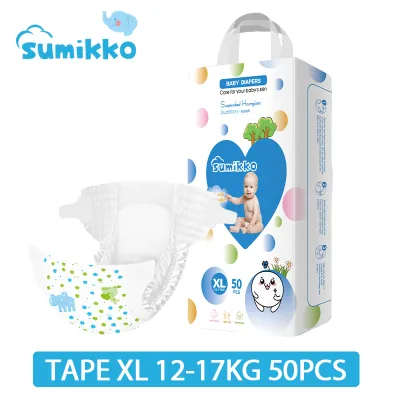
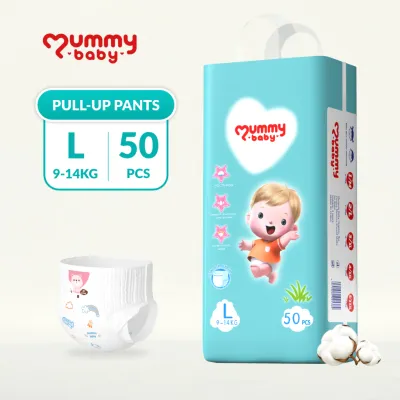
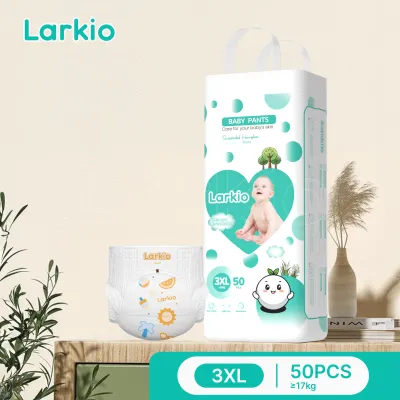
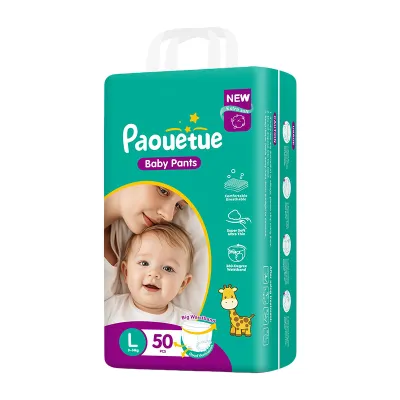
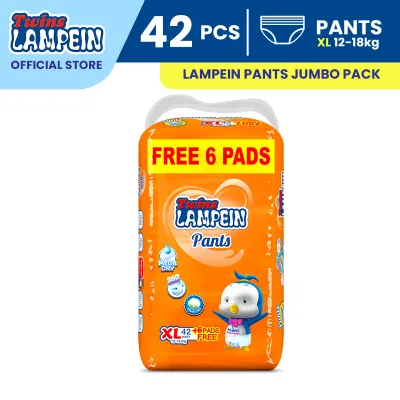
Prices are valid at publication and may change. Please refer to the product page for the latest price.
Fit and comfort features are equally critical, particularly for active babies who are constantly on the move. The waistband elasticity determines how comfortably the diaper sits on the baby’s tummy without causing restriction or leaving red marks. Leg cuff designs, often featuring double leak guards, must hug the thighs gently but securely to prevent side leakage during sudden movements. The overall softness of the inner and outer materials also plays a major role in preventing friction against delicate skin.
Skin sensitivity is a paramount concern in tropical climates where heat and moisture are constantly present. Breathability is essential to allow air to circulate, reducing the risk of diaper rash and heat rashes. Parents should look for packaging labels that specify breathable outer covers, micro-pores, or hypoallergenic materials. Fragrance-free options are also highly recommended for babies with extremely sensitive skin or those prone to allergic reactions.
Brand Positioning and Typical Use Cases
Each diaper brand designs its products with a specific target user and scenario in mind. Understanding these design philosophies helps parents narrow down their choices based on their baby’s daily routine and physical build.

Pampers Diaper Pants
Pampers diaper pants are generally positioned as a premium, high-performance option designed for active movement and long-lasting dryness. The brand focuses on a slim-fit design that minimizes bulk between the baby’s legs, allowing for natural hip development and unrestricted movement as babies learn to crawl and walk. Their absorption technology aims to lock away wetness quickly, making them a popular choice for overnight wear and long outings.
When shopping, parents can look for specific product lines such as Pampers Baby Dry Pants or Pampers Premium Care Pants. To ensure maximum skin comfort, verify the packaging labels for features like a breathable cottony cover and lotion-infused topsheets designed to protect the skin barrier. These diaper pants are particularly suited for babies who are highly active during the day or those who need reliable dryness to sleep through the night.
Huggies Diaper Pants
Huggies diaper pants are engineered with a strong focus on secure fit and robust leak prevention. The brand is well-known for its snug waistband design, which sits comfortably around the baby’s back and tummy to prevent blowouts, especially for babies who are transitioning to solid foods. Their leak lock systems are designed to channel liquid away rapidly and secure it deep within the core.
Parents can explore product lines such as Huggies Dry Pants or Huggies Ultra Natural Soft Pants depending on their budget and softness preferences. When examining the packaging, verify the elasticity of the waistband and the presence of double-layered leg guards. Huggies is often the ideal match for babies with a rounder build who require a highly structured, secure fit that stays in place during vigorous play.
Equator Diaper Pants
Equator diaper pants are positioned as a highly practical, value-oriented option for everyday use. This brand focuses on providing essential leak protection and basic dryness at a highly accessible price point. Because frequent diaper changes are necessary to maintain skin hygiene, Equator offers a cost-effective solution that allows parents to change diapers as often as needed without straining their household budget.
When selecting Equator diaper pants, parents should check the packaging to verify the core thickness and the breathability of the outer material. While they may lack some of the advanced features of premium brands, they provide reliable daytime protection. This brand is highly suitable for families looking for a straightforward, budget-friendly diaper for daytime hours when changes are naturally more frequent.
How to Evaluate Price and Value
To accurately assess the cost-effectiveness of diaper pants, parents should calculate the price per piece rather than comparing the total price of diaper packs. Diaper packs come in various sizes, and premium variants often contain fewer pieces per pack than value lines. To find the price per piece, divide the total cost of the pack by the number of diapers inside. For example, a pack costing ₱450 containing 30 pieces results in a cost of ₱15.00 per diaper, while a pack costing ₱240 with 30 pieces costs ₱8.00 per diaper.
To find the most accurate and current pricing, parents should check official brand stores on major e-commerce platforms or visit local supermarkets in the Philippines. Online marketplaces frequently offer bulk discounts, subscription options, and promotional vouchers that can significantly lower the price per piece. Supermarkets also run seasonal sales or bundle deals that are worth monitoring to stock up on preferred sizes.
Balancing upfront costs against performance needs is a highly effective strategy for managing diapering expenses. Many parents adopt a hybrid approach: using premium, highly absorbent diaper pants like Pampers or Huggies for overnight use to ensure uninterrupted sleep, and utilizing value-oriented diaper pants like Equator during the day. Since daytime diapers are changed every few hours regardless of wetness levels, this strategy maximizes value without compromising the baby’s skin health or sleep quality.
Decision Framework: Which Brand Should You Choose?
To help you decide which diaper pants best suit your baby’s current needs, consider this conditional decision framework based on your primary diapering goals:
- Choose Pampers diaper pants if your baby is highly active, prefers a lightweight and slim-fitting diaper, and requires long-lasting dryness for overnight sleep or extended travel.
- Choose Huggies diaper pants if your baby has a rounder build, is prone to back leaks or blowouts, and benefits from a highly secure, snug waistband and robust leg cuffs.
- Choose Equator diaper pants if you are looking for an affordable, reliable option for frequent daytime changes to keep your baby fresh and dry on a budget.
Before making a final purchase, always verify if your baby has specific skin sensitivities that require fragrance-free or hypoallergenic options. Additionally, monitor your baby’s growth closely; a sudden increase in leaks or red marks around the thighs indicates it is time to transition to the next size up. Always check the manufacturer’s current packaging for any recent updates to their diaper formulas or sizing charts.
Frequently Asked Questions (FAQ)
How do I know if the diaper pants are the right size for my baby?
You can determine if diaper pants fit correctly by observing how they sit on your baby’s body. Look for red marks or indentations around the waist and thighs, which indicate the diaper is too tight and rubbing against the skin. Gaps between the leg cuffs and your baby’s thighs suggest the diaper is too loose, which can lead to leaks. Always cross-reference your baby’s current weight with the weight range printed on the manufacturer’s packaging, keeping in mind that babies with a rounder build may need to size up sooner than slimmer babies of the same weight.
Can I mix different diaper pant brands for day and night use?
Yes, mixing different diaper pant brands is a highly practical and cost-effective strategy used by many parents. You can use a highly absorbent, premium diaper pant for nighttime use to ensure your baby stays dry and sleeps comfortably without requiring a diaper change in the middle of the night. During the day, when you change diapers more frequently to maintain hygiene, you can switch to a more budget-friendly, basic diaper pant. This hybrid approach helps manage household expenses while still prioritizing your baby’s comfort and skin health.

Community discussion
Share your experience or ask a question. Comments are reviewed before publication.