
Finding the best value in small diaper packs like 10-piece options requires looking beyond the initial price tag on the shelf. While Pampers, Equator, and Huggies are popular choices in Philippine supermarkets and online marketplaces, the true value of a trial pack lies in its cost-per-piece combined with how well it performs for your baby’s unique shape and skin sensitivity. Instead of assuming one brand is universally superior, parents can use small packs as a low-risk testing tool to calculate exact unit costs and verify key features before committing to bulk purchases.
Why Start with Small Diaper Packs?
Choosing the right diaper for a newborn or growing infant often involves a period of trial and error. Buying a massive bulk box right away carries a distinct financial risk, as babies can quickly outgrow a size or develop unexpected skin sensitivities to specific materials. A 10-piece trial pack serves as a practical buffer, allowing parents to test the fit, absorbency, and comfort of a brand without a major upfront financial commitment. If a particular diaper causes leaks or irritation, you have only spent a small amount rather than wasting an entire bulk box.
However, this flexibility comes with a clear trade-off that parents must factor into their household budgets. Small packs almost always carry a higher cost-per-piece compared to their larger, bulk-packaged counterparts. This premium is the price of convenience and adaptability, which is highly valuable during rapid growth phases when a baby might transition to a larger size in a matter of weeks.
Products mentioned in this guide
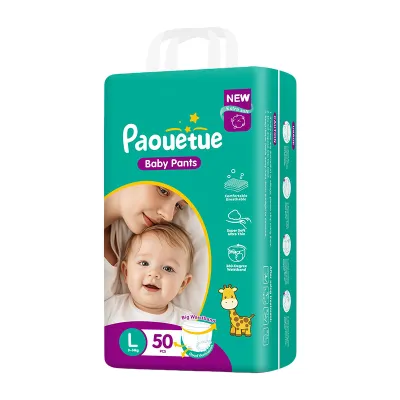
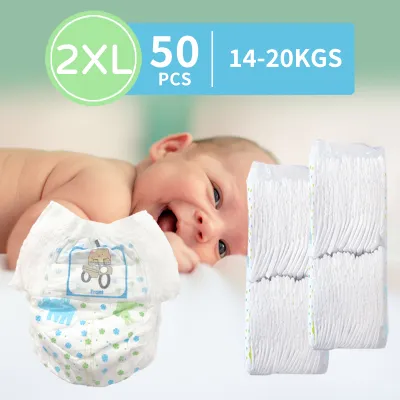
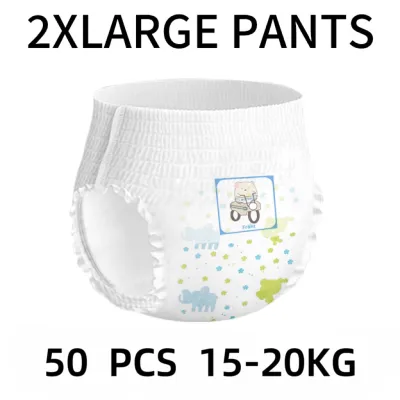
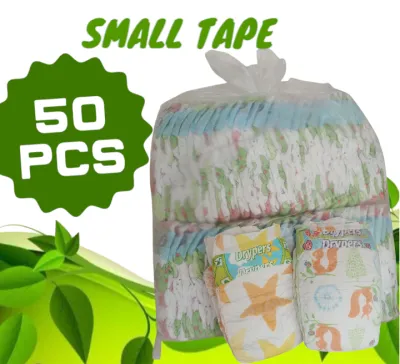
Prices are valid at publication and may change. Please refer to the product page for the latest price.
Availability is another factor to consider when planning your trial strategy. While major supermarkets and local convenience stores frequently stock small packs, specific product lines or sizes may be harder to find in physical retail locations. Checking online marketplaces and official brand stores can help you locate these smaller quantities, though you must remain mindful of how regional stock levels fluctuate.
How to Calculate the True Cost-Per-Piece
To determine which diaper brand offers the most economical starting point, you must look past the total package price and calculate the unit cost. The formula is straightforward: divide the total retail price of the pack by the exact number of diapers inside. For example, if a small pack costs ₱90 and contains exactly 10 pieces, the baseline cost-per-piece is ₱9.00. Performing this quick calculation allows you to compare different brands on an equal footing, regardless of minor variations in pack sizes.

When shopping on ecommerce platforms, the calculation must expand to include secondary expenses that can inflate the unit cost. Shipping fees, platform service charges, and packaging fees can quickly erase any initial savings on a small pack. To keep your comparison accurate, factor these extra costs into your total purchase price, or look for ways to offset them, such as utilizing free shipping vouchers or meeting minimum spend thresholds with other household essentials.
It is crucial to remember that a trial pack is not designed to be a long-term budgeting solution. Even if a specific brand’s 10-piece pack seems affordable on a weekly basis, relying on small packs indefinitely will result in significantly higher overall spending. Use these small quantities strictly as a diagnostic tool to evaluate performance, and transition to larger packaging configurations once you are confident in the diaper’s fit and compatibility with your baby’s skin.
Comparing Pampers, Equator, and Huggies: Features to Verify
Comparing diaper value requires looking closely at the physical product and its packaging labels rather than relying on brand recognition alone. Every manufacturer uses different materials, closure systems, and absorbent technologies that behave differently under real-world conditions. When evaluating Pampers, Equator, and Huggies, parents should inspect the packaging for specific details regarding material composition, the presence of wetness indicators, and the recommended weight ranges for each size.
In a tropical climate like the Philippines, high humidity and heat make breathability and moisture management critical factors for baby comfort. A diaper that is highly absorbent but lacks proper ventilation can trap heat, leading to discomfort and skin issues. Therefore, the ultimate value of any trial pack depends on how well its design matches your baby’s daily needs, whether that means maximum overnight dryness, flexible waistbands for active daytime movement, or lightweight materials that keep skin cool.
Evaluating Pampers Small Packs
When testing a Pampers 10-piece pack, the first feature to locate and monitor is the wetness indicator line, which changes color to signal when a change is needed. This visual aid is highly useful during the trial phase to help you track how quickly the diaper reaches capacity. Additionally, pay close attention to the stretchability of the side panels and tape closures, as these components dictate how snugly the diaper fits around your baby’s waist without restricting breathing or movement.
It is also essential to verify the exact product line printed on the Pampers packaging, as the brand offers multiple tiers ranging from basic dry options to premium care variants. The features, materials, and price points vary significantly between these lines, meaning a positive experience with one variant may not translate to another. Carefully read the label to ensure you are testing the specific product line that aligns with your long-term budget and performance expectations.
Evaluating Equator Small Packs
Equator is often positioned as a budget-friendly option in the local market, making its small packs highly appealing for cost-conscious parents. When evaluating this brand, start by physically inspecting the thickness and distribution of the absorbent core to see how it handles liquid distribution. You should also assess the texture and breathability of the outer backsheet, ensuring that the material allows sufficient airflow to keep your baby comfortable in warm, humid conditions.
Another critical area to examine is the design of the leg cuffs and leak guard barriers. Because budget-friendly diapers may use different elastic materials, you must verify that these barriers fit snugly against your baby’s thighs without leaving deep red marks. Testing these guards during active daytime play or naptime will help you determine if the lower price point still delivers reliable protection against side leaks.
Evaluating Huggies Small Packs
Huggies trial packs present another set of design features that require careful observation during your test period. Focus your attention on the waistband design, particularly the rear pocket or elastic barrier intended to prevent runny stool blowouts. A secure, flexible waistband is especially important for babies who are starting to roll, crawl, or sit up, as movement can easily shift a poorly designed diaper out of place.
As your baby wears the diaper, monitor its overall bulkiness both when dry and after it becomes wet. Some diaper designs expand significantly when filled, which can restrict your baby’s natural leg movement or affect how their clothing fits. Observing how the diaper holds its shape during a trial will give you a clear indication of whether the design supports your baby’s mobility and daily comfort.
Building Your Trial Strategy: When to Switch or Commit
To get the most out of your diaper testing, establish clear success criteria before opening your first 10-piece pack. A successful trial means the diaper keeps your baby dry for a reasonable period—typically three to four hours during the day—without sagging excessively or leaking. Furthermore, the baby’s skin should remain free of red pressure marks around the thighs and waist, and there should be no signs of diaper rash or irritation after several consecutive changes.
Once you have completed a trial pack, use a simple decision matrix to guide your next step. If the diaper meets all your performance and comfort criteria, calculate the cost-per-piece of that brand’s bulk boxes or mega packs to confirm the long-term savings you will achieve by switching. If the diaper fails due to leaks or poor fit, analyze whether the issue stems from the brand’s overall design, the specific product line you chose, or if your baby simply needs to size up.
Keeping a basic written or digital log during this testing phase can prevent confusion, especially when comparing multiple brands simultaneously. Note down the price paid, the piece count, any instances of leaks, and how the baby’s skin reacted to each option. This systematic approach removes the guesswork, allowing you to make an objective, data-driven decision that balances your household budget with your baby’s comfort.
Frequently Asked Questions (FAQ)
Is it cheaper to buy 10-piece packs or bulk boxes?
Yes, buying bulk boxes is almost always significantly cheaper on a cost-per-piece basis than purchasing 10-piece packs. Manufacturers price small packs at a premium to cover the higher packaging and distribution costs associated with smaller quantities. Consequently, you should view 10-piece packs strictly as a temporary testing tool to verify fit and skin compatibility, rather than a permanent strategy for daily diapering. Once you identify a brand that works well for your baby, transitioning to the largest available packaging size will yield the best long-term savings for your budget.
How do I know if a diaper brand is causing a rash during the trial?
To identify if a diaper is causing irritation, monitor your baby’s skin closely for localized redness, small bumps, or dry patches in areas that come into direct contact with the diaper materials or elastics. Because every baby has unique skin sensitivity, a material that works perfectly for one infant might cause a reaction in another. If you observe signs of diaper rash or persistent skin irritation during a trial, stop using that specific brand immediately, switch back to a known safe option, and consult a pediatrician for professional guidance and treatment advice.

Community discussion
Share your experience or ask a question. Comments are reviewed before publication.