
Quick Answer: Which Trial Pack Suits Your Baby Best?
Finding the right diaper for your baby is a highly individualized process because the most compatible option depends entirely on your baby’s unique body shape, skin sensitivity, and wetting patterns. While bulk buying is a tempting way to save money, purchasing large boxes of diapers before testing them can lead to costly waste if the brand does not suit your child. Diaper trial packs are designed specifically to solve this problem, offering a low-risk way to test compatibility before you commit to a major purchase.
Because absorbency and fit vary significantly from one infant to another, hands-on testing is far more reliable than relying solely on brand reputation. A diaper that keeps one baby dry overnight might cause leaks or chafing on another due to differences in thigh circumference, waist shape, or sleeping positions. When evaluating trial packs from Pampers, Equator, and Huggies, your testing should focus on three core criteria: reliable leak prevention, consistent skin dryness, and unrestricted freedom of movement.
How to Test Absorbency and Leak Protection at Home
To accurately assess how well each diaper brand performs, you need to monitor how the absorbent core handles moisture under real-world conditions. In tropical climates with high humidity, keeping moisture away from your baby’s skin is critical to preventing heat rash and discomfort. During your trial period, pay close attention to how dry the inner lining feels immediately after your baby wets, and check for any signs of dampness on their skin during diaper changes.
Products mentioned in this guide
![MAMYPOKO Day and Night Baby Disposable Diaper Pants Unisex Small 9 pcs [TRIAL PACK]](https://img.lazcdn.com/g/p/6ed78b261afcba5c2ff6e98cfce41436.png_400x400q80.png_.webp)
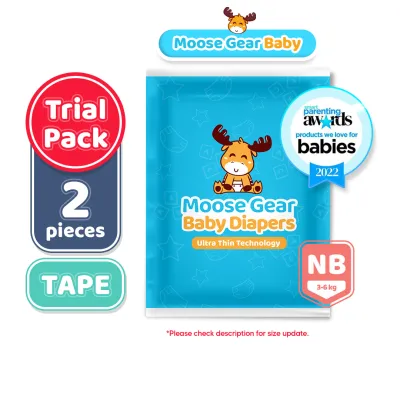
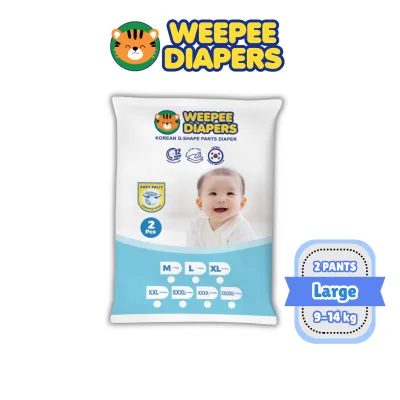
Prices are valid at publication and may change. Please refer to the product page for the latest price.

You can perform a simple touch test at home to evaluate moisture lock-in. After your baby has worn a diaper for a few hours, gently press a dry paper towel against the inner lining of the wet diaper. A high-performing absorbent core will lock the liquid deep inside, leaving the paper towel dry. If the paper towel absorbs significant moisture, it indicates that the diaper may allow wetness to press back against your baby’s skin, which can lead to irritation during long naps or overnight sleep.
Another key factor to observe is the structural integrity of the diaper when it is fully saturated. Some diapers tend to sag heavily, clump into uncomfortable lumps, or allow the absorbent material to break apart when wet. This clumping not only restricts your baby’s movement but can also cause the outer material to tear or leak. Watch how the diaper holds its shape as your baby crawls, rolls, or plays, ensuring the absorbent channels distribute liquid evenly without sagging excessively.
Finally, establish a systematic way to monitor for leaks during different daily routines. Note whether leaks occur primarily during active daytime play, after heavy liquid intake, or during overnight sleep. Pay close attention to the leg cuffs and the back waistband during explosive bowel movements. A diaper with a well-designed barrier will contain these messes effectively, saving you from frequent clothing changes and unexpected cleanups.
How to Compare Fit, Sizing, and Comfort
A diaper can have excellent absorbency, but if the fit is incorrect, leaks and discomfort are inevitable. When testing your trial packs, examine how each brand conforms to your baby’s physical proportions. The diaper should provide a secure, snug seal around the waist and thighs without restricting your baby’s natural movements or causing friction against their delicate skin.
Start by evaluating the elasticity of the waistband and the snugness of the leg cuffs. The elastics should stretch easily to accommodate your baby’s tummy after feeding, yet remain secure enough to prevent gaps when they bend or sit. After removing the diaper, check your baby’s skin carefully. If you notice deep, red marks or indentations around the thighs or waist, the diaper is either too tight, or the elastic material is too stiff for your baby’s build, indicating you may need to try a different brand or size up.
The front-to-back rise of the diaper is another critical dimension to compare. A diaper with a rise that is too low is highly prone to back blowouts, especially when your baby is sitting down or playing on their back. Ensure the diaper sits comfortably near or just below the belly button in the front and covers the backside fully. The fastening tapes should land symmetrically on the designated landing zone; if they sit too far out toward the hips, the diaper is too small, whereas overlapping tapes indicate the diaper is too large.
Lastly, observe your baby’s overall mobility and comfort during daily activities like tummy time, crawling, or walking. A well-fitting diaper should move naturally with your baby’s body rather than resisting their movements. If you notice the diaper bunching up excessively in the crotch area, sliding down when your baby moves, or causing them to walk awkwardly, the cut of that specific brand may not be compatible with their body shape.
Packaging Claims vs. Real-World Performance
Diaper packaging is often filled with marketing terms highlighting proprietary absorbency channels, advanced gel cores, and breathable backsheets. While these features sound impressive, your trial pack is the perfect tool to verify whether these claims translate into actual performance for your baby. Do not rely solely on the package promises; instead, cross-reference them with your daily observations.
For instance, if a trial pack highlights a “breathable outer cover” or “micro-pores for air circulation,” observe how your baby’s skin fares during hot, humid afternoons. A truly breathable diaper will help keep the skin cool and dry, whereas a less breathable backsheet can trap heat and sweat, leading to localized redness. Similarly, if a brand claims to offer extended overnight protection, test that specific diaper during your baby’s longest sleep stretch to see if it truly keeps them dry until morning.
Wetness indicators are another common feature to evaluate during your trial. These color-changing strips are highly convenient, but their sensitivity and visibility can vary between brands. Check how quickly the indicator reacts to initial wetness and whether it remains easy to read through lightweight clothing. Keep in mind that in highly humid environments, some sensitive wetness indicators may begin to change color slightly due to ambient moisture in the air, so always verify wetness by feeling the diaper directly.
Finally, use the trial period to assess the accuracy of the manufacturer’s weight and sizing charts. Because these charts are based on general weight ranges, they do not account for variations in body shape, such as chubby thighs or a long torso. If your baby is near the upper limit of a weight range, the trial pack will help you determine if you need to transition to the next size up immediately to avoid leaks and tight elastics.
Decision Guide: Which Brand to Buy in Bulk
Once you have completed your hands-on testing with the trial packs, you can use your observations to make a confident bulk purchase. Your decision should be based on which brand consistently met your baby’s needs across all testing categories. Use the following conditional framework to guide your final choice:
- Choose Pampers if your trial observations demonstrated that its thin profile and moisture-wicking core kept your baby's skin dry and rash-free, especially during humid afternoons. This brand is often highly suitable for babies who require a trim, lightweight fit that does not bulk up under thin clothing.
- Choose Huggies if your baby benefited from its structured waistband and secure leg cuff design, which successfully prevented leaks and blowouts during active play or overnight sleep. This option is ideal for babies who need robust, elasticized barriers that conform well to active movements.
- Choose Equator if your testing showed that the diaper provided reliable baseline protection, consistent dryness, and a comfortable fit that aligns with your family's daily budget. This brand is a practical choice for parents looking for dependable daytime performance and straightforward utility without paying a premium for specialized features.
Before placing a large order for any brand, always perform a final check for skin sensitivity. Monitor your baby’s skin closely for several days after the trial. If you notice any signs of redness, bumps, or persistent irritation, your baby may have an allergy or sensitivity to the fragrances, lotions, or materials used in that specific line. In such cases, you should stop using the brand immediately and look for specialized hypoallergenic or fragrance-free alternatives, regardless of how well the diaper performed in terms of fit and absorbency.
Frequently Asked Questions (FAQ)
How many diapers are typically in a trial pack?
Diaper trial pack quantities vary widely depending on the brand, the specific diaper size, and the retailer or online marketplace where you purchase them. Some trial packs are highly compact, containing as few as two to five diapers, which is ideal for a quick fit check. Other packs may offer a larger selection of ten to fifteen pieces, allowing you to test the diaper over several days.
Before finalizing your purchase, always check the exact product description or physical packaging to confirm the diaper count. A practical trial pack should contain enough diapers to let you test the brand across multiple scenarios, including at least one overnight sleep and several active daytime periods, to give you a complete picture of its performance.
Can I mix different diaper brands for day and night use?
Yes, mixing different diaper brands is a highly practical and cost-effective strategy used by many parents. For example, you might choose a lighter, highly breathable diaper for active daytime wear when changes are frequent, and a more heavy-duty, absorbent diaper for overnight use to ensure uninterrupted sleep. Your trial packs are the perfect tool for identifying which brand excels in these specific roles.
When mixing brands, always verify that both options fit your baby comfortably. Switching between different cuts and elastic tensions can sometimes cause localized chafing if one brand rubs against skin that was already sensitized by a different diaper shape.
What should I do if the trial pack causes a diaper rash?
If you notice skin irritation, redness, or a rash developing during your trial, stop using that specific diaper brand immediately. Switch back to a known, well-tolerated diaper or let your baby go diaper-free for short periods to allow the skin to dry and heal. Apply a thin layer of a safe, recommended diaper barrier cream to protect the irritated skin.
If the rash is severe, persistent, bleeds, or is accompanied by a fever, consult a pediatrician or qualified healthcare professional right away for proper diagnosis and treatment. To prevent future reactions, examine the ingredient and material list on the trial pack packaging. Note whether the diaper contains added fragrances, lotions, or specific synthetic materials, as keeping track of these components can help you identify and avoid potential skin irritants in other brands.

Community discussion
Share your experience or ask a question. Comments are reviewed before publication.