
Finding the right diaper for a larger toddler who has outgrown standard commercial sizes requires looking beyond the number on the packaging. There is no single “best” 7XL diaper, as fit and leak protection depend heavily on a larger toddler’s specific body shape, thigh thickness, and urination habits. In tropical climates like the Philippines, where high humidity and heat can quickly lead to skin irritation, choosing the right diaper involves balancing physical dimensions, waistband elasticity, material breathability, and cost-effectiveness. By systematically checking manufacturer specifications, observing trial fits, and monitoring skin reactions, parents can make an informed, condition-based choice among Pampers, Equator, and Huggies to ensure their child remains comfortable and dry throughout the day and night.
Understanding 7XL Sizing and Weight Guidelines
Diaper sizing is not standardized across different brands, meaning a 7XL diaper from one manufacturer may fit quite differently from a 7XL diaper from another. Parents should always begin by checking the manufacturer’s stated weight range and size chart printed on the packaging. These guidelines provide a baseline, but they do not account for the unique physical proportions of every individual child.
Body shape variations play a significant role in how a diaper fits. For instance, a toddler who is tall and lean will require a different cut than a toddler of the same weight who is shorter and stockier with rounder thighs. A diaper that fits well on a lean child might gap at the waist, while the same diaper might pinch or leave red marks on a stockier child. Understanding these structural differences helps parents narrow down which brand’s cut aligns best with their toddler’s build.
Products mentioned in this guide
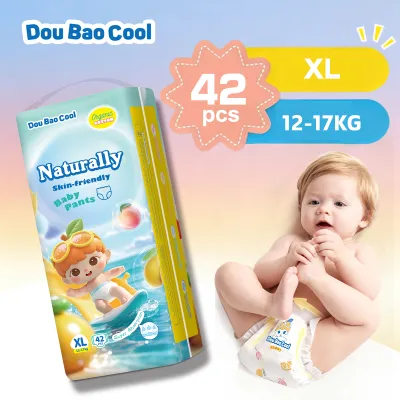
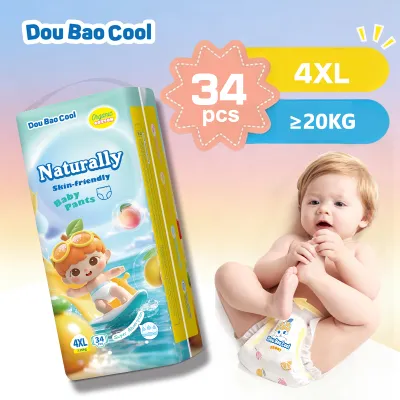
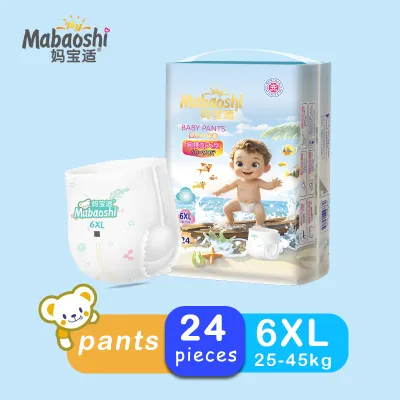
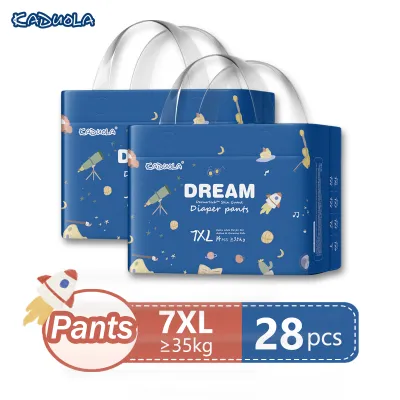
![[Ready Stock] Doubaocool L-7XL Diaper Weak Acid Suit Sensitive Skin Prevents Red Bottom](https://img.lazcdn.com/g/p/ad75948f9bd2d16899cd9e05ce0aabbc.jpg_400x400q80.jpg_.webp)
![[Buy 1 Take 1] Doubaocool L-7XL Diaper Weak Acid Suit Sensitive Skin Prevents Red Bottom](https://img.lazcdn.com/g/p/29bfb87eb9b17349f2cb92cdf82d5390.jpg_400x400q80.jpg_.webp)
Prices are valid at publication and may change. Please refer to the product page for the latest price.
To avoid purchasing large quantities of diapers that may not fit, parents should compare the physical dimensions and cut of the unfastened diaper whenever possible. Some brands offer sample packs or single-piece purchases, which are highly useful for this purpose. Laying the unfastened diapers flat next to each other allows for a direct visual comparison of the waist width, crotch width, and overall length, helping parents identify which brand offers the most generous cut.
Evaluating Fit and Leak Protection
A proper fit is the foundation of effective leak protection, especially for active toddlers who are constantly running, climbing, and playing. When testing a new 7XL diaper, parents should closely inspect the waistband elasticity and the security of the fastening tabs or the stretchiness of the waistband on pants-style diapers. The waistband must stretch comfortably to accommodate movement and breathing without slipping down or folding over.

The leg cuffs are the primary defense against leaks, particularly during active movement or when the child is sitting down. Parents should check the height, flexibility, and seal of the inner and outer leg cuffs. These cuffs should stand upright and hug the thighs gently without leaving gaps. If the cuffs are too loose, liquid will escape before the absorbent core can draw it in; if they are too tight, they will restrict movement and cause discomfort.
After removing the diaper, parents should inspect the child’s skin for any red marks or deep indentations around the thighs and waist. These marks are clear indicators that the elastic is under too much tension, which can cause chafing and skin breakdown, especially in hot and humid weather. If red marks persist, it is a sign that the diaper is either too small or the cut is incompatible with the child’s body shape.
Another critical observation is how the diaper behaves when it is fully saturated. A well-designed 7XL diaper should distribute liquid evenly across the absorbent core to prevent sagging. If the diaper sags excessively between the legs or clumps up in one area, it can pull the waistband down, break the seal around the legs, and lead to leaks. Observing the diaper’s position during active play when wet helps determine if the structure can handle the weight of the liquid.
Assessing Absorbency and Skin Comfort
Absorbency needs vary significantly between daytime wear and overnight use. During the day, toddlers are changed more frequently, so the diaper can prioritize a slimmer profile and greater flexibility. Overnight, however, the diaper must be capable of holding multiple wetting episodes over ten to twelve hours without leaking or causing discomfort, making high-capacity absorbency essential.
To evaluate absorbency, parents can perform a simple touch test during diaper changes. Pressing a dry tissue against the inner lining of a wet diaper helps verify if the surface remains dry to the touch. A dry surface indicates that the absorbent core is successfully locking moisture away from the skin. Additionally, parents should check for any gel leakage, as high-capacity diapers sometimes release small absorbent polymer beads if the inner lining is compromised.
In tropical climates, monitoring the skin for signs of heat buildup, redness, or diaper rash is crucial. High humidity can trap moisture inside the diaper, creating an environment ripe for bacterial growth and skin irritation. The diaper’s materials must allow air to circulate freely to keep the skin cool and dry, reducing the risk of painful rashes.
While manufacturers frequently highlight their proprietary materials and breathability features, the ultimate test is how the child’s skin reacts. Parents should review these claims against their child’s actual skin tolerance. If a toddler consistently develops redness or irritation with a specific brand, despite frequent changes and proper hygiene, it may be necessary to switch to a brand that uses different materials or a more breathable outer cover.
Comparing Value and Purchasing Convenience
When managing the household budget, parents should calculate the cost per piece (₱) rather than relying solely on the total pack price. Larger diaper sizes like 7XL are generally more expensive and contain fewer pieces per pack. Dividing the total price of the pack by the number of diapers inside provides the true cost per piece, allowing for an accurate financial comparison between brands.
Before committing to bulk purchases, evaluating bulk pack options versus smaller trial packs is highly recommended. While bulk packs offer a lower cost per piece, purchasing them before verifying the fit can result in significant waste if the diaper turns out to be unsuitable. Starting with smaller packs allows parents to test the diaper’s performance under real-world conditions before investing in larger quantities.
Authenticity and safety are paramount when purchasing diapers online. Parents should verify availability and purchase products through official brand stores or authorized distributors on online marketplaces. This ensures that the diapers are genuine, stored in hygienic conditions, and manufactured according to safety standards, protecting the child from substandard materials.
Consistent stock levels are another practical consideration for parents of toddlers requiring 7XL diapers. Because 7XL is a specialized size, it may not be as readily available in local physical supermarkets as smaller sizes. Checking online stock consistency and establishing a reliable supply channel helps prevent sudden disruptions, ensuring that parents always have a steady supply of diapers on hand.
Decision Framework: Which 7XL Diaper to Choose?
Choosing the right 7XL diaper involves matching the child’s physical traits and daily needs with the specific design characteristics of each brand. Parents should approach this decision systematically, using observable trials to determine which diaper provides the best balance of comfort and protection.
Pampers is often a suitable choice if the child requires a diaper with a slim profile, high flexibility, and reliable overnight dryness. If the toddler has a balanced build and their skin tolerates the specific lining materials, Pampers can provide a secure fit that moves naturally with the child during active play.
Equator may be the preferred option if the child’s body shape is stockier or if they have a wider waist. The specific cut and waistband structure of Equator diapers often accommodate rounder proportions more comfortably, reducing the likelihood of red marks and ensuring the diaper stays securely in place without pinching.
Huggies is highly suitable if the child has chunky thighs and requires robust leak protection around the legs. The specific leg cuff design and soft material texture of Huggies diapers help create a gentle yet secure seal that prevents barrier leaks, making them an excellent option for highly active toddlers who experience frequent leg-area leaks.
Before making a final decision, parents must verify if their child has highly sensitive skin or unusual body proportions that require specialized fitting. Every child is unique, and what works for one toddler may not work for another. Remaining open to testing different brands and adjusting the choice as the child grows ensures the best possible comfort and protection.
Frequently Asked Questions (FAQ)
When should I transition my toddler to 7XL diapers?
Parents should transition their toddler to 7XL diapers when they observe physical signs that the current size is no longer adequate. These signs include red marks or deep indentations on the skin from tight elastics around the waist or thighs. Frequent leaks or blowouts, even when the diaper is fastened correctly, also indicate that the capacity and coverage of the current size are insufficient. Additionally, if the fastening tabs no longer reach the center landing zone comfortably, or if the diaper rides low on the waist, it is time to move up to a larger size.
Can I use standard 7XL diapers overnight for heavy wetters?
Standard 7XL diapers can be used overnight, but parents must assess their performance based on morning observations. Check the diaper’s weight and surface dryness in the morning to see if the core has successfully locked away the moisture. If the diaper is sagging excessively, leaking, or leaving the child’s skin damp, it may not have the capacity required for overnight use. In such cases, parents can try specialized overnight diapers or insert pads. If urination volume seems unusually high or is accompanied by other symptoms, consulting a pediatrician is recommended to rule out any underlying health concerns.

Community discussion
Share your experience or ask a question. Comments are reviewed before publication.