
Choosing the right diaper pants for your baby often comes down to finding the perfect balance between fit, absorbency, and cost. When comparing Pampers, Equator, and Huggies in the popular 50-piece pack format, there is no single brand that performs best for every infant. Instead, the ideal choice depends on your baby’s unique body shape, skin sensitivity, and daily activity levels.
Each of these brands approaches diaper design with different priorities, ranging from ultra-flexible waistbands to specialized moisture-distribution channels. To make the most of a 50-piece pack, parents must evaluate how these design philosophies align with their baby’s physical needs and their own household budget.
Evaluating Absorbency and Leak Protection Features
Absorbency is the primary defense against leaks, especially during long overnight stretches or active daytime play. When examining a 50-piece pack of diaper pants, look closely at the packaging for details on the core technology. Many modern diaper pants utilize specialized channels designed to distribute liquid evenly across the core, preventing the diaper from sagging in a single spot.
Products mentioned in this guide
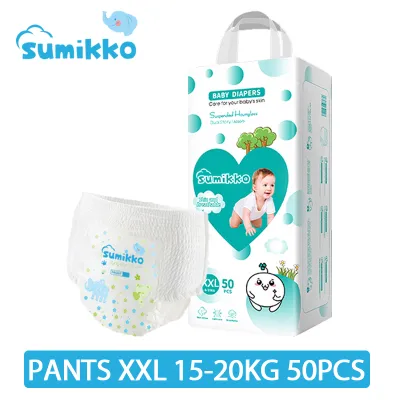
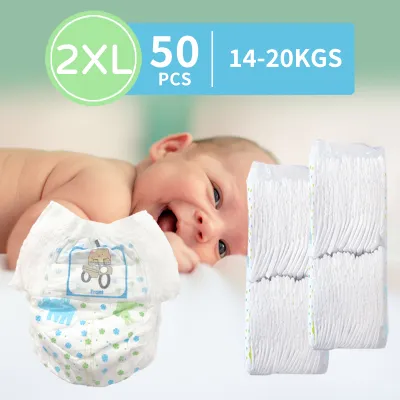
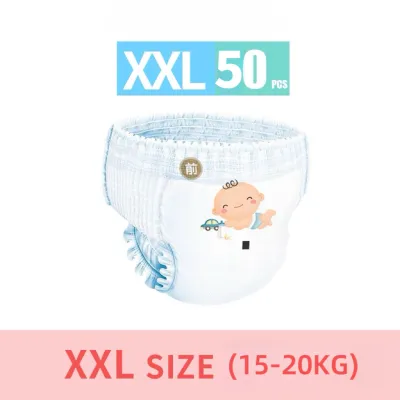
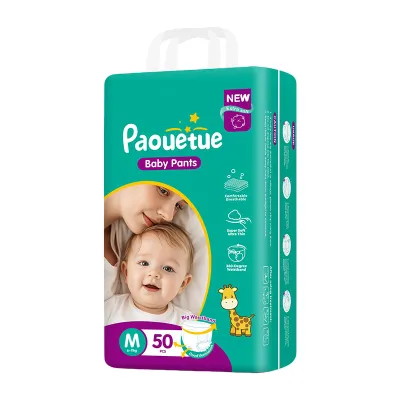
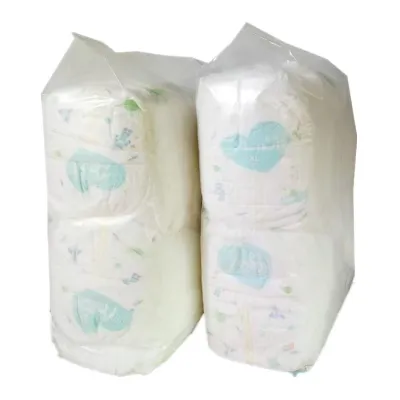
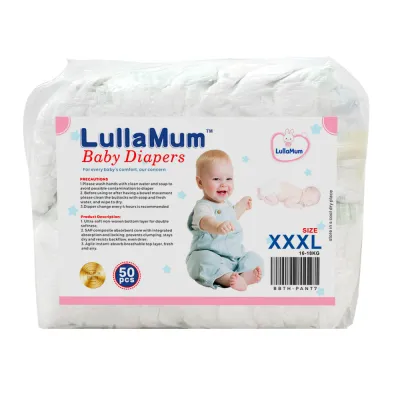
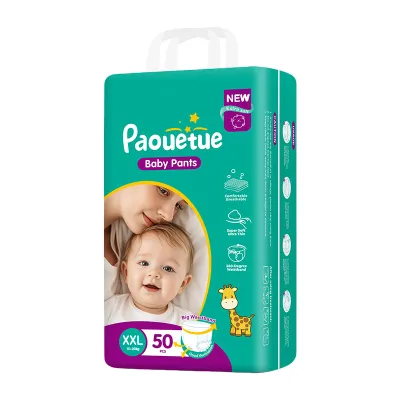
Prices are valid at publication and may change. Please refer to the product page for the latest price.
A key feature to inspect is the wetness indicator, which typically changes color to signal when a change is necessary. For babies who sleep on their stomachs or move frequently in their sleep, check if the absorbent zone extends high enough in the front or back. Leg cuffs also play a critical role; double-layered elastic barriers help contain sudden blowouts, but they must sit flat against the skin to be effective.
Monitoring your baby’s diaper during actual use is the most reliable way to assess absorbency. If you notice frequent leaks despite choosing the correct weight range, the diaper’s core may not be matching your baby’s urine output volume. In tropical climates where babies consume more fluids to stay hydrated, a diaper’s ability to lock away moisture quickly is essential for preventing skin irritation.
If leaks occur consistently at the thighs or waistband, it may indicate that the liquid is not distributing fast enough. This issue often requires either switching to a variant with a higher absorbency rating or adjusting the size. Remember that a diaper that sags heavily after a single wetness event can restrict your baby’s movement and increase friction against the skin.
Comparing Fit, Sizing, and Waistband Elasticity
A diaper’s fit is directly tied to its sizing chart, which is always printed on the exterior of the 50-piece packaging. However, weight ranges are only a general guideline, as two babies of the same weight can have vastly different body shapes. A baby with chubby thighs may require a different cut than a baby with a long torso and a slender waist.

When comparing Pampers, Equator, and Huggies, pay close attention to the waistband construction. Some brands feature a highly elastic, 360-degree stretchy waistband that mimics underwear, while others rely on more structured, gathered elastics. The waistband should stretch easily to accommodate a full belly after feeding without leaving deep red indentations on your baby’s skin.
Leg gathers require equal scrutiny during your comparison. They should hug the thighs snugly but gently, acting as a flexible seal that moves with your baby’s crawls or steps. If you observe gaps around the legs when your baby stands or sits, liquid will inevitably escape, regardless of how absorbent the core is.
Signs of an improper fit are usually easy to spot during daily changes. Red marks around the waist or thighs indicate that the elastic is too tight, suggesting it is time to size up even if your baby is within the recommended weight range. Conversely, if the diaper pants slide down easily when your baby crawls, the fit is too loose, and you may need to try a different brand cut.
Checking Material Quality and Skin Sensitivity
The inner lining of a diaper pant is in constant contact with your baby’s delicate skin, making material quality a top priority. High humidity and heat can trap moisture inside the diaper, creating an environment ripe for diaper rash. Therefore, checking the breathability claims on the packaging of your 50-piece pack is a crucial step before purchasing.
Read the ingredient list on the packaging to identify any added lotions, fragrances, or specific manufacturing processes, such as chlorine-free bleaching. Some babies thrive with lightly scented diapers that mask odors, while others with sensitive skin or eczema may experience immediate redness and irritation. If your baby is prone to allergies, look for hypoallergenic labels and fragrance-free options.
The texture of both the inner lining and the outer cover should feel soft to the touch, minimizing friction during movement. A stiff or paper-like outer cover can cause chafing around the waist and inner thighs as your baby moves. Look for micro-pores or breathable outer layers that allow hot air to escape while keeping wetness locked inside.
Before committing to a full 50-piece pack, it is highly recommended to conduct a short trial period. Many parents purchase smaller trial packs or borrow a few diaper pants from friends to monitor their baby’s skin reaction over forty-eight hours. If any signs of redness, bumps, or chafing appear, discontinue use immediately and try an alternative material profile.
Assessing Value and Bulk Buying Considerations
Buying diaper pants in a 50-piece format is a practical way to manage household expenses, but calculating the true value requires looking beyond the retail price. To find the cost-per-diaper, divide the total price of the pack in ₱ by 50. This simple calculation allows you to compare the economic value of Pampers, Equator, and Huggies directly, regardless of temporary store promotions.
In tropical regions, bulk buying requires careful consideration of storage conditions. High humidity can compromise the integrity of the diaper’s absorbent polymers and weaken the adhesive on the side seams before the diaper is even worn. Store your 50-piece packs in a cool, dry place, elevated off the floor, and sealed inside a protective container if your home is prone to dampness.
Always check the manufacturing date printed on the side or bottom of the packaging. Diapers do have a shelf life, and older packs may suffer from degraded elastic bands or reduced adhesive strength on the tear-away sides. Ensuring you are buying fresh stock guarantees that the diaper pants will perform as intended by the manufacturer.
While a lower price per piece is appealing, it only represents true value if the diaper performs well. If a cheaper brand requires more frequent changes or leads to leaks that ruin clothing, the overall cost may end up higher than choosing a slightly more expensive, highly absorbent option. Balance the unit price against your daily usage patterns to find the most sustainable choice.
Final Decision Framework: Which 50 Pcs Diaper Pants to Buy
To streamline your purchasing decision, use a conditional framework based on your baby’s specific physical needs and your household priorities.
Choose Pampers if your baby is highly active and requires a thin, flexible diaper that moves easily with their body. This brand profile is often suitable for parents who prioritize a lightweight feel and advanced moisture-distribution channels that prevent sagging during daytime play.
Choose Equator if your primary goal is practical, budget-friendly bulk utility. This option is ideal for families looking to optimize their cost-per-diaper (₱) while maintaining standard leak protection for regular, daytime changing intervals.
Choose Huggies if your baby has a rounder build or requires a highly secure, snug waistband that stays in place during vigorous movement. This design profile is well-suited for parents who prefer a more structured fit and robust leg gathers to prevent overnight leaks.
Verify first if your baby has extremely sensitive skin or a history of severe diaper rash. In these cases, prioritize fragrance-free, hypoallergenic variants, and always run a small-scale trial before purchasing a full 50-piece pack to ensure compatibility with your baby’s skin.
Frequently Asked Questions (FAQ)
When is the right time to switch from tape diapers to diaper pants?
The transition to diaper pants is typically driven by your baby’s developmental milestones rather than age alone. When your baby becomes highly active, rolling over, crawling, or standing during diaper changes, tape diapers can become difficult to secure properly. Diaper pants allow for quick, pull-up application while your baby is standing or moving, making changes much less stressful. Additionally, ensure your baby’s weight meets the minimum threshold on the diaper pants sizing chart to prevent gaps around the legs.
Can I mix different brands of diaper pants in the same stash?
Yes, mixing different brands in your daily rotation can be a highly effective strategy. Many parents use a more structured, highly absorbent brand for overnight sleep and a lighter, more cost-effective brand for frequent daytime changes. However, keep in mind that sizing cuts vary between brands, so a medium in one brand might fit differently than a medium in another. If your baby develops skin irritation, having multiple brands in use can also make it more difficult to identify which diaper is causing the reaction.
What should I do if my baby develops a rash after switching brands?
If you notice redness, small bumps, or chafing after introducing a new diaper brand, stop using those diaper pants immediately. Revert to a previously trusted brand or a highly breathable, fragrance-free option to allow the skin to heal. Keep the diaper area clean and dry, allowing for brief periods of air drying without a diaper during changes. If the rash persists for more than a few days, worsens, or is accompanied by a fever, consult a pediatrician or qualified healthcare professional for proper diagnosis and treatment.

Community discussion
Share your experience or ask a question. Comments are reviewed before publication.