
Choosing the right extra-large (XL) diaper pants for an active toddler in the Philippines requires balancing physical fit, movement patterns, and tropical climate comfort. As toddlers transition from crawling to running, jumping, and climbing, their physical movements place unique demands on diaper construction. A diaper that fits perfectly during a nap may gap at the thighs during active play, leading to unexpected leaks. While MamyPoko, Pampers, Huggies, and Equator all offer XL diaper pants designed for this active stage, there is no single universal option that works for every child. Instead, the most reliable leak protection depends on how well a brand’s specific structural features—such as waistband elasticity, leg cuff design, and absorbent core distribution—align with your toddler’s unique body shape and daily activity levels.
In a warm and humid tropical environment, diaper performance is closely tied to skin health and comfort. Active toddlers sweat, and the combination of moisture, friction, and movement can quickly lead to chafing, skin irritation, or diaper failure. By shifting the focus from broad marketing claims to observable design elements, packaging specifications, and hands-on fit checks, caregivers can make an informed decision. This guide provides a detailed comparison of the physical design, absorbency features, and practical value of these four popular brands to help you choose the most reliable XL diaper pants for your active toddler.
Defining Leak Protection Standards for Active Toddlers
To evaluate how well diaper pants prevent leaks, it is essential to understand the physical forces at play when a toddler is in motion. When a child runs, climbs, or squats, the diaper is subjected to constant stretching, twisting, and compression. If the diaper lacks the structural integrity to adapt to these movements, gaps will form, allowing liquid to escape before it can be absorbed. Therefore, leak protection is not just about how much liquid a diaper can hold, but how well it maintains a secure seal against the skin during dynamic movement.
Products mentioned in this guide
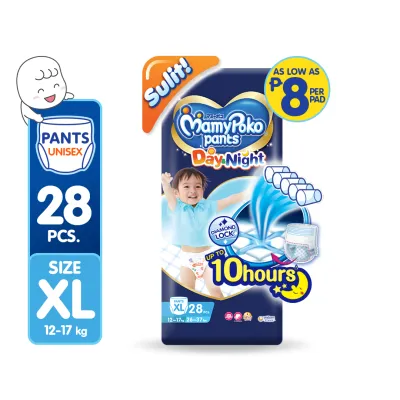
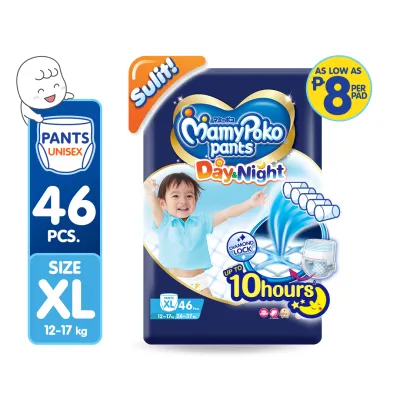
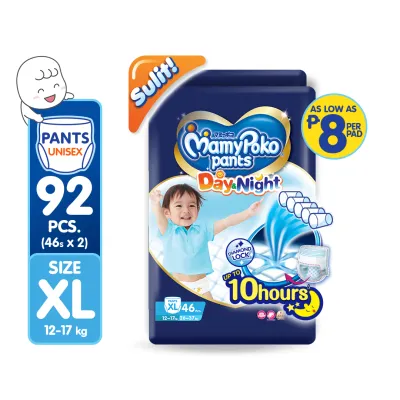
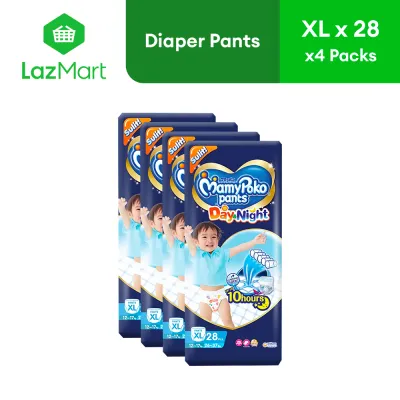
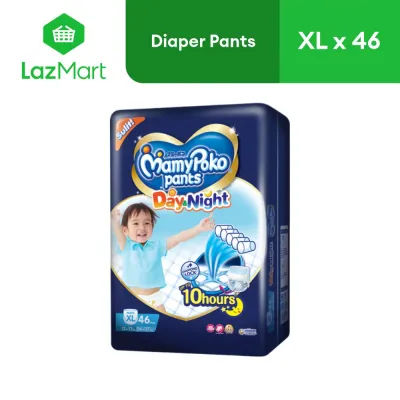
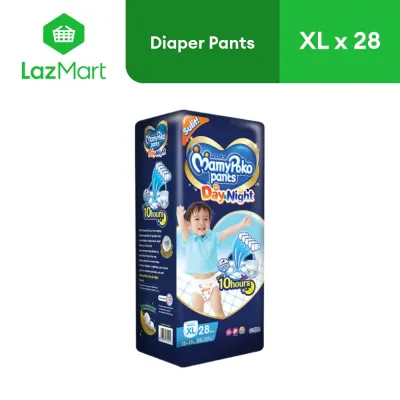
Prices are valid at publication and may change. Please refer to the product page for the latest price.
There are three core anti-leak components that caregivers should inspect when evaluating any diaper pants:
- Leg Cuffs (Double Leak Guards): These are the elasticized barriers that run along the leg openings. They should feature a double-layered design that sits snugly in the groin crease, acting as a physical barrier against side leaks.
- Waistband Elasticity: The waistband must offer 360-degree stretch to accommodate abdominal expansion after meals while maintaining enough tension to prevent the diaper from sagging when it becomes heavy with wetness.
- Absorbent Core Distribution: The core should be designed to distribute liquid evenly rather than allowing it to pool in one spot, which can cause the diaper to clump and pull away from the body.
When purchasing XL diaper pants, always check the packaging for size and weight guidelines, which typically cover toddlers weighing between 12 and 17 kilograms, though this range varies by manufacturer. It is important to treat these weight ranges as general guidelines rather than absolute rules. A toddler’s body shape—such as having a rounder tummy or thicker thighs—often plays a more significant role in diaper fit than weight alone. Additionally, review any manufacturer warnings regarding proper application and disposal to ensure optimal performance.
Comparing Design and Fit Features Across Brands
Each of the four brands features distinct design philosophies and structural characteristics that affect how they fit an active toddler. Understanding these physical differences allows caregivers to match the diaper’s cut to their child’s specific build.

MamyPoko XL Pants
MamyPoko XL pants are characterized by a highly elastic, gathered waistband designed to mimic real underwear. This waistband is exceptionally soft and stretches easily, making it highly accommodating for toddlers with rounder bellies. The leg cuffs feature a prominent double-fold barrier that provides a wide area of coverage around the thighs. On the packaging, the manufacturer highlights a fit design that distributes tension evenly across the waist, which helps minimize the risk of red marks while keeping the diaper securely anchored during vigorous play.
Pampers XL Pants
Pampers XL pants focus on a lightweight, low-profile design that prioritizes material flexibility and a streamlined fit. The waistband is designed to be thin and highly adaptive, conforming closely to the toddler’s torso without adding unnecessary bulk. The manufacturer utilizes a flexible core design that allows the diaper to bend and twist easily with the child’s movements. This second-skin fit is particularly beneficial for lean, highly active toddlers who run and climb constantly, as it reduces friction and minimizes the risk of the diaper dragging downward when wet.
Huggies XL Pants
Huggies XL pants feature a structured design with a strong emphasis on secure leg guards and a snug overall fit. The waistband is engineered to provide targeted tension, anchoring the diaper firmly around the toddler’s hips to prevent sagging. The leg barriers are highly defined and elasticized, designed to maintain a tight seal even during deep squats and active climbing. The packaging highlights their secure-fit technology, which is designed to keep the absorbent core positioned correctly against the body, reducing the likelihood of shifting during high-impact activities.
Equator XL Pants
Equator XL pants are designed as a practical, value-oriented option with a focus on straightforward structural features. The waistband offers standard elasticity, providing a functional hold that is suitable for daily wear. The outer cover and overall material thickness are slightly more pronounced compared to the ultra-thin profiles of some premium brands. The fit specifications provided by the brand offer a reliable, classic cut that is generally wider, making it a suitable option for toddlers who require a roomier fit through the seat and thighs.
Evaluating Absorbency and Material Specifications
Beyond fit, the speed and capacity of a diaper’s absorbent core are critical for preventing leaks, especially during long periods of play or overnight sleep. Caregivers can learn a great deal about a diaper’s performance by carefully reading the product specifications on the packaging and observing the physical properties of the materials.
When examining diaper packaging, look for descriptions of the absorbent core technology. Many modern diapers utilize superabsorbent polymers (SAP) arranged in specific channel designs. These channels are engineered to distribute liquid rapidly along the length of the diaper, preventing the gel from clumping in a single area. A diaper that distributes wetness evenly maintains its shape better, which in turn preserves the fit and prevents the leg cuffs from gaping.
The texture of the inner lining is another crucial factor to observe. A high-quality inner sheet often features a textured, 3D, or embossed pattern. This design minimizes the surface area of the diaper that comes into direct contact with the toddler’s skin, helping to keep the skin dry and reducing the risk of friction-induced irritation. In the humid climate of the Philippines, keeping the skin dry is essential for preventing heat rash and diaper dermatitis.
Finally, verify the manufacturer’s breathability claims. Look for terms like “breathable outer cover” or “micro-pores” on the packaging. A truly breathable diaper allows hot air and moisture vapor to escape from the inside of the diaper, keeping the toddler’s skin cooler and drier. You can physically assess breathability by checking the thickness and texture of the outer backsheet; a soft, cloth-like material with visible micro-texture is generally more breathable than a stiff, plastic-feeling cover.
Decision Framework: Choosing the Right XL Pants
To help you select the most suitable XL diaper pants for your active toddler, consider this conditional decision framework based on your child’s body type, activity level, and your household budget:
- Choose MamyPoko if: Your toddler has a rounder tummy, chubby thighs, or is prone to red marks from tight waistbands. The soft, highly elastic waistband and wide double-fold leg cuffs provide a gentle yet secure fit that accommodates abdominal expansion comfortably.
- Choose Pampers if: Your toddler is lean, exceptionally fast, and prefers a lightweight, flexible diaper that moves like clothing. The thin profile and highly flexible materials are ideal for minimizing bulk and friction during constant running and climbing.
- Choose Huggies if: Your toddler is highly active, climbs frequently, and experiences persistent side leaks. The structured waistband and robust, snug-fitting leg guards provide an excellent seal that stays in place during deep squats and high-impact movements.
- Choose Equator if: You are looking for a practical, budget-friendly option for frequent daytime changes. The straightforward design and reliable basic protection make it an economical choice when you plan to change the diaper regularly throughout the day.
Before making your final choice, verify several key factors. First, check if your toddler has highly sensitive skin, which may require fragrance-free or hypoallergenic specifications. Second, look at where your toddler falls on the manufacturer’s size chart; if they are near the lower or upper limit of the XL range, you may need to adjust your choice or consider sizing up. Finally, determine if you need the diaper for overnight use, which typically requires a higher-capacity core than standard daytime play.
To evaluate the overall value of each brand, calculate the unit price in ₱ by dividing the total cost of the pack by the number of diaper pants inside. Compare this unit price against the diaper’s observed performance. A slightly more expensive diaper that fits perfectly and prevents leaks may offer better overall value than a cheaper diaper that requires more frequent changes, double-layering, or leads to costly skin treatments.
Troubleshooting Leaks and Fit Issues
If you are experiencing persistent leaks with your current XL diaper pants, the issue may not be the brand itself, but rather a mismatch in fit, application, or changing habits. Use this actionable checklist to diagnose and resolve common diapering issues:
- Check for Red Marks or Gaps: Inspect your toddler's skin when changing the diaper. Deep red marks around the waist or thighs indicate that the diaper is too tight, suggesting that the elastics are under too much tension and you may need to size up. Conversely, if you can easily slide two fingers between the diaper and your toddler's skin, or if you see visible gaps around the thighs when they squat, the diaper is too loose and will likely leak.
- Ensure Leak Guards are Pulled Out: This is one of the most common causes of leg leaks. After pulling up the diaper pants, always run your fingers around the leg openings to ensure the inner leak guards are fully extended and pointing outward. If the guards remain tucked inside, they cannot form a proper barrier against liquid.
- Adjust Changing Frequency: A diaper's leak protection is directly affected by how full it is. Monitor your toddler's fluid intake, especially during hot days in the Philippines when they drink more water or juice. Increase changing frequency during these periods. Do not wait for the diaper to become completely heavy and saggy before changing, as a saturated diaper loses its elasticity and is highly prone to leaking.
- When to Stop and Consult: If your toddler develops persistent skin redness, a severe diaper rash, or signs of skin irritation that do not improve with frequent changes and the application of a barrier cream, stop using the current brand immediately. Consult a pediatrician or qualified healthcare professional to rule out allergic reactions to specific diaper materials, fragrances, or adhesives.
Frequently Asked Questions (FAQ)
How do I know if my toddler needs to move up from XL to XXL pants?
There are several clear physical signs that indicate your toddler has outgrown their XL diaper pants. First, if you experience frequent leaks despite correct application and regular changing intervals, the absorbent capacity of the XL size may no longer be sufficient for your toddler’s growing bladder volume. Second, look for deep red marks or indentations on your toddler’s waist or thighs, which show that the elastic bands are stretching to their absolute limit and causing discomfort. Finally, compare your toddler’s current weight against the manufacturer’s weight limits printed on the packaging; if their weight is near or exceeds the upper limit of the XL range, transitioning to XXL will provide a more comfortable fit and improved leak protection.
Are diaper pants better than tape diapers for active toddlers?
Diaper pants are generally preferred for active toddlers because they can be pulled on quickly while the child is standing, walking, or wriggling, making diaper changes much easier for caregivers. The 360-degree elastic waistband of diaper pants also adapts dynamically to a toddler’s constant movements, providing a secure fit that moves with them. However, tape diapers offer customizable waist adjustments, which can be highly beneficial for toddlers with unique body shapes, such as a very narrow waist combined with chubby thighs. Tape diapers are also easier to change during the night without fully undressing the child, and they make containing messy solid waste simpler during removal.
Community discussion
Share your experience or ask a question. Comments are reviewed before publication.