
Choosing the right Stage 2 formula for your baby between the ages of 6 and 12 months is a decision that balances nutritional adequacy, digestive comfort, and household budget. While popular options like Lactum 6-12, Nido, NAN, and Enfagrow are widely available in supermarkets and online stores, there is no single “best” formula for every infant. The ideal choice is the one that aligns with your baby’s unique digestive tolerance, meets their developmental needs as verified on the product label, and fits sustainably within your family’s monthly budget.
Understanding Stage 2 Formula Needs (6-12 Months)
At six months of age, your baby enters a rapid phase of growth and development, marked by the introduction of solid foods. During this transition, breast milk or infant formula remains the primary source of nutrition, but the role of formula shifts to complement the solid foods your baby is beginning to explore. This stage is known as complementary feeding, where formula fills the nutritional gaps that solids do not yet cover.
As babies grow, their natural iron stores—which they are born with—begin to deplete around the six-month mark. Consequently, pediatric guidelines emphasize prioritizing key nutrients such as iron, calcium, and vitamin D during this stage. Iron supports cognitive development and red blood cell production, while calcium and vitamin D are essential for building strong bones and teeth as your baby starts to sit up, crawl, and pull themselves up.
Products mentioned in this guide
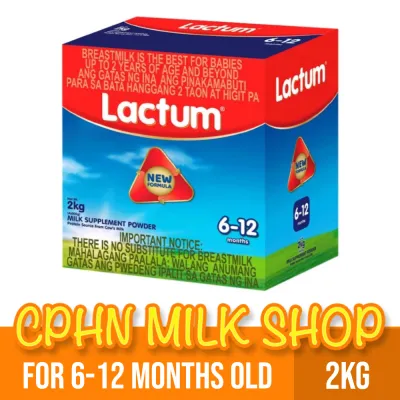



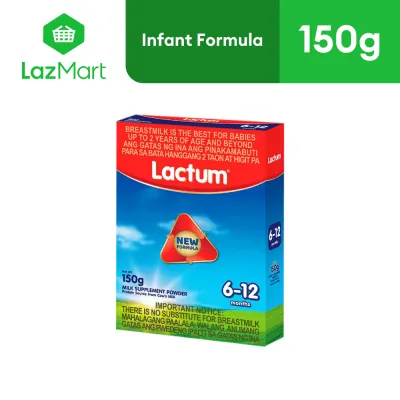
Prices are valid at publication and may change. Please refer to the product page for the latest price.
Because every baby’s digestive system matures at a different rate, a formula that works perfectly for one child might cause mild gas or fussiness in another. Individual tolerance is the most critical factor when selecting a Stage 2 formula. Rather than searching for a universally superior brand, focus on finding a formulation that your baby digests comfortably while they learn to enjoy a variety of solid foods.
How to Compare Nutritional Profiles on the Label
To make an informed decision, you must look past the front-of-pack marketing claims and examine the nutrition facts panel and ingredient list on the back of the tin. Comparing Lactum 6-12, Nido, NAN, and Enfagrow requires a systematic approach to reading these labels, as formulations can vary significantly between brands and even between different versions of the same brand.

Start by checking the levels of essential vitamins and minerals per 100 grams or per 100 milliliters of prepared formula. Pay close attention to the iron, calcium, zinc, and vitamin D content. Ensure these levels meet the recommended dietary intakes for infants aged 6 to 12 months.
Next, look for added functional ingredients that support specific areas of development. Many Stage 2 formulas include docosahexaenoic acid (DHA) and arachidonic acid (ARA) to support brain and eye development. You will also find prebiotics (such as GOS and FOS) or probiotics (active bacterial cultures) intended to support gut health and digestion. Note whether these ingredients are present and in what quantities on each label.
The source of protein and carbohydrates is another crucial point of comparison. Some formulas use intact cow’s milk protein, which contains a specific ratio of whey to casein, while others may feature partially hydrolyzed proteins that are broken down into smaller pieces for easier digestion. For carbohydrates, check if the formula relies primarily on lactose—the natural sugar found in breast milk—or if it contains alternative carbohydrate sources like corn syrup solids, sucrose, or maltodextrin.
Always verify the exact product variant and the manufacturing or expiration date before purchasing. Manufacturers periodically update their recipes, meaning the nutritional profile of a brand you used months ago may have changed. Checking the label of the specific tin in your hands ensures you have the most accurate and up-to-date information.
Evaluating Cost Per Serving and Value
The upfront price of a formula tin can be misleading, as different brands package their powder in varying sizes and use different scoop dimensions. To understand the true financial impact on your household budget, you need to calculate the cost per serving rather than simply comparing the retail price of the container.
To calculate the cost per serving in ₱, look at the feeding guide on the back of the tin. Note the weight of a single scoop of powder (usually listed in grams) and the volume of water required for one serving. By dividing the total net weight of the tin by the weight of one scoop, you can determine how many scoops—and ultimately how many bottles—the tin will yield. Divide the retail price of the tin by this number of servings to find the actual cost per bottle.
Keep in mind that scoop sizes and water-to-powder ratios vary. A brand with a lower upfront price might require more scoops per bottle, causing you to run through the tin much faster than a slightly more expensive brand with a smaller scoop size.
To maximize value, look for purchasing options in local supermarkets and authorized online marketplaces. Buying larger tin sizes or multi-pack bundles often reduces the cost per gram of powder. Some families also benefit from subscription discounts or loyalty programs offered by trusted retailers.
While managing household expenses is important, value should always be balanced with your baby’s tolerance. A budget-friendly formula is only a good value if your baby can digest it comfortably without experiencing adverse reactions.
Observing Your Baby's Tolerance and Preferences
Your baby’s physical and behavioral reactions are the ultimate test of whether a formula is suitable for them. Once you select a Stage 2 formula, monitor how your baby’s digestive system responds over several days.
Observe their digestion closely by tracking stool consistency, frequency, gas, and spit-up. It is normal for stool color and consistency to change slightly when transitioning to a Stage 2 formula or introducing solid foods. However, persistent watery stools, hard stools that cause straining, excessive painful gas, or frequent projectile spit-up indicate that the formula may not be agreeing with their digestive system.
Taste acceptance and satiety are also important. Note whether your baby drinks the formula enthusiastically or rejects the bottle. A suitable formula should leave your baby feeling satisfied and content between feeds, without causing sudden fussiness shortly after drinking.
Be aware of red flags that require you to stop using the formula immediately and consult a pediatrician. These include a persistent skin rash or hives, severe vomiting, blood or mucus in the stool, extreme lethargy, or poor weight gain. These symptoms could indicate an underlying allergy, such as a cow’s milk protein allergy, which requires professional medical diagnosis and a specialized formula.
When switching from one formula brand to another, allow a transition period of at least one to two weeks, unless your pediatrician advises otherwise. A gradual transition—mixing the old and new formulas in slowly shifting ratios—helps your baby’s digestive tract adjust and prevents you from misinterpreting temporary adjustment symptoms as a permanent intolerance.
Decision Framework: Choosing the Right Stage 2 Formula
Selecting the right Stage 2 formula involves matching your baby’s observed needs with your family’s practical constraints. Use the following framework to guide your decision-making process.
Consider Lactum 6-12 if you are looking for a widely accessible option that fits a moderate budget, and its label matches your target nutrient checklist for essential vitamins and minerals. This option is suitable for babies who have shown robust digestive health and do not require specialized protein structures.
Consider Nido, NAN, or Enfagrow if your baby’s digestion, taste preferences, or specific developmental needs align with their unique formulations. For instance, if your baby benefits from specific prebiotics or probiotics, or if you prefer a formula with a particular focus on DHA levels, verify these components on the respective labels of these brands.
Always pause the selection process and consult a qualified healthcare professional, such as your pediatrician, before making a final choice or switching formulas. This is especially critical if your baby has a history of colic, reflux, allergies, or if you notice any of the red flags mentioned during the transition period. Your pediatrician can provide personalized guidance based on your baby’s growth chart and medical history.
Frequently Asked Questions (FAQ)
Can I mix two different Stage 2 formula brands in one bottle?
Mixing two different formula brands in a single bottle is generally not recommended unless specifically instructed by your pediatrician. Each brand has a unique scoop size and a precise water-to-powder ratio designed to deliver a specific concentration of nutrients. Mixing powders can easily lead to errors in preparation, resulting in a mixture that is either too concentrated or too diluted. This can strain your baby’s developing kidneys, cause dehydration, or lead to digestive upset and nutrient imbalances. Always prepare each formula strictly according to its manufacturer’s guidelines.
How long should I wait to see if a new formula works for my baby?
When introducing a new Stage 2 formula, it typically takes about one to two weeks for your baby’s digestive system to fully adapt. During this transition period, you may observe minor, temporary changes in stool consistency or gas. Unless your baby exhibits severe symptoms or red flags—such as vomiting, rashes, or blood in the stool—it is best to give the transition at least ten to fourteen days before deciding if the formula is a good fit. If you observe persistent discomfort or any concerning symptoms, stop use and seek medical advice from your pediatrician.
Community discussion
Share your experience or ask a question. Comments are reviewed before publication.