
Choosing the right toddler formula for your child is a highly individualized decision that depends on their unique nutritional needs, taste preferences, digestive tolerance, and your family’s budget. In the Philippines, parents are often faced with a wide array of options on supermarket shelves, with Lactum 3+, Nido 3+, Enfagrow A+, and NAN Optipro 3 being among the most prominent choices for children aged three and older. There is no single formula that universally outperforms the others; rather, the ideal choice is the one that aligns with your pediatrician’s guidance and matches your child’s specific growth requirements.
As toddlers transition from a primarily liquid diet to solid foods, their nutritional intake can become unpredictable. Picky eating phases, changing appetites, and rapid physical development are common during this stage. While a balanced diet of solid foods should always remain the primary source of nutrients, fortified toddler milks are designed to act as a safety net, helping to fill potential dietary gaps. Understanding how to compare these options objectively allows you to make an informed choice based on facts rather than marketing promises.
To navigate this decision effectively, parents must look beyond eye-catching packaging and focus on verifiable product details. By examining the nutritional profiles, evaluating practical factors like taste and mixability, and calculating the actual cost per serving, you can identify which formula fits your household’s needs. This guide provides a structured approach to comparing Lactum 3+, Nido 3+, Enfagrow A+, and NAN Optipro 3, empowering you to make a confident decision for your toddler’s ongoing development.
Products mentioned in this guide
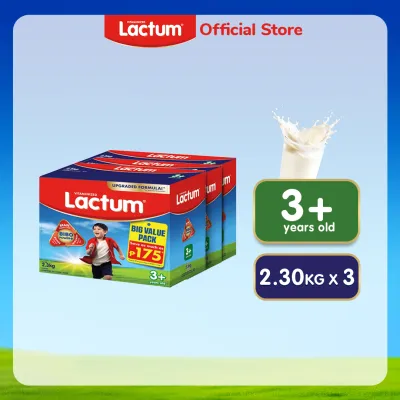
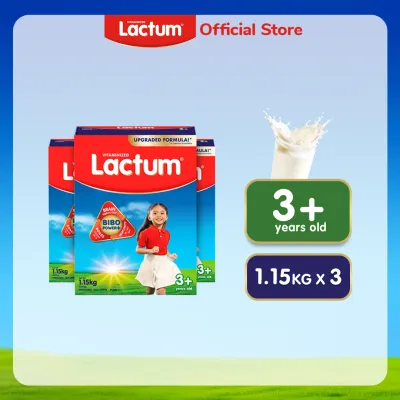
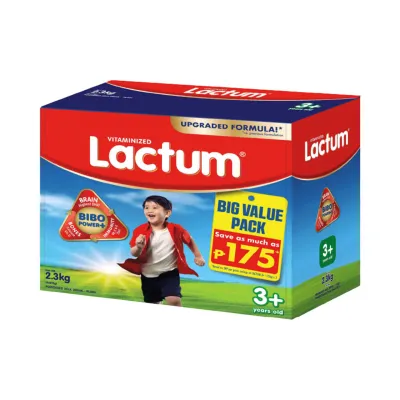
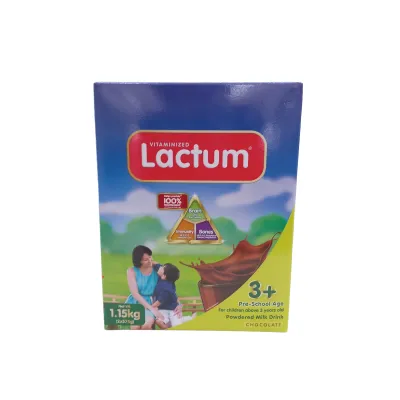
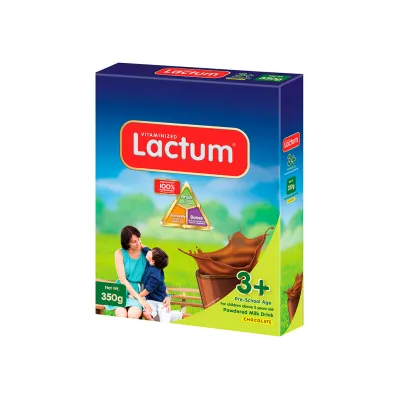
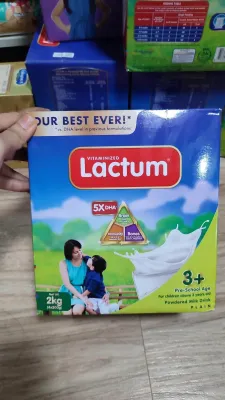

Prices are valid at publication and may change. Please refer to the product page for the latest price.
Comparing Nutritional Profiles and Key Ingredients
Evaluating the nutritional value of a toddler formula requires a close look at the Nutrition Facts panel and the ingredient list printed on the packaging. Rather than relying on broad advertising claims, parents should learn to identify the specific quantities of macronutrients—proteins, fats, and carbohydrates—as well as essential micronutrients like iron, calcium, and vitamins. Each of the four brands has a distinct formulation strategy, and comparing these values directly on the labels will reveal which product aligns best with your child’s daily dietary intake.
When examining the protein content, look at both the total amount per serving and the source of the protein. Some formulas utilize specialized protein blends or partially hydrolyzed proteins designed for easier digestion, while others rely on standard cow’s milk solids. Carbohydrate sources are equally important to scrutinize. Parents should check the ingredient list for added sugars, which may appear under names such as sucrose, corn syrup solids, maltodextrin, or fructose. Opting for formulas with lower levels of added sugars can help establish healthy taste preferences and prevent excessive intake of simple carbohydrates.
Micronutrients and functional ingredients also vary across these brands. Docosahexaenoic acid (DHA), an omega-3 fatty acid, is frequently highlighted on toddler milk labels due to its role in brain development. When comparing Lactum 3+, Nido 3+, Enfagrow A+, and NAN Optipro 3, locate the exact milligrams of DHA per serving on the nutritional table to make an accurate comparison. Additionally, look for the presence of prebiotics (such as fructooligosaccharides or galactooligosaccharides) and specific probiotic strains (like Bifidobacterium lactis or Lactobacillus rhamnosus), which support gut health and immune function.
It is crucial to remember that more is not always better when it comes to nutrient concentrations. A toddler who consumes a diverse diet rich in meats, vegetables, and dairy may not require highly fortified milk, whereas a picky eater might benefit from a formula with higher levels of specific vitamins and minerals. Before switching or selecting a formula based on its nutritional label, consult your pediatrician. A qualified professional can assess your child’s growth chart, identify any specific dietary deficiencies, and recommend the precise nutrient levels your toddler needs.
Evaluating Taste, Mixability, and Toddler Acceptance
Even the most nutritionally complete formula is of little value if your toddler refuses to drink it. Taste acceptance is a major practical hurdle for parents, and it is heavily influenced by the ingredients used to flavor the milk. Some toddler formulas are formulated to have a sweeter profile, often achieved through the inclusion of sucrose or specific flavorings like vanilla. Other brands maintain a more neutral, natural milk taste. Checking the ingredient list for these flavor enhancers will give you a clear indication of how sweet the milk is likely to be before you purchase it.

Mixability is another key factor that affects both convenience and toddler acceptance. A high-quality powder should dissolve smoothly in water without leaving excessive clumps, foam, or chalky residue at the bottom of the cup. Clumping can make drinking difficult through a straw or spout and may lead to an inconsistent nutrient delivery if a significant portion of the powder remains stuck to the sides of the container. When preparing the milk, observe how quickly the powder disperses. Always follow the manufacturer’s specific instructions regarding water temperature, as using water that is too hot or too cold can negatively impact solubility and degrade sensitive nutrients like probiotics.
In the tropical climate of the Philippines, high humidity can quickly affect the quality of opened formula powder. Exposure to moisture can cause the powder to clump inside the tin, making accurate scooping difficult and potentially encouraging bacterial growth. To preserve the powder’s integrity, store the container in a cool, dry place, keep the lid tightly sealed, and use the product within the timeframe specified by the manufacturer (typically three to four weeks after opening). Never store formula powder in the refrigerator, as the temperature fluctuation when opening the container can introduce condensation.
To avoid wasting money on a large container that your child might reject, look for smaller packaging options first. Many brands offer trial sizes, small boxes, or single-serve sachets. Purchasing these smaller quantities allows you to test your toddler’s taste acceptance and observe their digestive response over a few days. When transitioning from one formula to another, do so gradually by slowly introducing the new milk alongside the familiar one, rather than making an abrupt switch, to give your child’s palate and digestive system time to adjust.
Assessing Price, Packaging, and Overall Value
Managing household expenses is a priority for many families, making it essential to evaluate the financial commitment of each formula option. Comparing only the upfront retail price of a tin or box can be misleading, as packaging sizes and recommended scoop measurements vary significantly between brands. To determine the true cost, parents should calculate the cost per serving. You can do this by dividing the retail price of the package by the total weight in grams to find the cost per gram, and then multiplying that figure by the grams required for a single serving as indicated on the preparation instructions.
The formula for this calculation is straightforward: Cost per Serving equals the retail price divided by the total net weight in grams, multiplied by the grams per serving. By applying this calculation to Lactum 3+, Nido 3+, Enfagrow A+, and NAN Optipro 3 across their various packaging sizes (such as 800g, 1.2kg, or 1.8kg), you can objectively compare their long-term impact on your monthly budget. Often, larger bulk packs offer a lower cost per gram, but they require a higher upfront investment and must be consumed before the expiration date or the recommended post-opening limit.
Sourcing your toddler’s formula safely is critical to ensuring product authenticity and quality. In the Philippines, counterfeit or improperly stored milk products can pose serious health risks to young children. Always purchase formula from reputable sources, such as major supermarkets, established drugstores, or the official online brand stores on authorized ecommerce platforms. Avoid buying from unauthorized third-party resellers who cannot guarantee the product’s origin or storage history.
When your purchase arrives or when selecting a tin from a store shelf, perform a thorough physical inspection. Check that the expiration date is clearly printed and provides ample time for consumption. Inspect the outer packaging for any signs of damage, such as deep dents, rust, or broken safety seals. A compromised seal can expose the powder to air, moisture, and contaminants, rendering it unsafe for your child. If you notice any defects, return the product to the retailer immediately and do not feed it to your toddler.
Decision Framework: Which Toddler Formula Fits Your Child?
Selecting the right formula involves matching your toddler’s specific physical needs and your family’s practical preferences with the characteristics of each brand. Because there is no universal winner, a structured decision framework can help you narrow down the choices based on verifiable label information and your pediatrician’s guidance.
Consider Lactum 3+ if your child prefers its specific taste profile and the nutritional values listed on the label align with your general growth targets. This option is often selected by parents looking for a straightforward, accessible formula that supports daily nutritional intake without a highly specialized ingredient focus. It serves as a practical choice for toddlers who are generally healthy and require a reliable supplement to their solid food diet.
Consider Nido 3+ if you are looking for an option that emphasizes a whole milk-based formulation and whose ingredient list matches your family’s preferences for daily dairy consumption. This brand is widely recognized for its familiar milk taste and is often favored by families seeking a cost-effective, widely available option that integrates easily into a toddler’s daily routine.
Consider Enfagrow A+ if the label displays specific levels of DHA, prebiotics, and other micronutrients that align with your pediatrician’s precise developmental recommendations. This formula is typically chosen by parents who prioritize a product with a strong emphasis on brain-development nutrients and are comfortable with the corresponding price point on the shelf.
Consider NAN Optipro 3 if your child’s digestion requires a specific protein blend or if you are looking for the particular probiotic strains listed on the packaging. This option is designed with optimized protein technology and gut-supportive ingredients, making it a suitable candidate for toddlers whose parents want to focus on digestive comfort and smooth nutrient absorption.
Before making any final selection, it is vital to verify whether your child has any underlying medical conditions, such as a cow’s milk protein allergy or lactose intolerance. Standard toddler formulas are not suitable for children with these diagnosed conditions and can cause adverse health reactions. If your child has a history of allergies or digestive distress, consult your pediatrician to discuss specialized, hypoallergenic, or lactose-free alternatives. Your pediatrician remains the ultimate authority on your child’s health and should always guide your final feeding decisions.
Frequently Asked Questions (FAQ)
When should I transition my child from infant formula to toddler formula?
The transition from infant formula to toddler formula typically occurs around the age of one year or older, depending on the specific product guidelines. Stage 3 formulas are formulated to meet the changing nutritional demands of growing toddlers, who require different ratios of calcium, iron, and vitamins compared to infants. Always check the specific age recommendations printed clearly on the product packaging, as formulations are tailored to distinct developmental stages. Before making the switch, consult your pediatrician to ensure your child is developmentally ready and that their solid food intake is progressing well.
Can I mix two different brands of toddler formula together?
Mixing two different brands of toddler formula in the same bottle or cup is generally discouraged by pediatricians and manufacturers. Each brand has a unique formulation with specific scoop sizes and water-to-powder ratios designed to deliver a precise concentration of nutrients. Combining them can alter this delicate balance, potentially leading to a mixture that is too concentrated or too diluted, which can strain your toddler’s kidneys or cause digestive issues like constipation or diarrhea. If you are transitioning your child from one brand to another, it is safer to offer separate feeds of each formula throughout the day, gradually increasing the number of new formula feeds while phasing out the old one.
How do I know if my toddler is allergic or intolerant to a specific formula?
An allergic reaction or food intolerance can manifest through several observable physical signs. Common symptoms of formula intolerance or allergy include skin rashes or hives, excessive fussiness, vomiting, frequent spitting up, severe gas, abdominal pain, or changes in stool consistency, such as chronic diarrhea or blood in the stool. It is important to distinguish between mild, temporary digestive adjustments as a child adapts to a new formula and a true allergic reaction. If you observe any of these symptoms, stop using the formula immediately and consult your pediatrician to obtain an accurate diagnosis and a safe alternative feeding plan.

Community discussion
Share your experience or ask a question. Comments are reviewed before publication.