
Choosing the right baby wipe for sensitive skin in the Philippines requires a careful balance of ingredient analysis and physical evaluation. With the country’s tropical heat and high humidity, babies are highly susceptible to diaper rash and skin friction, making the choice of wipe a critical daily decision. While Kleefant wipes have gained significant traction among local parents, determining how they compare to other popular brands involves looking past marketing claims and focusing on verifiable packaging details, material textures, and safe testing practices. By understanding what to look for on a label, you can make an informed choice that protects your baby’s delicate skin barrier.
Key Criteria for Choosing Wipes for Sensitive Skin
To establish a reliable standard for any baby wipe, you must first understand the common triggers of skin irritation. Sensitive skin is highly reactive to chemical additives, which can disrupt the natural skin barrier. When evaluating any brand, the ingredient list is your primary line of defense. Look closely for the presence of added fragrances, alcohol, and harsh preservatives such as parabens, methylisothiazolinone (MIT), or phenoxyethanol. Even products labeled “natural” or “organic” can contain botanical extracts that might trigger allergic reactions in highly sensitive infants.
Beyond ingredients, the pH level of the wipe formulation plays a vital role in maintaining skin health. A baby’s skin is naturally slightly acidic, typically ranging between a pH of 4.5 and 5.5. Wipes that are formulated to be pH-balanced help preserve this protective acid mantle, which defends against harmful bacteria and yeast. While many brands claim to be hypoallergenic, you should verify whether these claims are backed by specific dermatological testing indicators on the packaging.
Products mentioned in this guide
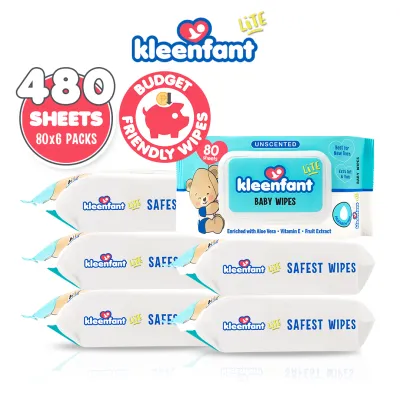
Prices are valid at publication and may change. Please refer to the product page for the latest price.
Finally, physical attributes are just as important as chemical formulations. A wipe that is too thin or rough requires more physical rubbing to clean the skin, creating friction that can quickly lead to redness and micro-tears. Ideal wipes for sensitive skin feature a soft, thick fabric with a gentle texture or embossed pattern. This design allows the wipe to lift away messes in fewer passes, minimizing physical contact and reducing the risk of friction-induced irritation.
Evaluating Kleefant Wipes for Sensitive Skin
When considering Kleefant wipes for your baby, the first step is to perform a thorough inspection of the product packaging. Turn the pack over and locate the complete ingredient list. For sensitive skin, a shorter ingredient list is generally safer, as it reduces the statistical likelihood of an adverse reaction. Check the order of ingredients; by standard labeling rules, ingredients are listed in descending order of concentration. Verify where water stands on the list and note the specific preservatives used to keep the wipes free from mold and bacteria.

Next, look for explicit safety certifications or dermatological testing seals on the Kleefant packaging. Manufacturers of sensitive-skin products often seek third-party evaluations to support their claims. Check if the packaging specifies suitability for newborns or infants with eczema-prone skin, as these designations often indicate a milder formulation. Keep in mind that certifications can vary by batch or region, so verifying the exact labels on the pack in your hands is always the safest approach.
Once you open a pack of Kleefant wipes, evaluate their physical characteristics directly. Pull a single wipe from the dispenser and assess its thickness and elasticity. Gently stretch the fabric to see if it tears easily or loses its structure. Feel the moisture level; it should feel damp enough to clean effectively but not so saturated that it leaves a pooling wet residue on the skin. A wipe that leaves too much moisture behind can trap wetness in skin folds, which, under the humid conditions of the Philippines, can encourage fungal growth and diaper rash.
How Kleefant Compares to Other Popular Brands
Comparing Kleefant to other mainstream baby wipes in the Philippines requires a structured, objective approach. Rather than relying on subjective reviews or declaring a single brand as universally superior, you can compare products across three practical dimensions: formulation transparency, material texture, and packaging design.
Ingredient Transparency and Formulation
When placing Kleefant side-by-side with competing brands, compare the complexity of their ingredient lists. Some mainstream brands rely on extensive formulations containing various synthetic conditioning agents, while others focus on minimalist, water-based formulas. Check the position of water on the label; high-quality sensitive wipes typically list water or aqua as the very first ingredient, often comprising over 99% of the formulation.
Additionally, look for the inclusion of soothing botanical ingredients, such as aloe vera, chamomile, or calendula. While these additives can help calm irritated skin, they can also act as allergens for some babies. Compare how different brands preserve their wipes. A safe preservative system is essential to prevent microbial growth, but some brands use milder food-grade preservatives than others. Ensure that whichever brand you choose explicitly excludes drying alcohols and synthetic perfumes, which are the most common culprits behind contact dermatitis.
Material Texture and Moisture Level
The physical performance of a wipe during a diaper change directly impacts skin comfort. Compare the thickness and weight of Kleefant wipes against alternative brands. Thicker wipes, often made from spunlace non-woven fabric or wood pulp blends, provide a better barrier between your hands and the mess, while also requiring fewer sheets per change. Look for embossed patterns, such as raised dots or cross-grid textures, which help grab residue more efficiently than completely flat sheets.
Moisture retention is another critical point of comparison. If a brand’s wipes are too dry, they will drag across the skin, causing mechanical irritation. Conversely, if they are overly wet, they can oversaturate the diaper area, compromising the skin’s natural barrier. Observe how well the moisture is distributed throughout the pack. In some brands, the top wipes may feel dry while the bottom wipes are soaking wet. A high-quality wipe maintains consistent moisture from the first sheet to the last.
Packaging and Practicality
In the tropical climate of the Philippines, packaging design is not just a matter of convenience; it directly affects product shelf life and safety. Compare the closure systems of Kleefant and other brands. Packs equipped with a rigid plastic flip-top lid generally offer a much tighter seal than those relying solely on a resealable adhesive sticker. Adhesive seals tend to lose their stickiness quickly when exposed to dust, baby powder, and high humidity, leading to dried-out, unusable wipes.
Furthermore, evaluate the dispensing mechanism of each pack. A well-designed opening allows you to pull out exactly one wipe at a time with a single hand. Brands that suffer from “chain-pulling”—where pulling one wipe drags out three or four others—not only cause unnecessary waste but also increase the risk of contamination. When multiple wipes are pulled out and stuffed back into the pack, bacteria from your hands can easily contaminate the remaining sheets.
Safe Testing and Transitioning Routine
Regardless of how highly recommended Kleefant or any other brand is, every baby’s skin is unique. Before fully transitioning to a new wipe brand, it is essential to follow a safe, controlled testing protocol. This minimizes the risk of a widespread allergic reaction or severe diaper rash.
Begin by conducting a localized patch test. Select a small, healthy, and discreet area of your baby’s skin, such as the inner forearm or the upper thigh. Gently swipe the new wipe over this small area once or twice, then allow the skin to air dry. Do not apply any creams, lotions, or powders to this test spot. Monitor the area closely over the next 24 to 48 hours for any signs of a localized reaction.
During this monitoring period, watch for specific indicators of skin irritation. These include localized redness, small raised bumps, dry or flaky patches, swelling, or signs of itching, such as your baby scratching the area. If any of these symptoms appear, discontinue use of the wipe immediately. Wash the area with clean, lukewarm water and pat it dry with a soft towel.
If your baby exhibits a severe reaction, or if a rash develops and does not improve within two to three days after stopping the wipes, consult a pediatrician or a pediatric dermatologist. Always seek professional medical advice if the skin becomes broken, starts oozing, or if your baby shows signs of discomfort or fever. Never attempt to treat a persistent or severe skin reaction with over-the-counter medicated creams without a professional diagnosis.
Purchasing Tips and Value Assessment
When you decide on a wipe brand, ensuring product authenticity and proper storage is crucial for maintaining safety. In the Philippines, baby products are widely distributed through physical supermarkets, baby specialty stores, and online marketplaces. When shopping online, always purchase from official brand stores or authorized distributors. Counterfeit baby wipes or products stored in hot, unventilated warehouses can degrade, leading to chemical breakdown or bacterial contamination before you even open the package.
To assess the true value of Kleefant wipes compared to other brands, look beyond the initial price tag of the pack. Calculate the price per individual wipe by dividing the total cost of the pack (in ₱) by the number of sheets inside. For example, a pack costing ₱120 containing 80 wipes has a unit cost of ₱1.50 per wipe. Compare this unit cost against other brands, keeping in mind that a slightly more expensive, thicker wipe that requires only one sheet per change may ultimately be more cost-effective than a cheaper, thinner wipe that requires three or four sheets.
Finally, make it a habit to check the manufacturing and expiration dates printed on the packaging before buying or opening a new pack. Baby wipes have a limited shelf life, typically ranging from two to three years from the manufacturing date when unopened. Using expired wipes increases the risk of using dried-out sheets or products where the preservative system has broken down, leaving your baby vulnerable to skin irritation and infections.
Community discussion
Share your experience or ask a question. Comments are reviewed before publication.