
Finding the right diaper for your baby in the Philippines involves balancing performance, comfort, and cost, especially given the country’s year-round tropical heat and high humidity. While many parents search for a single, universally superior diaper, the reality is that the best choice depends entirely on your baby’s unique body shape, skin sensitivity, and developmental stage. Hanae, Pampers, Huggies, and Equator each offer distinct design philosophies, material compositions, and price points. Rather than relying on unverified marketing claims or generic online rankings, parents can make an informed decision by systematically evaluating how these brands perform under local conditions.
This guide establishes a practical, step-by-step framework to help you assess these four brands. By focusing on observable physical features, packaging specifications, and real-world performance indicators, you can identify which diaper matches your baby’s current needs and your household budget. Whether you are managing a newborn’s delicate skin or an active toddler’s constant movement, understanding what to look for on the diaper packaging and during daily use will save you time, money, and unnecessary stress.
Evaluating Absorbency and Leak Protection
Absorbency is the primary defense against leaks and skin irritation, particularly during long sleep stretches or active daytime play. When comparing Hanae, Pampers, Huggies, and Equator, start by examining the diaper’s core technology as described on the packaging. Modern disposable diapers typically utilize Superabsorbent Polymer (SAP) gel beads, often arranged in channels or distributed evenly throughout a fibrous pulp matrix. Look for terms on the label indicating channel designs, which are engineered to distribute liquid evenly and prevent the diaper from clumping or sagging in a single spot. A diaper that distributes moisture efficiently helps keep the inner lining dry against your baby’s skin, reducing the risk of friction and moisture-induced irritation in hot weather.
Products mentioned in this guide

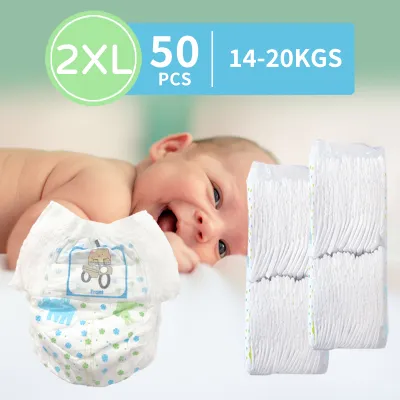



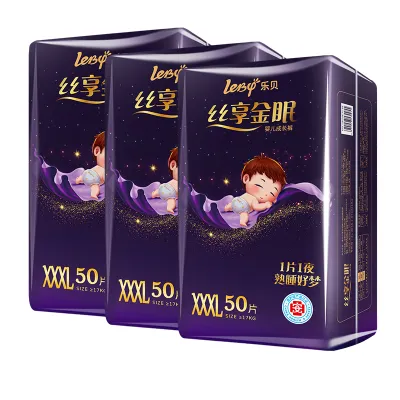
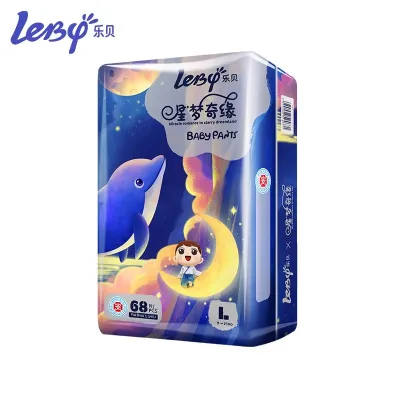
Prices are valid at publication and may change. Please refer to the product page for the latest price.
Beyond the absorbent core, physical barrier features play a critical role in preventing messy blowouts and wet clothes. Inspect the height and elasticity of the standing leak guards—the ruffled inner barriers running along the leg openings. These guards should stand upright when the diaper is opened and fit snugly in the groin creases without digging in. Additionally, check the elasticity of the waistband; a flexible, stretchy back waistband helps seal gaps where liquid can escape when your baby is lying down or sitting up.
To evaluate these features in daily life, observe how each brand behaves when wet. Note whether the diaper sags heavily between the baby’s legs, which can pull the leg cuffs down and cause gaps. Watch for dampness on the outside of the diaper or wetness escaping around the thighs during active crawling or walking. Many modern diapers also feature a wetness indicator—a color-changing line on the outer shell—which serves as a helpful visual cue for caregivers to change the diaper before it reaches its maximum capacity and begins to leak.
Assessing Fit, Comfort, and Skin Sensitivity
A baby’s skin is exceptionally thin and sensitive, making it highly vulnerable to friction, heat, and trapped moisture. In a tropical climate like the Philippines, diaper breathability is essential to prevent heat rash and diaper dermatitis. When evaluating Hanae, Pampers, Huggies, and Equator, carefully inspect the texture of the inner lining that directly touches your baby’s skin. Feel the material yourself to check for softness, and look for packaging labels that specify breathable outer covers or micro-pore designs that allow air to circulate while keeping moisture contained.

Physical fit is closely tied to comfort and skin health. A diaper that is too tight will restrict movement and cause painful chafing, while one that is too loose will inevitably leak. After removing a diaper, inspect your baby’s thighs, hips, and waist for red marks or deep indentations left by the elastic bands. If you notice persistent red lines, it is a clear sign that the diaper is either too small, fastened too tightly, or has an elastic design that does not suit your baby’s specific body shape. Keep in mind that babies of the same weight can have vastly different proportions; a chubby-thighed baby may require a different cut or size than a leaner, longer baby of the identical weight.
Caregivers must remain vigilant for early signs of skin irritation, such as localized redness, small bumps, or dry patches in the diaper area. If your baby develops mild redness, ensure you are changing the diaper frequently, keeping the area clean and dry, and applying a suitable barrier cream. However, if skin irritation persists, worsens, or spreads despite regular changes and proper hygiene, it is time to stop using the current brand and try an alternative with different materials. Always establish a clear protocol to consult a qualified pediatrician if you observe severe rashes, broken skin, or signs of infection, as professional medical guidance is necessary to diagnose and treat persistent skin conditions.
Comparing Value, Sizing, and Everyday Convenience
Managing household expenses requires a realistic look at the ongoing cost of diapering. To compare the true financial impact of Hanae, Pampers, Huggies, and Equator, do not rely solely on the retail price of a single pack. Instead, calculate the cost per diaper using a simple formula: divide the total price of the pack by the number of diapers inside (for example, ₱450 divided by 30 diapers equals ₱15 per diaper). This calculation allows you to make direct, objective comparisons across different pack sizes, promotional bundles, and retail outlets.
Sizing is another critical factor that affects both value and performance. Always review the weight-range charts printed on the back of the packaging before purchasing. However, treat these weight ranges as general guidelines rather than absolute rules. The physical cut, rise, and elasticity of diapers vary significantly between brands, meaning a “Medium” diaper from one manufacturer might fit much smaller or larger than a “Medium” from another. If your baby is approaching the upper limit of a size’s weight range, or if you experience frequent leaks despite a snug fit, transitioning to the next size up often resolves the issue and provides better overall value by preventing wasted, leaky diapers.
Finally, consider the practical convenience of restocking your chosen brand. A diaper might perform exceptionally well, but if it is consistently out of stock or difficult to find, it may not be a sustainable choice for your family. Evaluate the availability of each brand across your preferred shopping channels, including local supermarkets, neighborhood pharmacies, and official brand stores on major ecommerce platforms. Ensuring a reliable supply chain for your household prevents last-minute, stressful trips to find alternative brands that your baby’s skin might not tolerate.
Decision Framework: Matching the Diaper to Your Baby
Choosing the right diaper is a process of matching specific product characteristics to your baby’s daily routine and your family’s priorities. If your primary goal is uninterrupted sleep, prioritize a brand that features high-capacity absorbent cores and specialized overnight protection designs. These diapers are engineered to lock away moisture for extended periods, keeping your baby dry and comfortable throughout the night and reducing the need for sleep-disrupting changes.
Conversely, if you are managing a strict household budget, a highly cost-effective brand is often the most practical choice for daytime use. Because babies require frequent daytime changes to maintain hygiene and prevent skin irritation, using a more affordable diaper during waking hours allows you to change your baby as often as needed without worrying about excessive costs. You can then reserve premium, high-absorbency options specifically for nighttime or long outings.
Before committing to bulk boxes or large value packs of Hanae, Pampers, Huggies, or Equator, always purchase small trial packs first. Testing a small quantity allows you to observe how the diaper fits your baby’s unique shape, how their skin reacts to the materials, and how well the core handles moisture in real-world conditions. This trial strategy prevents the financial waste of buying a large supply of diapers that ultimately cause leaks or skin rashes.
Regardless of the brand you choose, safety and comfort must always come first. If your baby experiences persistent diaper rash, severe and recurring leaks, or physical discomfort that does not improve with a change in size or fastening technique, stop using the product immediately. Consult a qualified pediatrician or healthcare professional to address any underlying skin sensitivities or health concerns, as no diaper brand can replace professional medical advice and personalized care.
Frequently Asked Questions (FAQ)
How often should I change my baby's diaper to prevent rashes?
Pediatric guidelines generally recommend changing a newborn’s diaper every two to three hours, or immediately after every bowel movement. As babies grow, their bladder capacity increases, but regular daytime changes remain essential to prevent moisture buildup and bacterial growth. You should change the diaper immediately if you notice a heavy sag, a fully changed wetness indicator, or any stool, regardless of how long the diaper has been worn or how high its absorbency rating is.
Can I mix different diaper brands for day and night use?
Yes, mixing different diaper brands is a highly practical and cost-effective strategy for many families. You can use a highly absorbent, premium diaper with specialized overnight features to ensure your baby stays dry and sleeps soundly through the night. During the day, when changes are much more frequent, you can switch to a more economical, lightweight, and highly breathable diaper. When mixing brands, monitor your baby’s skin closely to ensure they do not experience adverse reactions to the different materials or elastic designs.

Community discussion
Share your experience or ask a question. Comments are reviewed before publication.