
Finding the right feminine wipes for sensitive skin in the Philippines requires looking past marketing claims and focusing on pH balance, ingredient transparency, and physical material. In a hot and humid tropical climate, sweat and friction can easily compromise the delicate skin barrier of the intimate area, making it highly susceptible to contact dermatitis and yeast imbalances. Rather than relying on a single brand, the safest approach is to evaluate products based on their chemical formulations, base materials, and packaging integrity.
The high humidity in the Philippines means that sweat and moisture build-up are common daily challenges. Women often seek quick refreshment during long commutes, outdoor activities, or menstrual cycles. However, using wipes with harsh chemicals or artificial fragrances under these warm conditions can exacerbate irritation, leading to itching, burning, or redness.
To protect your intimate health, you must learn how to read ingredient lists, understand the physical differences between wipe bases, and recognize when to stop using a product. This guide provides a comprehensive framework to help you compare the options available in local pharmacies, supermarkets, and online marketplaces, ensuring you choose a product that supports your skin’s natural defenses.
Products mentioned in this guide
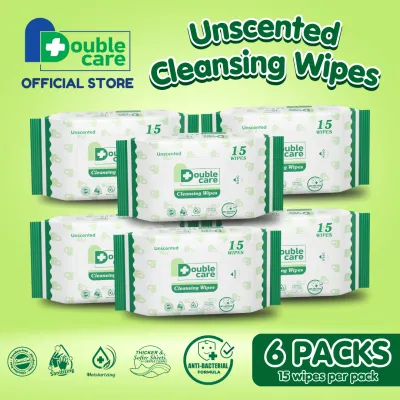
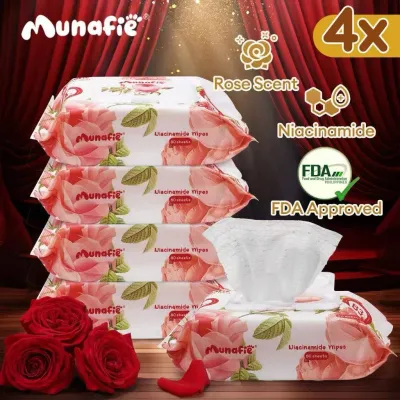
Prices are valid at publication and may change. Please refer to the product page for the latest price.
What Makes a Feminine Wipe Safe for Sensitive Skin?
The natural pH of the female intimate area is typically acidic, generally ranging between 3.5 and 4.5. This acidity is crucial because it supports the growth of beneficial bacteria (lactobacilli) while inhibiting harmful pathogens. Standard body soaps or general-purpose wipes often have a neutral or alkaline pH, which can disrupt this delicate ecosystem. When evaluating feminine wipes, look for products that explicitly state they are pH-balanced to match this natural acidity.
There is a critical distinction between “fragrance-free” and “unscented” labels that consumers must understand. “Fragrance-free” means the product contains no added fragrance chemicals or masking agents. “Unscented,” on the other hand, means the product may contain chemicals specifically designed to neutralize the smell of other ingredients, which can still irritate highly sensitive skin. For the lowest risk of contact allergies, fragrance-free is the safer choice.
Terms like “hypoallergenic” and “dermatologically tested” are frequently used on packaging but require careful verification. “Hypoallergenic” simply means the manufacturer claims the product is less likely to cause allergic reactions, but it is not a legal guarantee. “Dermatologically tested” indicates that the product was evaluated under the supervision of a dermatologist, but it does not disclose the testing parameters or results. Readers should verify these claims by checking the ingredient list themselves rather than relying solely on front-of-pack marketing.
The Ingredient Checklist: What to Avoid and What to Look For
Preservatives are necessary in wet wipes to prevent bacterial and fungal growth, but some are notorious skin sensitizers. Avoid products containing parabens (such as methylparaben or propylparaben), methylisothiazolinone (MIT), and formaldehyde-releasing agents. Additionally, avoid sodium lauryl sulfate (SLS) or sodium laureth sulfate (SLES), which are harsh surfactants that can strip the skin of its natural lipids and cause severe dryness.

Denatured alcohol, isopropyl alcohol, and ethanol are commonly used in some hygiene products for a quick-drying effect, but they are highly dehydrating and can cause micro-tears in sensitive intimate skin. Synthetic fragrances are among the leading causes of contact dermatitis. In the tropical heat of the Philippines, where skin is already prone to friction, the combination of alcohol and fragrance can lead to intense burning sensations.
Ingredients like aloe vera, chamomile, and calendula are often added to soothe irritated skin. While these can provide genuine relief, readers must be aware that “natural” does not automatically mean safe. Botanical extracts contain complex organic compounds that can still trigger allergic reactions in individuals with specific sensitivities. Always perform a patch test on your inner arm before using a new botanically-infused wipe intimately.
Comparing Wipe Bases and Packaging Formats
Water-based wipes typically contain a high percentage of purified water combined with minimal preservatives and humectants. They offer a clean, residue-free feeling that is highly refreshing in hot weather. Lotion-infused wipes contain added emollients to leave a protective barrier on the skin. While beneficial for dry skin, some users find that lotion-infused options leave a sticky residue that feels uncomfortable in humid climates, and the extra ingredients increase the risk of irritation.
Packaging plays a vital role in maintaining the hygiene and moisture of the wipes. Flip-top tubs or rigid plastic closures are excellent for home use because they seal tightly, preventing the wipes from drying out and keeping airborne contaminants out. Soft packs with resealable sticker flaps are highly portable and convenient for travel or daily commutes, but the adhesive can weaken over time, especially when exposed to heat in a handbag, leading to dried-out, unusable wipes.
Many brands market their wipes as “flushable,” but the reality of wastewater infrastructure in the Philippines demands extreme caution. Most local plumbing systems, septic tanks, and municipal sewer lines are not designed to handle fibrous materials that do not disintegrate instantly. Even if a wipe is labeled as biodegradable or flushable, the safest practice is to dispose of all used wipes in a designated sanitary bin to prevent costly plumbing blockages and environmental pollution.
To evaluate the true value of a product without relying on arbitrary price rankings, consumers should calculate the cost per individual wipe. To do this, divide the retail price of the pack (₱) by the total number of wipes inside. For example, a pack costing ₱120 containing 40 wipes has a unit cost of ₱3.00 per wipe. Comparing products using this metric allows you to find a budget-friendly option that does not compromise on ingredient safety.
Decision Framework: Which Wipe Profile Fits Your Routine?
If you have highly reactive skin, a history of eczema, or known allergies to botanical extracts, your best option is a water-based wipe with a minimal ingredient list (ideally fewer than ten ingredients). These products focus purely on gentle cleansing without adding unnecessary botanical oils, vitamins, or conditioning agents that could trigger a flare-up.
If your skin is prone to dryness or chafing, and you have verified that you do not have sensitivities to plant extracts, a lotion-infused wipe containing aloe vera or chamomile can provide a soothing, protective barrier. This profile is particularly useful during menstruation when frequent wiping can cause physical friction and soreness.
If a product contains masking fragrances, undisclosed preservatives, or does not clearly state its pH level, it is best to avoid it entirely. Intimate skin is highly permeable, and using poorly formulated products can lead to persistent discomfort.
If you are pregnant, postpartum, recovering from a gynecological procedure, or managing a specific dermatological condition, your intimate skin is even more vulnerable. In these situations, you must consult your obstetrician or dermatologist before introducing any new feminine wipe into your hygiene routine, as they can provide personalized recommendations based on your medical history.
Safe Usage Limits and When to Stop
To maintain intimate health and prevent the transfer of harmful bacteria, always wipe from front to back. Wiping from back to front can introduce fecal bacteria, such as E. coli, into the vaginal area, significantly increasing the risk of urinary tract infections (UTIs) and bacterial vaginosis. Use gentle, patting motions rather than harsh rubbing to minimize physical friction.
Feminine wipes are designed for occasional convenience, not as a permanent replacement for regular washing. Overusing wipes—such as using them multiple times a day every day—can strip away the natural moisture barrier and disrupt the beneficial microbiome. Limit their use to specific situations, such as after a workout, during travel, or when access to clean running water is unavailable.
Monitor your body closely for any signs of irritation. If you experience itching, burning, redness, swelling, or an unusual discharge after using a feminine wipe, discontinue use immediately. Wash the area gently with clean, lukewarm water and avoid applying any other topical products. If the symptoms persist for more than a few days or worsen, seek professional medical advice promptly.
Frequently Asked Questions (FAQ)
Can I use regular baby wipes instead of feminine wipes?
While baby wipes are formulated for sensitive skin, they are designed with a different pH target in mind. A baby’s skin typically has a pH of around 5.5, whereas the adult intimate area requires a more acidic environment (pH 3.5 to 4.5). Additionally, baby wipes may contain different preservatives or moisturizing agents that are safe for outer skin but can disrupt the delicate vaginal flora. While a fragrance-free baby wipe can serve as a safe temporary substitute in an emergency, it is not recommended for long-term daily intimate care.
Are flushable wipes really safe for plumbing systems?
In the Philippines, the short answer is no. Even if a product passes international flushability standards, local plumbing systems and septic tanks are highly susceptible to clogging. Unlike toilet paper, which breaks down almost instantly when wet, the synthetic or tightly bound natural fibers in wipes take a long time to degrade. Flushing them can lead to severe blockages in your home’s pipes or contribute to fatbergs in municipal sewer systems. Always dispose of wipes in a trash bin.
How often is it safe to use feminine wipes in a day?
For most women, using a feminine wipe once or twice a day during specific situations—such as during your menstrual cycle, after a workout, or during long travel days—is perfectly safe. However, using them multiple times a day on a regular basis can lead to over-cleansing, dryness, and irritation. Whenever possible, prioritize washing with clean water and a gentle, pH-balanced liquid cleanser over using a disposable wipe.

Community discussion
Share your experience or ask a question. Comments are reviewed before publication.