
Quick Answer: How to Choose Between Enfagrow NuraPro Four, Nido, and NAN
Choosing the ideal Stage 4 formula for your toddler depends entirely on their unique nutritional gaps, digestive tolerance, and taste preferences. Because every child’s diet is different, there is no single brand that is universally superior without a pediatrician’s assessment of your child’s overall solid food intake.
To make an informed decision, look closely at the product packaging to compare primary distinguishing factors. Focus on the specific nutrient priorities (such as brain-support or immune-support ingredients), the presence of added sugars, and the type of dairy base used. This guide will teach you how to read these labels, calculate the actual cost per serving in ₱, and observe your child’s physical reactions to find the right match.
Understanding the Role of Stage 4 Formulas for Toddlers
Stage 4 formulas, commonly known as growing-up milks, are formulated for toddlers aged three years and older. At this stage of development, your child is transitioning to a wider variety of solid foods, which should now serve as their primary source of daily nutrition.
Products mentioned in this guide
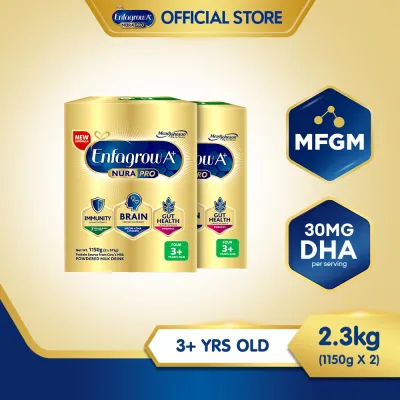
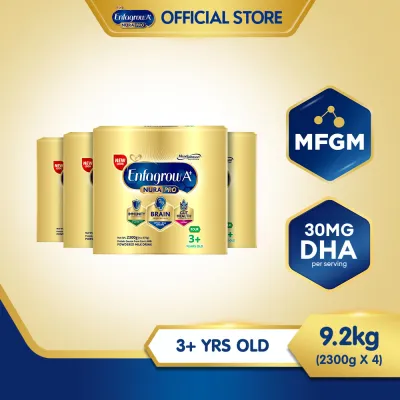
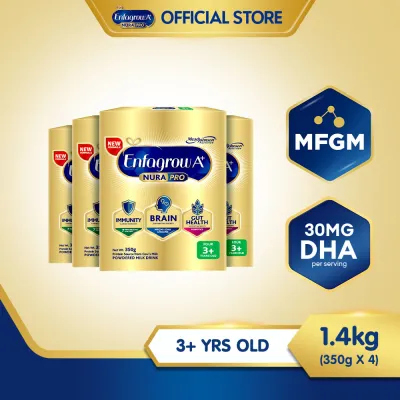
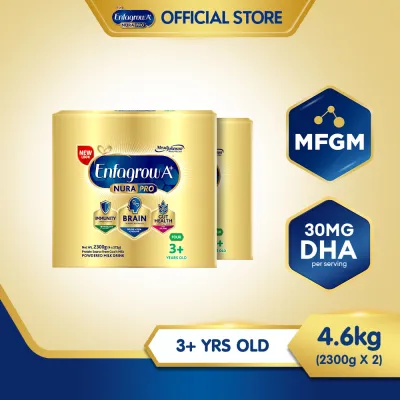

Prices are valid at publication and may change. Please refer to the product page for the latest price.

Rather than replacing balanced meals, Stage 4 formulas function as a nutritional safety net. They help fill in dietary gaps for picky eaters who may not get enough vitamins and minerals from solid foods alone. In tropical climates like the Philippines, where active toddlers lose fluids quickly through play, milk also contributes to daily hydration.
However, relying too heavily on milk can fill up a toddler’s small stomach, reducing their appetite for solid foods. Always consult your pediatrician before introducing or switching formulas to ensure your child’s overall diet remains balanced and healthy.
How to Compare Nutrition Labels Across the Three Brands
The most reliable way to compare Enfagrow NuraPro Four, Nido, and NAN is to examine the Nutrition Facts panel on the packaging. This label provides an objective breakdown of the ingredients and nutrients your child will consume.
Start by checking the serving size and preparation instructions. Different brands use different scoop sizes and water ratios, meaning a single serving of one brand might require more powder than another. To make an accurate comparison, evaluate the nutrients based on the prepared volume (such as per 100ml of prepared milk) rather than just the dry powder weight.
Additionally, scan the label for allergen warnings and the specific dairy base. Some formulas utilize whole milk powder, while others use skimmed milk, whey protein concentrates, or lactose-reduced bases, which can affect how easily your child digests the drink.
Evaluating Macronutrients and Caloric Density
Macronutrients—proteins, fats, and carbohydrates—provide the daily energy your growing toddler needs. When comparing these three brands, look at the total calories and the balance of macronutrients per prepared serving.
Active, highly energetic toddlers who eat well might thrive on a standard caloric density, while children with a smaller appetite may benefit from a formula that offers a different balance of proteins and healthy fats. Match these values to your child’s daily physical activity and solid food consumption to support steady growth without overfeeding.
Checking Added Sugars and Flavorings
Many growing-up milks contain added sugars to appeal to a toddler’s natural preference for sweet tastes. When reviewing the ingredient list, look out for terms such as sucrose, corn syrup solids, maltodextrin, or glucose syrup.
Opting for formulas with lower added sugars or those that rely solely on lactose (the natural sugar found in milk) supports long-term dental health and helps establish healthy eating habits. Highly flavored or heavily sweetened variants can make a toddler reject plain water and savory solid foods, leading to picky eating habits that are difficult to break.
Identifying Key Micronutrients for Growth
Stage 4 formulas are fortified with micronutrients to target common nutritional gaps in early childhood. Key nutrients to look for include Iron, Calcium, Vitamin D, and Docosahexaenoic Acid (DHA).
Locate these micronutrients on the label and compare their percentages relative to the daily recommended intake for toddlers. If your child’s daily diet already includes plenty of iron-rich foods like beef or leafy greens, you may not need a highly fortified iron formula; conversely, if they avoid fish, a formula with a higher DHA content might be a priority.
Evaluating Your Toddler's Digestive Tolerance and Taste Preference
Even the most nutritionally complete formula is of no use if your toddler refuses to drink it or experiences digestive discomfort. Every child’s digestive system is unique, and how they react to a specific brand is a critical factor in your decision.
Monitor your child closely after introducing a new formula. Signs of good digestive tolerance include regular, soft stools, a comfortable abdomen, and normal energy levels. Conversely, watch out for mild digestive upset, which can manifest as hard stools, constipation, watery diarrhea, excessive gas, bloating, or unusual fussiness after feeding.
Taste rejection is another common hurdle. Toddlers are highly sensitive to changes in flavor and texture. If your child rejects a new brand, avoid forcing them to drink it, as this can create negative associations with mealtime. Instead, try a gradual transition by mixing decreasing amounts of their familiar milk with increasing amounts of the new formula over several days, allowing their palate to adjust.
Be highly vigilant for signs of allergic reactions, such as skin rashes, hives, swelling of the lips or face, vomiting, or breathing difficulties. If you observe any of these symptoms, stop using the formula immediately, do not attempt to switch to another brand on your own, and consult a qualified medical professional right away.
Calculating Cost per Serving and Finding Reliable Retailers
Feeding a growing toddler is a long-term financial commitment, making it essential to evaluate the ongoing cost of each formula option. Comparing only the retail price of a tin or box can be misleading, as packaging sizes and serving yields vary significantly.
To calculate the true cost per serving, use this simple formula: divide the total retail price of the package by the number of servings it yields. You can find the estimated number of servings on the Nutrition Facts label. For example, if a tin costs ₱1,200 and provides 30 servings, the cost per serving is ₱40. Compare this ₱ value across Enfagrow NuraPro Four, Nido, and NAN to understand the real impact on your monthly household budget.
Where you buy your toddler’s milk is just as important as which brand you choose. To guarantee product authenticity and safety, purchase formulas only from authorized physical supermarkets, established pharmacies, official brand websites, or verified flagship stores on major online marketplaces. Avoid buying from unverified third-party sellers, as counterfeit or improperly stored milk powder poses severe health risks to your child.
If your toddler successfully tolerates and enjoys a specific brand, look for legitimate bulk purchase options, bundle deals, or subscription programs offered by official retailers. These options often provide significant savings and ensure you always have a fresh supply on hand without relying on last-minute store trips.
Decision Framework: Which Formula Fits Your Toddler's Needs?
To help you finalize your choice, use this practical, condition-based decision framework to match a formula to your toddler’s specific profile.
- Choose Enfagrow NuraPro Four if:
- Your primary goal is to support cognitive development and your toddler's diet lacks natural sources of omega-3 fatty acids like fish.
- Your pediatrician recommends a formula with a strong focus on brain-support nutrients and specific prebiotic blends.
- Choose Nido if:
- You are looking for a highly accessible, family-budget-friendly option that focuses on overall growth, immune support, and everyday physical development.
- Your toddler prefers a classic, creamy milk taste and has no history of digestive sensitivity to standard dairy bases.
- Choose NAN if:
- Your toddler has a sensitive stomach and requires a formula designed for easy digestion, featuring optimized protein blends or specific active cultures.
- You prefer a brand with a reputation for advanced nutritional science and a lower profile of added sugars.
- Verify first if:
- Your child has a diagnosed cow's milk protein allergy, lactose intolerance, or any chronic digestive condition. In these cases, standard Stage 4 formulas are not suitable, and you must use a specialized, therapeutic formula prescribed directly by your pediatrician.
Ultimately, the best formula is the one that your child drinks willingly, digests comfortably, and fits sustainably within your family’s budget, all under the guidance of your trusted healthcare provider.
Frequently Asked Questions (FAQ)
Can I mix two different Stage 4 formula brands in one bottle?
Mixing two different formula brands in a single bottle is generally discouraged. Each brand is formulated with a precise balance of nutrients, specific osmolality, and unique preparation instructions regarding powder-to-water ratios. Combining them can alter this delicate balance, potentially leading to digestive strain, constipation, or improper nutrient absorption. If you are transitioning your toddler from one brand to another, it is safer to prepare them in separate cups and gradually replace one full feed at a time over several days.
How long can a prepared Stage 4 formula sit out before it spoils?
Once a Stage 4 formula is prepared, it should be consumed immediately. In the warm and humid climate of the Philippines, bacteria can multiply rapidly in prepared milk. As a general food safety rule, any prepared milk that has been sipped from must be discarded within one hour, as bacteria from your toddler’s saliva can contaminate the liquid. If the milk is prepared but untouched, it can typically sit at room temperature for up to two hours before it must be discarded. Always check the specific storage, refrigeration, and disposal instructions printed on your product’s packaging, as guidelines can vary by manufacturer.
Community discussion
Share your experience or ask a question. Comments are reviewed before publication.