
Quick Answer: Finding the Right Dry Wipes for Sensitive Skin
In the tropical climate of the Philippines, high humidity and heat can make sensitive skin highly prone to diaper rash, sweat irritation, and contact dermatitis. Choosing the right dry wipes depends on identifying your baby’s or your own specific skin triggers—whether the skin reacts to physical friction or chemical ingredients.
The ideal dry wipe should feature a 100% plant-based or pure cotton composition, contain zero added lotions, preservatives, or fragrances, and offer sufficient thickness to prevent tearing. Rather than relying on generic marketing claims, consumers should carefully inspect manufacturer labels for verified dermatological testing and material certifications to ensure safety.
What to Look for on Dry Wipe Packaging
When browsing local baby boutiques or online marketplaces, the packaging is your first line of defense. Understanding how to read these labels ensures you do not accidentally purchase a product that could trigger a flare-up.
Products mentioned in this guide
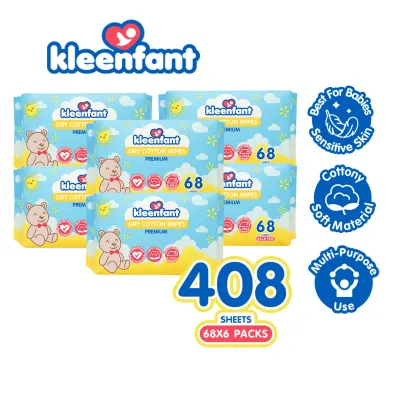

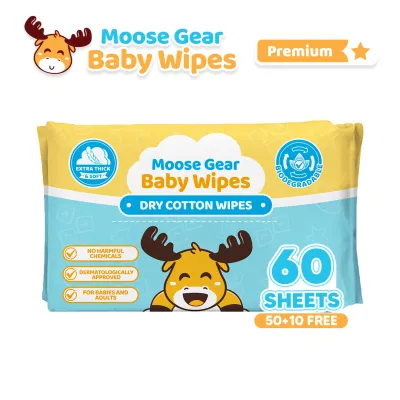
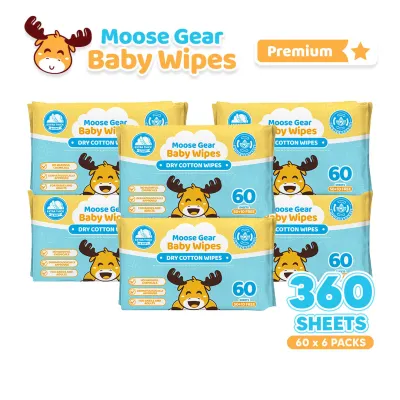
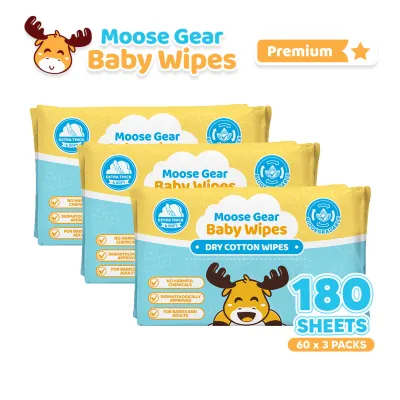
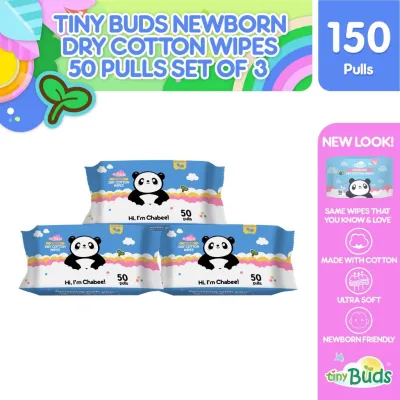
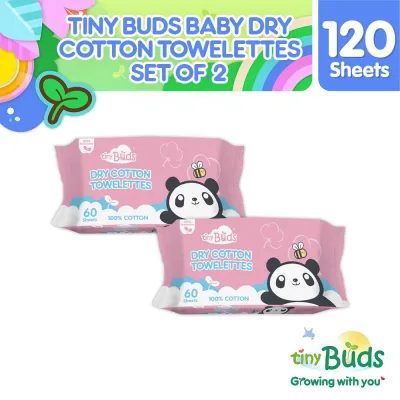
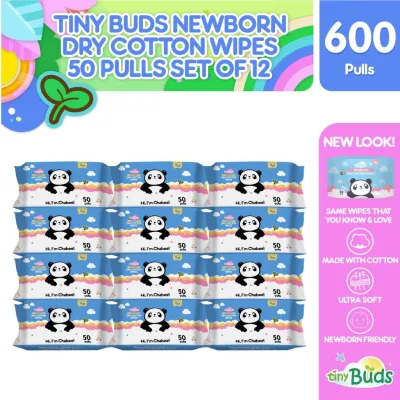
Prices are valid at publication and may change. Please refer to the product page for the latest price.

First, examine the material composition. Look for labels that explicitly state “100% Cotton” or “100% Bamboo/Plant-Based.” Avoid products that list polyester, rayon, or generic “synthetic blends,” as these plastic-derived fibers can trap heat and cause micro-scratches on delicate skin. Pure natural fibers are inherently more breathable and softer, making them ideal for tropical climates where sweat can easily irritate the skin.
Second, scrutinize the “free-from” claims. Because dry wipes do not contain water, they naturally do not require the heavy preservatives or parabens found in wet wipes. However, some brands add dry lotions, botanical extracts, or synthetic fragrances to the dry sheets. Verify that the ingredient list is completely blank or contains only the raw fiber. Fragrances and essential oils are common contact allergens that can compromise a sensitive skin barrier.
Third, look for legitimate certifications. Phrases like “hypoallergenic” and “dermatologist-tested” are often used loosely as marketing buzzwords. Look for specific testing standards, such as OEKO-TEX Standard 100 certification, which verifies that the textile is free from harmful levels of toxic chemicals and processing residues.
Another critical aspect is the bleaching process used during manufacturing. Many conventional wipes undergo chlorine bleaching, which can leave behind trace chemical residues. For sensitive skin, look for packaging that specifies “chlorine-free” or “unbleached” materials. Unbleached wipes may have a slightly off-white or beige tint, but they eliminate the risk of chemical residue from the whitening process.
Finally, check the manufacturing standards and packaging integrity. Ensure the packaging has a resealable zip lock or a sturdy plastic lid to protect the dry sheets from the high humidity and airborne dust common in tropical households. A secure seal prevents environmental moisture from entering the pack, which could otherwise encourage mold growth before the wipes are even used.
Comparing Material and Texture Options
The physical feel of a dry wipe directly impacts how it interacts with a compromised skin barrier. Different materials and textures serve distinct purposes, and choosing the wrong one can lead to unnecessary friction.
Smooth wipes are highly recommended for newborn skin, facial wiping, or highly reactive skin conditions. The flat, uniform surface minimizes friction, allowing you to gently pat or wipe the skin without causing micro-tears or redness. If you are dealing with active eczema or a severe diaper rash, a smooth cotton wipe is the gentlest option available.
Textured wipes, often featuring a pearl or embossed pattern, are designed for cleaning heavier messes. The raised patterns provide extra grip, lifting residue away from the skin with fewer passes. However, these should be used with minimal pressure to avoid mechanical irritation. If your baby has sensitive skin but you need to clean up solid messes, a textured plant-based wipe can be highly efficient as long as you do not scrub.
Thickness and durability are critical factors when comparing options. Thicker, high-gsm (grams per square meter) wipes act as a reliable barrier between your hand and the mess, reducing the number of sheets needed per change. In the long run, investing in thicker wipes can be more cost-effective, even if the initial price per pack is higher, as you will use fewer sheets overall.
Absorbency determines how well the dry wipe performs when wetted. Pure cotton fibers excel at holding water or saline solutions without dripping excessively, whereas low-quality synthetic blends may feel slippery and fail to absorb moisture effectively, leading to tearing during use. A high-quality dry wipe should retain its structural integrity even when fully saturated with warm water.
Linting is another factor that is often overlooked. Low-quality dry wipes can shed tiny fibers when wet or rubbed against the skin. These loose fibers can cling to skin folds, sweat rashes, or open wounds, causing persistent itching and mechanical irritation. High-quality cotton or bamboo wipes are designed with long-staple fibers that resist shedding, ensuring a clean wipe without leaving any irritating residue behind.
How to Safely Introduce a New Dry Wipe Brand
Even when a product is labeled as natural or pure, introducing a new brand to sensitive skin requires a cautious approach. Manufacturing processes vary, and trace residues can sometimes trigger unexpected reactions.
Perform a localized patch test before using any new dry wipe brand for full-body cleaning or diaper changes. Wet a single wipe with clean, cooled boiled water and gently pat a small area of the inner forearm or thigh. This area is sensitive enough to show a reaction without exposing the entire body to potential irritation.
Observe the tested area over a 24-hour period. Look closely for delayed reactions such as localized redness, tiny bumps, dryness, or signs of itching. Because some chemical sensitivities take time to manifest, a quick glance immediately after wiping is not sufficient to guarantee safety.
If you notice any adverse reaction, stop using the brand immediately. The irritation could stem from trace chemical residues left over from the manufacturing or bleaching process, even if the raw material itself is natural. Keep the remaining wipes for non-skin household cleaning tasks to avoid waste.
Keep a simple log of the brands you try, noting the material type and any observations. Since sensitive skin can react differently depending on the season—such as during the hot, dry months versus the rainy season—tracking these reactions helps you identify patterns. A brand that works well in cooler weather might cause friction issues when the skin is already irritated by sweat.
If irritation, persistent redness, or skin peeling occurs and does not resolve within a few days, consult a pediatrician or a dermatologist. Do not attempt to self-treat severe skin barrier damage with over-the-counter creams without professional guidance, as some creams may contain ingredients that further irritate the skin.
Decision Framework: Choosing the Right Wipe for Your Routine
To simplify your selection process, use this conditional framework to match your daily caregiving scenarios with the correct dry wipe profile.
- For Highly Reactive or Friction-Prone Skin: Opt for 100% cotton smooth wipes. Cotton fibers are exceptionally soft and non-abrasive, making them the safest choice for skin that easily turns red or suffers from active eczema.
- For Heavy Messes and Active Toddlers: Select 100% bamboo or plant-based textured wipes. The natural tensile strength of bamboo fibers combined with an embossed texture allows you to clean thoroughly without the wipe stretching out of shape or tearing.
- For Wet-Use Preferences: Choose thicker, multi-layered dry wipes. These sheets can absorb a significant amount of warm water or saline, mimicking a premium wet wipe without any of the chemical preservatives.
- For Known Allergies: Always verify if the user has specific botanical or plant allergies. While bamboo is generally hypoallergenic, individuals with rare sensitivities to specific plant proteins should stick to medical-grade pure cotton.
When budgeting for your routine, consider that high-quality dry wipes in the local market typically range from ₱1.50 to ₱4.00 per sheet. Balancing the cost against the thickness and material quality will help you find a sustainable option for daily use.
Frequently Asked Questions (FAQ)
Can I use dry wipes with tap water for sensitive skin?
Using tap water to wet dry wipes is a common practice, but it requires caution if the user has highly sensitive skin. Tap water quality can vary significantly across different regions, sometimes containing high levels of minerals, chlorine, or trace impurities that can irritate a compromised skin barrier.
For newborns, infants, or individuals with active skin flare-ups, it is safer to wet the dry wipes with cooled boiled water or sterile saline solution. This minimizes the risk of introducing external irritants to vulnerable skin.
Additionally, because dry wipes do not contain preservatives, any wipe you wet must be used immediately. Never wet a batch of dry wipes in advance and store them in a container, as standing water will rapidly promote bacterial and mold growth within hours in a warm, humid environment.
Are flushable dry wipes safe for sensitive skin?
Flushable dry wipes are engineered to break down rapidly when exposed to water, which inherently changes their physical properties. To achieve this dispersibility, flushable wipes are typically much thinner and have weaker fiber bonds than standard dry wipes.
This lack of durability means flushable wipes are more prone to tearing and piling during use. The thinner material often requires you to use more pressure and make multiple passes over the skin, which increases friction and can worsen skin irritation.
Furthermore, regardless of skin safety claims, you should always verify local plumbing guidelines and septic system capacities. Many home drainage systems cannot handle flushable wipes efficiently, leading to costly blockages. For sensitive skin care, non-flushable, high-durability dry wipes disposed of in a waste bin remain the safer and more effective choice.

Community discussion
Share your experience or ask a question. Comments are reviewed before publication.