
Quick Answer: Evaluating Dry Wipes for Delicate Skin
Dry wipes have become a staple for caregivers seeking to minimize chemical exposure on delicate skin. Unlike traditional wet wipes, dry wipes contain no pre-added lotions, preservatives, or cleansing agents. This lack of chemical additives significantly reduces the risk of contact dermatitis and irritation.
When comparing brands, the primary differentiators are material source transparency and physical texture. Because clinical testing data is not universally available for every product on the market, caregivers must rely on verifiable label claims, observable material quality, and the baby’s individual skin response to make an informed choice.
Core Dimensions for Comparing Dry Wipe Brands
To choose the right dry wipe, you need to look beyond the packaging and evaluate the physical properties of the sheet.
Products mentioned in this guide
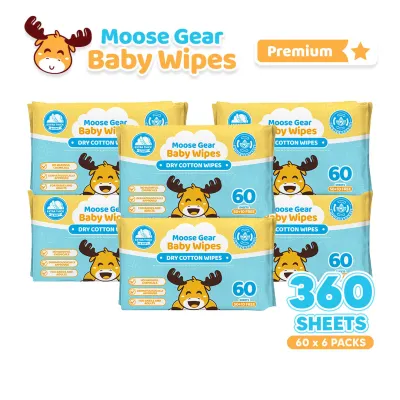
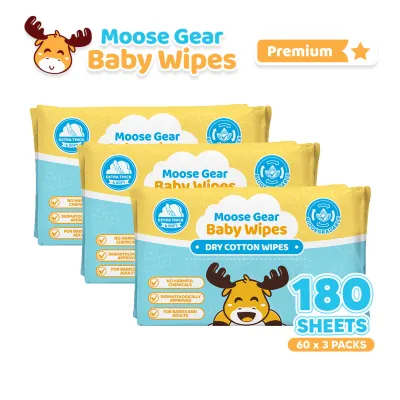
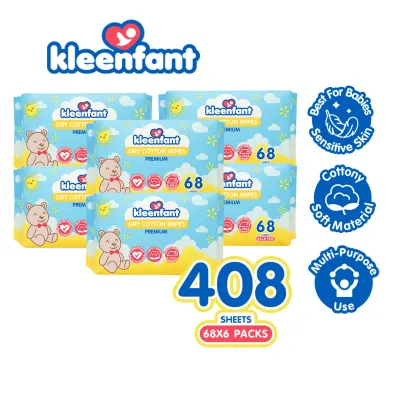
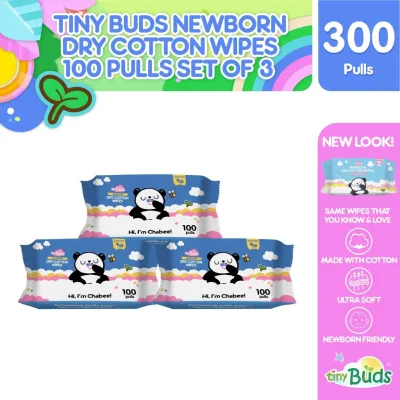

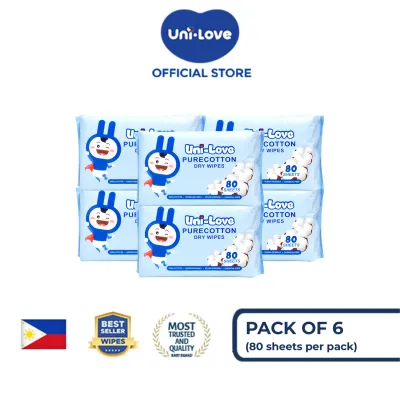
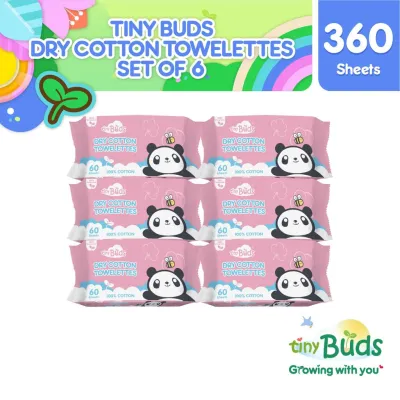
Prices are valid at publication and may change. Please refer to the product page for the latest price.

Material Composition and Fiber Source
Dry wipes are generally made from either natural plant-based fibers, synthetic materials, or a blend of both. Natural plant fibers, such as 100% cotton or high-quality viscose derived from wood pulp, offer excellent softness and biodegradability. Synthetic fibers like polyester are highly durable and cost-effective but can feel rougher on sensitive skin and lack the natural absorbency of plant-based alternatives.
When comparing brands, look for clear label transparency that explicitly states the percentage of each fiber used. A tactile inspection of the dry wipe can also help you assess its softness before use.
Texture, Thickness, and Weave Patterns
The physical structure of a dry wipe determines how it interacts with your baby’s skin. Flat-weave wipes are smooth and minimize mechanical friction, making them ideal for wiping highly sensitive areas or applying topical creams. Embossed wipes, which feature raised patterns or pearls, provide extra traction to lift stubborn messes during diaper changes.
Thickness, often measured in grams per square meter (GSM), directly impacts absorption capacity. A thicker wipe prevents liquids from soaking through to your hands, reducing the number of sheets required per change.
Sizing, Tensile Strength, and Durability
A dry wipe must maintain its structural integrity when wet. High-quality brands design wipes with cross-laid fibers that resist tearing when pulled in different directions. Sheet dimensions are equally important; a larger wipe provides more surface area, allowing you to fold the sheet multiple times to maximize usage.
If a wipe tears easily during a routine diaper change, it increases the risk of contamination and leads to higher overall consumption, which can quickly inflate your monthly baby care expenses.
How to Verify Safety and Hypoallergenic Claims on Labels
Marketing claims on baby products can be confusing, making independent verification essential for safety.
Deciphering Certifications and Marketing Buzzwords
Terms like “hypoallergenic,” “dermatologist-tested,” or “ultra-gentle” are frequently used as marketing buzzwords and are not always strictly regulated. To verify these claims, look for recognized, independent certifications on the packaging.
Marks from established dermatological institutes or textile safety standards (such as OEKO-TEX Standard 100) indicate that the product has undergone rigorous testing for harmful substances. If a brand claims to be certified, they should display the corresponding logo clearly on the outer packaging.
Reading the "Free-From" List
Even though dry wipes are dry, some manufacturers treat the fibers with chemical binders, optical brighteners, or synthetic fragrances during production. Carefully inspect the packaging for an explicit “free-from” list.
Ensure the product is free from added fragrances, alcohol, parabens, and fluorescent brightening agents. These chemicals can leave residues on the skin that trigger allergic reactions, especially when the wipe is moistened with water and applied to compromised skin barriers.
Traceability and Authenticity Checks
Reputable manufacturers prioritize transparency by providing clear traceability features on their packaging. Look for a visible batch number, manufacturing date, and official contact information.
Many modern brands include a secure QR code that links directly to their quality control certificates or batch testing results. If a package lacks basic manufacturer details or contact information, it is best to avoid using it on sensitive baby skin, as verifying its production standards becomes impossible.
Condition-Based Selection Guide: Matching Wipes to Skin Needs
Every baby’s skin is unique, and the ideal dry wipe depends on specific daily scenarios and skin conditions.
Ultra-Soft, Untextured Wipes for Newborns and Sensitive Skin
Newborn skin is exceptionally thin and has an underdeveloped protective barrier, making it highly susceptible to friction. If your baby is dealing with severe eczema, diaper rash, or extreme skin sensitivity, opt for ultra-soft, untextured, 100% plant-fiber wipes.
These flat-weave sheets glide smoothly over irritated skin without catching on dry patches or causing micro-tears. Pairing these gentle wipes with pure, warm water ensures a chemical-free clean that supports natural skin healing.
Thicker, Embossed Wipes for Heavy Messes
As babies transition to solid foods, diaper changes become more challenging and require a wipe with high cleaning efficiency. For these situations, thicker, lightly embossed dry wipes are a practical choice.
The raised texture helps grab and lift solid waste quickly, reducing the number of wipes needed and minimizing the amount of rubbing required. Look for a high-GSM plant-fiber blend that offers both the strength of an embossed pattern and the softness required for delicate skin.
Customizing with Cleansing Solutions
One of the greatest advantages of dry wipes is their versatility. You can use them dry to pat skin dry after a bath, or moisten them with water for cleansing.
Before introducing a new brand, verify if your baby has any known fiber allergies, particularly to specific plant-derived materials. If you plan to moisten the wipes with a separate, pediatrician-approved cleansing solution or baby oil, ensure the wipe’s material is compatible and will not degrade or react chemically with the solution.
Best Practices for Using Dry Wipes Safely
Using dry wipes correctly is just as important as choosing the right brand to prevent skin irritation.
Safe Moistening Techniques
To use a dry wipe wet, moisten it with clean, warm water or a sterile saline solution just before use. Avoid pre-soaking a large batch of dry wipes in a container for extended periods.
Because dry wipes do not contain chemical preservatives, keeping them wet in a closed container creates a prime breeding ground for bacteria and mold, especially in warm climates. For on-the-go convenience, carry a small spray bottle of clean water to moisten individual wipes as needed.
Gentle Wiping Motions and Pressure Control
When cleaning your baby’s diaper area or face, use a gentle patting or sweeping motion rather than aggressive rubbing. Excessive friction can compromise the skin’s outer layer, leading to redness and increased sensitivity.
Let the moisture on the wipe do the work of loosening dried-on messes. Always wipe from front to back, especially for baby girls, to prevent the spread of bacteria and minimize the risk of urinary tract infections.
Monitoring Skin Reactions and Knowing When to Stop
Even the most natural dry wipe can occasionally cause an adverse reaction if a baby has an individual sensitivity to a specific fiber. Regularly inspect your baby’s skin for observable signs of irritation, such as persistent redness, dryness, flaking, or localized bumps.
If you notice any of these signs after switching to a new brand of dry wipes, stop using them immediately. Revert to using plain water with a clean, soft cotton cloth, and consult a pediatrician if the irritation does not subside within a few days.
Frequently Asked Questions (FAQ)
Can I use regular facial tissues instead of branded dry wipes for baby care?
Regular facial tissues are not a suitable substitute for dry wipes in baby care. Tissues lack the wet strength and tear resistance required for diaper changes; they quickly disintegrate and leave paper residue on the skin when moistened. Additionally, standard facial tissues often contain hidden lotions, synthetic fragrances, or chemical binders designed to make them feel soft to the touch, which can easily irritate a baby’s sensitive skin barrier.
How should I store dry wipes to prevent contamination in a humid climate?
In tropical environments like the Philippines, high humidity can encourage the growth of mold and bacteria on organic fibers. To prevent contamination, store your dry wipes in airtight containers or ensure the original resealable packaging is tightly closed after every use. Keep your wipe stash in a cool, dry place away from direct sunlight and high-humidity zones, such as directly next to the baby’s bath station or sink, to maintain their hygienic quality.
Community discussion
Share your experience or ask a question. Comments are reviewed before publication.