
Choosing the right baby wipe for sensitive skin in the Philippines requires looking beyond marketing claims and verifying actual ingredient lists, material textures, and moisture levels. Because formulations and manufacturing batches can change, determining whether DreamRS or a competing brand is the gentlest option depends on cross-checking their current labels against established safety criteria. The tropical climate and high humidity in the Philippines can exacerbate skin friction and diaper rash, making it even more critical to select a wipe that supports the skin’s natural barrier. By establishing a structured evaluation process, you can confidently choose a product that keeps your baby comfortable and irritation-free.
To make an informed decision, caregivers must understand what goes into these products and how they interact with delicate skin. This guide provides a practical framework to help you evaluate DreamRS wipes alongside other options available in local stores and online marketplaces, ensuring you make a condition-based decision tailored to your baby’s unique skin care routine.
Key Factors for Sensitive Skin Baby Wipes
When shopping for baby wipes, the ingredient list on the back of the packaging is your most reliable tool. For babies with sensitive skin, certain common additives can trigger contact dermatitis or worsen existing diaper rash. Caregivers should actively scan labels to avoid drying alcohols, such as isopropyl alcohol, which strip the skin of its natural oils. Additionally, harsh preservatives like methylisothiazolinone (MIT) and formaldehyde releasers should be avoided, as they are known sensitizers. Synthetic fragrances and artificial colorants are also frequent culprits behind allergic reactions and should be bypassed in favor of truly fragrance-free formulations.
Products mentioned in this guide
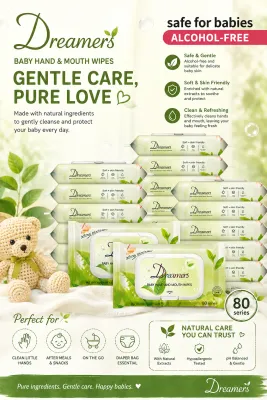
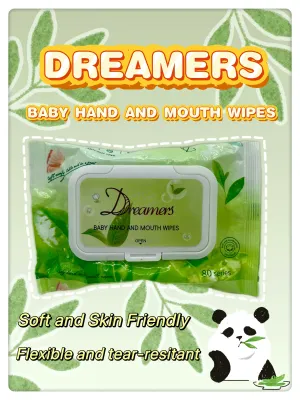
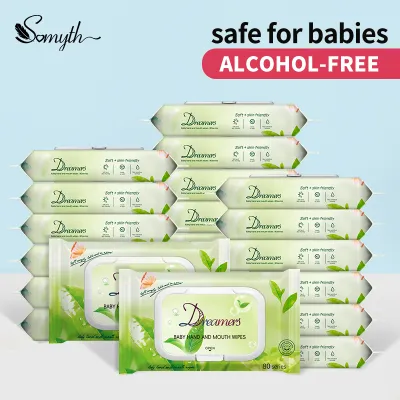
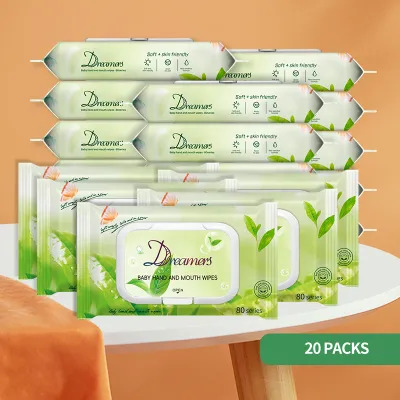
Prices are valid at publication and may change. Please refer to the product page for the latest price.
The physical material and texture of the wipe play an equally important role in skin health. Wipes made from plant-based fibers, such as spunlace non-woven fabric, cotton, or bamboo, are generally softer and more biodegradable than those with high polyester content. Polyester fibers can feel rough against compromised skin and may cause micro-scratches during wiping. Furthermore, the thickness of the sheet—often measured in grams per square meter (GSM)—determines how well the wipe cushions the skin. A thicker, embossed wipe can trap and lift messes with minimal passes, reducing the friction required to clean the diaper area.
Moisture levels and pH balance are the final critical indicators of a safe wipe. Healthy baby skin has a slightly acidic pH, typically between 5.5 and 6.0, which helps maintain the skin barrier and protect against harmful bacteria. Wipes formulated to match this natural pH help prevent irritation, especially when skin is exposed to acidic urine and stool. When evaluating packaging, look for explicit mentions of pH-balanced formulas and high water content, but remember to verify what constitutes the remaining percentage of the solution to ensure no hidden irritants are present.
How to Evaluate DreamRS Wipes for Your Baby
To determine if DreamRS wipes are suitable for your baby’s sensitive skin, start by conducting a thorough inspection of the product packaging. Locate the full ingredient list and verify if the brand specifies its water purification process, such as Reverse Osmosis (RO) or Electrodeionization (EDI). High-purity water minimizes the risk of microbial contamination without requiring heavy chemical preservatives. Check for the presence of soothing botanical extracts, such as aloe vera, chamomile, or calendula, which can help calm minor irritation. However, keep in mind that even natural botanical ingredients can occasionally cause reactions in highly sensitive infants, making a cautious approach necessary.

Next, open a fresh pack of DreamRS wipes to assess their physical characteristics firsthand. Pull a single sheet from the center of the pack and feel its texture between your fingers to ensure it is sufficiently soft and free of abrasive fibers. Stretch the wipe gently to observe its durability; a high-quality wipe should stretch slightly without tearing immediately, which prevents messy cleanups. Pay close attention to the moisture distribution. The wipe should feel damp and cool to the touch but not dripping wet, as excess liquid left on the skin can trap moisture in diaper folds and lead to fungal infections under tropical conditions.
Before using any new brand of wipes across the entire body, always perform a localized patch test. Select a small, clear area of your baby’s skin, such as the inner forearm or the upper thigh, and gently swipe it with a fresh DreamRS wipe. Monitor this specific area closely over the next 24 to 48 hours for any signs of a delayed reaction, including redness, swelling, tiny bumps, or dry patches. If the skin remains clear and calm, you can gradually introduce the wipes into your daily diapering and cleaning routine, keeping a close eye on how the skin behaves over the first week of regular use.
Comparing DreamRS Against Competing Brands
To find the best option among the many brands available in the Philippines, it helps to organize your findings into a structured comparison. By comparing observable specifications rather than relying on brand popularity, you can identify which product offers the safest formulation and the best value for your household budget. Use the template below to compare DreamRS with other local or imported brands you are considering:
| Comparison Dimension | DreamRS Wipes | Competitor Brand A | Competitor Brand B |
|---|---|---|---|
| Stated Water % | Verify on label | Verify on label | Verify on label |
| Fragrance Status | Fragrance-Free / Scented | Fragrance-Free / Scented | Fragrance-Free / Scented |
| Primary Material | e.g., Spunlace, Cotton | e.g., Spunlace, Cotton | e.g., Spunlace, Cotton |
| Preservative Type | Check ingredient list | Check ingredient list | Check ingredient list |
| Sheet Dimensions | e.g., 15 x 20 cm | e.g., 15 x 20 cm | e.g., 15 x 20 cm |
| Lid Design | Flip-top / Sticker | Flip-top / Sticker | Flip-top / Sticker |
Calculating the practical value of each brand requires looking at the price per wipe rather than the total pack price. To do this, divide the retail price (₱) by the total number of sheets in the package. Keep in mind that sheet dimensions and thickness directly impact how many wipes you use per diaper change. A slightly more expensive pack of thick, large wipes may turn out to be more economical in the long run if you only need one sheet per change, whereas thin, flimsy wipes often require using three or four sheets at a time to keep your hands clean.
Packaging design is another practical factor that directly affects both hygiene and product longevity. In the warm, humid climate of the Philippines, simple adhesive sticker flaps can quickly lose their stickiness due to dust, humidity, and repeated opening. Once the seal fails, the wipes can dry out rapidly, rendering them useless and prone to bacterial growth. Rigid plastic flip-top lids provide a much more reliable seal, locking in moisture and keeping the wipes hygienic from the first sheet to the last. When comparing brands, prioritize those that feature sturdy, easy-to-open flip-top lids to prevent waste.
When to Discontinue Use and Adjust Your Routine
Even when using wipes formulated for sensitive skin, individual sensitivities can still occur. Caregivers must remain vigilant and monitor the baby’s skin during and after every diaper change. If you notice immediate or gradual signs of skin irritation—such as persistent redness, dry peeling skin, raised red bumps, or if your baby cries or flinches during wiping—discontinue using the current brand of wipes immediately. These symptoms indicate that the formulation or the physical friction of the wipe is compromising the skin barrier.
During active skin flare-ups, diaper rash episodes, or periods of extreme heat, it is often best to suspend the use of all commercial wet wipes entirely. Instead, transition to a low-friction, water-only cleaning method. Use soft, dry cotton balls or clean, reusable cotton cloths dipped in lukewarm water to gently cleanse the diaper area. Avoid rubbing or scrubbing the skin; instead, use a gentle patting motion to lift away residue. Allow the skin to air-dry completely, or gently pat it dry with a clean towel, before applying a thick layer of a zinc oxide-based barrier cream to protect the skin from moisture.
While mild diaper redness can often be managed at home by adjusting your cleaning routine, certain symptoms require professional medical evaluation. If the skin irritation does not show signs of improvement within 48 to 72 hours of switching to water-only cleaning, or if the rash spreads beyond the diaper area, consult a pediatrician or a pediatric dermatologist. You should also seek immediate medical attention if you observe signs of infection, such as pus-filled blisters, bleeding, oozing, extreme tenderness, or if your baby develops a fever. A qualified professional can help identify the underlying cause and prescribe appropriate treatment.
Frequently Asked Questions (FAQ)
Can I use DreamRS wipes on my baby's face and hands?
Before using DreamRS wipes on your baby’s face and hands, you must check the product packaging for explicit manufacturer instructions indicating that the wipes are safe for these areas. The skin on a baby’s face is significantly thinner and more sensitive than the skin on the bottom, making it more susceptible to irritation from preservatives or botanical extracts. Regardless of the brand’s hypoallergenic claims, always avoid using wipes near the delicate eye area, nose, and mouth to prevent accidental ingestion or stinging. For routine face and hand cleaning, a soft washcloth dampened with plain water remains the safest option.
Do water-based wipes clean as well as those with added cleansing agents?
Water-based wipes are highly effective for daily cleaning because they rely on physical friction, sheet thickness, and texture to lift and trap messes rather than chemical surfactants. A high-quality, textured wipe can easily clean most diaper messes and sticky hands without leaving behind chemical residues that can irritate sensitive skin. However, water-based wipes may require slightly more effort to clean oily or highly adhesive residues. In cases of heavy or stubborn soiling, it is safer to transition to a gentle, rinse-off baby wash and warm water in the bath rather than scrubbing repeatedly with a wipe, which can cause friction-induced redness.

Community discussion
Share your experience or ask a question. Comments are reviewed before publication.