
Piso sales on major e-commerce platforms in the Philippines are incredibly tempting for parents looking to manage diapering costs. When baby wipes drop to just one peso per pack or bundle during flash sales, it is easy to add multiple items to your cart without a second thought. However, stocking up on ultra-cheap wipes can backfire if the products lack the thickness, moisture, and gentle ingredients your baby’s skin requires. A low price tag is only a true bargain if the wipe performs well and keeps your baby comfortable and rash-free.
What to Verify Before Buying Discounted Baby Wipes
Before filling your digital cart during a major discount event, you must look past the promotional banner and evaluate the physical quality of the wipes. The first factor to assess is material thickness and texture. Thin, flimsy wipes easily fold, tear, or let moisture and mess seep through to your hands during diaper changes. This structural failure often forces you to use three or four wipes instead of one, quickly draining your supply and negating any initial savings. Look for descriptions indicating spunlace non-woven fabric or cross-woven fibers, which offer better tensile strength.
Moisture levels and ingredient transparency are equally critical, especially in a warm, humid climate. High temperatures can accelerate skin irritation if wipes contain harsh chemical additives. Prioritize options that are explicitly labeled as alcohol-free, fragrance-free, and paraben-free to protect your baby’s delicate skin barrier. Avoid products that list strong artificial perfumes or harsh preservatives like methylisothiazolinone, which are common culprits behind diaper rash.
Products mentioned in this guide
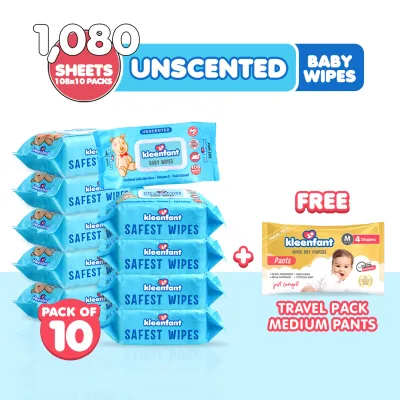
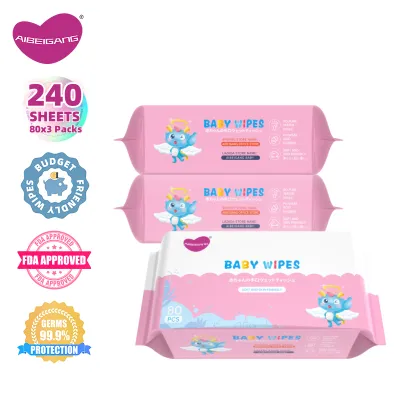
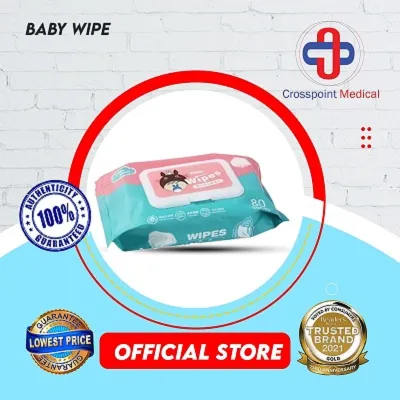
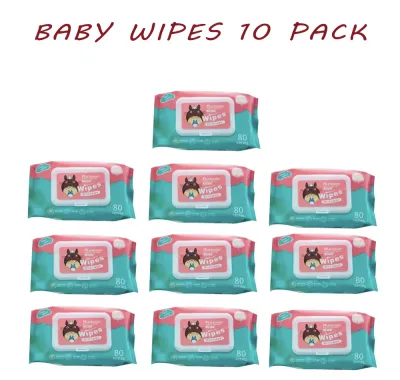
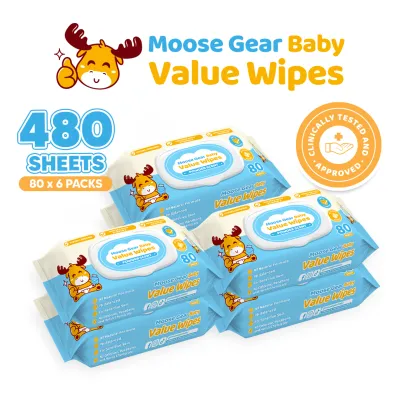
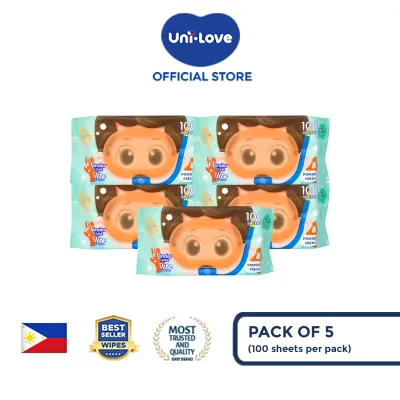
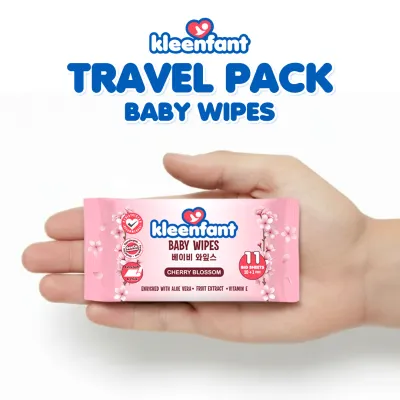
Prices are valid at publication and may change. Please refer to the product page for the latest price.
Finally, inspect the packaging design, specifically the seal integrity. Wipes sold in bulk during clearance events sometimes feature weak adhesive sticker seals instead of plastic flip-top lids. In tropical environments, sticker seals lose their stickiness rapidly due to dust and humidity, allowing the moisture inside the pack to evaporate. Opting for packs with secure, rigid flip-top lids ensures that your stockpile remains moist and usable, even if stored for several months.
How to Calculate the True Value of Sale Wipes
To determine if a piso sale deal is genuinely cost-effective, you must look beyond the total pack price and calculate the cost per individual wipe. A large pack sold at a slightly higher price may actually be cheaper per sheet than a small, ultra-cheap pack. You can easily calculate this by dividing the total price of the bundle by the total number of wipes included across all packs. Comparing this unit price allows you to identify which bundle offers the most actual product for your money.

Another crucial step when buying bulk clearance items is checking the manufacturing and expiration dates. Baby wipes generally have a shelf life of two to three years from the date of manufacture, but this lifespan can shorten if they are stored in warm conditions. If a brand is offering massive discounts, the stock might be nearing its expiration date. Buying a year’s supply of wipes that expire in two months will lead to wasted money when the remaining packs dry out or lose their structural integrity before you can use them.
Additionally, always factor in shipping fees before finalizing your purchase. Because baby wipes are saturated with water, bulk boxes are heavy and dense. Many local shopping apps calculate shipping costs based on package weight, meaning a heavy box of wipes can incur high delivery fees that completely wipe out the discount. Always review the final checkout screen to ensure the shipping cost does not outweigh the promotional savings.
Matching Wipe Types to Your Baby’s Skin and Needs
Not all baby wipes are designed for the same tasks, and choosing the wrong type can lead to skin irritation or inefficient cleaning. Matching the formulation and texture of the wipe to your baby’s age and skin sensitivity ensures both safety and value.
Water-Based Wipes for Sensitive and Newborn Skin
Newborn babies and infants with eczema-prone skin require the gentlest possible care. Water-based wipes, which typically contain 99% or 99.9% purified water and a minimal amount of food-grade preservatives, are ideal for these delicate skin profiles. Because they lack artificial fragrances, alcohol, and heavy cleansing agents, they minimize the risk of contact dermatitis and are safe for cleaning sensitive areas like the face, hands, and diaper area.
However, water-based wipes often feature a smooth, non-textured surface and can be slightly thinner than heavy-duty alternatives. This means you may need to use more sheets per diaper change to clean up larger messes. While they are the safest choice for sensitive skin, they may have a higher cost per use, which is an important trade-off to consider when budgeting during sales.
Textured and Heavy-Duty Wipes for Messy Changes
As babies transition to solid foods, diaper changes become more challenging, requiring a wipe that can handle heavier messes. Textured wipes are designed with raised patterns, embossed dots, or honeycomb structures that physically trap and lift solid waste away from the skin. This structural design allows you to clean up messy diaper changes with fewer wipes, maximizing the value of each pack.
When selecting textured wipes during a sale, verify that the added thickness does not come at the expense of ingredient safety. Some heavy-duty wipes contain added fragrances or stronger surfactants to help mask odors and clean skin quickly. Ensure the product remains free from drying alcohols and harsh chemicals, as the physical friction of a textured wipe combined with strong chemicals can easily irritate a baby’s skin.
Decision Framework: Which Wipes Should You Stock Up On?
To make the most of your next online shopping haul, use this conditional framework to guide your purchasing decisions:
- Choose water-based, minimalist wipes if you are shopping for a newborn, a baby with highly sensitive skin, or if you plan to use the wipes frequently on the face and hands. Prioritize ingredient purity over thickness, and accept a slightly higher cost per use to protect the skin barrier.
- Choose thicker, textured wipes if your child is a toddler eating solid foods and you need maximum durability to prevent tearing. These wipes offer the best physical barrier protection and cleaning efficiency, allowing you to use fewer sheets per change.
- Pass on the deal if the discounted brand lacks a transparent ingredient list, features only a weak sticker seal without a flip-top lid, or is nearing its expiration date.
Before hitting the checkout button, always run a quick calculation of the price per wipe including shipping fees to confirm that the promotional discount is genuine.
Frequently Asked Questions (FAQ)
Can I use discounted baby wipes for cleaning surfaces and toys?
Baby wipes are formulated to be gentle on human skin, meaning they contain mild cleansing agents and moisturizing ingredients. They do not contain sanitizing or disinfecting agents like alcohol or bleach. While they are convenient for wiping away visible dust, dirt, or food spills from toys and high chairs, they do not sanitize or kill harmful pathogens. For proper sanitization, use dedicated child-safe disinfectant wipes or soap and water.
How should I store bulk baby wipes bought during sales to keep them moist?
To preserve a large stockpile of wipes in a tropical climate, store unopened packs in a cool, dark, and dry place away from direct sunlight and heat sources, such as a closet or under-bed storage box. Avoid storing them in hot areas like laundry rooms or near windows. For opened packs, always press the resealable sticker down firmly and snap the plastic flip-top lid completely shut after every use to prevent moisture evaporation.

Community discussion
Share your experience or ask a question. Comments are reviewed before publication.