
Quick Answer: How to Choose the Best Bulk Baby Wipes
Choosing the best bulk baby wipes in the 80pcs x 10 packs format (totaling 800 wipes) requires balancing skin sensitivity, material thickness, and the actual cost per wipe in Philippine Pesos (₱). Because every infant’s skin barrier develops at a different rate, there is no single brand that fits every household perfectly. Instead, the optimal choice depends on matching specific product characteristics with your child’s growth stage.
For newborns and infants prone to eczema, minimalist water-based wipes containing 99% or more purified water are highly recommended to prevent irritation. For routine diaper changes, sensitive wipes infused with mild soothing agents like aloe vera offer a practical balance of cleaning efficiency and skin hydration. If you are caring for older babies on solid foods, thick, textured wipes are the most cost-effective choice because they resist tearing and lift heavy messes with fewer sheets.
To verify true value, divide the total purchase price by 800 to calculate the exact cost per wipe. This simple calculation helps you identify the most economical option for your family’s budget.
Products mentioned in this guide
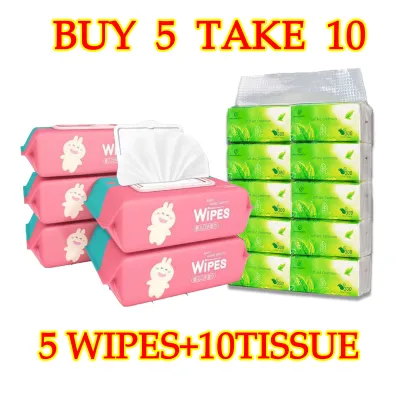
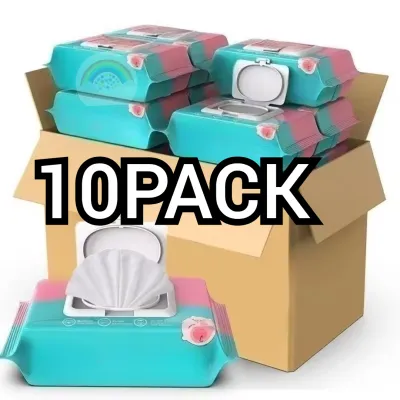
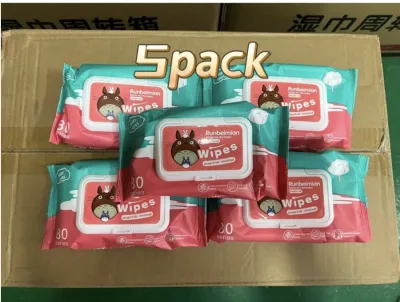
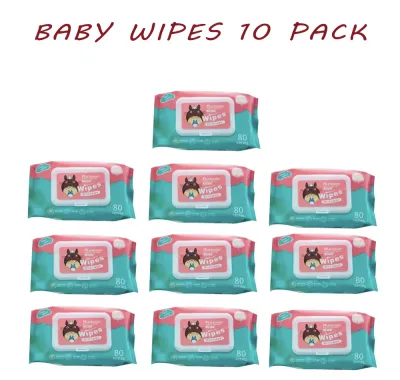
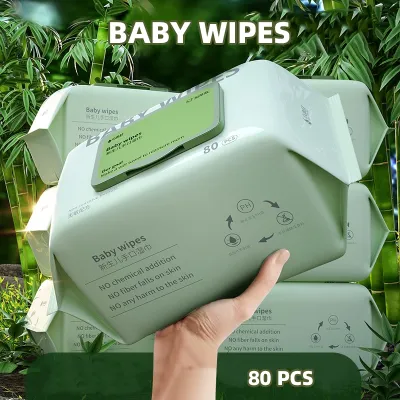
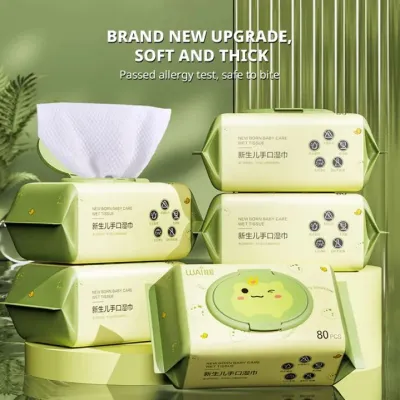
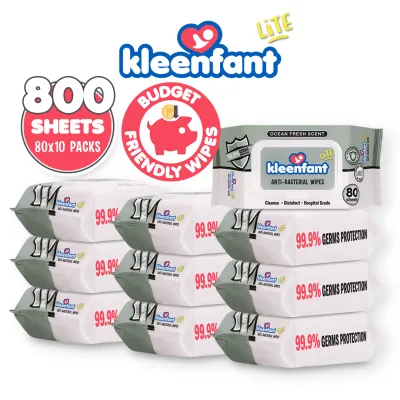
Prices are valid at publication and may change. Please refer to the product page for the latest price.
The Practical Value of 80pcs x 10 Packs Bulk Wipes
The 80pcs x 10 packs bulk configuration represents a practical sweet spot for busy parents and caregivers in the Philippines. An individual 80-piece pack is large enough to sit on a nursery changing table without requiring constant replacement, yet it remains compact enough to slide easily into a standard diaper bag or stroller organizer for family outings.

By purchasing these wipes in a 10-pack bundle, you secure a reliable supply of 800 wipes, which typically lasts a medium-sized household several weeks to a couple of months. This long-term supply significantly reduces the frequency of shopping trips, saving you valuable time. Whether you prefer sourcing your household supplies from physical supermarkets or ordering through local e-commerce platforms, buying in bulk minimizes the constant need to reorder.
From an economic perspective, bulk packaging is highly efficient because manufacturers can produce and ship large bundles with less overall packaging material per wipe compared to smaller travel packs. This reduction in packaging waste lowers manufacturing and shipping costs, savings that are frequently passed down to consumers in the form of a lower price per sheet.
However, committing to a bulk purchase of 800 wipes requires a thoughtful approach to storage and usage. If your baby is older and diaper changes are less frequent, you must ensure that your household can realistically consume the entire supply before the wipes lose their moisture or reach their expiration date. Additionally, the physical weight of ten 80-piece packs is substantial—often weighing around 4 to 5 kilograms—which can affect shipping fees when ordering online.
3 Key Dimensions for Comparing Bulk Baby Wipes
When browsing the wide variety of baby wipes 80pcs 10 packs available on the market, it is easy to get overwhelmed by colorful packaging and vague marketing claims like “ultra-soft” or “premium care.” To make an objective decision, you must look past the front label and evaluate each product across three concrete dimensions: physical material durability, chemical ingredient safety, and mathematical unit cost. By focusing on these specifications, you can easily distinguish between high-quality bulk options and those that merely appear cost-effective.
Thickness and Material Durability
The physical properties of a baby wipe determine how well it performs during a messy diaper change. A wipe that is too thin or flimsy will stretch out of shape, tear easily, or allow waste to seep through to your hands, forcing you to use double or triple the number of wipes. To assess physical quality before buying, look for indicators of material weight, measured in grams per square meter (GSM).
High-quality baby wipes typically range from 45 GSM to 60 GSM or higher, providing a dense, cushiony barrier. Most popular bulk brands use non-woven fabrics, created by bonding fibers together mechanically, chemically, or thermally. Look for terms like “cross-laid” on the specification list; this technique ensures fibers are oriented in multiple directions, preventing the wipe from tearing when pulled from the dispenser.
Texture is another critical factor. Smooth, flat-textured wipes are gentle and highly suitable for wiping delicate areas like the face or hands. Conversely, embossed, quilted, or 3D-textured wipes feature raised patterns that act like tiny pockets, trapping and lifting solid waste more efficiently. Consider whether your daily routine requires the high-friction cleaning power of a textured surface or the low-friction gentleness of a smooth sheet.
Ingredient Quality and Skin Safety
Because a baby’s skin is thinner and more permeable than adult skin, the chemical formulation of a wipe is just as important as its physical thickness. A high-quality bulk wipe should consist primarily of purified water—ideally 99% or higher—processed through multi-stage filtration systems. The remaining fraction typically contains mild preservatives, pH adjusters, and optional skin conditioners.
When evaluating ingredient lists, prioritize products that exclude harsh chemicals. Avoid formulas containing ethyl alcohol or isopropyl alcohol, which dry out sensitive skin and lead to diaper rash. Similarly, check for the absence of controversial preservatives such as parabens, phenoxyethanol, and methylisothiazolinone (MIT), which can trigger skin irritation.
Artificial fragrances are another common culprit for allergic reactions; look for “unscented” or “fragrance-free” labels. To verify these safety claims, look for reputable dermatological testing seals or hypoallergenic certifications on the packaging rather than relying on generic marketing terms. The formula should be slightly acidic, matching the natural pH of healthy baby skin (around 5.5), which helps maintain the skin’s protective barrier and ward off bacterial infections.
Price Per Wipe and True Bulk Value
The primary motivation for buying baby wipes 80pcs 10 packs is to save money, but not all bulk bundles offer the same financial advantage. To determine true cost-effectiveness, you must calculate the price per wipe rather than looking only at the total bundle price. Divide the total cost of the 10-pack bundle in Philippine Pesos (₱) by 800 (the total number of wipes in ten 80-piece packs).
For example, if a bulk bundle costs ₱480, the unit cost is ₱0.60 per wipe. If another brand’s bundle costs ₱720, the unit cost is ₱0.90 per wipe. While a difference of ₱0.30 per wipe seems negligible, it accumulates rapidly when you consider that a typical household can easily use 2,000 to 3,000 wipes per year.
When comparing prices, do not assume that the most expensive wipes are always the best quality, or that the cheapest ones are the best value. A very cheap, thin wipe that requires three sheets per change is ultimately more expensive than a thicker, mid-priced wipe that gets the job done with a single sheet. Remember to factor in potential shipping fees when purchasing online, as ten packs of wipes weigh several kilograms.
How Popular Baby Wipe Categories Compare
The bulk baby wipe market is broadly divided into three functional categories, each designed to address specific cleaning needs, skin types, and budgets. Understanding the differences between these categories allows you to select a bulk bundle that aligns perfectly with your baby’s current developmental stage and daily routine, preventing you from spending money on unnecessary features or struggling with inadequate performance.
Water-Based and Minimalist Wipes
Water-based wipes represent the gold standard for purity and skin safety. These products typically feature a short ingredient list, consisting of 99% to 99.9% purified water and a tiny fraction of a mild food-grade preservative to prevent bacterial growth once opened. Because they contain no added soap, cleansers, or fragrances, they are exceptionally gentle and present the lowest risk of triggering allergic reactions.
These minimalist wipes are highly recommended for newborns, whose skin barrier is still developing and highly vulnerable to chemical absorption. They are also the ideal choice for babies suffering from eczema, severe diaper rash, or other inflammatory skin conditions. Many parents prefer them for cleaning the face, mouth, and hands during feeding times, as there are no soapy residues or bitter tastes left behind.
The primary trade-off with water-based wipes is their cleaning efficiency on oily or heavy messes. Because they lack mild surfactants, they rely entirely on mechanical friction to lift waste. As a result, you may find yourself using more wipes per diaper change when dealing with sticky messes, which can increase your overall consumption rate and reduce the long-term cost-efficiency of the bulk purchase.
Sensitive Skin and Soothing Wipes
Sensitive skin wipes provide a balance between gentle cleansing and active skin protection. Unlike purely water-based wipes, these products often include mild, baby-safe surfactants that help break down oils and organic waste more effectively, allowing for a quicker clean. To counteract potential irritation, manufacturers enrich the formula with soothing botanical extracts such as aloe vera, chamomile, calendula, or vitamin E.
These added skin conditioners form a thin, protective barrier on the baby’s skin, helping to lock in moisture and soothe minor redness caused by friction. This category is widely considered the most versatile and practical option for routine daily use, making it highly popular for bulk purchases. It is suitable for babies of almost all ages who do not have extreme skin sensitivities.
When choosing a sensitive skin wipe in bulk, read the ingredient list to ensure that the botanical extracts are not accompanied by hidden sensitizers. Always verify that the product is labeled as hypoallergenic and dermatologist-tested, and perform a small patch test on your baby’s arm before committing to using the entire 800-wipe supply.
Heavy-Duty and Textured Wipes
Heavy-duty wipes are engineered specifically for challenging cleanups, older babies, and multi-purpose household use. These wipes are characterized by their superior thickness, high GSM, and robust material strength, ensuring they do not tear or deform when pulled tightly. They feature an embossed or 3D-textured surface, which provides excellent grip and physical traction to lift heavy, solid, or sticky waste with minimal effort.
This category is particularly useful once a baby transitions to solid foods, as diaper messes become more substantial and difficult to clean with thin, smooth wipes. The advanced formulation often includes mild cleansing agents that quickly dissolve residues, allowing you to complete a thorough diaper change using only one or two wipes. This high efficiency translates to excellent practical value, as you consume fewer wipes overall.
Beyond the diaper changing table, heavy-duty wipes are excellent for general household tasks, such as wiping down messy high chairs, cleaning sticky toys, or wiping hands after outdoor play. The main drawback is their upfront cost; these wipes typically carry a higher price per pack due to the premium materials involved. However, for parents prioritizing speed and durability, the higher initial investment is often justified by the reduced wipe consumption rate.
Decision Framework: Which Bulk Wipe Category Fits Your Needs?
To finalize your purchase of baby wipes 80pcs 10 packs, you can use the following structured decision framework to match your household’s specific needs to the right category of bulk wipes:
Choose Water-Based Wipes if:
- Newborn Care: Your baby is a newborn (under 3 months old) whose skin barrier is exceptionally delicate.
- Skin Conditions: Your baby has diagnosed eczema, highly reactive skin, or frequent, unexplained skin rashes.
- Facial Cleaning: You intend to use the wipes primarily for cleaning the baby's face, mouth, and hands during and after feeding.
- Purity First: You prioritize the absolute purest ingredient list and are willing to accept using slightly more wipes per heavy cleanup.
Choose Sensitive and Soothing Wipes if:
- Daily Versatility: You need a highly versatile, all-purpose daily wipe for routine diaper changes for a baby over 3 months old.
- Skin Hydration: Your baby has normal to slightly sensitive skin that benefits from added moisturizing agents like aloe vera or vitamin E.
- Balanced Budget: You want a balance of gentle cleansing power and skin hydration without paying a premium for specialty medical-grade wipes.
- Friction Reduction: You prefer a smooth, soft texture that glides easily without causing friction-induced redness on the skin.
Choose Heavy-Duty and Textured Wipes if:
- Solid Food Stage: Your baby has transitioned to solid foods, resulting in stickier diaper messes.
- One-Wipe Clean: You want to minimize the number of wipes used per change, prioritizing a "one-wipe clean" efficiency.
- Tear Resistance: You require a durable, thick material that resists tearing and keeps your hands completely clean.
- Multi-Purpose Use: You plan to use the wipes for general household cleaning, including wiping down high chairs, toys, and strollers.
Important Verification Steps Before Buying:
- Check Storage Space: Ensure you have a dry, cool closet or cabinet space to store ten large 80-piece packs, keeping them away from floor-level moisture or heat sources.
- Calculate Consumption Rate: A pack of 80 wipes typically lasts about 5 to 7 days for an infant (using 10-15 wipes per day), meaning a 10-pack bundle will last roughly 50 to 70 days. For older toddlers, consumption drops significantly, so verify that you can use all 800 wipes before the expiration date.
- Verify Package Seals: Look for bulk options that feature a rigid, plastic flip-top lid on each individual pack rather than just a peel-back sticker. A rigid lid is essential for maintaining moisture over the weeks it takes to finish an 80-piece pack.
Storing Bulk Wipes in a Tropical Climate
Storing a large supply of wet wipes in a tropical climate like the Philippines requires special care to maintain product quality, moisture, and hygiene. The combination of high ambient temperatures and humidity can accelerate the degradation of plastic packaging, weaken adhesive seals, and create an environment where mold or bacteria could potentially thrive if the product is compromised.
To preserve your bulk purchase of baby wipes 80pcs 10 packs, always store the unopened packs in a cool, dry place inside your home, away from direct sunlight, windows, and heat-generating appliances like refrigerators or sterilizers. Avoid storing the bulk box directly on concrete floors, as ground moisture can seep into the cardboard box and affect the packaging; instead, place the box on a shelf or inside a raised cabinet.
When managing your stock, practice the “first-in, first-out” (FIFO) method. Arrange the packs so that the oldest stock is used first, ensuring that no single pack sits in storage for an excessive period. Before opening a new pack, inspect the plastic wrap and the flip-top lid to ensure the factory seal is intact and has not lifted due to heat.
Once a pack is opened, always snap the plastic flip-top lid shut immediately after pulling out a wipe. If the pack relies on an adhesive sticker seal under the lid, press it down firmly to prevent warm air from entering and drying out the remaining wipes. If you notice any change in the smell, color, or texture of the wipes, or if the package has been exposed to extreme heat for an extended period, discontinue use immediately to protect your baby’s skin.
Community discussion
Share your experience or ask a question. Comments are reviewed before publication.