
Quick Answer: Finding the Right Wipes for Sensitive Skin
When caring for a newborn, finding the gentlest skincare products is a top priority for parents. There is no single baby wipe brand that is universally the safest for every infant. Because newborn skin is incredibly delicate and highly individual, the safest choice always depends on verifying specific label claims and carefully observing how your baby’s skin reacts.
When browsing physical stores or online marketplaces in the Philippines, parents should prioritize wipes that are explicitly labeled as fragrance-free, alcohol-free, and hypoallergenic. These formulations minimize the risk of contact dermatitis and irritation, especially in warm and humid tropical conditions.
If your newborn experiences severe, persistent diaper rash, or skin peeling, it is always best to consult a pediatrician. A qualified professional can provide a proper diagnosis and recommend specialized skincare routines before you introduce any new commercial products.
Products mentioned in this guide
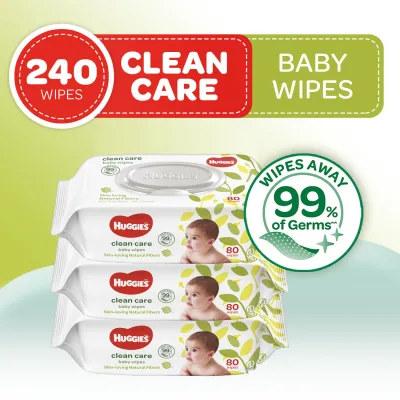
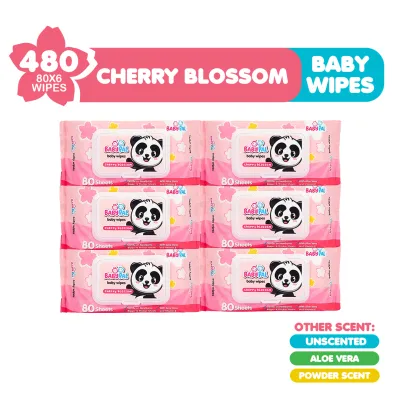
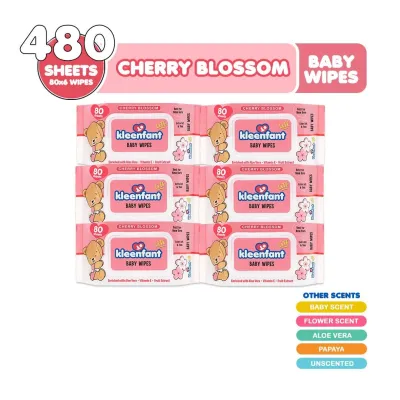
Prices are valid at publication and may change. Please refer to the product page for the latest price.
Essential Safety Criteria for Newborn Wipes
Understanding the terminology on baby wipe packaging is the first step toward making an informed purchase. Many products feature prominent marketing claims, but parents must know what these terms actually mean in practice.

The term “hypoallergenic” indicates that a product is formulated with ingredients that are less likely to cause allergic reactions. However, this label is not a legal guarantee of absolute safety, as any individual baby can still have a unique sensitivity to a specific ingredient.
Similarly, “dermatologically tested” means that the product was evaluated under the supervision of a dermatologist. While this provides an extra layer of reassurance, it does not mean the product is entirely risk-free for highly reactive skin. Parents should check the manufacturer’s official documentation or website to understand the specific testing parameters used.
Maintaining the natural skin barrier is crucial for newborns, especially in warm, humid climates where sweat and moisture can easily trap bacteria. A newborn’s skin has a delicate, slightly acidic outer layer known as the acid mantle, which helps defend against harmful microbes. Using wipes that are pH-balanced helps preserve this natural protective barrier. You can verify pH claims by reviewing the manufacturer’s technical specifications or product guides.
Water purity is another critical factor, as water makes up the vast majority of any wipe’s formulation. High-quality wipes typically use ultra-purified, deionized, or sterile water to ensure no microscopic impurities are introduced to the skin. Look for brands that explicitly state their water purification process on the label or in their official product descriptions.
Comparing Wipe Formulations: Water-Based vs. Lotion-Based
As you explore the options available on e-commerce platforms, you will generally find two main categories of baby wipes: water-based and lotion-based. Each formulation serves a distinct purpose and offers unique benefits depending on your baby’s daily routine.
Water-based wipes typically consist of 99% or more purified water, combined with a minimal amount of mild preservatives to prevent bacterial growth. These wipes are highly recommended for newborns because they mimic the simplicity of cleaning with a damp cotton ball. They leave virtually no residue behind, making them ideal for frequent daily refreshes and highly reactive skin.
Lotion-based wipes, on the other hand, incorporate mild moisturizing agents, emollients, or natural oils into their liquid mixture. These ingredients give the wipe a silkier texture, allowing it to glide effortlessly over the skin. This extra lubrication is particularly helpful when cleaning up heavy, sticky diaper messes, as it reduces the need for repetitive wiping.
However, the trade-offs between these two types are important to consider. While lotion-based wipes offer excellent moisturizing properties, the additional ingredients increase the complexity of the formula, which may elevate the risk of skin irritation for some babies. Conversely, water-based wipes are incredibly gentle but may require more physical effort to clean sticky messes, potentially causing friction-induced redness if not used carefully.
To make the best decision for your newborn, consider a simple framework. Choose water-based wipes if your baby has highly sensitive, easily irritated skin, or if you are dealing with active diaper rash. Opt for lotion-based wipes if your baby’s skin is naturally dry or peeling, and you require a product that deposits a light, protective moisture barrier during cleanups.
Ingredient Checklist: What to Verify and Avoid
To protect your newborn’s skin, it is essential to look past front-of-pack marketing claims and carefully examine the ingredient list on the back of the packaging. Knowing which ingredients to avoid and which ones to welcome can prevent painful skin flare-ups.
Several common ingredients should be avoided when selecting wipes for a newborn. Drying alcohols, such as isopropyl alcohol or ethanol, should never be present, as they strip away natural oils and dry out the skin. Parabens, which are chemical preservatives, should also be avoided due to their potential to cause skin sensitization.
Phenoxyethanol is another preservative frequently found in personal care products. While it is widely used, some pediatric experts suggest avoiding it for newborns and infants with compromised skin barriers. Additionally, synthetic fragrances should be strictly avoided, as they are among the most common triggers for allergic contact dermatitis in young children.
On the positive side, look for gentle, soothing ingredients that support skin health. Aloe vera and chamomile extracts are common additions known for their cooling and calming properties. However, parents must remain cautious, as even natural botanical extracts can occasionally trigger individual allergic reactions in highly sensitive infants.
Before finalizing any purchase, always cross-reference the ingredient list printed on the physical package with the manufacturer’s official online specifications. Formulations can change over time without immediate updates to online product listings, so verifying the physical label is the most reliable way to ensure your baby’s safety.
Safe Usage and Patch Testing Guidelines
Even when a product meets all your safety criteria, introducing it gradually is the safest way to protect your newborn’s skin. Conducting a simple patch test can help you identify potential sensitivities before using a new wipe brand extensively.
To perform a safe patch test, select a small, discreet area of your baby’s skin, such as the inner forearm or the upper thigh. Gently swipe the new wipe over this small patch of skin once, and then allow the area to dry naturally.
Monitor the test area closely over the next 24 to 48 hours, keeping it clean and free of other topical products. Look for any observable signs of irritation, which may include localized redness, tiny raised bumps, dry or flaking patches, or signs of discomfort when the area is touched.
If you observe any of these adverse reactions, stop using the wipes immediately. Wash the affected area gently with plain, lukewarm water and pat it dry with a clean, soft towel. Do not apply any additional creams or lotions unless advised by a healthcare professional.
You should seek professional medical advice if the skin irritation spreads beyond the test area, if the rash begins to blister or ooze, or if the redness does not improve after several days of discontinuing the product. Prompt consultation with a pediatrician ensures your baby receives the correct care and avoids further discomfort.
Frequently Asked Questions (FAQ)
Can I use regular baby wipes on a newborn?
Standard baby wipes are often formulated for older babies whose skin barriers are more developed and resilient. These products may contain stronger preservatives, synthetic fragrances, or cleansing agents that can easily irritate a newborn’s delicate skin. It is highly recommended to check the manufacturer’s packaging for specific age recommendations and clear indications that the product is formulated for newborns or sensitive skin.
Are cloth wipes a safer alternative for sensitive skin?
Cloth wipes can be a highly effective alternative because they allow caregivers to control the exact cleansing solution used, which is typically just plain, warm water. This eliminates exposure to chemical preservatives and fragrances entirely. However, reusable cloth wipes require strict hygiene practices; they must be washed at high temperatures, thoroughly dried, and stored in a clean environment to prevent the growth of harmful bacteria or mold.

Community discussion
Share your experience or ask a question. Comments are reviewed before publication.