
Newborn skin is incredibly delicate, possessing an outer barrier that is significantly thinner and more permeable than adult skin. When searching for the ideal baby wipes, parents quickly realize that no single brand is universally perfect for every infant. The safest baseline for highly sensitive newborn skin is a fragrance-free, alcohol-free, and minimally processed water-based wipe.
Many parents are naturally drawn to colorful packaging and prominent marketing claims on diapering products. However, the true test of a wipe’s safety lies in its ingredient list rather than front-label buzzwords. Prioritizing simple, transparent formulations helps minimize the risk of contact dermatitis and painful diaper rashes in the early weeks of life.
Ultimately, observing how your baby’s skin reacts over several days of use is the most reliable measure of compatibility. Because every newborn’s skin chemistry is unique, what works smoothly for one child might cause redness for another. Starting with a cautious approach and understanding what goes into these daily-use products will help you make an informed, safe choice for your family.
Products mentioned in this guide
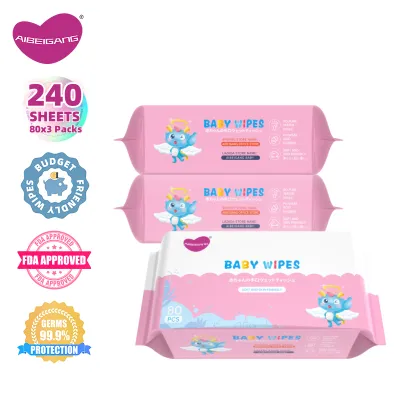
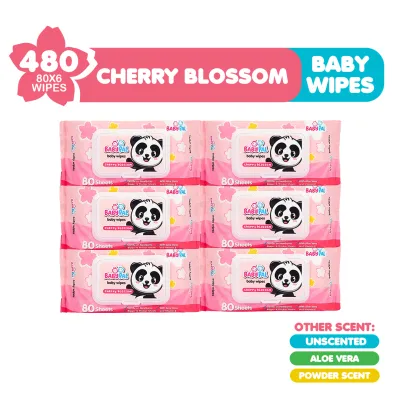

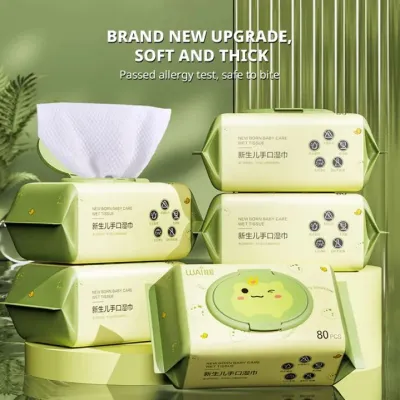
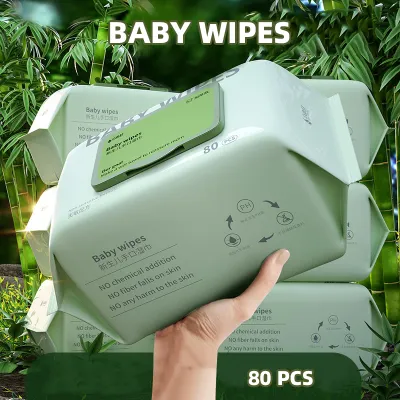

Prices are valid at publication and may change. Please refer to the product page for the latest price.
Core Dimensions for Comparing Sensitive Skin Wipes
To make an objective comparison between different brands on the shelf or on online marketplaces, you need a reliable set of criteria. Evaluating wipes based on their chemical composition, physical design, and moisture characteristics prevents you from relying solely on brand reputation. This systematic approach ensures you select a product that actively supports your baby’s skin health.
Ingredient Transparency and Fragrance-Free Formulas
There is a critical chemical difference between wipes labeled “unscented” and those labeled “fragrance-free.” Unscented products may still contain masking fragrances designed to cover up the natural odor of the chemical ingredients. These masking agents can contain phthalates or synthetic compounds that frequently trigger allergic reactions on highly sensitive newborn skin. Truly fragrance-free wipes contain absolutely no added scent compounds, making them a much safer baseline for daily diaper changes.
When reading the ingredient deck on the back of the packaging, look for full disclosure rather than vague terms like “conditioning agents” or “active cleansers.” You want to verify the specific preservatives and surfactants used by the manufacturer. Avoid products containing parabens, methylisothiazolinone (MI), or harsh sulfates, which are known skin irritants. Instead, look for mild, food-grade preservatives such as sodium benzoate or citric acid, which keep the wipes sterile without compromising the skin barrier.
Fabric Material, Thickness, and Texture
The physical properties of the wipe cloth directly impact how much friction is applied to your baby’s skin during a cleanup. Most commercial wipes are made using spunlace nonwoven technology, blending various fibers together. Cheaper options often rely heavily on synthetic polyester fibers, which can feel rough and do not absorb liquid solutions as effectively. Premium sensitive-skin wipes utilize plant-based fibers like cotton, bamboo, or wood pulp (viscose), which are naturally softer and more absorbent.
Thickness is typically measured in grams per square meter (GSM), though manufacturers rarely print this exact metric on the packaging. You can evaluate thickness by feeling the wipe; a thicker, heavier cloth prevents your fingers from slipping through and minimizes the number of passes required to clean a mess. Reducing the number of physical wipes or friction passes is crucial for preventing mechanical irritation, which can wear down the delicate stratum corneum of a newborn.
Moisture Content and pH Balance
A healthy newborn’s skin surface is slightly acidic, typically maintaining a pH range between 5.5 and 6.0. This acidity, often referred to as the acid mantle, serves as a natural defense mechanism against harmful bacteria and yeast. Using highly alkaline wipes can disrupt this protective barrier, leaving the skin vulnerable to infections. It is highly recommended to verify if a brand explicitly claims a pH-balanced formula that matches the natural acidity of infant skin.
The moisture level of the wipe also plays a significant role in diaper area health, especially in a tropical environment. Wipes that are dripping wet can leave excess liquid pooled in the deep skin folds of your baby’s thighs and buttocks. In hot, humid conditions, this trapped moisture can cause skin maceration, softening the tissue and making it highly susceptible to yeast infections like Candida. After wiping, always ensure the area is completely dry—either by letting it air dry or gently patting it with a clean, dry cloth—before securing a fresh diaper.
Comparing Common Wipe Formulas on the Market
Navigating the baby care aisle reveals a wide variety of formulas, each claiming to be the gentlest option for your child. Understanding how these formulas are categorized helps you look past the branding and evaluate the liquid solution itself. Most sensitive-skin wipes available in the Philippines fall into three primary formulation types.

Purified Water and 99% Water Wipes
Water-based wipes represent the simplest formulation type on the market, often containing 99% to 99.9% purified water. The remaining fraction of the formula consists of a mild preservative to prevent microbial growth. These wipes are highly recommended by pediatricians for the first few weeks of a newborn’s life because they minimize chemical exposure to the absolute lowest level possible.
While water wipes are exceptionally gentle, they do have practical trade-offs that parents should consider. Because they lack lubricating oils or synthetic surfactants, they may require slightly more physical effort to clean sticky meconium or dried stool. Additionally, you must verify the specific preservative used in the water solution; because water is a breeding ground for bacteria, even a 99.9% water wipe requires a stable preservative system to remain safe for use over several weeks.
Botanical and Soothing Extract Wipes
Many brands enrich their sensitive wipes with natural botanical extracts such as aloe vera, chamomile, calendula, or oat kernel extract. These ingredients are included to help soothe minor skin irritation and provide a temporary protective barrier over the skin. For babies with normal to slightly dry skin, these added botanical agents can make diaper changes feel more comfortable and conditioning.
However, it is important to remember that “natural” does not automatically mean “hypoallergenic.” Botanical extracts contain complex organic compounds that can act as contact allergens for highly reactive skin. If your newborn has a family history of eczema or severe allergies, these botanical additions might trigger localized redness or small hives. Always check if the manufacturer specifies that these extracts are organic and free from pesticide residues, and perform a localized test before widespread use.
Hypoallergenic and Clinically Tested Options
Many mainstream brands carry labels such as “hypoallergenic,” “dermatologically tested,” or “pediatrician approved.” These terms indicate that the manufacturer has submitted the product for clinical evaluation, often involving patch testing on human volunteers to ensure a low rate of irritation. These certifications provide an extra layer of reassurance for parents who want to minimize the risk of adverse skin reactions.
When evaluating these claims, look for specific details on the packaging or the manufacturer’s website regarding the testing standards used. Some brands partner with independent dermatological institutes to verify their claims, which carries more weight than self-conducted company tests. While clinical testing significantly reduces the likelihood of a reaction, it cannot guarantee absolute safety for every individual baby; a child with an extremely rare sensitivity may still react to a clinically approved formula.
Smart Shopping: Evaluating a Baby Wipes for Newborn Baby Bundle
Because newborns require frequent diaper changes—often between 10 and 12 times a day—buying diapering supplies in bulk is a highly practical financial strategy. Purchasing a baby wipes for newborn baby bundle is an excellent way to reduce the cost per individual sheet. These bundles typically package multiple individual packs together, ranging from three-packs to massive boxes containing twelve or more packs, often at a discounted price compared to buying single items.
However, committing to a large bulk bundle before testing the product on your baby’s skin carries a distinct financial risk. If you purchase a twelve-pack bundle of a specific brand only to find that your newborn develops a bright red rash after the very first diaper change, you are left with a large quantity of unusable product. To avoid this waste, always purchase a single, small travel pack of a new brand first. Use it for several days to confirm compatibility before purchasing a large baby wipes for newborn baby bundle.
Managing bulk bundles also requires careful consideration of the tropical climate in the Philippines. High ambient temperatures and high humidity can accelerate the degradation of mild, food-grade preservatives in sensitive wipes. If bulk boxes are stored in a hot, unventilated storage room or near a sunny window, the liquid formula inside the packs can break down, potentially allowing mold or bacteria to colonize the wipes before you even open them.
Furthermore, the adhesive seals and plastic flip-top lids on bulk packs can fail more quickly in humid weather. Dust and moisture can weaken the adhesive on the opening sticker, causing the wipes to dry out rapidly. Dried-out wipes lose their cleaning efficacy and increase physical friction, which can easily irritate your baby’s skin. To protect your investment, store your unopened bundle packs in a cool, dark, dry closet, and always ensure the plastic lid of your active pack is pressed firmly shut after every single use.
Decision Framework: Which Wipe Type Fits Your Baby?
Choosing the right product does not have to be a guessing game. By matching your baby’s specific skin condition and your daily diapering routine to the correct product characteristics, you can find the perfect match. Use this structured decision framework to guide your next purchase:
- Choose 99% water wipes if your newborn has highly reactive skin, a family history of severe allergies, or is in the first few weeks of life. This option provides the absolute minimum ingredient list, though you must be prepared to wipe very gently and patiently when dealing with sticky messes.
- Choose botanical wipes if your baby's skin barrier is healthy, dry, or prone to mild chafing, and you want the added soothing benefits of aloe or chamomile. Ensure you have successfully patch-tested the specific brand on a small area of skin before using it for full diaper cleanups.
- Choose thicker, textured wipes if you frequently deal with messy newborn blowouts and want to minimize the physical friction of multiple passes. A heavier, embossed plant-based cloth will lift messes quickly in fewer strokes, protecting the skin from mechanical irritation.
- Verify first if the product label clearly lists all preservatives, the packaging features a sturdy plastic flip-top lid to prevent drying in humid weather, and the formula is completely free from alcohol, parabens, and synthetic fragrances.
Safe Usage, Storage, and Skin Monitoring
Using a high-quality wipe is only half the battle; how you apply and store the product is equally important for maintaining your newborn’s skin health. When performing a diaper change, always wipe from front to back, especially for baby girls, to prevent the spread of bacteria into the urinary tract. Use a gentle patting or rolling motion rather than dragging the wipe firmly across the skin, as harsh rubbing can quickly wear down the delicate outer skin layers.
Proper storage is essential for keeping your wipes sterile and effective in a tropical climate. Keep your active wipe packs out of direct sunlight and away from heat sources like sterilizers or warm appliances. If you use a reusable plastic wipes dispenser, sanitize it thoroughly with warm water and mild soap between refills to prevent the buildup of bacteria or mildew in the corners.
Regularly monitor your baby’s diaper area for any early signs of irritation. If you notice localized redness, small red bumps, dry peeling patches, or if your baby flinches and cries during wiping, discontinue using the current brand immediately. Switch temporarily to cotton balls moistened with warm water to clean the area, allowing the skin barrier time to heal.
Remember that baby wipes are designed solely for cleaning healthy skin, not for treating active medical conditions. If a diaper rash develops and does not show signs of improvement within two to three days of discontinuing wipe use, or if you observe blisters, bleeding, or pus, consult a pediatrician or a qualified healthcare professional. They can provide an accurate diagnosis and recommend appropriate therapeutic barrier creams or treatments.
Frequently Asked Questions (FAQ)
Can I use regular unscented wipes for a newborn?
It is highly recommended to avoid using regular adult or general-purpose unscented wipes on a newborn. Regular wipes are often formulated for thicker, more resilient adult skin and may contain stronger surfactants, alcohol, or harsh preservatives that can easily penetrate and irritate a newborn’s delicate skin barrier. Additionally, regular wipes may not be pH-balanced for an infant’s skin mantle. Always look for wipes specifically formulated and labeled for newborns or sensitive baby skin to ensure they meet appropriate safety and mildness standards.
How do I know if my baby is allergic to a specific wipe?
An allergic reaction or contact dermatitis typically presents as localized redness, small raised red bumps, dry or peeling patches, or a warm-to-the-touch rash directly where the wipe was used. Your baby may also show signs of discomfort, such as fussiness or crying, specifically during diaper changes when the wipe touches their skin. To minimize risk, perform a patch test by gently wiping a small, clean area on your baby’s outer arm or leg with the new wipe. Wait 24 hours to observe the area for any delayed signs of redness or irritation before using the product on the highly sensitive diaper region.
Community discussion
Share your experience or ask a question. Comments are reviewed before publication.