
Finding the right diaper for your baby in the Philippines often feels like a continuous cycle of trial and error. With the tropical heat, high humidity, and the active nature of growing infants, a diaper must perform exceptionally well to keep your little one comfortable. There is no single diaper brand that is universally best for every baby; the ideal choice depends entirely on your baby’s unique body shape, skin sensitivity, and your family’s monthly budget. What works perfectly for a friend’s infant might cause leaks or skin irritation for yours.
When comparing Aiwibi, Pampers, and Huggies, it is essential to look beyond the brand name and examine the specific product lines. Each of these manufacturers designs diapers with distinct philosophies, which are reflected on their official packaging and product descriptions. Understanding these core differences is the first step toward making an informed decision that protects both your baby’s skin and your household budget.
Understanding the Core Differences Between Aiwibi, Pampers, and Huggies
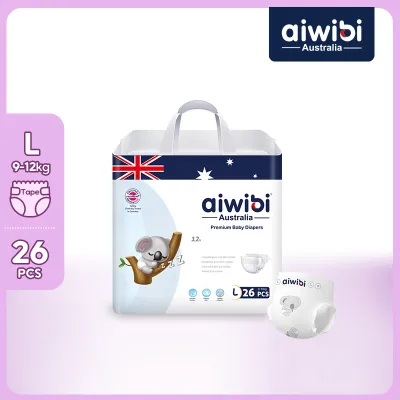
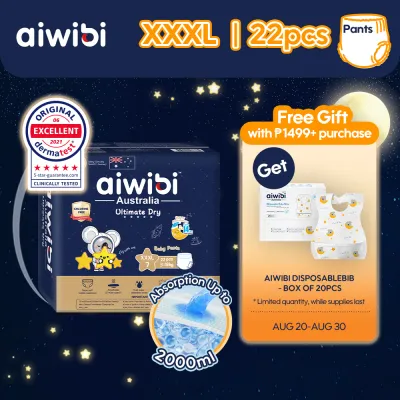
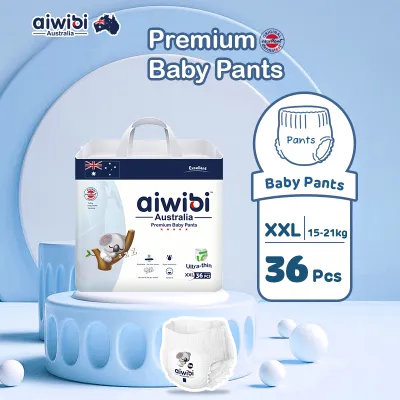
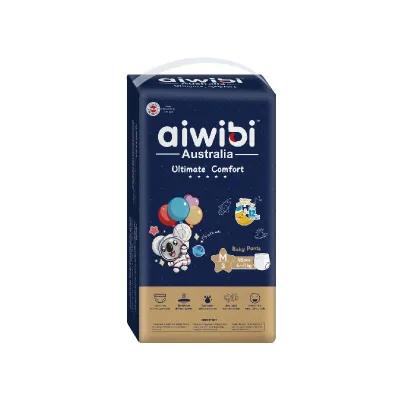
Each brand occupies a specific niche in the market, catering to different parental priorities and baby needs. Aiwibi is an emerging brand in the local market, positioning itself as a budget-friendly option that emphasizes lightweight materials and modern absorbent core technologies. Their packaging highlights a focus on thinness and breathability, which appeals to parents looking for comfortable options in warm, tropical climates.
Products mentioned in this guide
![[Carton Box] Aiwibi Light Feather Baby Pants(M-XXXL)Pants Pull-up diaper pants Soft and breathable](https://img.lazcdn.com/g/p/dface0007b5314b2fc128b5213a90470.jpg_400x400q80.jpg_.webp)
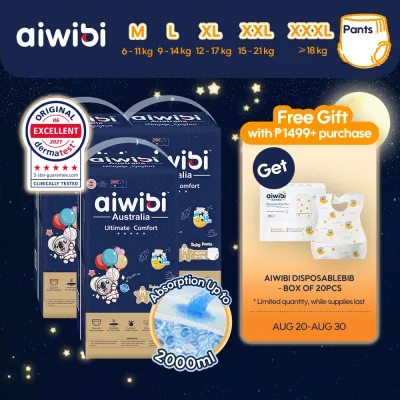
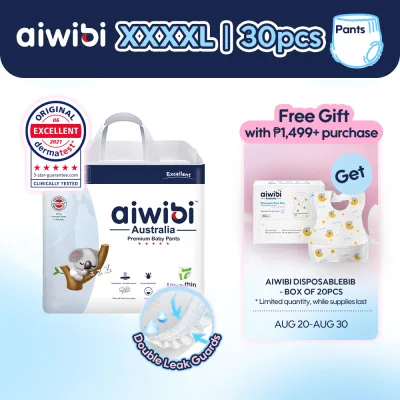
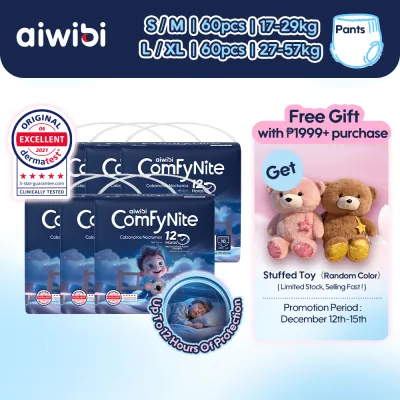
Prices are valid at publication and may change. Please refer to the product page for the latest price.
Pampers is a long-established household name globally and locally, with a design philosophy centered on softness and skin dryness. On their packaging, Pampers frequently highlights their lotion-infused top sheets and air channels designed to keep moisture away from the skin. They offer multiple tiers, ranging from their standard everyday lines to premium options, allowing parents to choose based on their specific budget and performance expectations.
Huggies focuses heavily on structural fit and robust leak protection. Their product descriptions and packaging emphasize features like pocketed waistbands to catch runny messes and highly elastic ear tabs that secure the diaper during active play. Like its competitors, Huggies offers various product tiers, meaning that a standard Huggies diaper will have different materials and features compared to their premium, ultra-soft variants.
Because of these tier differences, comparing Aiwibi to Pampers or Huggies as whole brands can be misleading. A premium line from any of these brands will naturally feature softer materials and more advanced elastic bands than their respective economy lines. When shopping, always check the specific sub-brand or line name on the packaging to ensure you are comparing equivalent tiers of comfort and protection.
How to Evaluate Absorbency and Leak Protection
Absorbency is the primary function of any disposable diaper, especially during long sleep stretches or outdoor trips in humid weather. To evaluate how well a diaper can handle moisture, start by reading the packaging for specific core technology claims. Many modern diapers utilize Super Absorbent Polymers (SAP) or specialized absorbent channels designed to distribute liquid evenly rather than letting it pool in one spot. Look for mentions of wetness indicator lines on the exterior, which change color to signal when a change is needed without requiring you to open the diaper.

Before putting a new diaper on your baby, perform a physical inspection to understand its structural design. Feel the thickness of the diaper; a thinner diaper is not necessarily less absorbent if it utilizes high-quality SAP, but it should feel consistent throughout. Gently pull the inner leg cuffs outward to inspect the standing leak guards. These hydrophobic fabric barriers should stand upright and feel elastic enough to hug your baby’s thighs without gaps, as they are your primary defense against side leaks.
Once your baby starts wearing the diaper, monitor its real-world performance over a few days. Note how the diaper behaves after a few hours of use: does it sag heavily between the legs, or does the absorbent core hold its shape? Touch the inner lining during a change to check for surface dryness; a high-performing diaper should feel relatively dry to the touch even when full. Keep track of how often leaks occur, noting whether they happen during active daytime play or while your baby is sleeping on their back or side.
Assessing Fit, Comfort, and Skin Sensitivity
A diaper can have excellent absorbency, but if the fit is incorrect, leaks and skin irritation are inevitable. Different brands use distinct cuts and shapes; some feature a narrower crotch area designed for slim, highly active babies, while others offer wider coverage that suits rounder, chunkier infants. To find the right fit, do not rely solely on the size number on the front of the pack. Instead, measure your baby’s current weight and check it against the detailed weight and dimension charts printed on the back of the packaging.
Comfort and skin health are closely tied to the materials used in the diaper’s construction. Feel the inner lining with your hand to assess its softness, and gently stretch the waistband to check its elasticity. In a hot and humid climate, a stiff waistband or rough leg cuffs can cause friction against sweaty skin, leading to painful chafing. The materials should feel breathable and soft, allowing air to circulate to minimize the risk of diaper rash.
Pay close attention to physical signs of a poor fit during diaper changes. Red marks around your baby’s thighs or waist indicate that the elastic is too tight or the diaper cut is too narrow for their body shape. Conversely, gaps between the diaper and your baby’s legs, or frequent blowouts up the back, suggest that the diaper is either too large or the cut does not match their anatomy. If you observe these signs consistently, it is time to adjust the fastening tabs, size up, or try a different brand’s cut style.
Calculating Price and Value for Your Budget
Diapers represent a significant, recurring household expense, making it crucial to calculate their true cost accurately. To avoid being misled by large bulk boxes or promotional packaging, always calculate the cost per individual diaper. Use a simple formula: divide the total retail price of the pack in ₱ by the number of diapers inside. For example, a pack costing ₱450 containing 50 diapers results in a unit cost of ₱9.00 per diaper. Comparing this unit cost across brands and pack sizes reveals the most economical option.
When sourcing diapers, compare prices across authorized physical retail stores, official brand stores, and reputable e-commerce platforms. Be cautious when shopping on online marketplaces; always look for official mall badges, verified seller status, and authentic customer reviews to avoid counterfeit products that may compromise your baby’s safety. Buying in larger bulk boxes often reduces the cost per diaper, but only commit to bulk purchases once you are certain the diaper fits your baby well.
True value also depends on how many diapers you use daily. A cheaper diaper that leaks frequently or lacks sufficient absorbency may require changing every two hours, whereas a slightly more expensive diaper might keep your baby dry and comfortable for four hours. If the cheaper option forces you to use twice as many diapers and increases your laundry workload due to leaked messes, the premium option may actually offer better overall value for your budget.
Decision Framework: Which Brand Should You Try First?
To help you choose a starting point, consider your baby’s physical traits and your primary daily needs. You might want to try Aiwibi first if you are looking for a highly budget-friendly, lightweight diaper for frequent daytime changes in warm weather, and your baby has a standard body shape. Consider trying Pampers first if your main priority is overall softness and keeping moisture away from sensitive skin during long periods of rest. Try Huggies first if your baby is highly active, has chunky thighs, or frequently experiences leaks that require a diaper with robust elastic bands and deep pocketed waistbands.
Before making a final decision, verify if your baby has specific skin conditions, severe eczema, or known allergies to certain materials or fragrances. In such cases, consult your pediatrician for professional guidance on diaper selection, as they may recommend specific hypoallergenic or fragrance-free options. Always prioritize medical advice over general brand comparisons when dealing with sensitive skin issues.
Regardless of which brand you decide to try first, avoid buying large bulk boxes immediately. Start by purchasing the smallest available trial packs, or look for official sample distributions from the brands. Testing a small quantity allows you to observe how the diaper fits your baby’s body, how their skin reacts to the materials, and how well the diaper performs in your daily routine before you invest in a larger supply.
Frequently Asked Questions (FAQ)
Can I mix different diaper brands during the day and night?
Yes, many parents successfully mix different diaper brands and lines to balance performance and budget. You can use a lighter, more cost-effective diaper for frequent daytime changes when you can monitor and change your baby regularly. For overnight sleep, you can switch to a premium, high-absorbency diaper designed specifically for extended wear. Always check the product packaging to confirm if a diaper is designated for daytime or overnight use to ensure it meets your expectations.
How do I know if I need to size up in Aiwibi, Pampers, or Huggies?
You need to size up when you observe consistent physical indicators that your baby has outgrown their current diaper. These signs include frequent leaks, red elastic marks on their waist or thighs, and fastening tabs that struggle to reach the designated landing zone on the front panel. Because sizing standards and cuts vary significantly between Aiwibi, Pampers, and Huggies, always consult the specific weight range and sizing chart printed on the new box rather than assuming your baby wears the same size across all brands.

Community discussion
Share your experience or ask a question. Comments are reviewed before publication.