
The gentlest adult wipes for seniors are not defined by a single brand name, but rather by how well their formulation matches the specific physiological needs of aging skin. As skin ages, it naturally becomes thinner, loses its elasticity, and produces fewer natural oils, making it highly susceptible to tears, irritation, and dryness. To find the gentlest option, caregivers must look past marketing claims and verify that a product is completely free of alcohol, synthetic fragrances, and parabens. Additionally, checking for pH-balanced labels and dermatologist-tested certifications helps ensure the formula preserves the skin’s natural protective acid mantle. Ultimately, the ideal wipe is one that cleanses effectively without triggering allergic reactions or leaving a sticky residue that traps moisture in warm, humid environments.
Essential Features to Check on the Label
When comparing different adult wipe options, caregivers must become diligent label readers. The ingredients list is the most reliable indicator of how gentle a wipe will be on fragile skin. Avoiding known irritants is the first step in preventing contact dermatitis and skin breakdown.
- Alcohol: Isopropyl alcohol or ethanol is often used in standard cleansing products for its quick-drying properties. However, on the thin skin of an older adult, alcohol acts as a severe dehydrator. It strips away the sebum—the skin's natural oily barrier—which is already depleted due to the natural aging process. Without this lipid shield, the skin becomes dry, flaky, and highly susceptible to micro-tears.
- Synthetic Fragrances: Often added to mask odors, synthetic fragrances are a primary cause of allergic reactions and contact dermatitis in sensitive individuals. A product labeled "scented" or containing artificial perfumes should generally be avoided in favor of truly fragrance-free options.
- Parabens and Harsh Surfactants: Preservatives like parabens and strong cleansing agents (such as sodium lauryl sulfate) can strip away the remaining lipid barrier of elderly skin, leading to chronic irritation and itching.
In contrast to these harsh chemicals, high-quality adult wipes incorporate beneficial ingredients designed to soothe and protect the skin during the cleansing process.
Products mentioned in this guide
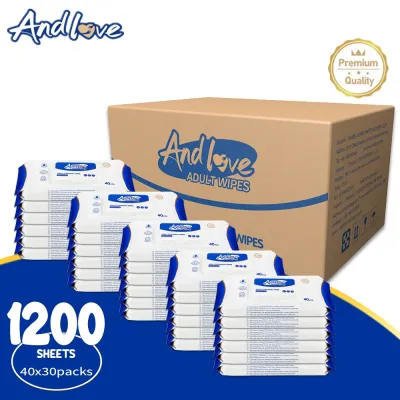
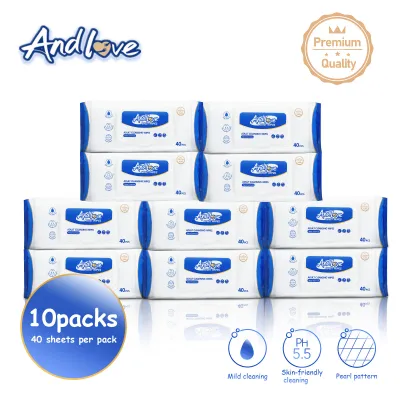
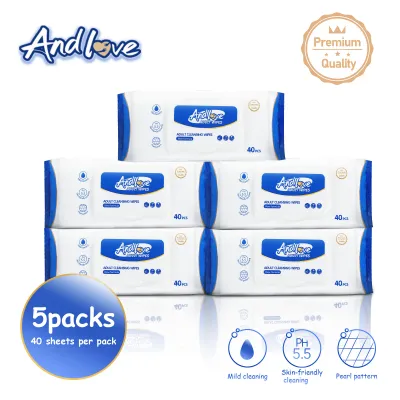
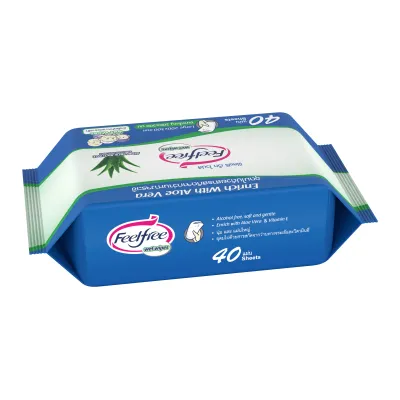

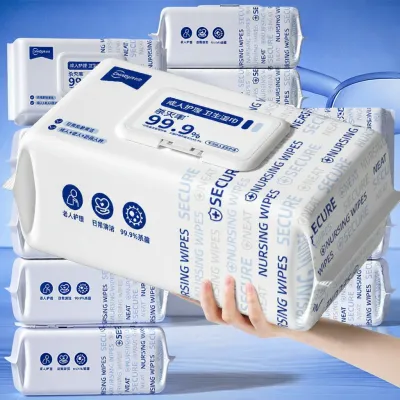
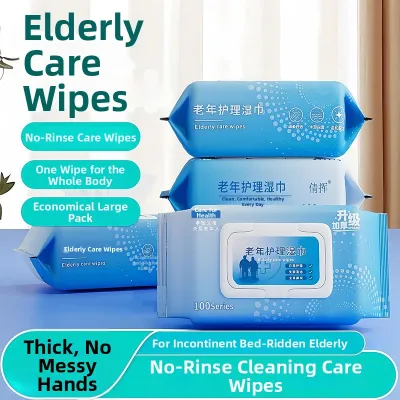
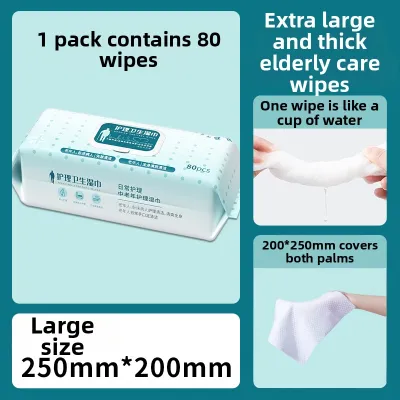
Prices are valid at publication and may change. Please refer to the product page for the latest price.
- Aloe Vera and Chamomile: These natural botanical extracts provide soothing properties, helping to calm minor irritation and reduce temporary redness on sensitive skin areas.
- Vitamin E: An antioxidant that supports skin health, vitamin E helps maintain moisture levels within the upper layers of the epidermis, promoting skin resilience.
- Dimethicone: A silicone-based ingredient that acts as a mild barrier cream. It leaves a thin, breathable protective layer on the skin, shielding it from the irritating effects of urine and stool.
Beyond the chemical formulation, the physical properties of the wipe play a crucial role in skin safety and caregiver convenience. Caregivers should evaluate the thickness, texture, and dimensions of the sheets before making a bulk purchase.
- Wipe Thickness: Thinner wipes tend to bunch up, fold, or tear during use. This not only increases the risk of hand contamination for the caregiver but also requires more physical pressure to clean effectively, which can irritate the senior's skin.
- Texture: A completely smooth wipe is ideal for highly sensitive, inflamed, or torn skin, as it minimizes friction. Conversely, a lightly textured wipe can be beneficial for lifting solid waste efficiently with minimal passes, provided the material itself is soft.
- Overall Dimensions: Extra-large (XL) wipes allow caregivers to cover a larger surface area with a single sheet. This reduces the number of wipes needed per cleanup, minimizing the repetitive friction applied to the senior's skin and making the care routine more efficient.
Comparing Wipe Formulations and Materials
Understanding the differences between water-based and lotion-based formulations is essential for matching the product to the senior’s specific skin needs. Both types have distinct advantages and trade-offs depending on the care scenario.

Water-based wipes typically contain over 95% purified water combined with minimal preservatives and mild cleansing agents. These wipes leave almost no residue behind, making them excellent for quick refreshes, hand cleaning, or for seniors with highly reactive skin that reacts to complex chemical mixtures. However, because they lack heavy moisturizing agents, they do not provide a protective barrier against moisture-induced skin breakdown.
Lotion-based wipes incorporate emollients, humectants, and moisturizing agents directly into the liquid solution. These wipes are designed to leave a thin, protective lipid layer on the skin after use, which helps combat the drying effects of frequent cleansing. In tropical climates, however, heavy lotion residues can sometimes feel sticky or trap sweat, potentially leading to heat rashes if the skin is not allowed to dry properly after cleaning.
| Feature | Water-Based Wipes | Lotion-Based Wipes |
|---|---|---|
| Primary Ingredient | Purified water (typically >95%) | Water emulsified with oils/emollients |
| Residue Left Behind | Minimal to none | Thin moisturizing/protective barrier |
| Best Used For | Quick refreshes, highly reactive skin | Incontinence care, dry skin prevention |
| Climate Consideration | Lightweight, ideal for humid weather | May feel heavy; requires thorough air drying |
The physical fabric of the wipe determines how gentle it feels against the skin. Spunlace nonwoven fabric is highly favored in elderly care because of its exceptional softness, strength, and absorbency. Unlike cheaper synthetic blends that can feel scratchy or leave tiny lint fibers behind, high-quality spunlace materials glide smoothly over the skin and hold onto moisture effectively. Caregivers should look for wipes that offer a balance of softness and tensile strength, ensuring the material stretches slightly under tension without tearing or shedding fibers during use.
Caregivers must also consider how the wipes are packaged, as this affects both hygiene and product longevity. Soft packs with rigid, resealable plastic lids are highly practical, offering a balance between portability and moisture retention. Hard tubs are excellent for bedside use, as they often allow for one-handed dispensing, which is crucial when a caregiver needs to keep one hand on the patient for safety. Resealable sticker-only packs are generally less durable, as the adhesive can lose its grip over time in humid environments, leading to the top wipes drying out and becoming abrasive.
Decision Framework: Choosing the Right Wipe for Your Routine
To simplify the selection process, caregivers can use a conditional framework based on the senior’s daily care needs and specific skin conditions.
- For Highly Reactive Skin or Known Allergies: Choose water-based, minimal-ingredient wipes. If the senior has a history of reacting to skincare products, avoiding botanical extracts, essential oils, and heavy lotions minimizes the risk of flare-ups. Look for formulas with the shortest ingredient list possible.
- For Frequent Incontinence Care: Choose lotion-based or barrier-cream-infused wipes. The active ingredients, such as dimethicone, help insulate the skin from the corrosive enzymes present in bodily waste, reducing the risk of diaper dermatitis and skin maceration.
- For Large-Area Cleansing: Choose extra-large, thick wipes. This ensures that a single sheet can cover a wide area, preventing the need for repetitive wiping motions that can cause friction-induced skin breakdown. It also helps caregivers manage the budget by reducing the number of wipes used per session.
- For Diagnosed Skin Conditions: Always verify the skin's condition first. If the senior has severe dermatitis, eczema, or open wounds, consult a healthcare professional before introducing any commercial wipe, as specialized medical cleansers or sterile wipes may be required.
Safe Usage and Skin Monitoring for Elderly Care
Even the gentlest wipe can cause irritation if applied with too much force. Caregivers should practice a patting or gentle sweeping motion rather than scrubbing or rubbing vigorously. Avoid dragging the wipe repeatedly over the same patch of skin, as this friction can create micro-tears in the fragile outer layer of the epidermis.
Before introducing a new brand of adult wipes to a senior’s daily routine, it is wise to perform a patch test. Apply a single wipe to a small, discreet area of the skin, such as the inner forearm, and wait 24 hours. Monitor the area closely for any signs of redness, itching, or swelling before committing to full-body use.
Caregivers must establish clear stop conditions to prevent serious skin damage. If you observe persistent redness, increased dryness, micro-tears, or signs of localized infection (such as warmth or pus), stop using the wipes immediately. Switch to warm water and a soft, dry cloth, and consult a healthcare professional for a proper assessment.
Finally, moisture management is critical in tropical environments. Always allow the skin to air dry completely after wiping before putting on a fresh diaper or incontinence brief. Trapping moisture inside a brief in warm weather is a primary cause of fungal infections and skin maceration, which can quickly escalate into painful pressure sores.
Frequently Asked Questions (FAQ)
Can I use baby wipes instead of adult wipes for seniors?
While baby wipes are designed for sensitive skin, they are not always the best substitute for adult care. Adult skin has a different pH level than infant skin, and adult wipes are specifically formulated to neutralize the strong ammonia found in adult urine, which helps prevent chemical burns on fragile skin.
Additionally, baby wipes are significantly smaller and thinner than adult wipes. Using them for adult care often requires multiple sheets, which increases the overall cost in ₱ and leads to more friction on the senior’s skin during cleanups. Adult wipes provide the necessary surface area and thickness to ensure hygienic, low-friction cleansing.
How should I store adult wipes to prevent them from drying out?
To maintain the moisture and effectiveness of adult wipes, always ensure the plastic lid or resealable sticker is pressed down firmly immediately after dispensing a sheet. This prevents air from entering the package and drying out the remaining wipes.
Store the packs in a cool, dry place away from direct sunlight and heat sources. In hot, humid climates, leaving a pack of wipes in a sunny room or inside a warm vehicle can cause the cleansing solution to evaporate quickly, rendering the wipes dry, stiff, and abrasive against sensitive skin.
Community discussion
Share your experience or ask a question. Comments are reviewed before publication.