
Selecting the right adult wet wipes for bulk purchase in the Philippines requires balancing cost-efficiency with physical performance and skin safety. Because caregiving needs vary widely, no single brand or product universally fits every scenario. The optimal choice depends on matching specific care requirements—such as managing moderate-to-severe incontinence, performing full-body bed baths, or facilitating quick daily freshening—with verifiable product specifications like sheet dimensions, material density, and formulation.
In home care, nursing homes, and clinical settings across the Philippines, adult wet wipes serve as indispensable tools for maintaining hygiene, preventing skin breakdown, and ensuring patient comfort. Unlike standard personal wipes, adult-specific wipes must handle larger surface areas and more demanding cleaning tasks while remaining gentle on fragile, aging skin. When purchasing these products in wholesale quantities, making an uninformed decision can lead to significant waste, skin irritation, or high consumption rates due to thin, easily torn sheets.
To make a sound investment, bulk buyers must look past marketing claims and evaluate the core technical specifications printed on product labels. The primary metrics to verify include the physical dimensions of the sheets, the material density—often measured in grams per square meter (GSM) or indicated by ply count—and the chemical composition of the liquid solution. Understanding these metrics allows procurement managers and family caregivers to compare wholesale options objectively, ensuring that the selected wipes deliver the necessary durability and skin protection.
Products mentioned in this guide
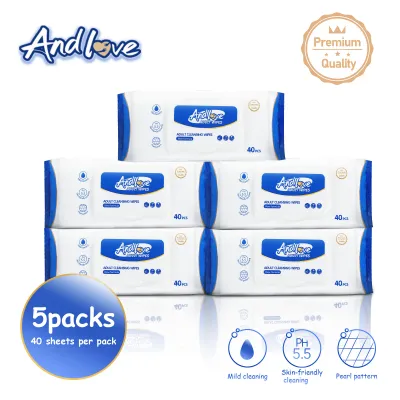
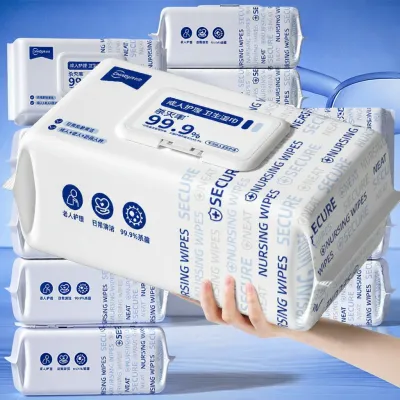
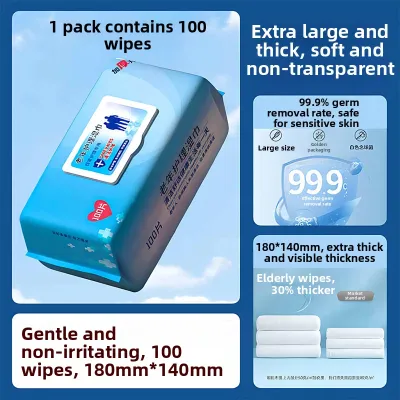
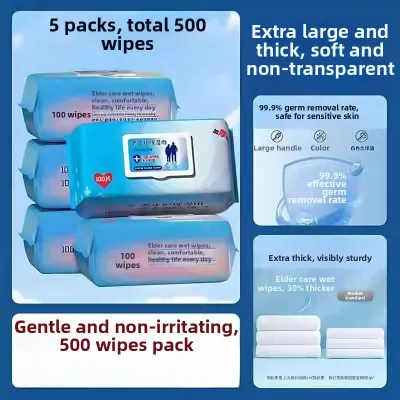
Prices are valid at publication and may change. Please refer to the product page for the latest price.
Comparing Wipe Size and Thickness for Effective Cleaning
The physical dimensions of an adult wet wipe directly dictate its usability and efficiency during caregiving routines. Standard personal wipes are often too small for adult care, requiring caregivers to use multiple sheets for a single task, which quickly inflates overall costs and waste. When evaluating wholesale packaging, look for explicit measurements of the sheet size, typically listed in centimeters or inches. For heavy-duty care, such as incontinence cleanup or bed baths, extra-large or “big” formats are highly recommended as they provide ample surface area to protect the caregiver’s hands and ensure thorough cleaning with fewer sheets.
Thickness is another critical factor that determines a wipe’s structural integrity and absorbency. This is scientifically measured as GSM (grams per square meter); a higher GSM indicates a denser, thicker fabric that is less likely to tear, stretch, or allow moisture to seep through during use. Low-GSM wipes may seem more economical on a per-piece basis, but they often require double-layering or frequent sheet changes, ultimately costing more in bulk. Denser wipes also retain moisture better, allowing a single sheet to remain wet throughout an entire cleaning task.
To help you align your bulk purchases with specific care requirements, the following table maps common wipe sizes and thickness levels to their most appropriate caregiving applications:
| Care Scenario | Recommended Wipe Size | Recommended Thickness (GSM) | Key Functional Requirement |
|---|---|---|---|
| Full-Body Bed Baths | Extra-Large (approx. 20 x 30 cm or larger) | High Density (50 to 70+ GSM) | High moisture retention and durability to cleanse large skin areas without tearing. |
| Incontinence Cleanup | Large to Extra-Large (approx. 20 x 25 cm) | Medium to High Density (45 to 60 GSM) | Strong barrier protection, high absorbency, and textured surface to lift waste efficiently. |
| Quick Hand & Face Wipes | Standard (approx. 15 x 20 cm) | Light to Medium Density (35 to 45 GSM) | Softness, gentle formulation, and moderate moisture for rapid, non-invasive freshening. |
By analyzing these specifications on wholesale product listings, buyers can avoid the common pitfall of purchasing thin wipes that fail under practical caregiving conditions.
Evaluating Materials and Ingredients for Skin Safety
The material composition of a wet wipe determines its texture, strength, and how it feels against fragile skin. Most commercial wet wipes are made from nonwoven fabrics, which are manufactured by bonding fibers together mechanically, thermally, or chemically. Spunlace nonwoven fabric, often made from a blend of polyester and viscose, is highly common in adult wipes due to its balance of strength, softness, and cost-effectiveness. For those prioritizing environmental sustainability or exceptional softness, bamboo-derived fibers or organic cotton blends offer excellent alternatives, though they may carry a premium wholesale price.

Beyond the fabric itself, the liquid formulation infused into the wipes is of paramount importance for skin health. Aging or bedridden individuals often have thin, dry, and easily compromised skin barriers that are highly susceptible to contact dermatitis and pressure sores. When reviewing ingredient lists on bulk orders, prioritize formulations that include soothing agents such as aloe vera, chamomile extract, or vitamin E, which help soothe and moisturize the skin. Conversely, it is crucial to avoid products containing ethyl alcohol, which strips natural oils and exacerbates dryness, as well as harsh preservatives like parabens or methylisothiazolinone (MIT), and strong artificial fragrances that can trigger allergic reactions.
Because bulk purchases involve committing to hundreds or thousands of packs, verifying safety claims is a vital step in the procurement process. Look for clear labels indicating that the product is dermatologically tested, hypoallergenic, and pH-balanced—ideally matching the natural slightly acidic pH of human skin (around 5.5). In the tropical climate of the Philippines, where heat and humidity can worsen skin chafing and sweat rashes, using a balanced, non-irritating formulation is essential to prevent secondary skin infections and maintain overall patient comfort.
Assessing Packaging and Moisture Retention for Wholesale Orders
Packaging design plays a decisive role in maintaining the quality of wet wipes over long storage periods, especially under the high ambient temperatures and humidity levels typical of the Philippines. If the packaging fails to seal properly, entire cases of wipes can dry out before they are ever used, resulting in a complete loss of investment. Soft packs equipped with rigid plastic flip-top lids generally offer the most reliable moisture seal for daily use, as they prevent air from entering the pack after dispensing. Hard plastic tubs are also highly effective for stationary care settings, though they may take up more storage space and are less convenient for mobile caregiving.
The size of individual packs within a wholesale order also affects usage rates and shelf life. Standard packs containing 80 to 100 wipes are highly practical for high-frequency care environments, as they are typically depleted before the adhesive or plastic lid loses its sealing capability. Conversely, massive institutional packs with hundreds of wipes may dry out toward the bottom if they are not used quickly. When planning storage space for bulk shipments, consider how the packs stack; rigid flip-top packs are easier to stack neatly in supply closets, whereas simple peel-and-reseal sticker packs tend to slide and are more prone to accidental tearing.
Before finalizing a large wholesale delivery, establish a protocol for inspecting the shipment upon arrival. Check the integrity of the outer cartons and individual plastic seals to ensure no moisture has leaked during transit. Additionally, inspect the manufacturing and expiration dates printed on the packaging; most wet wipes have a shelf life of two to three years when unopened, but this can be significantly shortened if stored in hot, unventilated warehouses. Ensuring that your supplier provides fresh stock is critical when buying in quantities meant to last several months.
Building Your Bulk Purchasing Shortlist
To streamline your procurement process, you can categorize your options into distinct product profiles based on your primary caregiving objectives. This structured approach prevents decision fatigue and ensures that the physical properties of the wipes align perfectly with your daily operational needs.
Choose Profile A if your primary focus is comprehensive clinical care, bed baths, or managing moderate-to-severe incontinence. For these demanding tasks, you should prioritize extra-large, high-GSM (50+ GSM) wipes featuring a textured surface. These specifications ensure the wipe can handle heavy cleaning without tearing or folding over, protecting the caregiver’s hands and minimizing the number of sheets required per session. Look for formulations enriched with skin-protecting barriers like zinc oxide or dimethicone, and ensure the packaging features a heavy-duty plastic flip-top lid to preserve moisture in high-use environments.
Choose Profile B if you require wipes for general personal hygiene, quick hand and face cleaning, or highly sensitive skin maintenance. In this scenario, standard-sized wipes (around 15 x 20 cm) with a medium thickness (35 to 45 GSM) are highly efficient and cost-effective. The formulation should be strictly fragrance-free, alcohol-free, and hypoallergenic to accommodate individuals prone to allergies or skin irritation. This profile is ideal for self-use by active adults or for light caregiving tasks where heavy-duty barrier protection is not required.
Before committing to a large-scale wholesale order, it is highly recommended to request sample packs from suppliers or purchase single packs from online marketplaces. This allows you to physically test the wipe’s tensile strength, texture, moisture level, and dispensing ease in your actual care environment. When evaluating suppliers in the Philippines, verify the current unit prices in Philippine Pesos (₱), confirm the minimum order quantities (MOQs) required for wholesale discounts, and clarify shipping logistics—particularly regarding temperature-controlled transport or transit times to provincial areas, as prolonged exposure to heat during shipping can degrade the product’s moisture content.
Frequently Asked Questions (FAQ)
Can I use baby wipes instead of adult wipes for elderly care?
While baby wipes are gentle and widely available, they are generally not an ideal substitute for adult care due to differences in size and thickness. Baby wipes are designed for infant dimensions and are typically much smaller and thinner, meaning a caregiver would need to use several sheets to accomplish a single adult cleaning task, leading to higher overall waste and cost. Furthermore, adult skin has different physiological needs than infant skin; aging skin is thinner, less elastic, and has a different natural pH balance. Adult-specific wipes are formulated to address these changes, often containing specialized skin barriers and larger, thicker fabrics designed to handle heavier cleaning tasks efficiently.
How should I store bulk wet wipes to prevent them from drying out?
To preserve the quality and moisture of bulk wet wipe inventory, store the unopened cartons in a cool, dry place away from direct sunlight and heat sources, which is especially important in the tropical climate of the Philippines. Avoid storing inventory in unventilated outdoor sheds or top-floor storage rooms where temperatures can soar. Implement a first-in, first-out (FIFO) inventory system to ensure older stock is used before newer shipments. Once a pack is opened for use, instruct caregivers to firmly press down the plastic flip-top lid or resealable adhesive strip immediately after extracting a wipe to prevent ambient air from drying out the remaining sheets.
Community discussion
Share your experience or ask a question. Comments are reviewed before publication.