
Quick Answer: Evaluating Wipes for Sensitive Skin
Finding the safest 10-pack wipes for sensitive skin in the Philippines requires looking beyond brand names and focusing on formulation, material, and packaging. The ideal travel-sized wipe must be completely free of drying alcohols, parabens, and synthetic fragrances, which are the primary triggers for contact dermatitis. It should feature a pH-balanced formula that matches the natural acidity of healthy skin, typically between 4.5 and 5.5, to preserve the skin’s protective barrier.
Furthermore, the physical material must be soft and smooth, preventing micro-abrasions that can occur when wiping delicate skin in hot, humid weather. Because every baby’s skin reacts differently, the most reliable option is ultimately the one that passes a careful ingredient check and a localized patch test. Parents should prioritize transparency and clinical testing over generic marketing claims.
Core Dimensions for Comparing 10-Pack Wipes
When comparing different “wioes 10 packs” (the compact, travel-friendly wipe packages), several practical and safety metrics must be weighed to determine which product suits your child’s needs.
Products mentioned in this guide
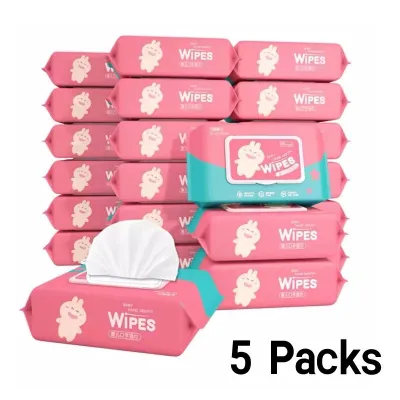
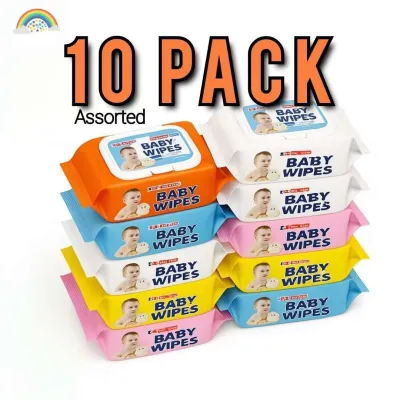
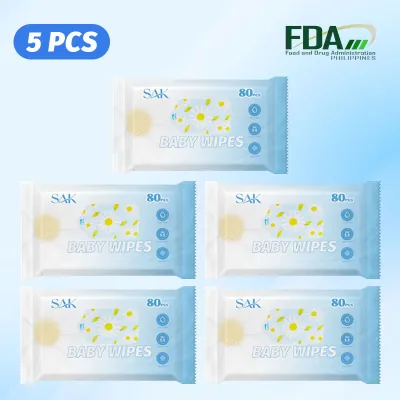
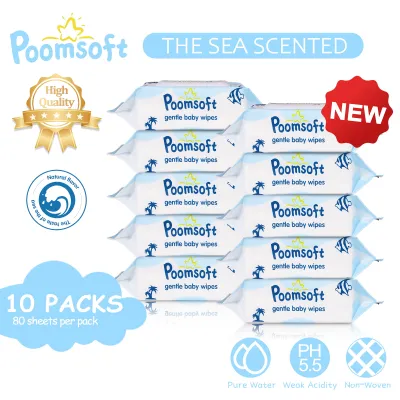
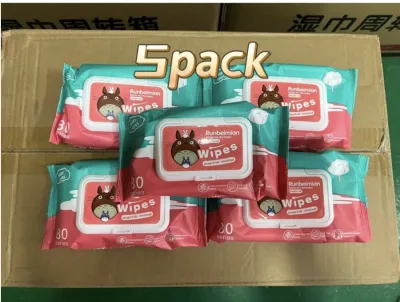
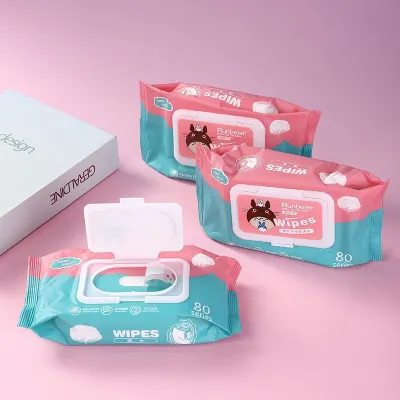
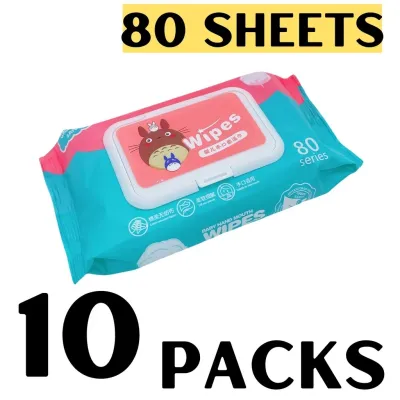
Prices are valid at publication and may change. Please refer to the product page for the latest price.

Ingredient Transparency and Soothing Agents
A high-quality wipe should have a fully disclosed ingredient list on the back of the packaging. Look for formulations that incorporate natural, soothing botanical extracts such as aloe vera, chamomile, or calendula. These ingredients help calm irritated skin and provide a mild moisturizing layer. However, ensure these extracts are not accompanied by hidden essential oils, which can sometimes trigger allergic reactions in highly sensitive individuals.
Physical Attributes: Thickness, Texture, and Moisture
The physical construction of the wipe determines how effectively it cleans without causing friction. Thicker, embossed wipes are generally preferable because they create a barrier between your hand and the mess, requiring fewer passes to clean the skin. In the tropical climate of the Philippines, high humidity can exacerbate diaper rash, making it crucial that the wipe is sufficiently moist but not dripping wet. A textured surface can help lift residue gently, whereas a rough or poorly woven material can scratch and irritate inflamed skin.
Packaging Integrity in Tropical Climates
The 10-pack format is designed for portability, often stored in diaper bags, purses, or car compartments. In the intense heat of the Philippines, cheap plastic seals can quickly lose their adhesive properties, causing the wipes to dry out and render them useless. Look for 10-packs that feature high-quality, resealable sticker flaps with a secure adhesive boundary, or compact plastic lids if available. The packaging material should be thick enough to resist punctures from keys or other items in your bag.
Value Analysis: Calculating Cost per Wipe
While safety is the priority, budget efficiency remains important for daily parenting. To find the true value of a 10-pack, do not look only at the retail price. Calculate the cost per individual wipe by dividing the total package price in ₱ by ten. Compare this unit cost across different brands. Often, paying a slightly higher price in ₱ for a thicker, more durable wipe is more economical in the long run, as you will use only one wipe per change instead of three or four thin, flimsy ones.
Decoding Sensitive Skin Labels and Certifications
Navigating the marketing claims on baby wipe packaging can be challenging for parents dealing with sensitive skin conditions. Understanding what these terms actually mean is essential for making an informed purchase.
Fragrance-Free vs. Unscented
One of the most common points of confusion is the difference between “fragrance-free” and “unscented” labels. A “fragrance-free” product is formulated without any chemicals or natural ingredients added specifically to impart a scent. On the other hand, an “unscented” product may contain masking agents—chemicals designed to neutralize the unpleasant smell of other raw ingredients. For highly reactive skin, always prioritize “fragrance-free” options, as masking agents can still trigger allergic contact dermatitis.
Hypoallergenic and Dermatological Claims
The term “hypoallergenic” indicates that the product is formulated to minimize the risk of allergic reactions. While this is a helpful starting point, the term is not strictly regulated globally. Parents should look for additional verification, such as “dermatologically tested” or “pediatrician-approved” seals. These marks indicate that the formulation has undergone clinical evaluation under professional supervision. Look for certifications from recognized dermatological associations or independent testing laboratories printed on the back of the pack.
Greenwashing and Marketing Buzzwords
Be cautious of vague marketing terms like “pure,” “natural,” or “organic” printed prominently on the front of the package. These words are often used loosely to appeal to eco-conscious buyers. A wipe labeled “natural” may still contain synthetic preservatives that can irritate sensitive skin. Always turn the package over and read the actual ingredient list. If the list is filled with complex chemical names that you cannot verify, research those specific ingredients or opt for a brand with a simpler, more transparent formulation.
Safe Introduction and Patch Testing Protocols
Even if a 10-pack wipe is labeled as hypoallergenic and fragrance-free, you should never use it extensively on reactive skin without performing a proper patch test first. This precautionary measure helps identify potential localized allergies before a widespread reaction occurs.
Step-by-Step Patch Test Guide
To conduct a safe patch test, follow these steps:
- Select a small, healthy area of skin, such as the inner forearm or the upper thigh. Avoid areas that are already red, chafed, or broken.
- Gently swipe a small corner of a fresh wipe over the selected area. Do not scrub or apply heavy pressure.
- Allow the liquid from the wipe to dry naturally on the skin. Do not wash the area for at least twenty-four hours.
- Keep the area dry and clean during the testing period to ensure any reaction is solely due to the wipe's ingredients.
What to Monitor
Observe the test site closely over the next 24 to 48 hours. Look for any signs of localized irritation or allergic response. These signs include:
- Mild to severe redness (erythema)
- Small bumps, hives, or a raised rash
- Itching, dry patches, or scaling skin
- Warmth or swelling in the tested area
If any of these symptoms appear, wash the area immediately with cool, clean water and discontinue use of that specific wipe brand.
When to Seek Professional Medical Advice
If your child experiences a severe reaction during the patch test, or if a rash develops after regular use that does not subside within a few days, stop using the product immediately. Consult a pediatrician or a pediatric dermatologist. Seek immediate medical attention if the skin begins to blister, ooze, show signs of infection (such as pus or extreme warmth), or if the rash is accompanied by a fever or signs of systemic distress. Never attempt to self-treat severe allergic reactions with over-the-counter steroid creams without professional guidance.
Purchasing Safely and Inspecting Your 10-Packs
Ensuring the safety of your baby’s skin also depends on where and how you purchase your 10-pack wipes. Counterfeit or poorly stored products can pose significant health risks.
Sourcing from Authorized Channels
Always purchase your baby wipes from authorized retailers, official brand storefronts on reputable ecommerce platforms, or established physical pharmacies and supermarkets in the Philippines. Avoid buying from unverified third-party sellers on online marketplaces, as these products may be counterfeit, expired, or stored in sub-optimal conditions. Official distributors guarantee that the products have been transported and stored according to manufacturer guidelines, preserving the efficacy of the mild preservatives used.
Physical Inspection Checklist
When your 10-pack wipes arrive or when you pick them up from a store shelf, perform a quick physical inspection:
- Check the adhesive seal: Ensure the resealable sticker is completely intact and has not been peeled back or tampered with.
- Squeeze the pack gently: If air escapes easily or if liquid leaks out, the seal is compromised, which can lead to contamination or premature drying.
- Feel the moisture distribution: Store the packs flat so the moisture remains evenly distributed throughout all ten sheets.
Shelf Life and Expiry Dates
Locate the manufacturing and expiration dates printed on the side or bottom of the packaging. Sensitive skin wipes often use milder, food-grade preservatives to prevent bacterial growth. Consequently, they may have a shorter shelf life than standard wipes. Do not purchase or use wipes that are past their expiration date, as expired preservatives can allow harmful bacteria or mold to multiply within the moist environment of the pack, posing a severe risk to compromised skin barriers.
Frequently Asked Questions (FAQ)
Are 100% water wipes always the best choice for sensitive skin?
While wipes containing 99.9% water and a drop of fruit extract are highly recommended for newborns and extremely sensitive skin, they are not always the universal solution. Because these wipes contain minimal or no traditional preservatives, they have a very short shelf life once opened and must be used quickly to prevent bacterial contamination. Additionally, pure water wipes may lack the mild cleansing agents needed to break down stubborn, oily messes or sticky residues effectively. In such cases, a wipe formulated with gentle, dermatologically tested surfactants can clean the skin more efficiently with fewer wipes, reducing the friction and physical irritation caused by repeated rubbing.
Can I use baby wipes for adult sensitive skin conditions?
Yes, adults with sensitive skin, eczema, or contact dermatitis can safely use high-quality baby wipes, but there are important physiological differences to consider. Adult skin has a slightly different natural pH and a thicker epidermal layer compared to infant skin. While baby wipes are gentle enough for adult use, they may not contain the specific active ingredients or barrier-repairing lipids that adult-specific sensitive skin cleansers offer. For daily personal hygiene or managing specific dermatological conditions, adults may find specialized, medical-grade wipes or adult-formulated sensitive wipes more effective for their unique skin barrier requirements.
Community discussion
Share your experience or ask a question. Comments are reviewed before publication.