
A co-sleeper crib can be a safe and highly convenient sleep solution for your newborn, provided it is manufactured to strict safety standards, assembled correctly, and securely attached to your adult bed. Unlike direct bed-sharing, a dedicated bedside co-sleeper offers the close proximity parents crave while maintaining a separate, firm, and flat sleeping surface that minimizes sleep-related hazards. However, safety is not automatic; it depends entirely on your choice of product, rigorous adherence to setup guidelines, and daily vigilance.
For many new parents, the early weeks of sleep deprivation make a bedside crib incredibly appealing. It allows you to comfort, monitor, and nurse your baby throughout the night without constantly getting out of bed. To ensure this convenience does not compromise your infant’s safety, you must understand how to evaluate these products, set them up without gaps, and recognize when your baby has outgrown them.
Bedside Co-Sleepers vs. Adult Bed-Sharing
Understanding the distinction between using a dedicated co-sleeper crib and sharing an adult mattress is crucial for your baby’s safety. Adult mattresses are designed for adult comfort, meaning they are often too soft for a newborn. A soft surface can conform to a baby’s face if they roll over, potentially blocking their airway. Additionally, adult bedding—such as plush pillows, heavy duvets, and loose sheets—poses severe suffocation and entrapment risks to an infant who cannot yet move away from hazards.
Products mentioned in this guide
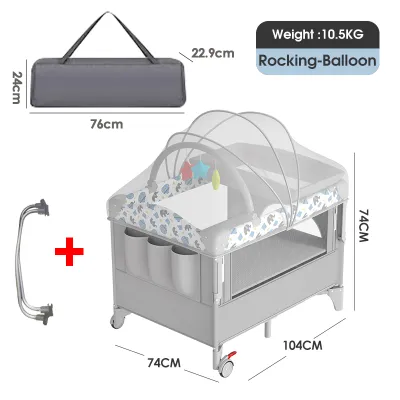
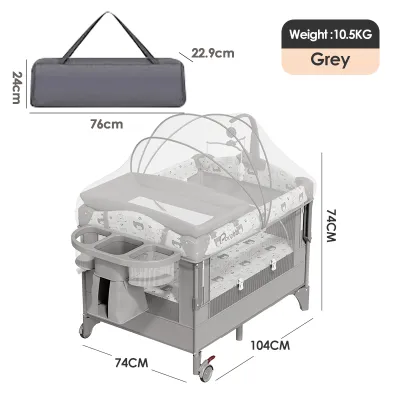
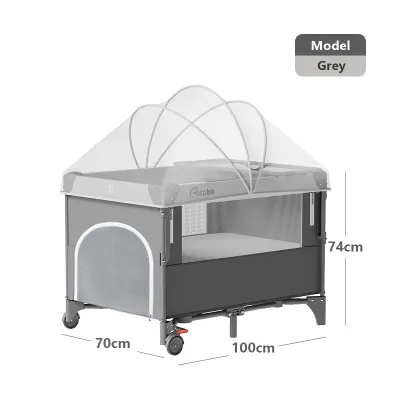


Prices are valid at publication and may change. Please refer to the product page for the latest price.
In a tropical climate like the Philippines, where families often use electric fans or air conditioning units to manage heat and humidity, adult beds can easily accumulate loose sheets or light blankets that might shift during the night. If a baby is sleeping directly in the adult bed, these lightweight fabrics can easily cover their face. A dedicated co-sleeper crib eliminates this risk by providing a firm, flat mattress specifically engineered to support a newborn’s developing spine and keep their airway clear.
Furthermore, adult bed-sharing carries the risk of overlay, where a sleeping parent accidentally rolls onto the infant. A co-sleeper crib provides a physical barrier that protects your baby from accidental rolling while keeping them within arm’s reach. This setup allows you to maintain close contact for bonding and easy nighttime feeding while ensuring your baby remains on their own secure, dedicated sleep surface.
Essential Safety Features to Verify Before Use
Before purchasing or assembling a co-sleeper crib, you must verify several critical safety features to ensure the product is structurally sound and fit for a newborn. The first and most important feature to inspect is the mattress fit and firmness. The mattress must be exceptionally firm and fit snugly within the crib frame. If you can fit more than two fingers between the edge of the mattress and the crib walls, the gap is too large, presenting a dangerous entrapment hazard where a baby’s head or limbs could become wedged.

Next, examine the side panels of the crib. Safe co-sleepers feature breathable mesh sides rather than solid fabric or wide wooden slats. This fine, tightly woven mesh ensures continuous airflow, which is vital in warm, humid environments to prevent your baby from overheating. The mesh also allows you to easily monitor your baby’s breathing and movements from your own bed without having to sit up or disturb their sleep.
Another non-negotiable safety feature is the attachment mechanism. A secure co-sleeper must include robust, adjustable straps or brackets designed to anchor the crib directly to your adult bed frame or mattress base. These anchors prevent the co-sleeper from drifting away from your bed during the night. Any movement of the crib away from the adult bed creates a dangerous drop-off gap that can lead to severe falls or entrapment.
Finally, always look for recognized safety certification labels on the product packaging, frame, or user manual. Do not rely solely on marketing claims or product titles on online marketplaces. Look for clear indications of compliance with international safety standards, such as ASTM (American Society for Testing and Materials) or EN (European Standards). These certifications verify that the product has undergone rigorous testing for structural stability, material safety, and load-bearing capacity.
Safe Setup and Daily Usage Precautions
Correct installation is just as important as choosing a certified product. When setting up the co-sleeper, the height of the crib’s lowered side panel must align perfectly with the top of your adult mattress. If the co-sleeper is positioned higher or lower than your mattress, it creates an uneven ledge or a gap where your baby could roll and become trapped. Always adjust the crib’s height settings according to the manufacturer’s instructions to achieve a perfectly flush alignment.
Maintaining a completely clear sleep space inside the co-sleeper is essential for every sleep period. Because of the warm tropical climate, newborns do not require heavy blankets, quilts, or sleep sacks. A simple, well-fitted swaddle or a lightweight, breathable sleep suit is more than sufficient to keep your baby comfortable. Keep the crib entirely free of pillows, stuffed toys, decorative bumpers, and loose sheets, as these items are common causes of accidental suffocation.
Daily vigilance is required to keep the sleeping environment secure. Whenever you are not actively feeding, comforting, or placing your baby in the crib, the drop-side panel must be fully raised and securely locked into its upright position. Leaving the side panel down when you are asleep or out of the room increases the risk of the baby rolling out of the crib or onto the adult bed. Regularly inspect the attachment straps to ensure they remain tight and have not loosened from daily movement.
Always place your baby on their back for every sleep session, whether it is a quick daytime nap or nighttime sleep. Back-sleeping is the single most effective way to keep your baby’s airway open and safe. Avoid using sleep positioners, wedges, or rolled-up towels inside the co-sleeper. These products are not safety-tested and can easily shift, creating a suffocation hazard if your baby’s face presses against them.
When to Stop Using the Co-Sleeper Crib
A co-sleeper crib is a temporary sleep solution designed specifically for the earliest stages of infancy. You must closely monitor your baby’s physical development and transition them to a different sleep space as soon as they reach key milestones. The moment your baby begins to roll over, push up on their hands and knees, or attempt to sit or pull themselves up, you must stop using the co-sleeper configuration immediately. These movements make it easy for a baby to climb or fall over the relatively low sides of a bedside crib.
In addition to developmental milestones, you must strictly adhere to the manufacturer’s weight and height limits. These limits are specified in your product manual and are calculated based on the structural limits of the crib’s support legs and attachment mechanisms. Regularly weigh your baby and measure their length during their routine check-ups to ensure they have not outgrown the manufacturer’s safety thresholds.
When your baby outgrows the co-sleeper, plan a safe transition to a standalone crib, a full-sized cot, or a certified playard. To make the transition smoother, you can initially place the standalone crib in your bedroom, allowing your baby to remain close to you while sleeping in a larger, fully enclosed space. Ensure this new sleep surface also features a firm mattress, a tight-fitting sheet, and a completely clear sleeping area.
Frequently Asked Questions (FAQ)
Can I use a co-sleeper crib if my adult bed has a thick pillow-top mattress?
Using a co-sleeper crib with a thick pillow-top mattress requires extra caution because the plush, uneven edges of the mattress can make it difficult to achieve a secure, flush fit. If the pillow-top mattress bulges outward, it can create dangerous gaps between the adult bed and the co-sleeper frame, even when the attachment straps are pulled tight. You must consult your co-sleeper’s instruction manual to verify if the model is compatible with extra-thick or pillow-top mattresses. If you cannot achieve a perfectly level, gap-free alignment where the two surfaces meet, do not use the bedside configuration; instead, raise the side panel and use the co-sleeper as a standalone crib.
Is it safe to use a second-hand co-sleeper crib?
Using a second-hand co-sleeper crib is generally not recommended unless you can verify its complete history and structural integrity. Over time, plastic brackets can become brittle, attachment straps can fray, and structural joints can loosen, compromising the crib’s stability. If you do choose to use a pre-loved model, you must perform a thorough inspection to ensure that all original hardware is present, the frame is sturdy, and the fabric and mesh are free of tears. You must also obtain the original instruction manual to ensure correct assembly and check online databases to confirm that the specific model has not been recalled by the manufacturer.
Community discussion
Share your experience or ask a question. Comments are reviewed before publication.