
Choosing the right portable baby high chair depends on your home’s layout, your dining table design, and how often you travel. If you live in a compact space with a thick, sturdy wooden dining table, a clip-on high chair offers an excellent space-saving solution that keeps your floor clear. For homes with varying table styles, delicate glass tops, or open floor plans, a foldable freestanding high chair provides a versatile, independent option that works on any surface. If your family frequently dines out, visits relatives, or travels, a lightweight hook-on high chair offers the ultimate quick-attach convenience for standard tables. Ultimately, the best fit depends on matching your furniture’s physical dimensions with the manufacturer’s strict weight and thickness specifications.
Understanding the Three Types of Portable High Chairs
Before diving into a detailed comparison, it is essential to understand how these three portable high chair designs function. While they all aim to keep your baby secure during mealtimes, their mechanical structures, attachment methods, and spatial footprints differ significantly. Selecting the wrong type can lead to compatibility issues with your existing furniture or safety hazards during daily use.
Clip-On High Chairs
Clip-on high chairs utilize a robust clamping mechanism, often featuring C-clamps or heavy-duty screw-tightening arms that grip the edge of your dining table. These arms extend both above and below the tabletop, sandwiching the surface to create a secure, suspended seat. Because they rely entirely on the table for support, they do not have legs and leave the floor space beneath completely open. This design allows your baby to sit directly at the table with the rest of the family, fostering early social interaction and making cleanup easier since there is no separate tray to wash.
Products mentioned in this guide
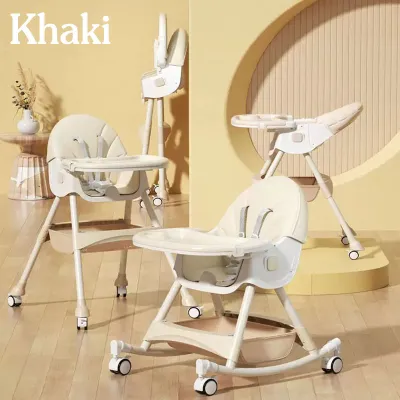
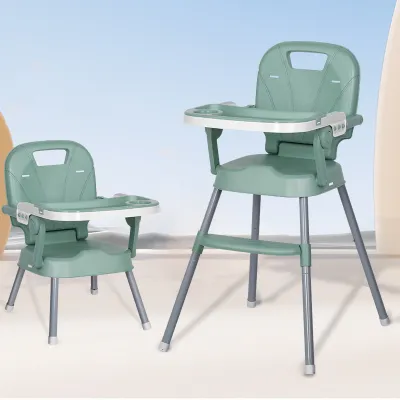
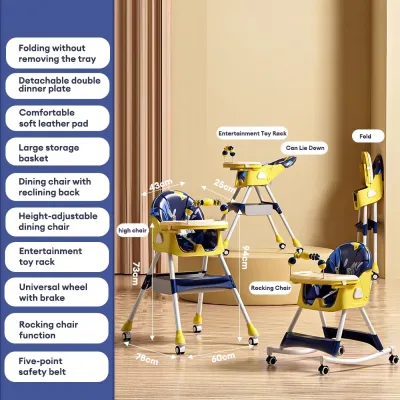
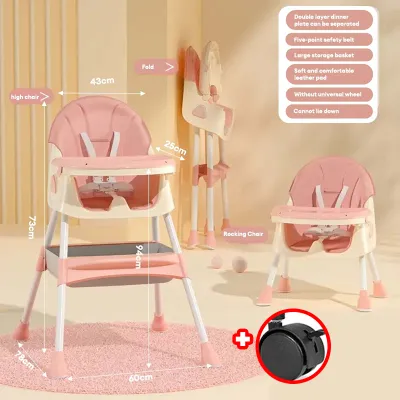
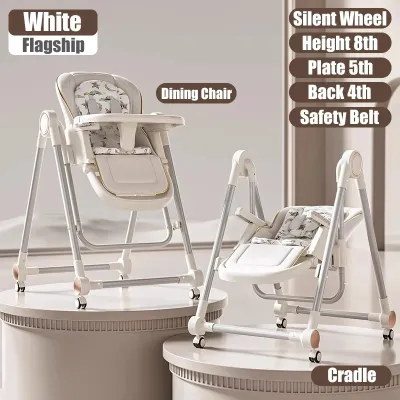
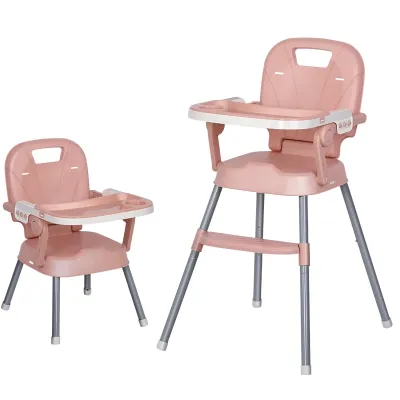
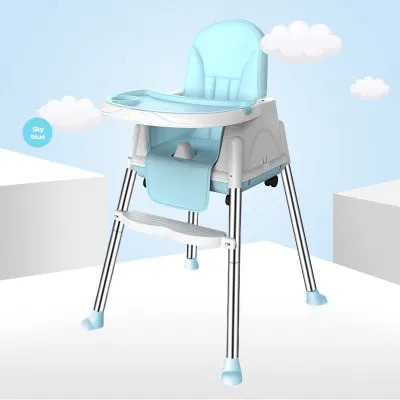
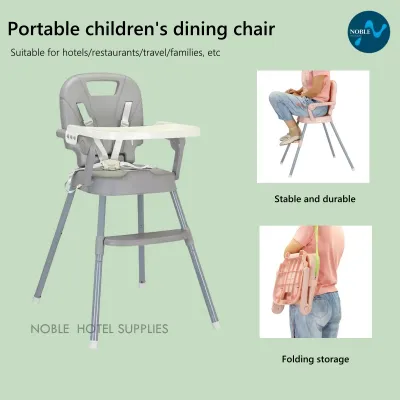
Prices are valid at publication and may change. Please refer to the product page for the latest price.
To use a clip-on model safely, you must verify the thickness of your tabletop and check for any decorative wooden lips or undersurface frames that might prevent the clamps from flush alignment. They are highly suited for solid wood or stone dining tables in smaller apartments or condominiums where saving floor space is a daily priority. However, they are not compatible with delicate materials, tables with hollow cores, or single-pedestal tables that could tip under uneven weight distribution.
Foldable Freestanding High Chairs
Foldable freestanding high chairs are independent structures that do not attach to your dining furniture. Instead, they feature collapsible legs that can be unfolded for mealtime and folded flat for storage in a closet, utility area, or behind a door. They function similarly to traditional full-sized high chairs but are designed with lightweight materials, compact folding joints, and often include a detachable plastic tray. This makes them highly self-contained, allowing you to feed your baby anywhere in the home without relying on a table.
These chairs require dedicated floor space when in use, but they eliminate any worries about table compatibility, lip overhangs, or surface scratches. They are highly versatile, allowing you to feed your baby in the dining room, kitchen, or even on a covered patio during humid afternoons. They are ideal for households with glass tables, round tables, or pedestal-style dining furniture, providing a consistent and stable seating environment regardless of your room layout.
Hook-On High Chairs
Hook-on high chairs rely on a combination of spring-loaded arms, rubberized grips, and the child’s own weight to secure the seat to a table edge. Unlike screw-tightened clip-on models, hook-on chairs often feature a simpler slip-on design with lever-based locks that make them incredibly fast to install and remove. They are engineered to be exceptionally lightweight and frequently fold down into a compact, flat shape that fits easily into a travel bag or the bottom of a stroller.
These chairs are the classic choice for families who love to dine out at local restaurants, visit grandparents, or travel over weekends. They work best on standard, heavy tables that lack prominent decorative lips or deep undersurface aprons. Because they are designed for rapid deployment, they are highly convenient for on-the-go parents, but they require careful inspection of the table’s stability and material before every single use to ensure a secure fit.
Key Comparison Dimensions for Your Living Situation
To determine which portable baby high chair fits seamlessly into your daily routine, you must evaluate how each type performs across key practical dimensions that impact your living space and lifestyle.

Space and Storage In compact urban homes, every square meter of floor space matters. Clip-on and hook-on high chairs excel in small dining areas because they suspend the child at table height, leaving the floor completely clear of tripping hazards. This makes it much easier to navigate tight dining spaces or narrow kitchens. Foldable freestanding high chairs, on the other hand, have a larger physical footprint when open, which can crowd smaller rooms. However, their ability to fold flat means they can be tucked away out of sight when mealtimes are over, whereas clip-on models are often left attached to the table to avoid the hassle of daily reinstallation.
Table Compatibility Table compatibility is the most critical limiting factor for suspended high chairs. Clip-on and hook-on models require a flat, rigid, and structurally sound table surface with a specific thickness range, usually detailed in the product manual. They cannot be used on glass, tile, plastic folding tables, pedestal tables, or tables with a single center leg, as these surfaces can crack or tip over under the offset weight. Foldable freestanding high chairs offer absolute compatibility because they stand on their own four legs. Whether your dining table is round, made of delicate glass, or features a deep decorative apron, a freestanding chair will work without risking damage to your furniture.
Portability and Travel If you plan to use the high chair outside your home, portability is a major consideration. Hook-on high chairs are the undisputed champions of travel, often weighing very little and folding into flat, compact packages that slide into a travel bag or stroller basket. Clip-on models are also portable but tend to be slightly bulkier and heavier due to their robust metal screw clamps. Foldable freestanding high chairs are the least portable option; while they fold flat for storage inside the home or can be tossed into a car trunk for a trip to a relative’s house, they are too large and cumbersome for casual trips to a local cafe or restaurant.
Comfort and Adjustability Your child’s comfort during meals can make a significant difference in their willingness to sit and eat. Foldable freestanding high chairs generally offer the highest level of comfort, featuring padded seats, adjustable footrests, and multiple recline positions that accommodate growing babies. Clip-on and hook-on models are typically more minimalist, featuring fabric bucket seats with basic padding and no footrests. While these suspended seats are perfectly comfortable for quick meals, they do not offer the same level of ergonomic adjustability or postural support for extended sitting sessions. Additionally, in warm, humid climates, look for breathable fabrics that prevent your baby from overheating during mealtimes.
Safety, Stability, and Compatibility Checks
When using any portable baby high chair, safety and stability must be your primary focus. Because suspended chairs rely on your existing furniture, and foldable chairs rely on proper joint locking, taking time to perform routine checks is essential.
Table and Surface Verification Before attaching a clip-on or hook-on high chair, you must thoroughly inspect your dining table. Ensure the table is heavy enough to counteract the weight of your child hanging from the edge; lightweight plastic, card tables, or small accent tables can easily tip forward. Check the underside of the table for any wooden lips, support beams, or decorative trim that might prevent the rubber pads of the clamps from making full, flat contact with the surface. Never attach these chairs to glass, acrylic, or unstable pedestal tables, as the pressure from the clamps can shatter fragile materials or cause the entire structure to capsize.
Manufacturer Specifications Every high chair comes with specific manufacturer guidelines regarding age, weight, and developmental milestones. Never assume a chair is safe for your baby based solely on its appearance. Always read the product label to verify the maximum weight limit, which typically ranges from 15 to 37 pounds depending on the model. Additionally, ensure your child has reached the necessary developmental stage—usually meaning they can sit upright completely unassisted and have strong neck control—before placing them in any portable high chair.
Harness and Attachment Inspection A secure harness is vital to prevent your child from climbing or slipping out of the seat. Look for a fully adjustable three-point or five-point harness, and ensure it is buckled snugly around your child during every use. For clip-on and hook-on models, visually inspect the clamping mechanisms before placing your baby in the seat. Give the chair a firm downward tug to ensure the rubber grips are locked tightly against the table and do not slide. For foldable models, double-check that the frame’s safety locks are fully engaged so the chair cannot accidentally collapse while your child is seated.
When to Stop Use Knowing when to transition away from a portable high chair is crucial for preventing accidents. You should immediately stop using a suspended high chair if your child approaches or exceeds the manufacturer’s weight limit, or if they learn to push their feet against the table legs or crossbars, which can dislodge the clamps. Regularly inspect the fabric, stitching, and metal joints for signs of wear, fraying, or rust, especially in humid tropical climates where moisture can degrade materials over time. If you notice any loose screws, cracked plastic, or slipping grips, discontinue use immediately and contact the manufacturer.
How to Choose the Right Portable High Chair for Your Family
To make your final decision, consider your home’s physical layout, your lifestyle, and your child’s specific needs. This practical decision framework will help you select the ideal option.
Choose Clip-On If:
- You live in a compact apartment or condominium where floor space is at a premium and you want to keep walkways clear.
- You have a heavy, solid wood or stone dining table with a flat edge and no deep decorative undersurface trim.
- You want a semi-permanent dining solution that integrates your baby directly at the family table without cluttering the room.
Choose Foldable If:
- You have a glass, pedestal, or lightweight dining table that cannot safely support a suspended high chair.
- You want a highly versatile chair that can be moved easily from the dining room to the kitchen or outdoor patio.
- Your child requires extra postural support, a footrest, or adjustable recline options for comfortable mealtimes.
Choose Hook-On If:
- Your family travels frequently, dines out at restaurants, or regularly visits different households.
- You need the most lightweight, compact, and travel-friendly option that can easily fit into a stroller or car trunk.
- You have standard, sturdy tables at home and want a quick-attach seat that can be set up and packed away in seconds.
Verify First If:
- You are considering purchasing a second-hand high chair; always check for missing parts, worn grips, or active product recalls.
- Your child has specific physical or developmental needs; consult a pediatrician or physical therapist to ensure the seat provides adequate spinal support.
- Your dining furniture is custom-made or features non-standard dimensions; measure twice and compare your measurements with the manufacturer's specifications before buying.
Frequently Asked Questions (FAQ)
Can I use a clip-on or hook-on high chair on a glass table?
No, you should never use a clip-on or hook-on high chair on a glass, acrylic, or fragile tabletop. The concentrated pressure exerted by the clamping or hooking mechanisms can easily shatter glass, leading to severe injury. Additionally, smooth glass surfaces do not provide the necessary friction for the rubber grips, increasing the risk of the chair slipping off. If your home features a glass dining table, a foldable freestanding high chair is the safest and most appropriate choice.
How do I clean and maintain the attachment mechanisms?
To maintain the safety and longevity of your high chair, clean the attachment mechanisms regularly. Wipe down the clamps, hooks, and rubber grips with a damp cloth and mild, baby-safe soap to remove food residue, grease, and dust. Avoid using harsh chemical cleaners or abrasive pads, as these can degrade the rubber grips and cause them to lose their traction. In humid climates, periodically inspect the metal screws, springs, and joints for any signs of rust or stiffness, and ensure all moving parts operate smoothly before each use.
Community discussion
Share your experience or ask a question. Comments are reviewed before publication.