
Protecting your baby from mosquito bites is a top priority for parents, especially in warm, humid climates where mosquito-borne illnesses are a constant concern. Among the many insect repellent options available, citronella patches have gained popularity as a convenient, hands-off solution. However, because an infant’s physiology is incredibly delicate, determining whether these patches are truly safe requires a closer look at how they work and how they are applied.
While citronella patches are generally considered a low-risk option when used correctly, they are not entirely free of hazards. Their safety depends heavily on proper application, age-appropriate use, and vigilant parental supervision. Understanding the unique vulnerabilities of infant skin and respiratory systems is the first step in making an informed decision for your family’s pest protection needs.
Understanding Citronella Patches and Baby Safety
Citronella patches are small, adhesive stickers infused with citronella oil, a natural essential oil extracted from various species of lemongrass. These patches function through the steady evaporation of volatile oils into the surrounding air. The released scent works by masking the carbon dioxide, moisture, and lactic acid naturally emitted by human skin, making it much more difficult for mosquitoes to track down and bite your baby.
Products mentioned in this guide
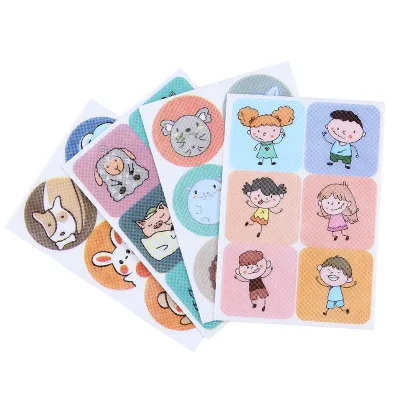
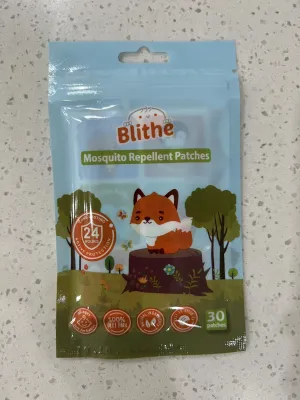
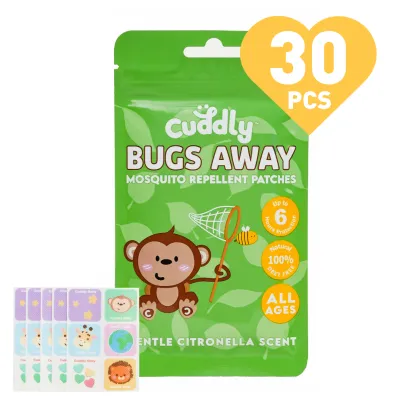
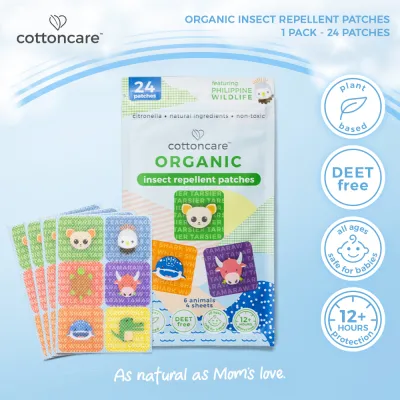
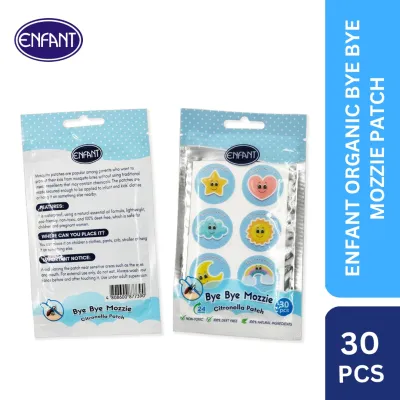
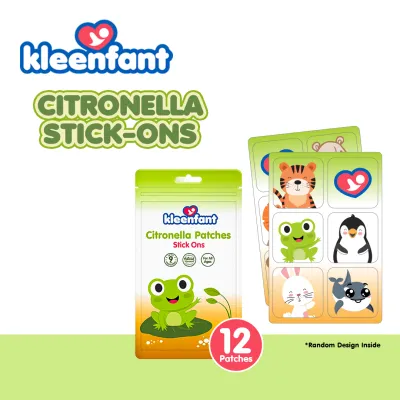
Prices are valid at publication and may change. Please refer to the product page for the latest price.
While this mechanism is highly effective for adults, an infant’s body reacts differently to environmental exposures. A baby’s skin is significantly thinner and more permeable than adult skin, meaning any direct contact with concentrated oils can lead to rapid absorption. Additionally, infants have highly sensitive, developing respiratory pathways that can easily become overwhelmed by strong, concentrated fragrances in their immediate breathing zone.
Many parents are drawn to citronella patches because they are marketed as natural or plant-based alternatives to synthetic chemical repellents. However, it is vital to remember that natural ingredients are not automatically risk-free. Concentrated essential oils contain complex organic compounds that can trigger strong physiological reactions, meaning they must be handled with the same level of caution as any synthetic product.
Key Safety Risks and Potential Side Effects
The primary risk associated with citronella patches is skin irritation or allergic contact dermatitis. If a patch is accidentally applied directly to a baby’s skin, or if the concentrated oils seep through thin clothing, it can cause localized reactions. Parents should monitor the area closely for signs of redness, swelling, dry patches, or persistent itching, which indicate that the baby’s skin barrier has been compromised.

Another major concern is the risk of choking and accidental ingestion. Babies are naturally curious and explore their environment by grasping objects and putting them in their mouths. A brightly colored, sticker-like patch can easily catch an infant’s eye; if placed within their reach, they may peel it off, presenting an immediate choking hazard or leading to the ingestion of toxic concentrations of essential oils.
Respiratory irritation is also a potential side effect, particularly when patches are used in enclosed or poorly ventilated spaces. If a patch is placed inside a tightly covered stroller, a small nursery, or a closed vehicle, the concentration of volatile organic compounds can build up quickly. This concentrated aroma can irritate your baby’s sensitive airways, leading to coughing, sneezing, watery eyes, or breathing discomfort.
How to Check if a Citronella Patch is Suitable for Your Baby
When shopping for mosquito protection on an online marketplace or at a local pharmacy, always read the product packaging with a critical eye. Look for a complete list of active and inactive ingredients to ensure there are no hidden synthetic additives or potential allergens. Avoid products that use vague terms like “natural proprietary blend” without specifying the exact oils used.
Carefully verify the manufacturer’s stated age restrictions and weight limits on the label. Many brands explicitly state that their patches are not suitable for newborns or infants under a certain age, and these guidelines should always be followed strictly. Additionally, look for clear warnings regarding application methods, such as instructions to keep the product out of reach of children and to avoid direct skin contact.
Before introducing any new repellent product to an infant, especially one with sensitive skin, eczema, or a history of respiratory issues, it is highly recommended to consult a pediatrician. A healthcare professional can provide personalized guidance based on your baby’s specific health profile and developmental stage, helping you choose the safest possible protection method.
Best Practices for Safe Application and Monitoring
If you decide to use citronella patches, the most critical rule is to never apply them directly to your baby’s skin. Instead, stick the patch firmly onto the outside of their clothing, or onto nearby baby gear such as the frame of a stroller, the canopy of a baby carrier, or the outer rails of a crib. This creates a protective scent barrier without exposing their delicate skin to concentrated oils or harsh adhesives.
Always place the patch in a strategic location that is completely out of your baby’s sight and reach. Good placement options include the upper back of their shirt, the underside of a stroller tray, or high up on the exterior fabric of a stroller canopy. This prevents your little one from pulling the patch off, playing with it, or accidentally putting it in their mouth.
Limit the use of these patches to active outdoor periods when mosquito exposure is a direct threat, and remove them immediately once you return indoors. Avoid leaving patches on your baby’s clothing during naps or overnight sleep when supervision is limited. Throughout the day, monitor your baby closely for any signs of physical distress, coughing, or skin redness, and discard the patch immediately if any adverse reaction occurs.
Alternative Mosquito Protection Methods for Infants
For parents seeking a completely chemical-free approach, physical barriers offer the most reliable protection against mosquito bites. Fitting a fine, breathable mosquito net over your baby’s crib, playpen, or stroller physically blocks insects from reaching them. Ensure the netting is secured tightly around the edges so there are no gaps for mosquitoes to slip through.
Dressing your baby in protective clothing is another highly effective strategy. Opt for lightweight, loose-fitting, long-sleeved shirts and long pants made from breathable fabrics like cotton. Choosing light-colored clothing is also beneficial, as mosquitoes are naturally attracted to dark colors, and the physical layer of fabric prevents pests from making contact with the skin.
You can also manage the immediate environment to reduce mosquito activity around your baby. Regularly inspect your home and yard to eliminate any standing water in flower pots, drains, or open containers where mosquitoes breed. Indoors, using a gentle electric fan can help disrupt mosquito flight patterns, making it much harder for them to land on your baby while keeping the room cool and comfortable.
Frequently Asked Questions (FAQ)
Can I put a citronella patch directly on my baby's skin?
No, you should never apply a citronella patch directly to your baby’s skin. The concentrated essential oils and the strong adhesives used on these patches can cause chemical burns, severe allergic contact dermatitis, or painful skin irritation on an infant’s delicate skin barrier. Always apply the patch to clothing or nearby baby gear.
At what age can babies safely use citronella patches?
Always check the manufacturer’s packaging for specific age guidelines, as formulations and oil concentrations vary. Many pediatricians recommend avoiding any products containing concentrated essential oils, including citronella, for newborns and infants under six months of age. For very young infants, physical barriers like netting remain the safest choice.
What should I do if my baby eats a citronella patch?
If your baby swallows or mouths a citronella patch, immediately check their mouth and gently remove any remaining pieces of the sticker. Offer a small sip of water to help rinse their mouth, but do not attempt to induce vomiting, as this can cause further irritation or aspiration. Contact a pediatrician, a local poison control center, or seek immediate medical attention at the nearest clinic to evaluate the ingestion of the adhesive and essential oils.
Community discussion
Share your experience or ask a question. Comments are reviewed before publication.