
Citronella mosquito patches offer a popular, low-intervention way to shield little ones from insect bites, especially during humid tropical seasons when mosquitoes thrive. However, these patches are not designed for direct contact with a baby’s delicate skin. While citronella is a natural plant-derived oil, its concentrated form can easily trigger irritation, redness, or allergic reactions on highly sensitive infant skin. To use them safely, caregivers must treat them as environmental or clothing-based accessories rather than topical treatments, keeping them completely out of the baby’s reach to avoid physical hazards like choking.
Protecting a baby from mosquito-borne illnesses is a top priority for parents in warm, tropical climates. The constant humidity and frequent rainfall create ideal breeding grounds for pests, making daily protection essential. While chemical repellents are common for older children and adults, finding a gentle yet effective solution for infants requires a more cautious approach. Citronella patches have emerged as a convenient alternative, but understanding their limitations, proper application, and safety boundaries is crucial before sticking one onto your baby’s gear.
Understanding Citronella and Infant Skin Sensitivity
Citronella oil is an essential oil extracted from the leaves and stems of different species of Cymbopogon (lemongrass). It works by masking the scents that attract mosquitoes, making it harder for insects to locate their target. Unlike synthetic chemical repellents such as DEET or picaridin, which physically deter insects upon contact, citronella relies on vapor action to create a temporary sensory barrier. This natural origin often leads parents to assume that citronella products are inherently mild and safe for direct application on any age group, but concentrated plant oils carry their own set of risks.
Products mentioned in this guide
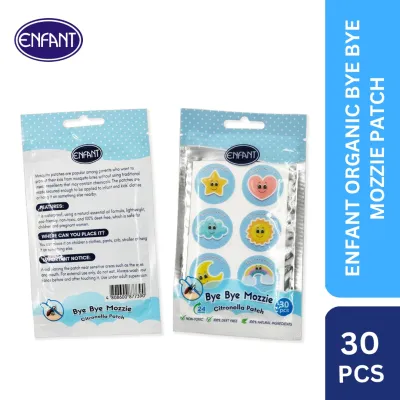
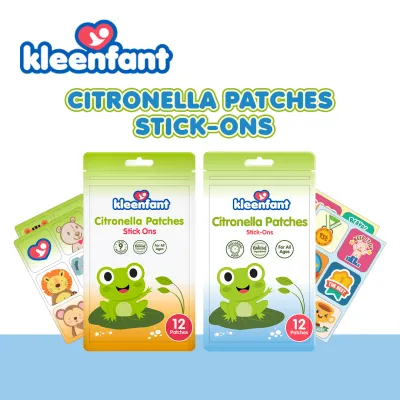
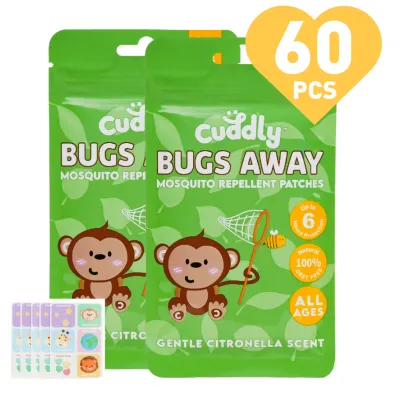
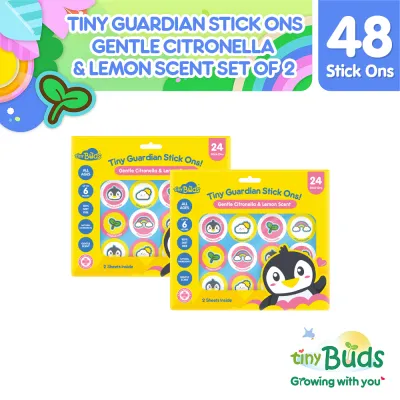
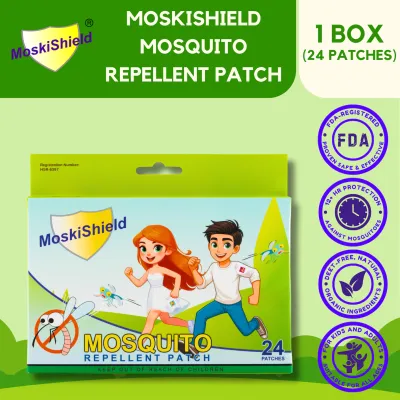
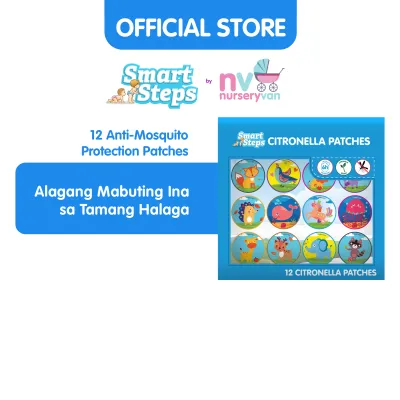
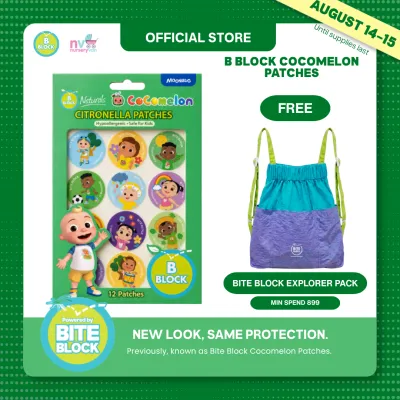
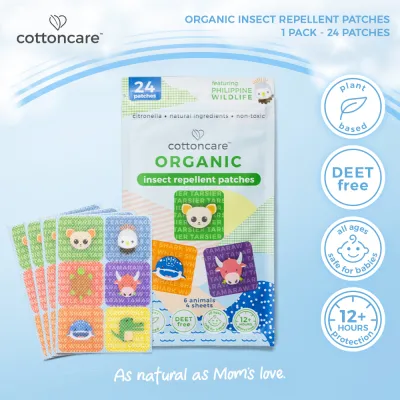
Prices are valid at publication and may change. Please refer to the product page for the latest price.
An infant’s skin barrier is significantly different from that of an adult or even a toddler. A baby’s skin is thinner, more permeable, and has a higher surface-area-to-body-weight ratio, which means it absorbs substances much more rapidly. When concentrated essential oils like citronella come into direct contact with this delicate barrier, they can easily disrupt the outer lipid layer, leading to localized irritation, dryness, or contact dermatitis. Even though the oil is natural, its active volatile compounds are potent sensory irritants when not heavily diluted in a safe carrier oil.
When shopping for mosquito patches on online marketplaces or at local pharmacies, reading the ingredient label is a vital safety step. Many commercial patches contain a blend of ingredients rather than pure, high-quality citronella oil. Some manufacturers mix citronella with synthetic fragrance blends, artificial binders, or other essential oils like eucalyptus and peppermint to boost the scent profile or cut production costs. These synthetic additives can increase the likelihood of skin irritation or respiratory sensitivity, making it essential to choose products with clear, transparent ingredient lists that specify the source and purity of the oils used.
Age Restrictions and Manufacturer Guidelines
Before purchasing any mosquito patch, caregivers must carefully locate and interpret the age thresholds printed on the product packaging. Most reputable manufacturers explicitly state age limits, often warning against use on infants under six months or even one year of age. These guidelines are not arbitrary; they are established because younger infants have highly sensitive respiratory systems and skin barriers that cannot safely tolerate concentrated aromatic vapors or potential accidental contact with active ingredients.

Newborns and very young infants require alternative, non-chemical protection methods because their bodies are still developing. During the first few months of life, a baby’s respiratory tract is highly sensitive to strong scents, and inhaling concentrated essential oil vapors in a confined space can cause airway irritation or coughing fits. Because of these physiological vulnerabilities, pediatric guidelines generally recommend keeping all topical repellents and strong aromatic products away from infants under two months old, focusing instead on physical barriers to keep pests at bay.
Navigating the wide array of baby care products can be overwhelming, especially during peak mosquito seasons when the urge to protect your child is urgent. Consulting a pediatrician before introducing any new repellent product, including citronella patches, into your baby’s daily routine is always the safest course of action. A healthcare professional can provide personalized advice based on your baby’s age, skin history, and any existing sensitivities, ensuring you choose a protective strategy that balances efficacy with safety.
Potential Side Effects and Safety Hazards
While citronella patches are generally safer than direct topical applications of concentrated oils, they still pose potential side effects if misused. If a patch accidentally touches a baby’s skin or if the adhesive residue transfers to their hands, visual signs of contact dermatitis may quickly appear. Caregivers should watch for localized redness, small raised bumps, dry patches, or signs of itching, such as the baby rubbing the affected area against clothing or bedding.
Beyond skin irritation, physical hazards represent a significant risk when using adhesive patches on or near a baby. Infants are naturally curious and explore their environment using their hands and mouths. If a mosquito patch is placed within the baby’s reach, they may easily peel it off, leading to a severe choking hazard or accidental ingestion of the adhesive and concentrated oils. Ingesting citronella oil can cause gastrointestinal distress, vomiting, or more serious systemic complications that require immediate medical intervention.
Knowing when to take immediate action can prevent a minor reaction from escalating into a serious health issue. If you notice any signs of an allergic reaction, such as swelling around the face, difficulty breathing, persistent coughing, or a widespread rash, remove the patch immediately and seek professional medical advice. Additionally, if you suspect your baby has swallowed a patch or licked the adhesive side, do not attempt to induce vomiting; instead, contact emergency medical services or your local poison control center right away for guidance.
Safe Application and Handling Practices
To minimize the risks associated with citronella patches, caregivers must adopt strict application and handling practices. The most important rule is to never apply a patch directly to a baby’s skin. Instead, patches should be affixed to the outside of their clothing, preferably in areas the baby cannot easily see or reach, such as the upper back or the outer shoulders. This placement allows the citronella vapors to disperse into the surrounding air to help deter insects while preventing direct contact with the skin.
In addition to clothing, patches can be highly effective when applied to baby gear and nearby surfaces. Attaching a patch to the frame of a stroller, the underside of a car seat handle, or the outer fabric of a playpen keeps the repellent active in the baby’s immediate environment without placing any adhesive on their person. When using this method, ensure the patch is placed securely on a hard, clean surface where it cannot fall off or be easily pulled away by a curious hand.
Proper removal and disposal are just as important as safe application. Once you return indoors or the mosquito threat has passed, carefully peel the patch off the clothing or gear and dispose of it in a closed trash bin immediately. Check the application site thoroughly to ensure no sticky adhesive residue remains on the fabric, as this residue can attract dirt or transfer to the baby’s skin during washing. If any residue is left behind, clean the area with mild soap and warm water, and inspect the baby’s skin underneath for any signs of redness or irritation.
Alternative Mosquito Protection for Infants
When citronella patches are not suitable or when you want to maximize protection without relying solely on aromatic products, physical barriers are the safest and most reliable defense. Utilizing fine-mesh crib nets and stroller covers creates an impenetrable physical shield against mosquitoes without introducing any chemicals or strong scents to your baby’s environment. Dressing your baby in lightweight, loose-fitting, long-sleeved shirts and long pants made of breathable cotton also provides excellent coverage while keeping them cool in warm, humid weather.
Environmental controls around the home play a crucial role in reducing mosquito exposure for the entire family. Ensuring that all windows and doors are fitted with intact, fine-mesh screens prevents pests from entering living spaces. Using standing fans in rooms where the baby sleeps or plays can also help, as the constant airflow disrupts a mosquito’s flight path and dilutes the carbon dioxide cues they use to find hosts. Additionally, regularly inspecting your property to eliminate any standing water in flowerpots, gutters, or outdoor toys removes potential breeding sites at the source.
As your baby grows, their skin barrier matures, and their respiratory system becomes less sensitive, opening up more options for safe pest protection. When physical barriers are not enough, discuss age-appropriate topical repellents with your pediatrician to determine the right time to transition to other approved options. A healthcare provider can guide you on the correct concentration, application frequency, and safety protocols for topical repellents, ensuring your growing child remains protected during outdoor adventures.
Frequently Asked Questions (FAQ)
Can I put a citronella patch directly on my baby's skin?
No, you should never apply a citronella patch directly to your baby’s skin. Infant skin is incredibly thin, highly permeable, and prone to severe irritation or allergic reactions when exposed to concentrated essential oils and strong adhesives. To use these patches safely, always attach them to the outside of your baby’s clothing, stroller, or nearby gear, ensuring they are placed completely out of your child’s reach and sight.
What should I do if my baby gets a rash from a mosquito patch?
If you notice a rash, redness, or irritation near where a patch was applied, remove the patch immediately and dispose of it safely. Gently wash the affected skin with mild baby soap and cool water to remove any lingering essential oils or adhesive residue, then pat the area dry with a clean towel. Avoid applying any topical creams or home remedies without consulting your pediatrician first, and seek professional medical advice if the rash spreads, blisters, or does not improve within a day.
Community discussion
Share your experience or ask a question. Comments are reviewed before publication.