
Choosing your first baby bag is a major milestone for new parents, but the sheer variety of options can be overwhelming. The ideal baby bag balances lightweight durability, water-resistant fabrics, and intuitive, easily accessible organization. Rather than focusing on fashion trends or high-tech extras, first-time parents should prioritize a bag that matches their daily transit habits, keeps feeding and diapering gear separate, and remains comfortable during long hours of wear in warm, humid climates.
Assess Your Daily Routine Before Looking at Features
Before comparing pocket counts or fabric swatches, step back and examine your typical daily movements. A baby bag is a mobile nursery that must adapt to your specific environment. If you live in a bustling urban area like Metro Manila, your transport methods will heavily influence the style of bag you need.
Ask yourself a few diagnostic questions:
Products mentioned in this guide
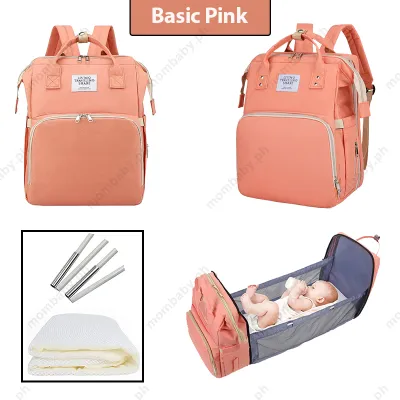
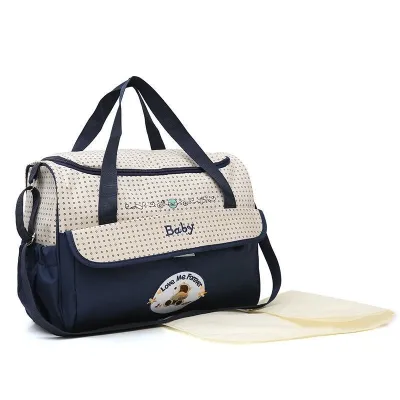
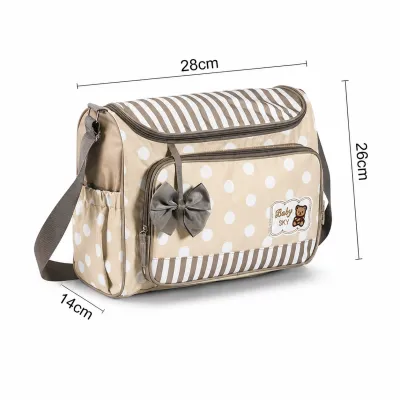
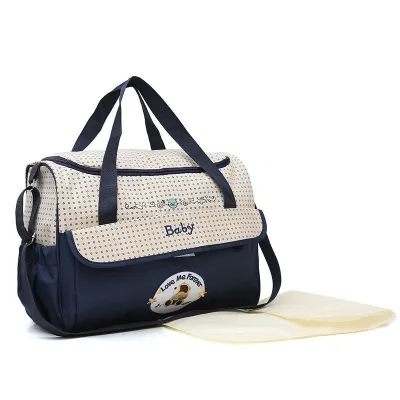
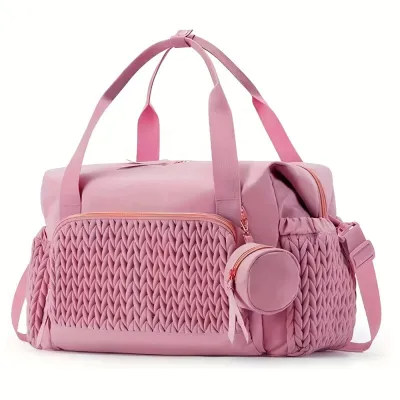
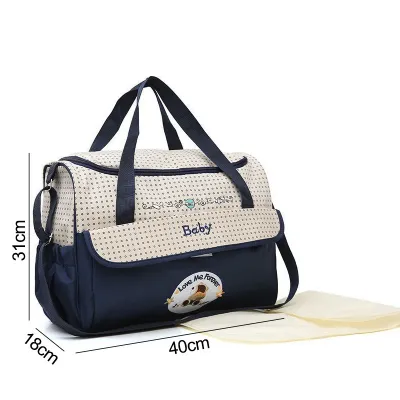
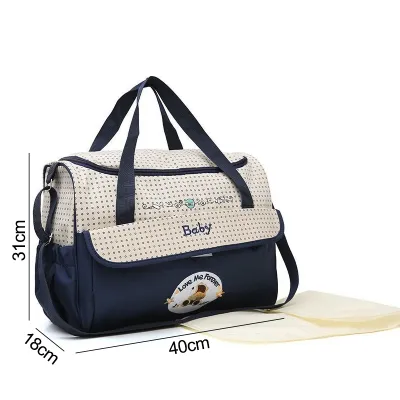
Prices are valid at publication and may change. Please refer to the product page for the latest price.
- How long are your typical outings? Are you mostly running quick, one-hour errands or spending entire afternoons at the mall?
- What is your primary mode of transport? Do you drive your own vehicle, or do you rely on ride-hailing services, walking, or public transit like the MRT?
- Will both parents share the carrying duties, or will one primary caregiver handle the bag most of the time?
Your answers to these questions establish your baseline requirements. Long outings demand a higher-capacity bag to hold multiple changes of clothes, extra diapers, and feeding supplies. If you walk frequently or navigate public transport, a hands-free backpack style is far superior to a shoulder tote, which can slip off your arm and cause physical strain. Conversely, if you primarily travel by car, a wide-access tote that sits flat in the passenger seat might offer quicker access.
Identifying these personal variables early prevents the common mistake of buying an oversized, heavy bag that sits unused in your closet, or a tiny, stylish option that leaves you stranded during a sudden diaper emergency.
Non-Negotiable Features for Everyday Functionality
When holding a squirming infant with one hand and trying to clean up a sudden mess with the other, your baby bag must perform flawlessly. The best designs prioritize practical efficiency over complex gimmicks. To ensure your bag remains a helpful tool rather than a source of frustration, look for three core functional pillars: smart storage, lightweight wipeable materials, and quick-access zones.

Smart Storage and Organization
A massive, single-compartment bag is a recipe for stress; small items like pacifiers, nail clippers, and single-use wipes will inevitably sink to the bottom. Instead, prioritize a baby bag with a wide-opening main compartment—often reinforced with a structured frame—that stays open on its own. This structural design allows you to view the entire contents of your bag at a single glance without having to rummage blindly.
Look for external pockets designed specifically for quick diapering needs. A dedicated external wipe dispenser pocket, which features a slit for pulling out wet wipes directly without opening the bag, is incredibly useful during messy situations. Additionally, ensure there is a clearly demarcated, water-resistant zone or a separate wet bag for soiled clothes. This separation prevents odors and moisture from contaminating clean items in the main compartment.
When evaluating the interior, look for flexible, elasticized mesh dividers rather than rigid, zippered dividers. Flexible pockets conform to the shape of whatever you put in them, whether it is a bulky toy or a stack of diapers. Rigid compartments, on the other hand, restrict your packing options and waste valuable space when empty.
Wipeable Materials and Lightweight Construction
In a tropical climate where high humidity and sudden rain showers are common, the material of your baby bag is a critical consideration. Always check the manufacturer’s product labels for water-resistant or water-repellent exterior fabrics, such as high-density nylon or treated polyester. These materials protect your baby’s clean clothes and dry formula from unexpected downpours and are easy to wipe clean after being placed on cafe floors or park benches.
The interior lining is just as important as the exterior. Opt for a bag with a wipeable, light-colored interior lining. Dark interiors make it difficult to locate small items in low-light environments, while light colors reflect light and make everything visible. Ensure the lining is made of a non-porous material that can be quickly sanitized with a damp cloth or disinfectant wipe when milk spills inevitably occur.
Before purchasing, pay close attention to the empty weight of the bag. Heavy metal hardware, thick synthetic leather, and excessive decorative zippers add substantial “dead weight” before you even pack a single diaper. A bag that feels heavy when empty will quickly become painful to carry when loaded with water bottles, baby food, and spare clothing. Prioritize lightweight, high-tensile fabrics that offer structural durability without physical strain. Always verify the manufacturer’s care instructions to ensure the materials can withstand regular sanitizing without peeling or losing their water-resistant properties over time.
Insulated Pockets and Quick-Access Zones
Whether you are carrying warm water for formula preparation or expressed breast milk, temperature control is a daily necessity. Look for a baby bag with dedicated, built-in insulated pockets. However, do not assume all insulated pockets are identical; check the physical dimensions of these pockets against the specific brand of baby bottles you plan to use. Some pockets are designed for tall, narrow bottles and will not accommodate wide-neck varieties.
Keep in mind that insulation performance is highly dependent on ambient temperatures. In the tropical heat of the Philippines, insulated pockets will not keep milk cold or hot indefinitely. Always manually verify the temperature of the milk or formula on your wrist before feeding your baby to prevent burns or spoilage. If you plan to be out for several hours in high heat, consider using a separate, specialized cooler bag with ice packs for safety.
Finally, do not forget your own comfort and security. A good baby bag must have secure, external quick-grab pockets dedicated solely to caregiver essentials. You should never have to dig past diapers and breast pumps to find your phone, house keys, wallet, or hand sanitizer. A zippered pocket positioned against your back when wearing a backpack provides excellent security against pickpockets in crowded public spaces.
Choosing the Right Carrying Style for Your Comfort
The physical form of your baby bag dictates how comfortable you will feel during long outings. Because you will often carry this bag while holding your baby, pushcarts, or grocery bags, the ergonomics of the carrying style require careful thought.
- Backpacks: This style is widely considered the most ergonomic option for first-time parents. By distributing weight evenly across both shoulders, a backpack minimizes localized muscle strain and keeps both of your hands completely free. This hands-free mobility is invaluable when navigating busy sidewalks, boarding public transport, or holding an active infant. Look for wide, padded shoulder straps with breathable mesh backing to prevent excessive sweating in warm weather.
- Totes and Shoulder Bags: These classic styles offer a more traditional, fashionable look and allow you to access items quickly without taking the bag off. However, they carry a high risk of shoulder strain, as the entire weight of the baby gear rests on one side of your body. They also tend to slip off your shoulder when you bend down to pick up your child or retrieve a dropped pacifier.
- Cross-Body Bags: Excellent for quick errands or short trips to the neighborhood plaza, cross-body bags keep your essentials secure and easily accessible on your hip. They work best for lighter loads, as a heavy cross-body bag can dig into your shoulder and neck over extended periods.
If you are considering a bag that comes with stroller straps or clips, you must exercise extreme caution. Before hanging any bag on your stroller’s handlebars, verify your specific stroller manufacturer’s guidelines. Hanging heavy items on the handlebar creates a severe tipping hazard, especially when you lift your child out of the stroller seat. The sudden shift in weight can cause the stroller to tip backward, risking injury to your child and damage to your gear. If you must carry a heavy baby bag, store it securely in the under-seat basket of the stroller rather than hanging it from the frame.
Match the Bag to Your Specific Parenting Lifestyle
To narrow down your choices, it is helpful to match your primary daily routine to a specific parenting profile. Rather than buying a bag based on aesthetic trends, select one that addresses the unique challenges of your lifestyle.
- The Commuting Parent: If you commute daily via public transport, work in an office, or travel frequently, look for a compact, streamlined backpack or cross-body bag. Prioritize sleek, professional aesthetics, secure anti-theft pockets, and a dedicated laptop sleeve alongside the baby compartments. These features allow you to transition smoothly from professional meetings to family duties without carrying multiple bags.
- The On-the-Go Parent: If you spend long days outdoors, visit parks, or travel frequently on weekends, you need a high-capacity backpack. Prioritize heavily padded, breathable shoulder straps, built-in water bottle holders, an integrated fold-out changing pad, and multiple insulated compartments to sustain your child through extended outings.
- The Multi-Child Family: If you are managing a newborn alongside an active toddler, maximum capacity and distinct organizational zones are non-negotiable. You must keep infant supplies (diapers, formula, pacifiers) completely separate from toddler essentials (snacks, change of clothes, toys). Look for a large, structured backpack with dual main compartments or color-coded internal pouches to keep your sanity intact during chaotic moments.
To help you visualize these differences, consider this quick-reference matrix of lifestyle profiles and their corresponding must-have features:
| Parenting Profile | Primary Carrying Style | Key Feature to Prioritize | Avoid This Feature |
|---|---|---|---|
| Commuting Parent | Compact Backpack / Cross-Body | Anti-theft pockets, laptop sleeve, slim profile | Bulky external pockets, heavy metal hardware |
| On-the-Go Parent | Ergonomic Backpack | Breathable mesh straps, integrated changing pad | Rigid internal dividers, delicate fabrics |
| Multi-Child Family | High-Capacity Backpack / Tote | Dual main compartments, color-coded zones | Small single-compartment designs |
Features You Can Probably Skip to Save Money
Baby gear marketing can be overwhelming, with many brands claiming that high-tech additions are essential for modern parenting. However, many of these features add unnecessary cost, weight, and complexity without providing real-world utility.
First, you can safely skip built-in technological features like integrated USB charging ports. While a charging port sounds convenient on paper, it is often nothing more than a pass-through cable sewn into the bag. You still have to purchase and carry a separate power bank, which adds weight. Furthermore, these integrated cables are prone to breaking during washing or heavy use, rendering the feature useless. A standard, independent power bank kept in an external pocket is far more reliable and easier to replace.
Second, avoid bags with overly rigid, highly specialized internal compartments. A pocket shaped precisely for a specific brand of pacifier or a tiny toy might seem organized, but your baby’s needs change rapidly. Within a few months, those tiny pockets will be too small for toddler snacks or larger toys, leaving you with unusable space. Flexible, open compartments that can be customized with removable pouches offer far better long-term value.
Finally, steer clear of excessive luxury hardware, heavy metal clasps, and delicate external embellishments like sequins or leather tassels. These design choices not only make the bag significantly heavier before it is even packed, but they also complicate the cleaning process. In a humid environment, intricate metal hardware can tarnish or rust, and delicate fabrics cannot be easily scrubbed or sanitized when exposed to dirt and spills. Simple, durable, and lightweight basics will always serve you better and save you money.
Frequently Asked Questions (FAQ)
Can I just use a regular backpack instead of a specific baby bag?
Yes, you can certainly repurpose a standard backpack as a baby bag, especially if it features a wide-opening main compartment and comfortable, padded shoulder straps. Many parents successfully use regular backpacks they already own to save money. However, you should be aware of the practical drawbacks, such as the lack of wipeable, water-resistant interior linings and the absence of insulated bottle pockets. If you choose this route, you can easily compensate by purchasing a few removable, color-coded pouches to organize your gear, using a separate insulated bottle sleeve, and placing a wipeable insert liner or portable changing mat inside the bag.
How many baby bags do I actually need?
For most families, a single, versatile, high-quality baby bag is entirely sufficient, especially if you prefer a minimalist approach and want to avoid transferring items back and forth. However, some parents find that a two-bag system offers the perfect balance of convenience. In this setup, you use a large, high-capacity primary backpack for long day trips, doctor visits, and family travel. For quick neighborhood errands, trips to the local convenience store, or short walks, you can keep a small, lightweight sling bag or compact cross-body bag packed with just two diapers, a small travel pack of wipes, and a single change of clothes.

Community discussion
Share your experience or ask a question. Comments are reviewed before publication.