
Finding the right unscented baby wipes for sensitive skin in the Philippines requires looking beyond attractive packaging and focusing on ingredient transparency. In a tropical climate where high humidity and heat can exacerbate skin friction and diaper rash, choosing a wipe that cleanses without stripping the skin’s natural barrier is essential. Parents must learn to navigate product labels, distinguish between marketing terms, and verify safety claims to protect their baby’s delicate skin. By understanding what goes into these daily-use products, you can make an informed decision that keeps your baby comfortable and rash-free.
Understanding Sensitive Skin and Wipe Formulations
A baby’s skin is significantly thinner and more permeable than adult skin, making it highly susceptible to environmental irritants. In the Philippines, the combination of constant heat and moisture creates a prime environment for skin issues. Sensitive skin in infants often manifests as persistent redness, dry patches, rough texture, or localized rashes in areas prone to friction, such as the diaper zone, thigh folds, and neck. When these symptoms appear, standard baby wipes containing harsh cleansing agents or synthetic fragrances can quickly worsen the irritation, leading to discomfort and broken skin.
To protect compromised skin, many parents seek out products labeled “unscented,” but it is vital to understand that “unscented” and “fragrance-free” are not legally identical terms. A product labeled “unscented” may still contain chemical masking agents designed to neutralize the natural odors of the raw ingredients. These masking chemicals can be just as irritating to sensitive skin as traditional perfumes. On the other hand, “fragrance-free” typically indicates that no fragrance chemicals or masking agents have been added to the formulation. Reading the full ingredient list is the only reliable way to confirm that a product is truly free of aromatic sensitizers.
Products mentioned in this guide
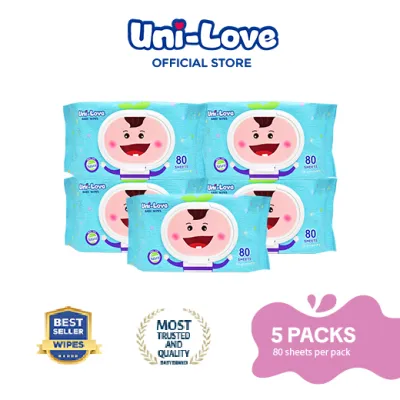
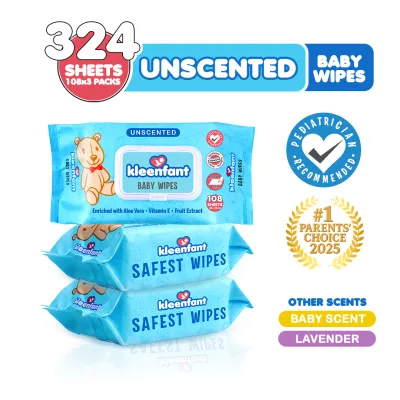
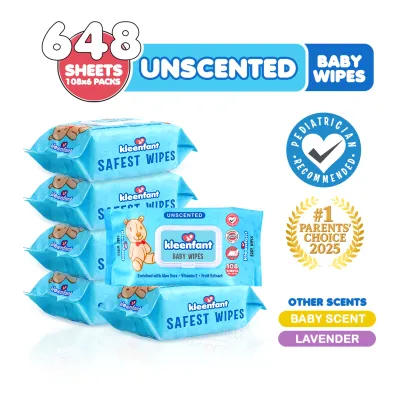
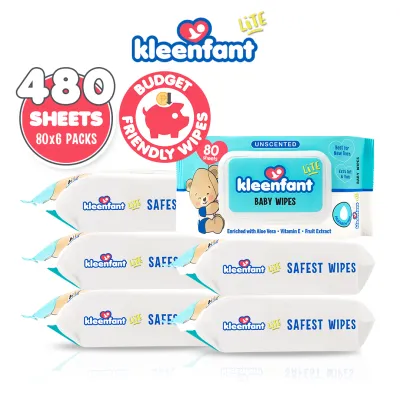
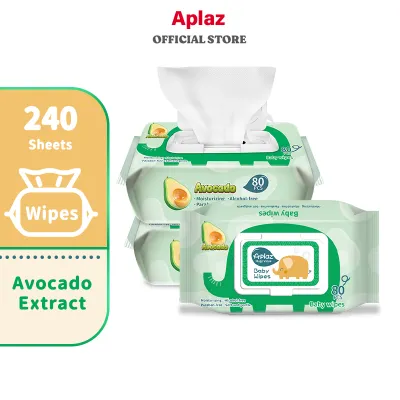
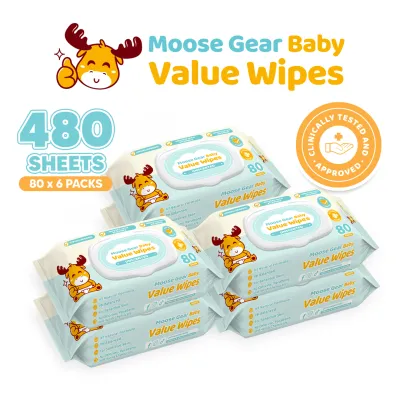
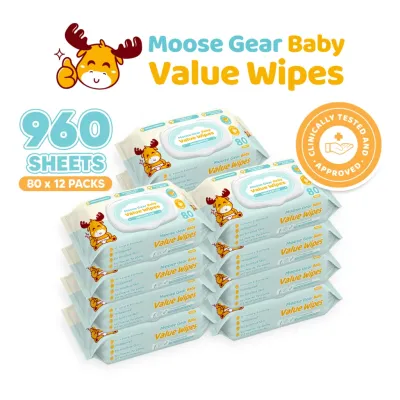
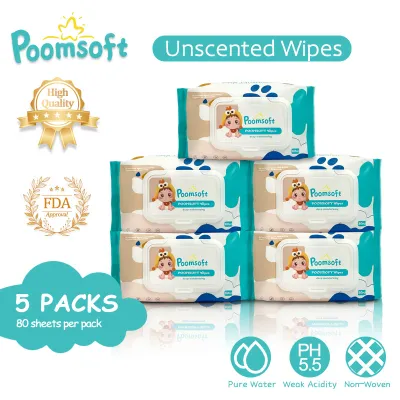
Prices are valid at publication and may change. Please refer to the product page for the latest price.
Beyond fragrance, the purity of the water used in the wipe formulation plays a foundational role in skin tolerance. High-quality baby wipes often utilize medical-grade water, such as reverse osmosis or deionized water, to ensure that no trace minerals, chlorine, or bacterial contaminants are introduced to the skin. Additionally, the base material of the wipe determines how much friction is applied during use. Coarse synthetic fibers can cause micro-tears in the skin barrier, whereas soft, high-quality fibers help glide over the skin smoothly, minimizing mechanical irritation during diaper changes.
Key Features to Look for in Unscented Wipes
When evaluating unscented baby wipes, the physical material of the wipe is just as important as the liquid formulation. Plant-based materials, such as bamboo and organic cotton, are highly recommended for babies with sensitive skin due to their natural softness and structural integrity. Bamboo fibers are naturally hypoallergenic, highly absorbent, and biodegradable, making them an eco-friendly choice that feels gentle against inflamed skin. Pure cotton wipes offer a classic, plush texture that minimizes friction, though they may sometimes be blended with synthetic fibers to increase durability. It is important to check the packaging to determine if the wipe is made from 100% natural fibers or a synthetic blend, as pure natural fibers generally offer superior softness.

The moisture level of the wipe must be carefully balanced to ensure effective cleaning without leaving the skin waterlogged. Wipes that are too dry require repeated rubbing, which increases friction and skin damage, while excessively wet wipes can leave residual moisture that traps heat and sweat in diaper folds. Look for formulations that incorporate mild, skin-conditioning agents alongside purified water. Ingredients like glycerin, aloe vera extract, and chamomile help soothe irritation and lock in moisture, reinforcing the skin’s natural lipid barrier. These conditioning agents should be present in minimal, highly refined concentrations to avoid overwhelming sensitive skin.
To verify the safety of these formulations, look for recognized dermatological and pediatric testing labels on the packaging. Certifications from independent dermatological institutes or seals indicating that the product is “hypoallergenic” and “pediatrician-approved” provide an extra layer of reassurance. While these labels do not guarantee a complete absence of allergic reactions for every individual baby, they indicate that the product has undergone rigorous clinical patch testing under professional supervision. Checking for these seals helps filter out products that rely solely on self-declared marketing claims.
Ingredients to Avoid for Sensitive Skin
Navigating the ingredient list on the back of a wipe package is the most effective way to safeguard your baby’s skin. Many products marketed as gentle or unscented contain hidden fragrances, often listed under botanical names or generic terms like “parfum” or “aroma.” Essential oils, such as lavender, tea tree, or citrus oils, are frequently added to natural wipes for their pleasant scent or perceived therapeutic benefits. However, these natural oils contain volatile organic compounds that are highly sensitizing to delicate infant skin and can trigger contact dermatitis, especially when trapped under a tight diaper in a warm climate.
Preservatives are necessary in wet wipes to prevent the growth of harmful bacteria and mold in the moist packaging, but certain preservatives are notorious skin irritants. Parents should actively avoid wipes containing parabens, methylisothiazolinone (MIT), and methylchloroisothiazolinone (MCI). These chemicals have been linked to severe skin sensitization and allergic contact dermatitis. Phenoxyethanol is another common preservative that, while widely accepted in low concentrations, can sometimes cause irritation on already compromised or broken skin; if your baby has an active rash, choosing a phenoxyethanol-free option is often safer.
Additionally, avoid products containing denatured alcohol or isopropyl alcohol, which are sometimes added to facilitate quick drying but ultimately strip the skin of its natural oils, leading to severe dryness and cracking. Strong surfactants, such as sodium lauryl sulfate (SLS) or sodium laureth sulfate (SLES), should also be avoided. These foaming agents are designed to break down oils, but they are far too harsh for a baby’s delicate perineal area. Instead, look for ultra-mild, non-ionic surfactants like coco-glucoside or decyl glucoside, which cleanse gently without disrupting the skin’s natural pH balance.
How to Build Your Shortlist and Verify Claims
Building a reliable shortlist of unscented baby wipes involves a systematic approach to verification rather than relying on popular trends or unverified online rankings. Start by gathering candidate products available in local pharmacies, supermarkets, or reputable online marketplaces in the Philippines. Once you have a list of potential options, cross-reference their ingredient lists with recognized cosmetic safety databases, such as the Environmental Working Group’s (EWG) Skin Deep database or similar independent scientific repositories. These platforms rate individual ingredients based on their hazard levels, helping you identify any hidden irritants or low-grade allergens that might not be immediately obvious.
In the Philippines, it is crucial to verify that the products you choose comply with local health and safety regulations. Look for the Food and Drug Administration (FDA) registration mark or notification number on the packaging, which ensures the product has been officially declared and evaluated for safety before being distributed in the local market. For imported wipes, check for clear labeling that details the country of origin, the local importer’s contact information, and a complete English translation of the ingredient list. Avoid purchasing wipes from unauthorized parallel importers or unverified online sellers, as these products may be counterfeit, expired, or stored in substandard conditions that compromise their safety.
Before introducing any new wipe to your baby’s daily routine, always perform a localized patch test to rule out individual sensitivities. Apply a single wipe to a small, clean area of your baby’s skin, such as the inner forearm or the upper thigh, and gently pat the area dry. Monitor this specific spot closely over the next 24 to 48 hours for any signs of reaction, including redness, swelling, tiny bumps, or dry patches. If no reaction occurs, the product is generally safe to use on larger areas of the body. If you notice any adverse changes, discontinue use immediately and wash the area with plain, cool water.
Proper Usage and Storage Tips
Even the gentlest, most carefully formulated wipe can cause skin irritation if used incorrectly. When cleaning your baby’s diaper area, avoid aggressive rubbing or scrubbing, which physically damages the delicate epidermal layer. Instead, use a gentle patting or sweeping motion, moving from front to back to prevent the spread of bacteria. If stool has dried on the skin, hold a moist wipe over the area for a few seconds to soften it before gently wiping it away. Always allow the skin to air-dry completely before putting on a fresh diaper, as trapping residual moisture in a warm, humid environment is a primary cause of diaper rash.
Proper storage is essential to maintain the efficacy and safety of baby wipes, especially in the tropical climate of the Philippines. High temperatures and humidity can accelerate the breakdown of mild preservatives, making the wipes susceptible to bacterial or fungal contamination. Keep wipe packages tightly sealed after every use to prevent them from drying out, and store them in a cool, dry place away from direct sunlight. If you use a reusable wipe dispenser, ensure it is thoroughly cleaned and sanitized with boiling water or a baby-safe sterilizing solution before refilling it to prevent the buildup of biofilm.
It is important to recognize when home care is no longer sufficient and professional medical advice is required. If your baby develops a persistent diaper rash that does not improve within two to three days of switching to pure water or highly gentle unscented wipes, or if the rash begins to blister, bleed, ooze, or cause severe pain during diaper changes, stop using all wipes immediately. These symptoms can indicate a secondary bacterial or fungal infection that requires targeted medical treatment. Consult a qualified pediatrician to obtain an accurate diagnosis and an appropriate treatment plan.
Frequently Asked Questions (FAQ)
Can I use unscented baby wipes on a newborn's face?
While many high-quality unscented baby wipes are formulated to be gentle, a newborn’s facial skin is significantly thinner, more sensitive, and has a less developed barrier than the skin on the rest of their body. Many manufacturers explicitly state on their packaging whether their wipes are safe for facial use, and it is crucial to follow these guidelines. For newborns, especially during the first few weeks of life, it is generally safest to avoid using commercial wet wipes on the face altogether. Instead, use a soft cotton pad or a clean, sterile washcloth moistened with plain, cooled boiled water to gently clean your baby’s face, mouth, and eye areas, minimizing the risk of contact irritation.
Do water wipes count as unscented baby wipes?
Yes, water wipes are a specialized category of unscented baby wipes characterized by an extremely minimalist ingredient list, typically consisting of 99% or more purified water and a tiny fraction of a mild fruit extract or skin conditioner. Because they contain no added synthetic fragrances, masking agents, or harsh chemical preservatives, they are highly suitable for babies with extremely sensitive skin. However, because of their high water content and minimal preservation systems, water wipes often have a shorter shelf life once opened compared to standard unscented wipes. It is important to use them within the manufacturer’s recommended timeframe and store them carefully to prevent contamination.
How do I know if a wipe is causing a diaper rash?
Distinguishing between a wipe-induced rash and other common diaper rashes requires careful observation of the rash’s pattern and timing. A rash caused by contact dermatitis from a baby wipe typically presents as generalized redness, dry patches, or small red bumps across the entire area that comes into direct contact with the wipe, including the outer buttocks and thighs. In contrast, standard diaper rashes caused by trapped moisture and friction usually concentrate in the deep skin folds and creases. If the redness appears immediately after using a specific brand of wipe and fades when you temporarily switch to plain water and cotton pads, the wipe is the highly likely culprit.
Community discussion
Share your experience or ask a question. Comments are reviewed before publication.