
Quick Answer: Which Socket Cover Design is Safest?
When baby-proofing a home, securing electrical outlets is one of the most critical steps to prevent accidental shocks and burns. No single socket cover design is universally safest for every situation, as the ideal choice depends on how often the outlet is used, its physical location, and the specific plug configuration.
For outlets that are actively in use, box-type covers offer the highest level of physical protection because they completely enclose both the outlet faceplate and the inserted plugs within a locked plastic shell. For frequently accessed but unused outlets, sliding socket covers provide a highly effective, self-closing barrier that eliminates the risk of loose parts. Traditional plug-in caps serve as a basic, low-cost baseline, but they require strict adult vigilance because toddlers can often pry them loose, turning them into immediate choking hazards.
Comparing the Three Main Socket Cover Designs
To build a reliable safety barrier, caregivers must understand how different protective designs interact with household electrical systems. Outlets in living rooms, kitchens, and bedrooms serve different purposes, meaning a one-size-fits-all approach rarely works. Evaluating the physical mechanisms, benefits, and limitations of plug-in, box-type, and sliding covers allows you to match the right protector to each specific area of your home.
Products mentioned in this guide
Prices are valid at publication and may change. Please refer to the product page for the latest price.

Plug-In Caps (Insert Protectors)
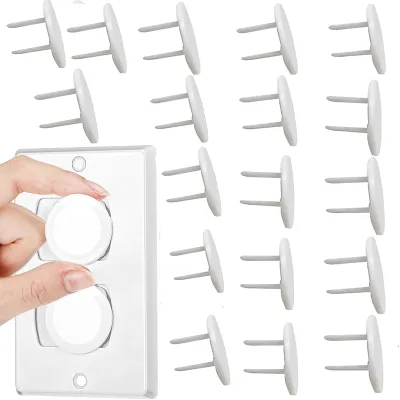
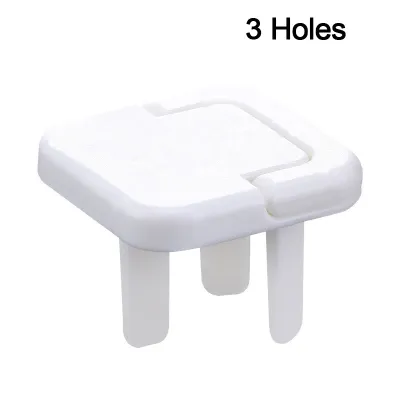
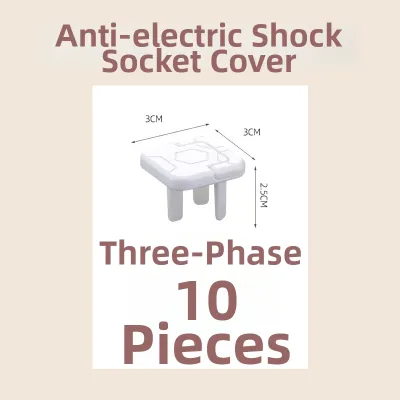
Plug-in caps, often referred to as outlet inserts, are simple plastic prongs designed to push directly into the open slots of an electrical socket. They rely entirely on a tight friction fit to stay in place, creating a flat, smooth surface over the outlet that is difficult for tiny fingers to grasp. Because they are inexpensive and widely available in bulk, they are often the first option parents consider when baby-proofing.
However, these basic inserts carry a significant safety trade-off that caregivers must carefully evaluate. As toddlers develop their fine motor skills and pincer grasps, they quickly learn to mimic adult actions. If a plug-in cap is slightly loose or has a raised edge, a determined child can often pry it out using their fingernails, teeth, or small toys. Once removed, these small plastic pieces pose a severe choking hazard, especially if they are small enough to fit entirely inside a child’s mouth.
To minimize these risks, plug-in caps should only be used under very specific conditions. They are best reserved for completely unused sockets that are permanently hidden behind heavy, immovable furniture like wardrobes, large cabinets, or heavy sofas. In these restricted areas, the physical barrier of the furniture prevents the child from reaching the outlet, while the insert provides a secondary layer of dust and moisture protection.
Box-Type Covers (Socket Boxes)
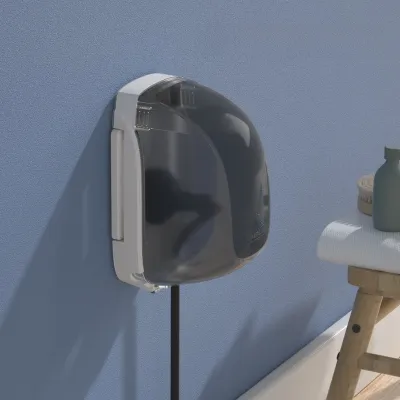
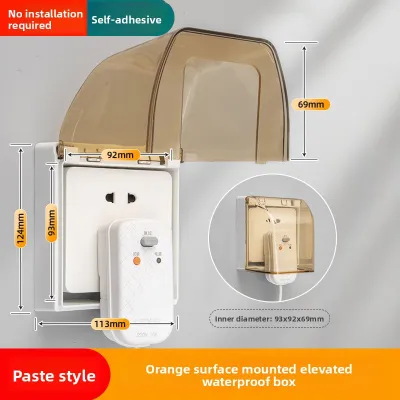
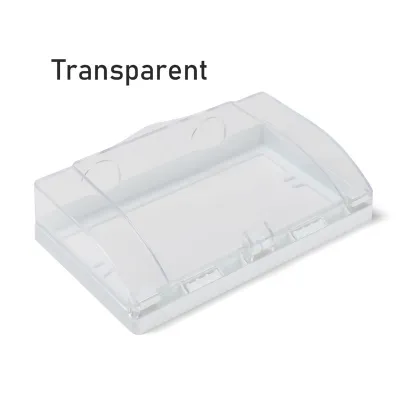
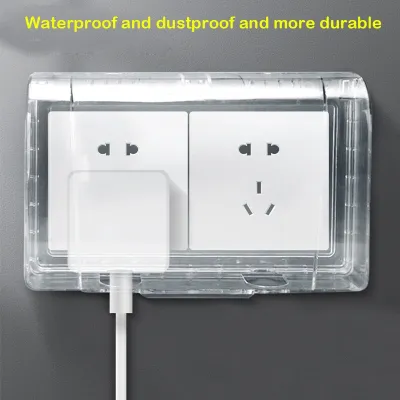
Box-type covers, or socket boxes, are protective plastic enclosures that fit over the entire outlet faceplate, including any plugs that are currently inserted. These devices feature a hinged lid that snaps securely shut, routing the electrical cords through small, narrow openings at the bottom. This design ensures that even if an appliance is plugged in and running, the electrical connection remains completely inaccessible to curious hands.
This design is exceptionally well-suited for outlets that power essential, continuously running appliances, such as refrigerators, fans, or television setups. Toddlers are naturally drawn to dangling cords and may attempt to pull them out of the wall, which can cause electrical arcing or pull heavy appliances down. By locking the plug inside a sturdy plastic shell, box covers prevent children from unplugging devices or touching exposed metal prongs.
Despite their superior physical protection, box-type covers have a few practical trade-offs. They are visually bulky and protrude significantly from the wall, which might make them difficult to install behind tight furniture spaces. Additionally, they often require strong adhesive backing or mounting screws to stay attached to the wall. In humid environments, adhesives can degrade over time, requiring regular inspection to ensure the box remains firmly anchored to the wall surface.
Sliding Socket Covers (Self-Closing Plates)
Sliding socket covers are replacement faceplates equipped with spring-loaded or gravity-assisted sliding panels. When you want to plug in a device, you must slide the panel to the side to align the holes with the internal contacts, insert the plug, and let go. The moment you unplug the device, the internal spring automatically slides the panel back into its closed position, instantly sealing the live contacts.
This self-closing mechanism makes sliding covers an excellent permanent solution for high-traffic areas where appliances are frequently plugged in and unplugged, such as kitchen counters or hallway outlets used for vacuum cleaners. Because the protective barrier is integrated directly into the faceplate, there are no loose parts to lose, misplace, or turn into choking hazards. The seamless, low-profile design also blends in naturally with the wall, making it far less interesting to curious toddlers.
However, installing sliding covers requires a bit more effort than simply plugging in a plastic cap. Because they replace the existing faceplate, they require basic electrical installation, which involves turning off the main circuit breaker and unscrewing the old plate. Furthermore, sliding covers must be precisely matched to the shape and size of your home’s electrical boxes, as older wiring setups or non-standard outlet shapes may not accommodate modern sliding plates.
Key Safety Checks Before Buying and Installing
Before purchasing any baby-proofing accessories, caregivers must conduct several physical and electrical verifications to ensure the chosen covers are safe and compatible.
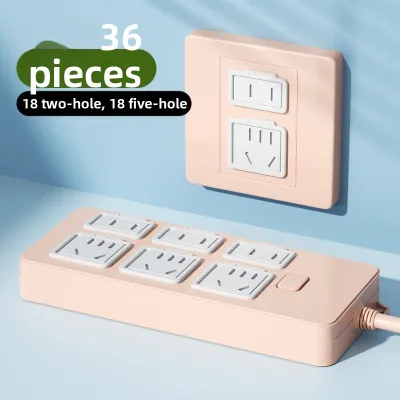
Verify Socket Shape and Pin Configuration Electrical outlets vary widely in design, especially in older homes where Type A (two flat parallel pins), Type B (two flat pins with a round grounding pin), or Type C (two round pins) sockets might coexist. Ensure that any plug-in cap or sliding cover you purchase matches the exact pin configuration of your outlets. A poorly fitting cover can leave gaps, fail to stay secure, or damage the internal contacts of the socket.
Assess Adhesive Strength and Wall Surfaces Many box-type covers rely on double-sided adhesive tape to stick to the wall or the existing faceplate. In tropical climates with high humidity, standard adhesives can soften, dry out, or lose their grip over time. If a toddler pulls on a cord attached to a loose box cover, the entire unit could pull away from the wall, exposing the live outlet. Look for high-quality, heat-resistant adhesives, or opt for screw-mounted designs that offer a permanent, mechanical hold.
Perform a Choking Hazard Check If you choose to use plug-in caps, inspect them closely before installation. Use a small parts tester or a standard cardboard toilet paper roll to verify the size of the cap. If the cap can fit entirely inside the cylinder, it is small enough to block a child’s airway and should not be used in open, accessible areas. Additionally, check that the plastic is thick and durable; cheap, brittle plastic can crack under pressure, leaving sharp edges or small pieces that a child could swallow.
Inspect the Outlet for Pre-existing Damage Never install a protective cover over a damaged, loose, or malfunctioning outlet. Before mounting any baby-proofing device, inspect the faceplate for cracks, scorch marks, discoloration, or warmth. If the outlet feels warm to the touch, smells like burning plastic, or if plugs fit loosely inside the contacts, these are signs of underlying electrical hazards. Installing a plastic cover over a faulty outlet can trap heat and increase the risk of an electrical fire.
Decision Framework: How to Choose for Your Home
To simplify your baby-proofing strategy, use this practical decision framework to select the right cover for each room and usage scenario.
For Frequently Used Outlets with Bulky Plugs
- Best Choice: Box-Type Covers.
- Why: They lock the plug and cord inside a protective shell, preventing the toddler from pulling the plug out or touching live prongs.
- Ideal Locations: Living room entertainment centers, kitchen counters, and bedroom outlets near the floor.
For Frequently Used Outlets with Temporary Plugs
- Best Choice: Sliding Socket Covers.
- Why: They automatically close the moment a charger or appliance is unplugged, eliminating the risk of leaving an outlet exposed.
- Ideal Locations: Hallways, study desks, and kitchen islands where phone chargers or small appliances are used temporarily.
For Completely Unused Outlets
- Best Choice: Heavy-Duty Plug-In Caps (with removal tools) or Sliding Covers.
- Why: If the outlet is never used, a tight-fitting plug-in cap that requires a key or tool to remove is acceptable, provided it is hidden behind heavy furniture.
- Ideal Locations: Sockets behind heavy wardrobes, beds, or bookshelves.
For Damaged or Loose Outlets
- Action: Do not install any cover.
- Why: External plastic covers cannot fix loose internal wiring or worn-out contacts.
- Correct Step: Contact a licensed electrician to replace the damaged outlet before applying any baby-proofing measures.
Installation and Maintenance Rules for Caregivers
Installing baby-proofing covers is not a one-time task; it requires ongoing maintenance and strict safety boundaries to remain effective.
Know When to Call a Professional While installing plug-in caps and adhesive box covers is a straightforward DIY task, replacing faceplates with sliding covers involves working directly with your home’s electrical wiring. If you are unfamiliar with electrical systems, encounter old or ungrounded wiring, or notice that the mounting screws do not line up correctly, stop immediately. Consult a licensed electrician to handle the installation safely and ensure your home’s wiring meets local safety standards.
Establish a Routine Inspection Schedule Over time, daily wear and tear can compromise your baby-proofing efforts. Set a monthly reminder to inspect every socket cover in your home. Check box-type covers to ensure the adhesive is still holding firmly against the wall and that the locking latches have not become loose or easy to open. For sliding covers, test the spring mechanism to ensure the panels snap back quickly and completely without sticking. Replace any cracked, warped, or discolored covers immediately.
Prioritize Supervision and Education No physical barrier can replace active adult supervision. Toddlers are incredibly observant and learn by watching their parents. Avoid plugging and unplugging devices in front of your child, as this can pique their curiosity and encourage them to try to bypass the covers. Additionally, if you have older children in the home, teach them the importance of keeping the covers closed and explain that electrical outlets are not toys.
Frequently Asked Questions (FAQ)
Can toddlers eventually figure out how to open sliding socket covers?
Yes, older toddlers with advanced fine motor skills and persistent curiosity may eventually figure out how to operate sliding socket covers. Because these covers require a sliding motion while simultaneously inserting a plug, they are highly effective at deterring infants and younger toddlers. However, as children grow, they observe adult behavior and may attempt to mimic the sliding action using toys or flat objects. For this reason, physical covers must always be paired with active supervision and consistent safety education.
Are socket covers a fire hazard if left on for years?
Socket covers made from cheap, non-rated plastics can potentially become fire hazards if they trap heat or melt under high temperatures. To prevent this, always check the manufacturer’s specifications to ensure the covers are made from flame-retardant, high-quality materials. Additionally, never use socket covers on outlets that power high-wattage appliances like air conditioners, water heaters, or large refrigerators if the cover restricts proper ventilation around the plug. Regularly inspect all covers for any signs of warping, discoloration, or unusual warmth, and replace them immediately if any issues are detected.
Community discussion
Share your experience or ask a question. Comments are reviewed before publication.