
Starting your baby on solid foods is an exciting milestone, but choosing the right plate for kids can feel overwhelming with so many materials available. The safest plate material for your weaning baby depends on verifying food-grade certifications, matching the material to your baby’s developmental stage, and strictly following manufacturer care guidelines. There is no single “perfect” material; instead, silicone, stainless steel, bamboo, and plastic each have distinct safety boundaries, care requirements, and practical trade-offs that caregivers must evaluate. By understanding how these materials perform under daily use, sterilization, and tropical environmental conditions, you can make an informed decision that keeps your little one safe during mealtime.
Essential Safety Checks for Any Kids' Plate
Before purchasing any plate for kids, establishing a reliable verification routine is essential for your peace of mind. Caregivers should look directly at the product packaging or official manufacturer documentation to confirm that the item is certified food-grade and free from potentially harmful chemicals like BPA, BPS, and phthalates. Because regulatory standards can vary, relying on clear, independent third-party testing labels is much safer than trusting generic marketing claims on unbranded packaging.
Beyond chemical safety, physical safety is a critical factor during early childhood feeding. Inspect the plate thoroughly for structural integrity before its first use and before every meal. Ensure there are no small detachable parts, decorative elements, or weak joints that could break off under pressure and present a choking hazard. Additionally, check the manufacturer’s guidelines for specific temperature limits, sterilization methods, and dishwasher or microwave compatibility. Using a plate outside its designated temperature range can cause material degradation, compromising both its durability and safety.
Products mentioned in this guide
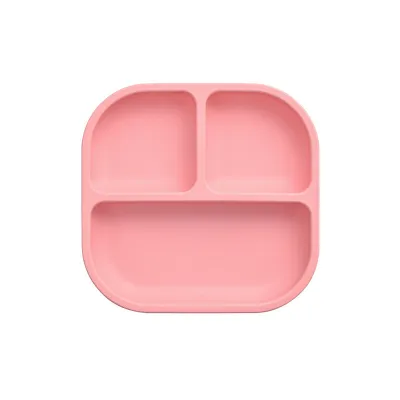
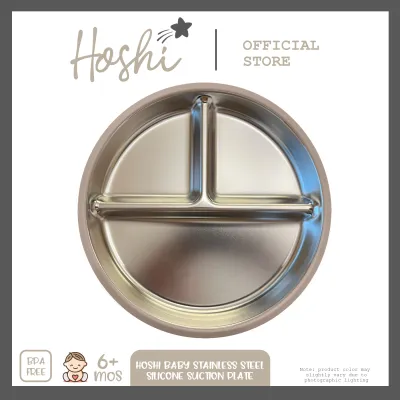
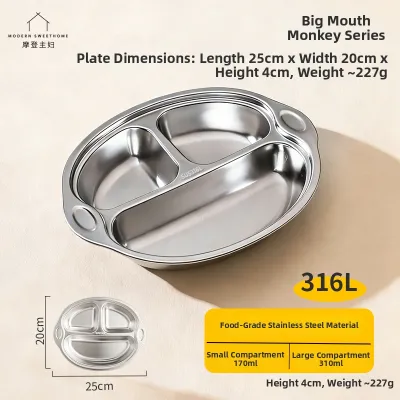
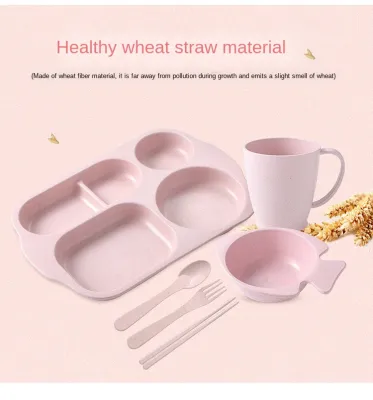
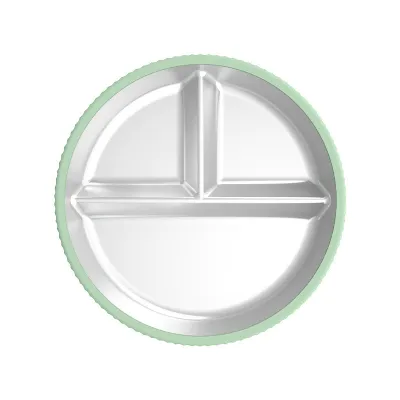
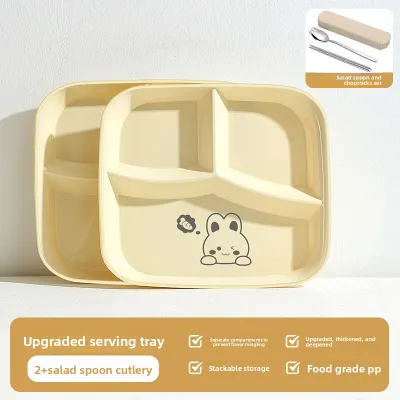
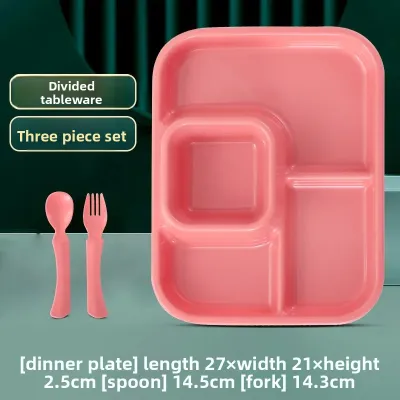
Prices are valid at publication and may change. Please refer to the product page for the latest price.
Evaluating Common Weaning Plate Materials
Selecting the right material involves balancing your baby’s current feeding stage, motor skills, and your daily cleaning routine. Each common material offers unique benefits and requires specific care to remain safe for food contact.

Silicone Plates
Silicone has become highly popular for early weaning due to its flexibility, durability, and excellent suction capabilities. Many silicone plates feature integrated suction bases designed to stick firmly to highchair trays or dining tables. This design helps prevent babies from lifting, tipping, or throwing their food, which reduces mealtime mess and allows caregivers to focus on supervising the feeding process.
However, not all silicone products are created equal. When shopping, it is important to verify that the product is made from 100% food-grade silicone without cheap plastic fillers or chemical softeners. You can perform a simple check by pinching or twisting a flat section of the plate; if white fillers show through the surface, the material may contain additives. Additionally, always verify the manufacturer’s specific temperature limits before exposing silicone to high heat, such as in a microwave, oven, or steam sterilizer, to ensure the material does not degrade over time.
Stainless Steel Plates
For older, more active toddlers who are developing stronger motor skills, stainless steel plates offer an exceptionally durable and hygienic option. This material is virtually unbreakable, making it highly resistant to the inevitable drops and tosses that occur during self-feeding milestones. Stainless steel is also non-porous, meaning it does not retain food odors, stains, or oily residues, making it easy to clean thoroughly.
Despite these benefits, stainless steel requires specific handling precautions. These plates are not microwave-safe, so you must heat food in a separate container before serving. Additionally, stainless steel conducts heat rapidly; unless you choose a double-walled or insulated design, hot foods can make the plate warm to the touch, requiring careful temperature checks before placing it in front of your child. Always check product labels to verify that the plate is made from high-quality, food-grade stainless steel, such as 304 or 18/8 grade, to ensure long-term rust resistance.
Bamboo and Wood Plates
Bamboo and wooden plates appeal to caregivers looking for natural, aesthetically pleasing tableware. These plates are lightweight and often come with detachable silicone suction rings, combining a classic look with modern functionality. However, because wood and bamboo are organic, porous materials, they require a much more demanding care routine than synthetic alternatives.
When choosing a bamboo plate, it is vital to verify that any sealants, glues, or binders used in its construction are certified food-safe and non-toxic. To maintain these plates safely, you must commit to a strict hand-wash routine using mild soap and warm water, followed by immediate towel drying. In humid tropical climates, such as in the Philippines, leaving organic plates damp or soaking them in water can quickly lead to mold growth, warping, or deep cracking. Furthermore, bamboo and wood are generally not safe for use in microwaves, ovens, or dishwashers, as extreme heat and moisture will rapidly destroy their structural integrity.
Plastic Plates
Plastic plates are widely available, lightweight, and highly affordable, but they require the strictest safety boundaries and monitoring. If you choose to use plastic, it is absolutely necessary to verify independent safety certifications on the packaging to ensure the material is free from BPA, BPS, and other chemical plasticizers.
To minimize the risk of chemical leaching, never use plastic plates to heat food in the microwave, and avoid serving extremely hot meals directly onto them. High temperatures can accelerate the degradation of plastic polymers, potentially releasing microscopic particles or chemical residues into your baby’s food. Caregivers must inspect plastic tableware regularly and replace plates immediately if they show signs of wear, such as deep scratches from metal utensils, cloudiness, warping, or surface peeling, as these damaged areas can also harbor harmful bacteria.
Matching the Plate to Your Baby's Weaning Stage
As your child grows, their feeding behavior and physical capabilities change, meaning the ideal plate material and design will also evolve. During the early weaning stage, which typically involves smooth purees and mashed foods, your primary challenge is keeping the plate in place. For this stage, prioritizing a plate with a strong suction base—most commonly found in silicone designs—is highly beneficial. This keeps the food secure while you guide the spoon or allow your baby to explore textures with their fingers.
When transitioning to baby-led weaning (BLW), where babies feed themselves whole pieces of finger foods, a divided plate with raised, sturdy edges becomes incredibly useful. The separate compartments allow you to offer a variety of food groups, such as soft fruits, vegetables, and grains, without them mixing together. The raised outer walls provide a physical barrier that helps your baby scoop up slippery pieces of food, supporting their developing hand-eye coordination and fine motor skills.
By the time your child reaches the toddler stage and begins mastering self-feeding with child-safe utensils, their throwing instincts typically decrease. At this point, you can transition to durable, lightweight options like stainless steel or high-quality silicone plates without suction bases. These materials mimic adult tableware more closely, helping your toddler build confidence and transition smoothly to family meals.
Cleaning, Maintenance, and Replacement Signals
Keeping your child’s tableware hygienic requires consistent maintenance and a clear understanding of when a plate has reached the end of its usable lifespan. Always refer to the manufacturer’s instructions for specific cleaning protocols, including whether the item is safe for steam sterilization, top-rack dishwasher cleaning, or UV sterilization.
Regularly inspect all weaning plates for visual and tactile signs of wear. Deep scratches from forks or spoons are a primary concern because they create microscopic crevices where food particles and bacteria can accumulate, resisting standard washing. For silicone plates, watch out for a sticky residue or persistent soapy odors, which can occur if dish soap oils bind to the silicone surface.
In humid environments, establish a strict routine to inspect bamboo and wooden plates for hidden mold, particularly around the joints, crevices, and where the silicone suction ring attaches. For plastic plates, look for structural degradation such as cloudiness, cracking, or peeling coatings. If you detect any of these warning signs, stop using the plate immediately and replace it to ensure your child’s feeding environment remains clean and safe.
Frequently Asked Questions (FAQ)
Can I put silicone plates in the dishwasher and microwave?
Yes, many high-quality silicone plates are designed to withstand both dishwasher cleaning and microwave heating, but you must always verify the manufacturer’s specific temperature thresholds first. When using a dishwasher, place the silicone plate on the top rack to keep it away from the intense heat of the bottom heating element, which can warp or degrade the material over time. If you notice a soapy taste or smell on the plate after dishwashing, it may be absorbing oils from your detergent; switching to a mild, fragrance-free dish soap can help prevent this issue.
Are divided plates necessary for baby-led weaning?
Divided plates are not strictly mandatory for baby-led weaning, but they offer significant practical benefits for self-feeding. The raised dividers and outer edges give babies a solid surface to push food against, making it much easier for them to scoop up finger foods independently. Additionally, keeping different food items separate can make meals more visually appealing to young children and prevents sauces or textures from mixing, which is highly helpful for babies who are sensitive to mixed food textures.
Community discussion
Share your experience or ask a question. Comments are reviewed before publication.