
Selecting the right baby carrier requires balancing your child’s physical development with your daily lifestyle demands. For parents considering Zima baby carriers in the Philippines, this decision involves evaluating how well a model supports a growing baby’s spine and hips while keeping both parent and child comfortable in a warm, humid climate. The ideal choice depends on whether you need a quick-on option for short indoor chores or a highly supportive structured carrier for extended outdoor trips.
Navigating the transition from infancy to toddlerhood means your carrying needs will shift. A newborn requires close, soft support that mimics the womb, while an active toddler needs a quick way to hop up and down during errands. By understanding the physical milestones of your baby and matching them to your daily routine, you can select a carrier that provides ergonomic comfort for both of you.
Understanding Your Baby's Age and Carrier Readiness
Before choosing any carrier model, you must assess your baby’s physical development. Newborns and young infants have very different structural needs compared to older babies. In the first few months of life, an infant’s spine is shaped like a C-curve, and they lack the neck strength to support their own head. During this early stage, any carrier used must offer robust head and neck support, keeping the baby in an upright, inward-facing position. This position ensures that the baby’s head remains close enough to kiss, with their chin off their chest to keep the airway completely clear and unobstructed.
Products mentioned in this guide
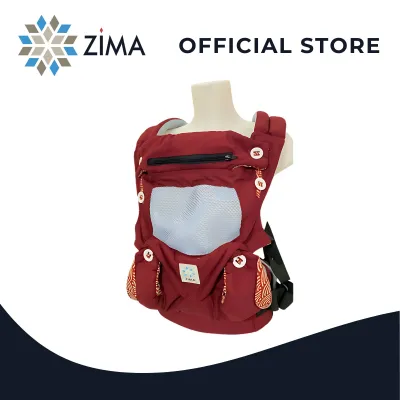
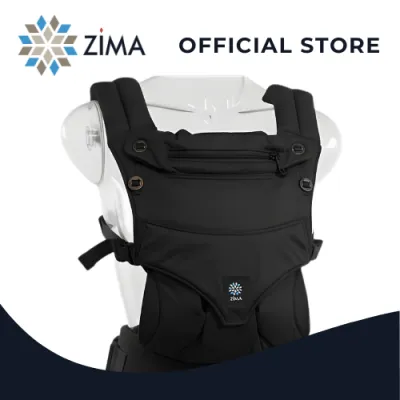
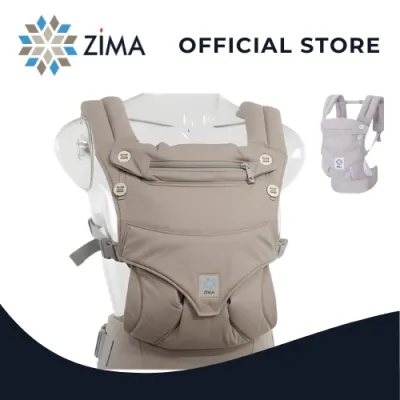
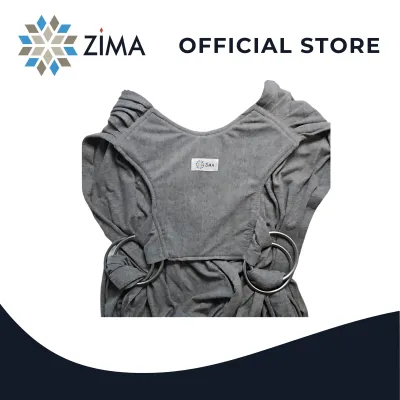
Prices are valid at publication and may change. Please refer to the product page for the latest price.
As your baby grows and develops strong head and neck control, typically around four to six months of age, their physical capabilities expand. This milestone often opens up new carrying positions, such as outward-facing or back carrying, depending on the specific design of your carrier. However, even as your baby transitions to these active positions, maintaining proper hip ergonomics remains vital. The carrier must support the baby’s thighs from knee to knee, keeping their hips in an “M-shape” or “frog-leg” position where the knees are slightly higher than the bottom. This positioning reduces the risk of hip dysplasia by keeping the hip joint securely in its socket.
When your child reaches the toddler stage, their weight increases, and their desire for independence grows. Toddlers frequently transition between wanting to be carried and wanting to walk on their own. At this stage, a carrier with a built-in hip seat becomes highly practical, as it supports the child’s weight on a solid platform while allowing you to lift them on and off quickly. Regardless of which stage your baby is currently in, always consult the specific product’s manual and labels to verify the minimum and maximum weight, height, and age milestones before your first use.
Matching Zima Carrier Styles to Your Daily Routine
Your daily routine and local environment play a massive role in determining which carrier style will serve you best. For parents who spend a lot of time indoors managing household chores or running quick errands nearby, simplicity and ease of use are paramount. A lightweight carrier or a standalone hip seat is often the most convenient choice for these scenarios. These options allow you to secure your baby quickly without dealing with complex strap adjustments, making them perfect for short periods of wear when you need your hands free to tidy up or prepare a quick meal.

If your lifestyle involves long walks, frequent travel, or extended outdoor activities, you will require a structured carrier designed for long-term comfort. Extended wear puts significant strain on your shoulders, upper back, and lumbar region. To prevent fatigue and discomfort, look for structured models that feature thick, padded shoulder straps and a dedicated lumbar support panel. These components work together to distribute your baby’s weight evenly across your torso, allowing you to walk through shopping malls or outdoor parks for hours without experiencing acute back strain.
Living in a tropical climate like the Philippines introduces unique challenges for babywearing. The combination of high temperatures and humidity can quickly cause both you and your baby to overheat. When selecting a carrier, pay close attention to the materials used in its construction. Models featuring breathable 3D mesh panels are highly recommended for warm weather, as they allow air to circulate freely around your baby’s body. Standard solid cotton fabrics, while durable and soft, tend to trap heat and sweat, making them more suitable for air-conditioned indoor environments rather than outdoor use in tropical heat.
Key Features to Compare Across Zima Models
When narrowing down your choices among different carrier models, comparing specific physical features can help you find the perfect fit for your body type. One of the most important structural elements to evaluate is the strap configuration. Many carriers offer either a cross-back (X-back) design or an H-back design. Cross-back straps cross over your shoulder blades, which naturally distributes the baby’s weight across a wider surface area of your back, making it highly comfortable for caregivers with narrower shoulders. H-back straps, which run parallel and connect with a chest clip, are often preferred by parents who want a quick, familiar backpack-style adjustment.
The design of the waistband is another critical factor in long-term carrying comfort. A wide, heavily padded waistband acts as the primary load-bearing element of the carrier, transferring a significant portion of your baby’s weight from your shoulders down to your hips. If the waistband is too thin or lacks structural stiffness, it can dig into your waist or sag under the baby’s weight, leading to lower back pain. Look for a waistband that offers firm support and a secure, heavy-duty buckle that remains comfortable when tightened against your body.
Practical additions can greatly enhance your daily babywearing experience, so consider which accessories align with your routine. Storage pockets integrated into the waistband or front panel are incredibly useful for holding small essentials like keys, a mobile phone, or loose change in ₱, eliminating the need to carry an extra bag. A detachable sun hood is another valuable feature for outdoor use, providing shade and wind protection for your baby during naps. Additionally, removable teething pads that wrap around the shoulder straps can protect the carrier’s fabric from drool, making cleanup much easier.
Finally, balance your budget considerations against the features you actually need. Carrier models vary in price, and while premium options offer a wide array of configurations, you should focus on paying for features that match your daily life rather than unused extras. If you primarily carry your baby indoors for short intervals, a straightforward, budget-friendly model with basic adjustments may be entirely sufficient. However, if you plan to use the carrier daily for several hours, investing in a model with advanced lumbar support and breathable mesh panels is a worthwhile expenditure that protects your physical well-being.
How to Verify Safety, Fit, and Authenticity
Ensuring the safety and authenticity of your baby carrier is the most critical step before you begin using it. Every time you secure your baby in the carrier, perform a quick visual and physical check of their positioning. The baby’s knees should always be bent higher than their bottom, forming a clear M-shape with their legs spread comfortably around your torso. This ergonomic positioning supports healthy joint development. Additionally, ensure that your baby’s face is completely visible to you at all times, with their nose and mouth free from fabric obstruction, and their chin tilted slightly upward away from their chest to maintain an open airway.
Before placing your baby in the carrier, conduct a thorough inspection of the product’s physical integrity. Check all stitching along the straps, seat, and waistband to ensure there are no loose threads or frayed sections. Test every plastic buckle by clipping it together and pulling firmly to verify that it locks securely and does not slip under tension. Inspect all zippers and snaps to confirm they function smoothly and remain closed. If you notice any signs of wear, damage, or structural weakness, refrain from using the carrier until it can be repaired or replaced.
To guarantee that you are using a genuine, safety-tested product, always purchase your carrier from authorized brand stores, official mall counters, or verified online flagship stores. The market often contains counterfeit baby gear that mimics the appearance of popular brands but uses substandard materials, weak stitching, and low-grade plastic buckles that can fail under load. Buying from official channels ensures that the carrier has undergone rigorous quality control and meets established safety standards, providing peace of mind as you carry your child.
Frequently Asked Questions (FAQ)
Can I use a Zima hip seat for a newborn?
A standalone hip seat is not suitable for a newborn baby. Newborns lack the core strength, spinal development, and head control required to sit upright on a hip seat platform, even when supported by a caregiver’s arm. Using a hip seat too early can place dangerous strain on an infant’s developing spine and compromise their airway. Generally, a child must be able to sit independently and demonstrate complete head and neck control before transitioning to a standalone hip seat. Always consult the specific instruction manual of your carrier model to verify the exact minimum age, weight, and developmental milestones required for safe use.
How do I clean a Zima baby carrier after daily use?
Keeping your baby carrier clean is essential for hygiene, but improper washing can damage its structural components. Always refer to the manufacturer’s care labels attached to the carrier before cleaning. For minor spills and drool, spot cleaning with a damp cloth and mild, baby-safe detergent is highly recommended to preserve the fabric. If a full wash is necessary, remove any hard inserts, such as the foam block inside a hip seat, before washing. Use a gentle cycle with cold water and place the carrier inside a mesh laundry bag to protect the buckles. Always air dry the carrier in a shaded, well-ventilated area; avoid direct heat sources or tumble dryers, as high heat can degrade the elastic, padding, and plastic buckles.

Community discussion
Share your experience or ask a question. Comments are reviewed before publication.