
Selecting the ideal travel milk powder container depends entirely on your specific outing needs rather than a single universal design. By evaluating trip duration, the number of required feeds, and your portability preferences, you can match the right storage features to your daily routine and ensure safe, mess-free feeding on the go. Whether you are heading out for a quick stroll in a local park or embarking on a long family road trip, having a reliable way to store and dispense formula is essential for keeping your baby well-fed and comfortable.
Essential Features to Check Before Buying
Before purchasing any travel milk powder container, it is vital to verify its core safety and structural specifications. The primary material must be food-grade and certified as BPA-free. You can easily verify these claims by checking the manufacturer’s packaging, official product labels, or user manuals. High-quality plastics like polypropylene (PP) or polyphenylsulfone (PPSU) are commonly used because they are lightweight, durable, and resistant to high temperatures, making them safer for repeated use and sterilization.
Next, inspect the sealing mechanisms closely. In tropical climates where humidity is consistently high, a weak seal can allow moisture to seep into the container, causing the powder to clump and spoil. Look for containers equipped with thick, high-quality silicone rings that fit snugly within the lid’s grooves. The threading depth of screw-on lids also plays a major role in airtightness; deeper, well-defined threads provide a more secure mechanical lock that prevents accidental spills when the container is jostled inside a packed diaper bag.
Products mentioned in this guide
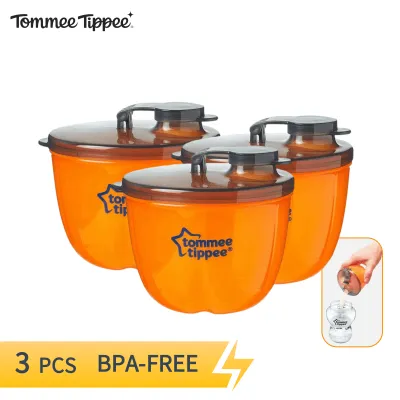
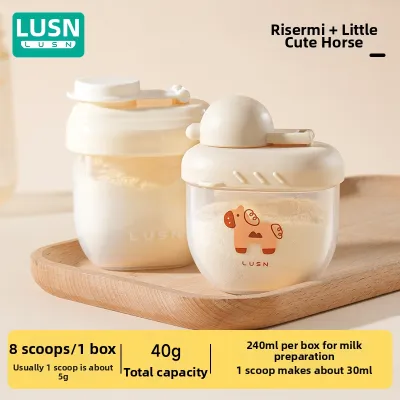
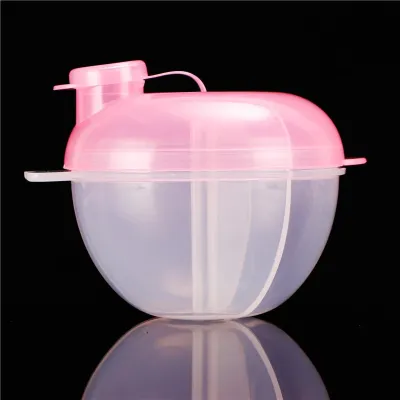
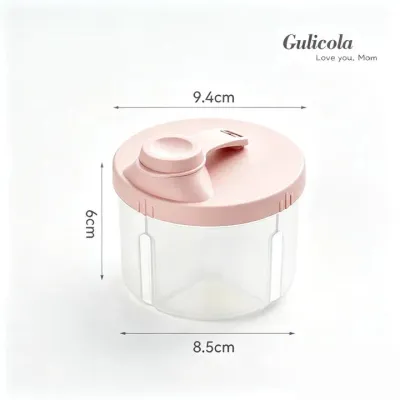
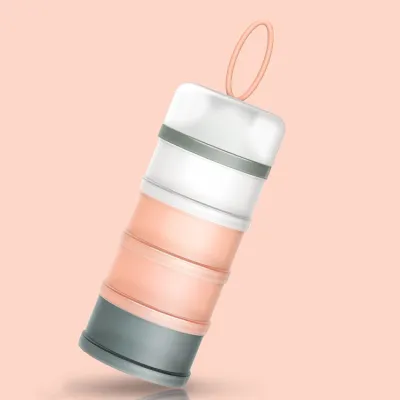
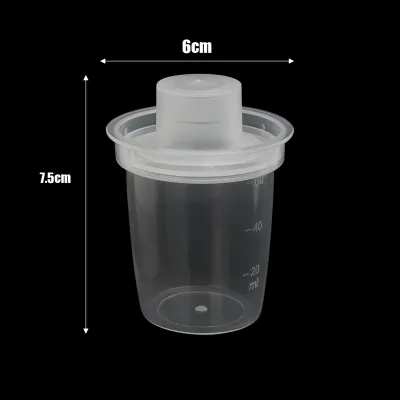
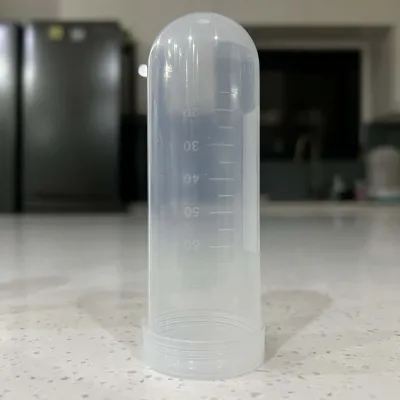
Prices are valid at publication and may change. Please refer to the product page for the latest price.
The pouring mechanism is another critical feature that directly impacts your daily convenience. A poorly designed opening can lead to wasted formula and unnecessary mess, especially when you are trying to prepare a bottle in a moving vehicle or a crowded public space. Look for containers with built-in funnels, narrow spouts, or wide-mouth designs that match the neck size of your baby bottles. A narrow, tapered spout is particularly useful for standard-neck bottles, while a wider opening works well for wide-neck bottle systems.
Finally, always check the manufacturer’s stated temperature limits and dishwasher safety guidelines. Different materials have varying tolerances for heat. Some containers can safely withstand steam sterilization or boiling water, while others may warp, crack, or release unwanted chemicals if exposed to extreme temperatures. Verifying these care instructions beforehand ensures that you can clean and sanitize the container using your preferred household methods without compromising its structural integrity.
Matching Container Styles to Your Outing Scenarios
Selecting the right container style requires a clear understanding of how long you will be away from home and how many times your baby will need to feed. Different designs excel in different scenarios, balancing the need for compact portability against the demand for high-capacity storage.

Short Trips and Daily Errands
For quick errands, doctor’s appointments, or brief visits to a nearby mall, a low-profile and lightweight container is usually the most practical choice. In these situations, you typically only need one or two pre-measured servings of formula. Single-serve pods or compact, stackable two-layer dispensers are ideal because they minimize the footprint inside your diaper bag, leaving plenty of room for other essentials like diapers, wipes, and a change of clothes.
When evaluating these compact options, pay close attention to the lid design. Quick-twist or snap-open lids are highly beneficial when you need fast, one-handed access in public restrooms, busy feeding areas, or crowded spaces. These mechanisms allow you to open the container, pour the powder, and secure the lid back in place with minimal effort, reducing the risk of dropping parts or exposing the remaining powder to the air.
However, there is often a trade-off between ultra-compact size and ease of pouring. Very small containers may feature narrow openings that make it difficult to transfer the powder into standard baby bottles without spilling. To avoid this issue, look for compact designs that feature a detachable funnel lid or a tapered spout. This structural addition ensures that even the smallest container can clean-pour its contents directly into the bottle neck, saving you from wasting expensive formula on the go.
Long Journeys and Overnight Stays
Extended travel, overnight stays, or full-day family road trips require a completely different approach to formula storage. When you are away from home for twelve hours or more, you must carry multiple feeds, protect the powder from environmental elements, and manage your packing space efficiently. In these scenarios, you must choose between high-capacity multi-layer stackable dispensers and single, airtight bulk canisters.
Multi-layer stackable dispensers allow you to pre-measure individual feeds into separate, interlocking compartments. This system is highly space-efficient because it stacks vertically, fitting easily into the tall, narrow compartments of standard diaper bags. On the other hand, a single bulk canister allows you to carry a larger volume of powder in one place, but it requires you to bring along a measuring scoop and perform the measuring process on the go, which can be challenging in a moving vehicle or an unstable environment.
Protecting the formula from moisture during long transits is paramount, especially in warm, humid climates. Look for containers that feature reinforced moisture barriers, such as double-walled construction or dedicated compartments for food-safe desiccant packs. These features help maintain a dry internal environment, preventing the powder from absorbing ambient moisture and clumping over time.
Before packing, always calculate the total volume capacity you will need based on your baby’s daily intake and the expected duration of your trip. If your baby typically consumes four 240 mL (8 oz) bottles a day, ensure your container system can comfortably hold at least five or six pre-measured portions. Packing a little extra formula provides a crucial safety margin in case of travel delays, accidental spills, or unexpected feeding demands.
High-Frequency Feeding or Multiples
Managing a baby who feeds frequently, or caring for multiples like twins or triplets, requires a highly organized and efficient feeding system. When you are dealing with frequent feedings on the go, standard single-compartment containers can quickly become inconvenient. Modular container systems offer an excellent solution by allowing parents to detach and hand off individual, pre-measured servings without opening or exposing the entire formula supply to the air.
This modularity is incredibly helpful when sharing caregiving duties. For instance, you can easily detach a single pre-measured compartment and hand it to a partner, grandparent, or babysitter, along with a clean bottle of water, ensuring they have everything they need for a single feed without needing to carry the entire storage system. This minimizes the risk of contamination and keeps the remaining powder sealed and protected.
To further streamline the process, look for containers that offer color-coding or clear labeling options. Having different colored lids or write-on surfaces allows you to easily distinguish between different formula types, specialized dietary supplements, or specific feeding times. This visual organization reduces confusion and helps prevent preparation mistakes, especially during late-night feedings or hectic travel moments.
Additionally, assess the structural stability of fully loaded, multi-tier containers. A tall tower of interlocking compartments can easily tip over if the base is too narrow or if the locking mechanism between layers is weak. Look for designs with wide, stable bases and secure twist-lock or snap-lock connections. This structural integrity ensures that the entire assembly remains upright and secure, even when placed in a moving stroller basket or on an uneven car seat.
Portability, Packing, and Bag Organization
The physical shape, weight, and accessory design of a travel milk powder container heavily influence how easily it fits into your daily routine. When packing a diaper bag, space is always at a premium. Comparing the footprint of different container shapes can help you maximize your storage efficiency. Cylindrical containers are highly popular because their round shape fits perfectly into standard insulated bottle pockets and side compartments of most diaper bags.
Conversely, rectangular or wedge-shaped containers are often better suited for packing flat against the back panel of a backpack or sliding into wide, shallow compartments. These shapes can prevent wasted space in the corners of your bag, allowing you to pack more efficiently. When choosing a shape, consider the layout of your primary diaper bag and select a container footprint that complements its existing compartments.
Integrated accessories can also greatly improve portability and ease of use. Look for containers that feature attached measuring scoops, built-in levelers, or secure flip-top lids. These integrated designs prevent you from losing small, essential parts while traveling. A container with a built-in leveler, for example, allows you to get an accurate measurement without needing to pack a separate knife or flat tool, simplifying the preparation process significantly.
Do not overlook the physical weight of the container when it is fully loaded with dense formula powder. Carrying a heavy diaper bag for extended periods can cause physical strain, so choosing a lightweight yet durable plastic container is highly beneficial. Finally, prioritize designs with flat, non-slip bases. A stable base allows the container to stand firmly on uneven surfaces like park benches, car dashboards, or public changing tables, reducing the risk of accidental tips and spills while you are busy managing your baby.
Cleaning, Drying, and Safety Maintenance
Keeping your travel milk powder container clean, dry, and well-maintained is essential for preventing bacterial growth and ensuring your baby’s health. Formula powder is highly nutritious, which unfortunately means that even tiny residues left behind can become breeding grounds for bacteria if exposed to moisture. Thorough cleaning requires complete disassembly of the container.
When washing the container, always remove all detachable parts, including silicone sealing rings, lids, and individual compartment dividers. Pay close attention to hidden areas where powder residue can easily accumulate, such as under the silicone seals, inside the threading grooves of screw-on lids, and around the pouring spouts. Use a small, soft-bristled brush to gently scrub these hard-to-reach spots with warm, soapy water.
After washing, complete air-drying is the most critical step before refilling the container. Even a single microscopic droplet of water left inside a compartment can cause the dry formula powder to clump, spoil, or harbor bacteria. In humid tropical environments, air-drying can take longer than expected. Place all disassembled parts on a clean, elevated drying rack in a well-ventilated area, and allow them to dry completely before reassembling or adding new powder.
Regularly inspect your container for visual signs of wear and tear. Over time, exposure to heat, cleaning agents, and daily use can degrade the materials. Look for worn or stretched silicone rings that no longer provide an airtight seal, warped plastic threads that make it difficult to screw the lids on securely, or deep scratches on the inner surfaces where bacteria can hide. If you notice any of these signs, it is time to replace the container to ensure continued safety.
Lastly, always consult the manufacturer’s care instructions regarding sterilization methods. While some containers are compatible with boiling water, steam sterilizers, or UV sterilizers, others may warp or release harmful substances if subjected to extreme heat or specific wavelengths. Following the manufacturer’s guidelines protects the container from premature damage and ensures that your sanitizing routine remains safe and effective.
Frequently Asked Questions (FAQ)
Can I store prepared liquid formula in a powder dispenser?
No, you should not store prepared liquid formula in a standard travel milk powder dispenser. These containers are specifically designed and engineered to hold dry powder and are not equipped with the watertight seals required to prevent liquid leaks. Storing liquid formula in them will almost certainly result in messy spills inside your diaper bag.
Furthermore, storing prepared liquid formula at room temperature in a non-insulated container poses significant bacterial risks. Once formula is mixed with water, it becomes highly susceptible to rapid bacterial growth if left unrefrigerated for more than a couple of hours. To ensure your baby’s safety, always use dedicated, insulated baby bottles or specialized liquid-storage containers designed to maintain safe temperatures, or simply carry the dry powder and water separately, mixing them only when it is time to feed.
How do I prevent formula powder from clumping inside the container?
Preventing formula powder from clumping inside your travel container requires careful moisture control. The most important step is to ensure that the container is 100% bone-dry before you add any powder. Even a tiny amount of residual moisture from washing can cause the powder to stick to the walls and form hard clumps.
Additionally, try to avoid opening the container in highly humid environments. Preparing a bottle immediately after a hot shower, in a steamy kitchen, or outdoors during a humid rainy day can introduce moist air into the container, leading to clumping. Finally, make it a habit to regularly check the integrity of the silicone seal. A compromised, stretched, or dirty seal will allow ambient humidity to seep into the container over time, degrading the quality of the powder even when the lid is tightly closed.
Community discussion
Share your experience or ask a question. Comments are reviewed before publication.