
Choosing the right skincare products for your baby is a decision that requires careful thought, especially when navigating the diverse options in the Tender Care lineup. To select the ideal baby bath wash, skincare oil, and sunscreen, you must match each product’s formulation with your baby’s age, skin sensitivity, and the environmental demands of a tropical climate. The selection process centers on verifying gentle, pH-balanced ingredients for daily cleansing, choosing lightweight, non-comedogenic oils that won’t clog pores in high humidity, and applying mineral-based sun protection once your baby is developmentally ready.
By focusing on these specific criteria, you can establish a safe, comforting, and effective skincare routine that protects your baby’s delicate skin barrier. This guide provides a detailed framework to help you assess your baby’s skin needs, evaluate product formulations, and make informed choices that promote long-term skin health.
Identifying Your Baby's Skin Type and Specific Needs
Before purchasing any new skincare products, you must first assess your baby’s current skin condition and developmental stage. An infant’s skin is structurally different from adult skin; it is up to thirty percent thinner, loses moisture much faster, and is highly susceptible to environmental irritants. To establish a baseline for your baby’s needs, observe their skin closely under natural light to identify whether it is normal, dry, or sensitive.
Products mentioned in this guide
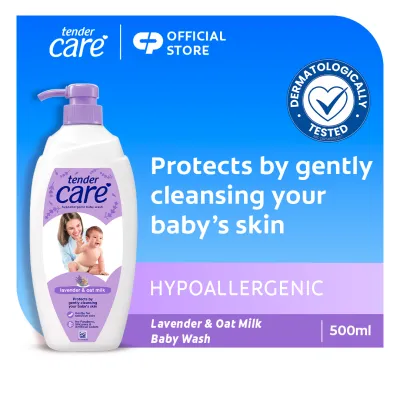
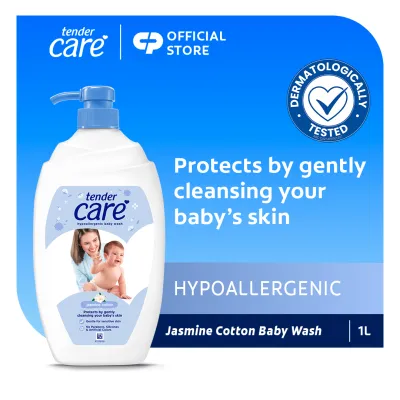
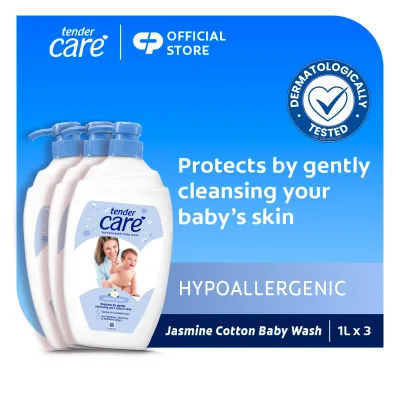
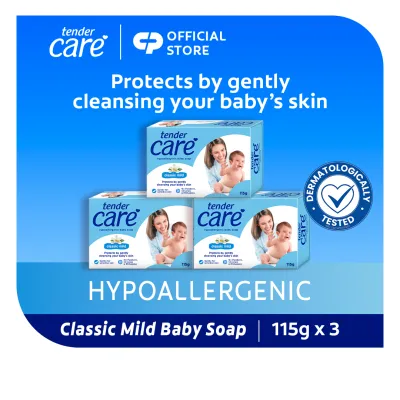
Prices are valid at publication and may change. Please refer to the product page for the latest price.
Normal infant skin is typically smooth, even-toned, and resilient, requiring only basic, gentle maintenance to preserve its natural barrier. Dry skin often presents as rough patches, fine flaking, or mild peeling, particularly around the wrists, ankles, and elbows, which indicates a need for deeply hydrating and occlusive products. Sensitive skin is highly reactive, frequently showing signs of redness, localized hives, or heat rashes in response to friction, temperature shifts, or synthetic ingredients.
Your baby’s age and developmental stage also dictate which products are safe to use. Newborns have an exceptionally fragile skin barrier that is still adapting to the extrauterine environment, making them highly vulnerable to chemical absorption. Because of this high permeability, newborns should not be exposed to unnecessary additives, strong synthetic fragrances, or essential oils. Additionally, young infants have underdeveloped metabolic pathways, which directly influences safety guidelines for products like sunscreens and concentrated topical treatments.
If your baby exhibits persistent red patches, intense itching, scaling, or signs of atopic dermatitis (eczema), you should pause any plans to introduce standard commercial skincare products. In these situations, self-diagnosis can worsen the condition. You must consult a pediatrician or a pediatric dermatologist who can evaluate the skin, provide an accurate diagnosis, and recommend specialized therapeutic emollients or medical treatments tailored to your baby’s specific condition.
Selecting the Right Tender Care Baby Bath Wash
Bath time is a fundamental part of your baby’s daily routine, serving as both a cleansing ritual and an opportunity for sensory development. However, frequent bathing can strip the skin of its natural oils if you do not use the correct product. When selecting a Tender Care baby bath wash, your primary goal is to find a formulation that cleanses effectively without disrupting the skin’s delicate protective barrier.

A baby’s skin surface has a natural, slightly acidic pH—often referred to as the acid mantle—which helps defend against harmful bacteria and environmental contaminants. Traditional soaps are highly alkaline, which can strip away this protective mantle, leaving the skin dry, irritated, and vulnerable to infection. To prevent this, look for a bath wash that is explicitly labeled as pH-balanced and “tear-free.” Tear-free formulations utilize exceptionally mild surfactants that do not sting or irritate the sensitive mucous membranes of your baby’s eyes, ensuring a comfortable and stress-free bath time.
Carefully read the ingredient list on the back of the packaging to identify potential irritants and beneficial additives. You should avoid bath washes that contain harsh sulfates, such as sodium lauryl sulfate (SLS), which are aggressive cleansing agents known to cause dryness and irritation. Instead, prioritize formulations that feature gentle, plant-derived cleansers and soothing ingredients. Many products in the Tender Care range incorporate natural botanical extracts, such as chamomile, lavender, or jasmine, which help soothe the skin and provide a calming sensory experience during evening baths.
Always check the product label for specific age recommendations and clear usage instructions. Some formulations are designed as convenient head-to-toe washes, which are ideal for newborns and young infants with minimal hair. Other products are dedicated baby shampoos formulated specifically to address scalp conditions like cradle cap or to cleanse thicker hair. Additionally, verify whether the manufacturer recommends diluting the bath wash in tub water or applying it directly to a washcloth, as proper dilution helps minimize the risk of localized dryness.
Before incorporating any new bath wash into your baby’s routine, you must perform a localized patch test to check for immediate sensitivities. Apply a tiny amount of the diluted bath wash to a small, clean area on your baby’s inner arm or thigh during their bath, rinse it off completely, and monitor the spot for the next 24 to 48 hours. If you notice any redness, swelling, or tiny bumps, discontinue use immediately. If the skin remains clear and healthy, you can confidently integrate the product into your baby’s daily bath routine.
Choosing a Tender Care Skincare Oil for Massage and Moisture
Baby oil is a versatile product that can serve multiple purposes in your daily care routine, from facilitating bonding through massage to locking in essential moisture after a bath. However, not all oils are formulated the same way, and using the wrong type of oil can lead to skin irritation or clogged pores, especially in warm climates. Understanding how and when to use baby oil is key to selecting the right product.
It is important to distinguish between oils intended for baby massage and those used primarily for daily moisturizing. A massage oil requires excellent “slip”—the ability to glide smoothly over the skin’s surface without absorbing too quickly, allowing you to perform gentle, rhythmic strokes without causing friction or pulling the skin. In contrast, an oil used for moisturizing is designed to seal in hydration. To maximize this effect, apply the moisturizing oil immediately after a bath while your baby’s skin is still damp, which traps the surface water before it has a chance to evaporate.
The choice of base oil is highly dependent on your local climate and your baby’s specific skin tolerance. Mineral-based oils are highly purified, inert, and exceptionally effective at creating an occlusive barrier that prevents transepidermal water loss, making them an excellent choice for babies with very dry skin. However, in a hot and highly humid tropical environment like the Philippines, heavy occlusive barriers can trap sweat and sebum against the skin, potentially leading to heat rash (miliaria) or clogged pores. If you live in a humid area, you may want to look for lighter formulations or plant-derived oils, such as sunflower oil, which absorb more readily into the skin without leaving a heavy, suffocating residue.
For babies with highly sensitive skin or a family history of allergies, you must verify that the skincare oil is free from added essential oils or strong synthetic fragrances. While essential oils like tea tree or eucalyptus are popular in adult skincare, they contain concentrated organic compounds that are common triggers for contact dermatitis in infants. Opting for hypoallergenic, fragrance-free, or very mildly scented formulations significantly reduces the risk of triggering an adverse skin reaction.
When using baby oil, physical safety must always be your top priority. Oil makes your baby’s skin incredibly slippery, which drastically increases the risk of accidental slips during handling. Always keep a clean, dry towel nearby to thoroughly wipe your hands before lifting, carrying, or changing your baby. Furthermore, avoid applying oil to your baby’s face, particularly around the eyes, nose, and mouth. Babies frequently rub their faces and put their fingers in their mouths, and accidental ingestion or eye contact with baby oil can cause severe discomfort and irritation.
Picking the Safest Tender Care Sunscreen for Outdoor Protection
Protecting your baby’s skin from the sun’s damaging ultraviolet (UV) rays is essential for preventing short-term sunburns and long-term skin damage. However, because infant skin is thin and highly absorptive, sun protection requires a highly cautious approach. Selecting and applying sunscreen must be done in strict accordance with pediatric safety guidelines.
The general consensus among pediatricians and dermatologists is that sunscreen should not be applied to infants under six months of age. Young infants have an immature skin barrier and a high surface-area-to-body-weight ratio, which increases the risk of absorbing active sunscreen chemicals into their bloodstream. For babies under six months, you must rely entirely on physical sun protection: keep them in complete shade, dress them in lightweight, long-sleeved cotton clothing, use wide-brimmed hats, and avoid outdoor activities during peak UV hours, which typically run from 10:00 AM to 4:00 PM.
For babies over six months of age, sunscreen can be safely introduced to protect exposed areas of skin, such as the face, hands, and feet. When shopping for a baby sunscreen, look for a product labeled “broad-spectrum,” which means it protects against both UVA rays (which penetrate deeply and cause long-term cellular damage) and UVB rays (which cause painful surface sunburns). Additionally, ensure the product offers an appropriate Sun Protection Factor (SPF), with SPF 30 or higher being the standard recommendation for daily outdoor exposure or extended periods in the sun.
You should understand the fundamental differences between mineral (physical) and chemical sunscreens to make the safest choice for your baby. Mineral sunscreens utilize active ingredients like zinc oxide or titanium dioxide, which sit on top of the skin’s surface and physically reflect UV rays away from the body. Because these mineral ingredients are not absorbed into the skin, they are highly unlikely to cause irritation or allergic reactions, making them the preferred choice for infants and children with sensitive skin. Chemical sunscreens, by contrast, contain organic compounds that absorb UV rays and convert them into heat; these active chemical filters can sometimes irritate delicate baby skin.
When planning outdoor activities, especially near water or during humid days, you must verify the water resistance claims on the sunscreen packaging. No sunscreen is completely waterproof, and active play, sweating, or swimming will gradually wash the product away. As a general rule, you should reapply baby sunscreen at least every two hours, or immediately after your baby swims, sweats heavily, or is towel-dried, to ensure continuous and reliable protection.
Always remember that sunscreen is only one layer of a comprehensive sun safety strategy. It should never be used as an excuse to extend your baby’s time in direct sunlight. You must always combine sunscreen application with physical barriers, such as UV-blocking stroller canopies and sun umbrellas. Furthermore, keep your baby well-hydrated by offering frequent breastfeeds, formula, or water (if they are over six months old) to prevent heat exhaustion and dehydration under the tropical sun.
How to Read Tender Care Product Labels and Safety Information
Equipping yourself with the skills to read and interpret product packaging is the best way to ensure you are buying safe, authentic, and effective products for your baby. Skincare labels contain a wealth of technical information, and knowing what to look for can prevent you from using expired, counterfeit, or unsuitable formulations.
Before purchasing any Tender Care product, run through a quick checklist on the packaging to verify its quality and safety:
- Expiration Date: Locate the expiration date, which is often stamped on the bottom of the bottle or the crimped seal of a tube. Using expired products can lead to skin irritation, as preservatives break down over time, allowing bacteria to grow.
- Batch or Lot Number: Ensure there is a clearly printed batch or lot number. This is vital for tracking purposes in the unlikely event of a product recall or quality control issue.
- Official Distributor Seal: Look for official distributor seals or security holograms, especially when purchasing from online marketplaces or third-party retailers, to guarantee you are receiving an authentic product rather than a counterfeit.
Understanding common skincare terms on the label will also help you identify potential allergens. Look for products designated as “hypoallergenic,” which indicates the formulation has been clinically tested and designed to minimize the risk of allergic reactions. Be aware of terms like “paraben-free,” “phthalate-free,” and “dye-free.” These chemical additives are often excluded from high-quality baby products because they can cause skin sensitivities or disrupt delicate hormonal systems over prolonged use.
Storing your baby’s skincare products correctly is especially critical in hot and humid tropical climates. High temperatures and humidity can accelerate the degradation of active ingredients, cause oil-and-water emulsions to separate, and compromise the preservative systems that keep the products sterile. Store all baby washes, oils, and sunscreens in a cool, dry cupboard away from direct sunlight. Avoid leaving products on windowsills, in hot vehicles, or in damp, poorly ventilated bathrooms where mold and bacteria thrive.
Finally, you must establish a clear safety protocol in case your baby experiences an adverse reaction to a product. If you notice sudden redness, swelling, hives, or if your baby begins scratching an area after application, stop using the product immediately. Gently wash the affected skin with cool or lukewarm water to remove any remaining residue, and avoid applying any other creams or home remedies to the area. If the reaction is severe, spreads across the body, or is accompanied by fussiness or fever, seek professional medical advice from a pediatrician or dermatologist promptly.
Frequently Asked Questions (FAQ)
Can I use Tender Care adult products on my baby?
You should not use Tender Care adult products on your baby. Adult skincare products are formulated for thicker, fully matured skin and often contain stronger surfactants, higher concentrations of synthetic fragrances, and active ingredients designed for anti-aging or acne control. These ingredients can easily penetrate your baby’s thin, highly permeable skin barrier, causing severe dryness, irritation, or allergic contact dermatitis. Always choose products that are specifically formulated, clinically tested, and labeled for infant use.
How should I store baby bath and oil products in a humid climate?
To preserve the integrity of your baby bath and oil products in a humid climate, keep all bottle caps and pump dispensers tightly closed when not in use to prevent humid air and moisture from entering the packaging. Store the bottles in a cool, dry, and dark place, such as a bedroom closet or a low shelf in a dry pantry, rather than on a shelf inside a damp bathroom. Keeping these products out of direct sunlight and away from heat sources prevents the active ingredients from breaking down and discourages the growth of bacteria or mold.
What should I do if my baby develops a rash after using a new product?
If your baby develops a rash after using a new product, you must immediately discontinue its use. Gently wash the affected area with plain, lukewarm water to thoroughly remove any remaining product residue, taking care not to scrub or rub the irritated skin. Keep the skin clean, dry, and exposed to cool air if possible, and avoid applying any over-the-counter steroid creams or home remedies without professional guidance. Monitor your baby closely and consult a pediatrician or a pediatric dermatologist for an accurate diagnosis and a safe, effective treatment plan.

Community discussion
Share your experience or ask a question. Comments are reviewed before publication.