
In the Philippines, the tropical climate presents a unique challenge for parents preparing a newborn’s nursery. While swaddling is a time-tested method to soothe newborns by mimicking the snug environment of the womb and suppressing the startle reflex, doing so safely requires careful consideration of local conditions. High humidity and elevated ambient temperatures mean that a swaddle blanket must do more than just keep a baby secure; it must also actively prevent overheating while supporting healthy physical development.
Rather than searching for a single universal option, finding the right swaddle blanket for your baby involves understanding how different designs, fabrics, and safety features perform in your specific home environment. Whether your nursery relies on continuous air conditioning or natural ventilation, this guide outlines the essential criteria to help you evaluate your options and make an informed purchase from reputable retailers.
Identifying the Right Swaddle Style for Your Baby
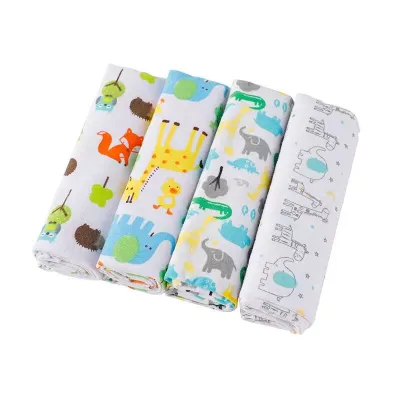
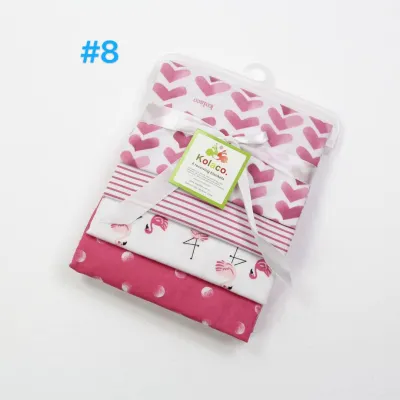
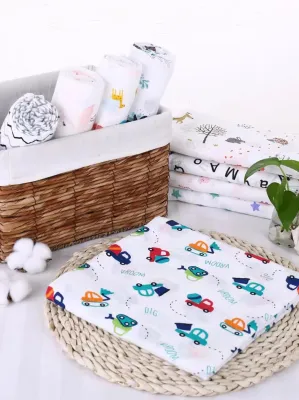
Swaddle blankets generally fall into two main categories: traditional flat blankets and structured, wearable swaddles. Traditional flat swaddles are large, square sheets of fabric that require a specific folding technique to wrap securely around the baby. Many parents appreciate the versatility of flat blankets, as they can easily transition into nursing covers, stroller shades, burp cloths, or light play mats once the baby outgrows the need for swaddling. However, mastering the traditional wrap requires practice, and an improperly secured flat blanket can easily unravel during sleep, creating loose fabric in the crib that poses a serious suffocation hazard.
Products mentioned in this guide
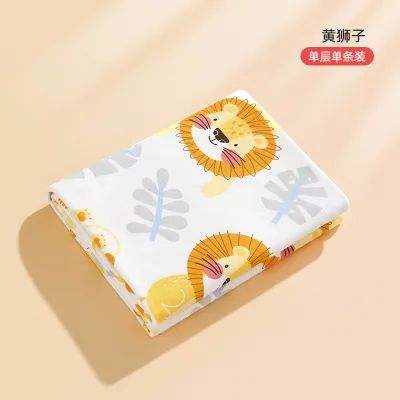
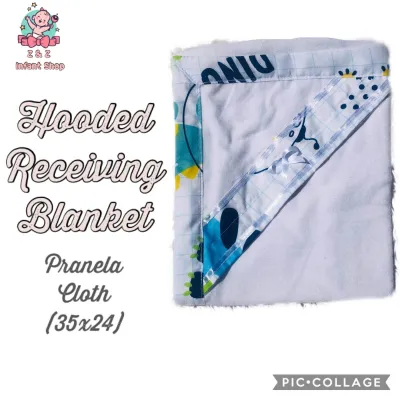
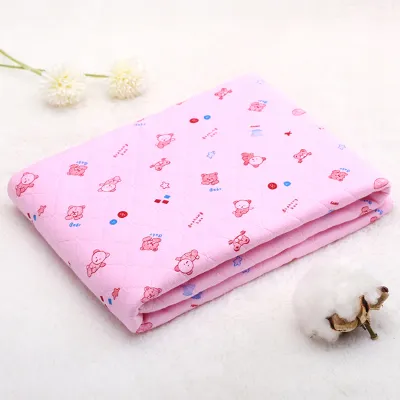
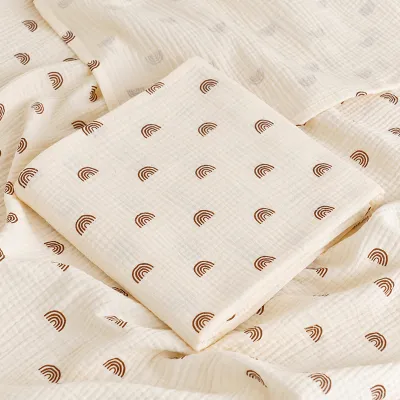
Prices are valid at publication and may change. Please refer to the product page for the latest price.
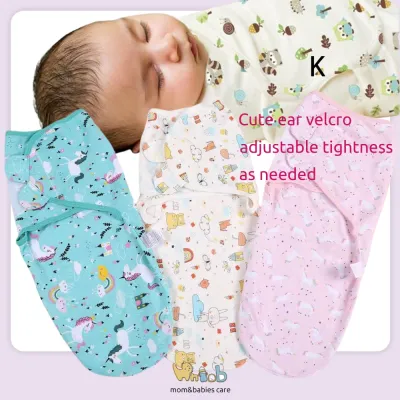
To address the learning curve of traditional wrapping, many modern parents opt for structured or wearable swaddles. These garments are designed to fit like a small sleeping sack but feature integrated fastening systems to keep the baby’s arms securely contained. The primary fastening mechanisms include zippers, hook-and-loop fasteners, and snaps. Each mechanism offers distinct practical trade-offs that caregivers should consider based on their daily routines.
Zippers are highly favored for their speed and simplicity, particularly during middle-of-the-night diaper changes. Many wearable swaddles feature two-way zippers, allowing you to unzip the bottom portion to access the diaper while keeping the baby’s upper body snugly wrapped and undisturbed. When choosing a zippered swaddle, always check for a fabric zipper guard or tab at the collar to prevent the metal or plastic pull from scratching your baby’s delicate chin or neck.
Hook-and-loop fasteners offer excellent adjustability, allowing you to customize the tightness of the wrap as your baby grows. The wings of the swaddle can be pulled tight or left slightly looser depending on your baby’s comfort. However, the distinct ripping sound of hook-and-loop fabric can easily startle a light-sleeping newborn during nighttime changes. Additionally, these fasteners tend to collect lint in the laundry and can snag other delicate baby garments unless they are securely fastened before going into the washing machine.
Snaps provide a quiet and secure alternative to hook-and-loop fasteners, but they offer less micro-adjustability. If your baby falls between sizes, a snap-based swaddle may feel either slightly too tight or too loose.
As your baby grows, you will also need to consider transition swaddles. These are specialized wearable blankets designed for babies who are on the verge of rolling over but still benefit from some degree of arm containment. Transition swaddles often feature removable sleeves, zip-off wings, or armholes with snap closures, allowing you to transition your baby gradually from a full swaddle to an arms-free sleep sack.
Evaluating Materials and Thermal Ratings for Warm Weather
In a tropical country like the Philippines, fabric selection is arguably the most critical decision when purchasing baby bedding. Newborns cannot regulate their body temperature as efficiently as adults, making them highly susceptible to overheating, which is a known risk factor for sleep-related infant distress. Therefore, prioritizing lightweight, highly breathable materials is essential for your baby’s safety and comfort.

When inspecting product labels, look for natural fibers that promote airflow and wick moisture away from the skin. Cotton muslin is widely considered one of the best fabrics for warm climates due to its loose, open-weave construction. This lightweight material allows heat to escape easily, making it ideal for daytime naps in rooms with natural ventilation or fan cooling.
Another excellent option is bamboo-derived rayon or viscose blends. Bamboo fabrics are exceptionally soft, cool to the touch, and possess natural moisture-wicking properties that help keep your baby dry in humid conditions. While bamboo swaddles are often highly prized for their luxurious feel and gentle texture on sensitive newborn skin, they do tend to require more delicate laundering and may take longer to air-dry compared to standard cotton.
Cotton jersey is a knit fabric that offers significantly more stretch than woven muslin. This elasticity can make it easier to achieve a snug, secure wrap that moves slightly with your baby’s natural breathing. However, jersey fabrics can vary greatly in thickness; always verify that the jersey swaddle you select is specifically designated as lightweight or suitable for warm weather to avoid trapping excess body heat.
To help parents navigate fabric warmth, many manufacturers use the TOG (Thermal Overall Grade) rating system. A TOG rating measures the thermal insulation of a textile; the lower the TOG rating, the lighter and cooler the fabric. For the typical Philippine climate, swaddles with a TOG rating of 0.2 to 0.5 are highly recommended for warm rooms where temperatures regularly exceed 24°C. If your nursery is consistently air-conditioned and maintained at a cooler temperature (around 20°C to 22°C), a swaddle with a TOG rating of 1.0 may be appropriate, provided your baby is dressed in a single, lightweight layer underneath. Always monitor your baby’s physical cues—such as damp hair, flushed cheeks, or a hot chest—to ensure they are not overheating, regardless of the swaddle’s TOG rating.
Essential Safety Checks and Manufacturer Guidelines
While swaddling can promote longer, more restful sleep, it must be practiced with a strict adherence to safety guidelines to protect your baby’s developing body. The first critical safety check involves hip health. Tight, restrictive swaddling that forces a baby’s legs into a straight, downward position can interfere with the natural development of the hip joints, potentially leading to hip dysplasia.
To prevent this, always verify that the swaddle blanket or wearable sack allows for a “hip-healthy” position. This means the swaddle must be loose and spacious around the hips and legs, allowing your baby’s hips to bend up and out naturally in a “frog-leg” position. When using a traditional flat blanket, ensure you do not wrap the lower half tightly around the legs; the blanket should be snug around the chest and arms but loose enough below the waist for the baby to kick and flex their legs freely.
The second safety check concerns sizing. Never purchase a swaddle with the intention of letting your baby “grow into it.” A swaddle that is too large can easily shift during sleep, allowing the fabric to bunch up around the baby’s nose and mouth, creating a severe suffocation hazard. Conversely, a swaddle that is too small can restrict chest expansion, making it difficult for your newborn to breathe comfortably. Always cross-reference your baby’s current weight and length with the manufacturer’s specific sizing chart rather than relying solely on age recommendations.
Finally, caregivers must remain highly vigilant regarding developmental milestones. The absolute boundary for safe swaddling is the moment your baby shows any signs of attempting to roll over. This milestone typically occurs between two and four months of age, but it can happen sooner. Once a baby can roll onto their side or stomach, they must have their arms completely free to help them reposition themselves or keep their airway clear. Continuing to swaddle a baby who can roll poses an extreme risk of suffocation and physical injury.
Navigating Purchases and Verifying Product Authenticity
When shopping for newborn swaddles in the Philippines, sourcing your products from reputable, authorized channels is vital for ensuring quality and safety. The local market features a wide array of baby bedding options, but it also contains counterfeit goods that may not adhere to strict manufacturing standards. To protect your newborn, prioritize purchases from official brand websites, authorized physical maternity boutiques, or verified flagship stores on major e-commerce platforms.
When ordering online, pay close attention to the product’s packaging and hygiene seals upon arrival. Baby bedding should arrive in clean, sealed packaging that protects the fabric from environmental contaminants during transit. Inspect the overall construction of the swaddle before washing or using it. Check that all seams are securely stitched with no loose threads, that zippers glide smoothly without catching, and that hook-and-loop fasteners are firmly attached to the fabric.
Reading verified buyer reviews can provide invaluable practical insights that go beyond the manufacturer’s product description. Look for feedback from local parents regarding how the fabric performs after multiple wash cycles. Does the material shrink excessively? Do the colors bleed? Does the fabric maintain its softness, or does it become rough and stiff? These real-world observations can help you gauge the long-term durability of your investment.
Price comparison is another effective tool for verifying product authenticity. While it is natural to look for promotions and discounts, be highly skeptical of prices that seem too good to be true. Premium swaddle brands that typically retail for ₱1,200 to ₱2,000 in authorized stores should not be purchased from unverified third-party sellers listing them for ₱200 or ₱300. These suspiciously low-priced items are often counterfeits made from inferior, non-breathable synthetic fabrics or treated with chemical dyes that could irritate your newborn’s sensitive skin.
Frequently Asked Questions (FAQ)
When should I stop swaddling my baby?
You must stop swaddling your baby as soon as they show any signs of attempting to roll over, whether from back to front or front to back. This is a critical safety milestone because a swaddled baby who rolls onto their stomach cannot use their arms to push themselves up, creating a high risk of suffocation. For most infants, this transition occurs between two and four months of age. When you observe these developmental signs, immediately transition your baby to an arms-free wearable sleep sack or a dedicated transition swaddle that allows their arms to move freely.
Can I use a regular receiving blanket as a swaddle?
Yes, you can use a regular receiving blanket, but it requires careful attention to size and technique. Many standard receiving blankets are relatively small (often around 30 by 30 inches), which can make it difficult to wrap a growing newborn securely. A blanket that is too small is highly likely to unravel as your baby moves, creating dangerous loose fabric in the crib. If you choose to use a flat blanket for swaddling, ensure it is a dedicated swaddle blanket measuring at least 44 by 44 inches, preferably made of a breathable fabric with a slight natural stretch to ensure a secure, comfortable fit.
How do I wash and maintain swaddle blankets?
To preserve the fabric’s integrity and protect your newborn’s sensitive skin, always follow the specific care instructions on the manufacturer’s label. Generally, swaddle blankets should be washed in cold or warm water on a gentle cycle using a mild, hypoallergenic, baby-safe detergent. Avoid using fabric softeners or bleach, as these chemicals can coat the fibers, reducing the fabric’s natural breathability and moisture-wicking capabilities. To prevent damage during the wash, always zip up any zippers and secure all hook-and-loop fasteners before placing the swaddles in the washing machine. Air-drying in a shaded, well-ventilated area is ideal for preserving fabric elasticity, though low-heat tumble drying is typically acceptable for cotton muslin.

Community discussion
Share your experience or ask a question. Comments are reviewed before publication.