
Selecting the most effective refrigerator lock for your home is not a matter of finding a single, universally perfect product. Instead, the right choice depends entirely on your specific appliance configuration, the physical layout of your kitchen, and your toddler’s current developmental stage. Parents must carefully evaluate strap locks, magnetic locks, cable locks, and latch mechanisms against their refrigerator’s door style, handle design, and surface material. By understanding how these different locking systems interact with your appliance, you can establish a secure barrier that prevents unauthorized access while keeping your kitchen functional for adults.
In the Philippines, where high humidity and warm temperatures are constant factors, choosing and installing a refrigerator lock requires extra attention to detail. Many local parents searching for a reliable luck ng refrigerator (refrigerator lock) find that standard adhesives can struggle under tropical conditions if not applied correctly. This guide provides a comprehensive framework to help you analyze your household needs, compare the leading lock categories, and execute a secure installation that protects your child without damaging your appliances.
Assessing Your Refrigerator Configuration and Child's Development
Before purchasing any childproofing hardware, you must conduct a detailed assessment of your refrigerator’s physical design. Refrigerator doors generally fall into three categories: French doors, standard side-by-side doors, and single-swing doors. The spacing between these doors, the presence of a middle gap, and the alignment of the door edges will immediately eliminate certain lock styles. For instance, a lock designed to bridge a gap between two French doors will not function on a single-swing door that seals directly against the refrigerator frame.
Products mentioned in this guide
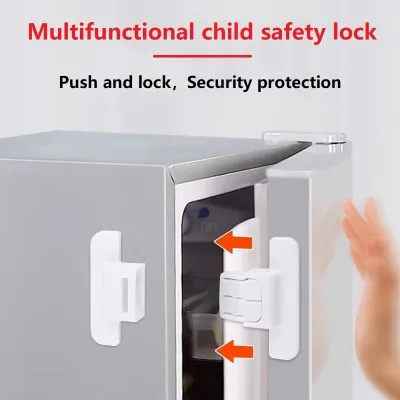
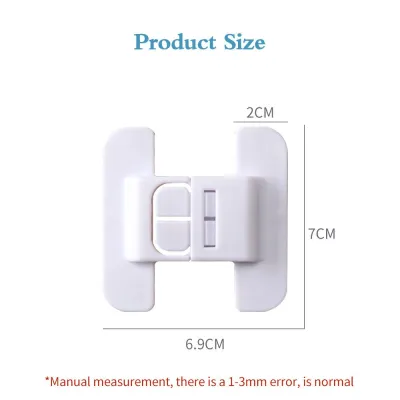
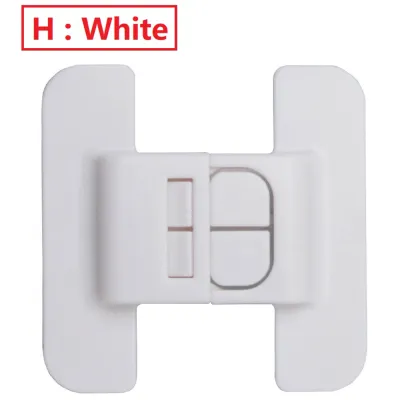
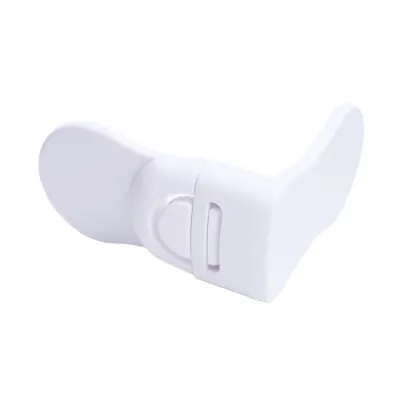
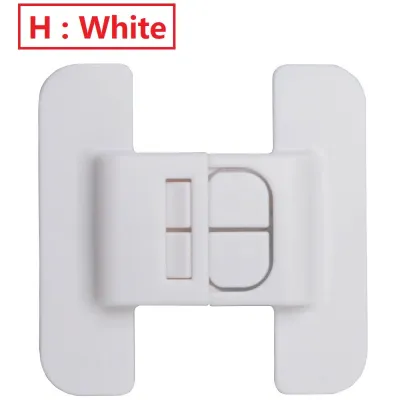
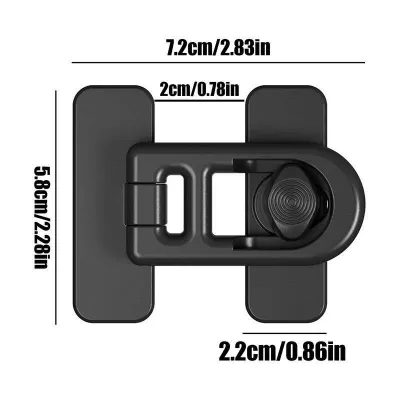
Prices are valid at publication and may change. Please refer to the product page for the latest price.
Handle shapes also dictate your options. Some modern refrigerators feature sleek, recessed handles or integrated pocket grips along the top or side edges of the doors. Others utilize prominent vertical or horizontal bar handles that protrude several inches from the appliance face. If your refrigerator has recessed handles, you cannot use locks that rely on looping around or anchoring to physical bars. Conversely, if your appliance has heavy vertical bars, a lock that physically binds the two handles together might be the most straightforward and secure option, bypassing the need for surface-mounted adhesives entirely.
Alongside the physical appliance, your child’s developmental milestones must guide your selection. Toddlers grow rapidly, transitioning from simple physical pulling to sophisticated problem-solving and imitation. A young toddler around twelve months old may only possess the physical strength to pull on a door, meaning a basic latch or strap lock will easily resist their efforts. However, an older toddler closer to two years of age will actively watch how adults operate kitchen appliances. These older children can quickly learn to mimic simple push-button or slide-release mechanisms, requiring you to select locks with multi-step releases or hidden magnetic components that are impossible to open through simple observation.
Finally, the surface material of your refrigerator plays a critical role in how well a lock will adhere. Modern appliances feature a wide range of finishes, including smooth stainless steel, fingerprint-resistant matte coatings, textured plastics, and even glass panels. Adhesives bond differently to each of these materials. Smooth, non-porous surfaces generally provide the strongest bond, while heavily textured or powder-coated finishes can limit the contact area of the adhesive, leading to premature failure under physical stress. Understanding these material limitations beforehand prevents the frustration of a lock peeling off after only a few days of use.
Comparing Refrigerator Lock Types for Toddler Proofing
To choose the right security measure, parents must compare the distinct mechanical designs of the four primary refrigerator lock types. Each category offers specific advantages depending on your handle configuration, aesthetic preferences, and the level of security required to match your child’s physical capabilities.

Strap Locks for Versatile Handle Designs
Strap locks are among the most common and versatile childproofing tools available. These devices consist of a flexible plastic or fabric strap anchored by two adhesive-backed mounting bases. One base is typically fixed to the side of the refrigerator frame, while the other attaches to the front of the swinging door, allowing the flexible strap to bend around the corner and hold the door closed.
These locks are highly effective for side-by-side refrigerators, French doors, and standard single-swing units with vertical handles. Because the strap is flexible, it can accommodate slight misalignments between the door and the frame, making it a forgiving option for older or slightly uneven appliances. The release mechanism usually involves a dual-button squeeze or a sliding latch located on one of the mounting bases, which adults can easily operate with one hand while carrying groceries.
However, strap locks have distinct limitations that you must verify before installation. The flexible webbing or plastic strap remains visible on the exterior of your appliance, which may not appeal to parents seeking a minimalist kitchen aesthetic. Additionally, because the release mechanism is fully visible on the front of the fridge, older toddlers who excel at observational learning may eventually figure out how to press the release buttons. In tropical climates, the constant tension placed on the flexible strap can also accelerate adhesive peeling if the mounting surface is textured or was not cleaned thoroughly prior to application.
Magnetic Locks for Seamless and Hidden Security
For parents who prefer to keep childproofing hardware completely out of sight, magnetic locks offer an elegant and highly secure alternative. These systems are installed entirely on the interior of the refrigerator door or integrated into custom panel-ready cabinet fronts. The lock consists of an internal spring-loaded latch that automatically engages when the door is closed, preventing it from being pulled open.
To disengage the lock, an adult must place a specialized magnetic key against a specific spot on the exterior of the refrigerator door. The magnetic force penetrates the door material, pulling the internal latch down and allowing the door to swing open freely. This design is exceptionally secure because there are no visible buttons, straps, or latches for a toddler to inspect, pull, or attempt to mimic. It completely eliminates the risk of a child figuring out the mechanism through observation.
Despite their high security, magnetic locks require careful consideration. The installation process is highly precise, as the internal latch and the strike plate must align perfectly to catch and release reliably. Furthermore, because the system relies on an external magnetic key, you must store the key in a dedicated, high location completely out of your child’s reach. Losing the key or leaving it within a toddler’s grasp compromises the entire system, making key management a daily discipline for everyone in the household.
Cord and Cable Locks for Wide Door Gaps
When dealing with wide gaps between handles or deep, recessed grip designs, standard strap locks are often too short or inflexible to provide a secure fit. In these scenarios, cord and cable locks offer the heavy-duty reach required to bridge the distance. These locks utilize a strong, vinyl-coated steel cable that loops through or around the refrigerator handles, securing back into a locking block mounted on the appliance surface or the opposing handle.
Cable locks are particularly well-suited for French door refrigerators with wide vertical bar handles. By looping the steel cable through both handles and locking it in place, you create a physical barrier that prevents the doors from opening even an inch. Because the cable is made of steel, it resists stretching and cannot be cut or snapped by a toddler’s physical pulling, making it one of the most durable options on the market.
The primary trade-off with cable locks is their bulky, industrial appearance. They are highly visible and can disrupt the clean lines of a modern kitchen. Additionally, these locks typically require either a physical key or a combination code to unlock. Managing a physical key in a busy kitchen can be highly inconvenient, while entering a combination code every time you need to retrieve an ingredient can slow down meal preparation. Parents must weigh this daily inconvenience against the high level of physical security these locks provide.
Latch and Buckle Locks for Simple Single Doors
Latch and buckle locks are rigid plastic devices designed primarily for single-door refrigerators, mini-fridges, or standard top-and-bottom freezer configurations. These locks feature a rigid plastic arm that mounts to the side of the refrigerator frame and swings over to latch onto a catch mounted on the front of the door.
The mechanism is straightforward: when the door is closed, the rigid arm clicks into place, holding the door firmly against the frame. To open the fridge, an adult presses a release tab on the side of the latch, allowing the arm to swing free. This simple design is highly cost-effective and easy to install, making it a popular choice for securing secondary appliances, such as beverage coolers or outdoor mini-fridges.
However, the rigid nature of these locks limits their versatility. They cannot accommodate uneven surfaces, wide gaps, or curved door profiles. Because the arm is made of hard plastic, it is also susceptible to snapping if a toddler repeatedly pulls on the refrigerator door with significant force. Over time, the constant impact of the door closing against the rigid latch can weaken the adhesive backing or stress the plastic joints, requiring regular monitoring to ensure the lock has not cracked or loosened.
Evaluating Adhesive Strength and Surface Compatibility
The overall effectiveness of any surface-mounted refrigerator lock relies almost entirely on the strength of its adhesive bond. Most high-quality child safety locks utilize heavy-duty double-sided foam tape designed to semi-permanently bond to metal and plastic surfaces. Before relying on a lock to keep your child safe, you must verify the manufacturer’s specifications regarding adhesive holding capacity and the required curing time. Many adhesives require a full 24 hours to cure completely before they can withstand any pulling force; subjecting the lock to tension before this period ends will permanently compromise the bond.
Proper surface preparation is the single most critical step in ensuring a secure installation. The exterior of a kitchen refrigerator is often coated in a thin layer of grease, dust, cooking oils, and fingerprint residue that is invisible to the naked eye. To prepare the surface, clean the exact mounting areas thoroughly using isopropyl alcohol and a clean, lint-free microfiber cloth. Avoid using household glass cleaners or multi-surface sprays, as these often leave behind chemical residues or slick films that prevent the adhesive from bonding directly to the appliance surface.
Once cleaned, the surface must be allowed to dry completely. In highly humid tropical environments, such as during the rainy season in the Philippines, moisture can easily condense on the cold exterior surfaces of a running refrigerator. This condensation can trap moisture beneath the adhesive pad during installation, leading to rapid peeling. To prevent this, ensure the kitchen is well-ventilated, wipe the surface dry immediately before applying the adhesive, and consider installing the lock during the coolest, driest part of the day to minimize condensation risks.
It is also vital to identify surfaces where standard adhesives are highly likely to fail. Unsealed wood panels, heavily textured stainless steel, curved glass, and powder-coated matte finishes do not provide the flat, non-porous contact area that double-sided tape requires. If your refrigerator features these materials, standard adhesive locks may peel off under minimal pressure. In these cases, you must explore alternative mounting strategies, such as utilizing cable locks that wrap around physical handles, or consulting the appliance manufacturer for approved childproofing accessories that do not rely on surface adhesives.
Installation, Maintenance, and Safety Boundaries
Installing a refrigerator lock is not a one-time task that can be forgotten once completed. To ensure ongoing toddler safety, parents must establish a routine for installing, testing, and maintaining these devices. After applying the adhesive and allowing it to cure for the manufacturer-specified time (typically 24 hours), you must perform a manual pull-test. Gently but firmly pull on the locked refrigerator door with a force mimicking a determined toddler. If you observe any lifting at the edges of the adhesive pads or excessive flexing in the plastic components, the lock must be reinstalled or replaced before leaving the child unsupervised.
Regular inspections should be integrated into your weekly household cleaning routine. Take a moment to check the physical integrity of the lock: inspect the adhesive edges for signs of peeling, look for fraying on fabric straps, and test the release mechanism for stiffness or sticking. In warm, humid climates, the combination of moisture and repeated physical stress can cause adhesives to degrade faster than expected. If you notice the lock mechanism becoming difficult to operate or the adhesive lifting even slightly, address the issue immediately rather than waiting for the lock to fail completely.
Parents must also recognize the clear safety boundaries of physical childproofing devices. A refrigerator lock is a secondary line of defense and must never replace active caregiver supervision in the kitchen. There are specific conditions under which you must immediately stop using a lock or replace it with a more advanced system. If your child successfully figures out the release sequence, if the adhesive begins to lift repeatedly, or if you detect any visible structural cracks in the plastic or metal components, the lock is no longer secure. In such cases, transition immediately to a different lock style or restrict your child’s access to the kitchen entirely using safety gates.
Frequently Asked Questions (FAQ)
Can I use a refrigerator lock on a stainless steel fridge without damaging it?
Yes, you can safely use adhesive-backed refrigerator locks on stainless steel appliances, provided you follow proper installation and removal techniques. Before applying any adhesive, always check your refrigerator manufacturer’s warranty and care instructions to ensure that temporary adhesives will not void the finish warranty. When it comes time to remove the lock, do not attempt to pry it off with sharp metal tools, which will permanently scratch and gouge the stainless steel surface.
Instead, use a hair dryer on a low, controlled heat setting to gently warm the adhesive backing, which softens the bond. Once the adhesive is warm, slide a piece of dental floss or strong nylon thread behind the mounting base, using a sawing motion to slice through the softened foam tape. Any remaining sticky residue can be safely dissolved using a mild, citrus-based adhesive remover or mineral oil. Always test the adhesive remover on a small, hidden spot on the back or bottom edge of the fridge first to ensure it does not cause discoloration or clouding on your specific stainless steel finish.
At what age should I stop using a refrigerator lock?
There is no fixed age at which you should automatically stop using a refrigerator lock, as every child develops cognitively and physically at their own pace. Instead of relying on a calendar, parents should look for specific behavioral signs of readiness. A child may be ready to transition away from physical locks when they consistently demonstrate an understanding of kitchen safety rules, show no interest in climbing or pulling on heavy appliances, and can follow verbal instructions regarding what is safe to touch.
As your child grows, the focus should gradually shift from physical barriers to establishing clear behavioral boundaries and teaching supervised kitchen access. However, even if your child has developed excellent safety habits, you should keep the refrigerator locked if it contains specific hazards. If your fridge regularly stores heavy glass containers, raw meats that pose cross-contamination risks, small items that present choking hazards, or prescription medications, maintaining a physical lock is a prudent safety measure regardless of the child’s age or cognitive development.
Community discussion
Share your experience or ask a question. Comments are reviewed before publication.