
Securing your refrigerator is a critical step in baby-proofing your kitchen, especially as curious toddlers begin to crawl, stand, and explore their surroundings. In the Philippines, where tropical humidity can affect adhesive performance and food safety is paramount to prevent spoilage, choosing the right refrigerator safety lock door requires careful consideration. A heavy refrigerator door can easily pinch small fingers, while access to the interior exposes children to heavy glass jars, choking hazards, or spoiled items. To find the ideal solution for your home, you must evaluate your refrigerator’s surface material, the complexity of the locking mechanism, and your child’s current developmental stage.
By understanding the unique layout of your kitchen and the physical capabilities of your growing child, you can select a safety lock that provides reliable protection without causing unnecessary daily frustration. This guide will walk you through the essential evaluation criteria, compare the most common lock designs, and provide practical installation tips to ensure your baby-proofing efforts are successful and long-lasting.
Key Features to Evaluate in a Refrigerator Door Safety Lock
When shopping for a refrigerator safety lock door, the complexity of the locking mechanism is your first line of defense. Toddlers are highly observant and learn quickly by watching adults open doors. A lock that requires a simple, single-direction press is often quickly bypassed by an inquisitive two-year-old. Look for mechanisms that require dual-action pressure, such as squeezing two buttons simultaneously, or those that utilize a hidden release latch that requires a level of hand span and coordination beyond a toddler’s capability.
Products mentioned in this guide
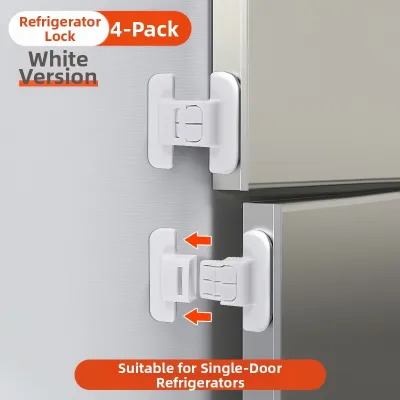
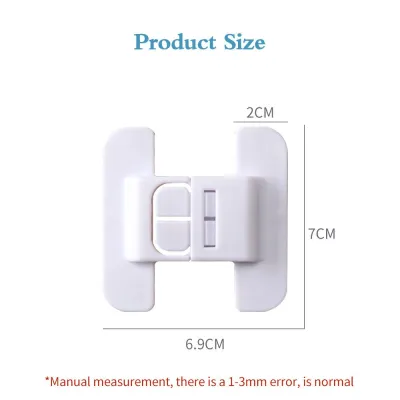
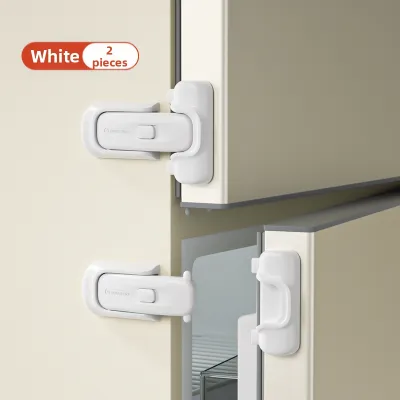
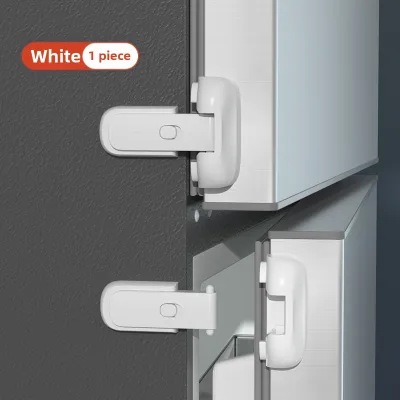
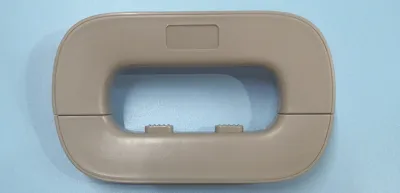
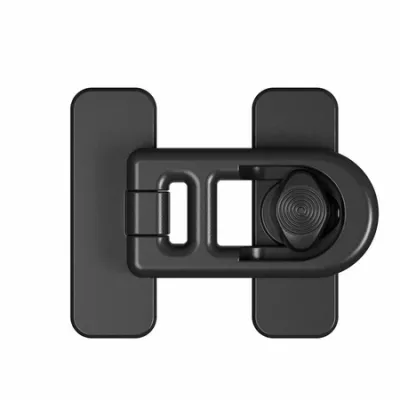
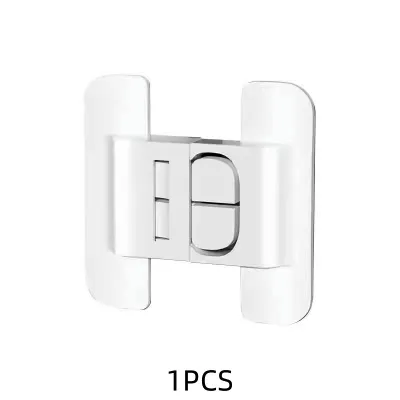
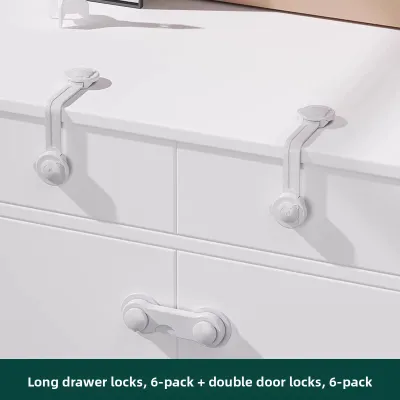
Prices are valid at publication and may change. Please refer to the product page for the latest price.
At the same time, the lock must remain manageable for adults. A safety lock that is too difficult to operate with one hand will quickly become a nuisance, especially when you are carrying groceries or preparing meals. The ideal design allows an adult to slide, squeeze, or press the release effortlessly with one hand while keeping the mechanism complex enough to stump a child.
Adhesive strength is another critical factor, particularly in the warm and humid climate of the Philippines. High relative humidity can weaken standard rubber-based adhesives over time, causing the lock to peel off under sudden tension. Prioritize locks that feature heavy-duty, moisture-resistant acrylic adhesive tapes. These adhesives are formulated to withstand both the ambient humidity of a tropical kitchen and the cold drafts that escape when the refrigerator is opened.
While strong adhesion is necessary to resist a toddler’s persistent pulling, you must also consider the potential for surface damage. When the time comes to remove the lock, a low-quality adhesive can strip paint, leave stubborn black residue, or damage the protective coatings on modern appliances. Choosing a lock with high-quality, removable mounting tape ensures a secure hold during use and a clean removal process later.
Durability and pull-resistance of the plastic or silicone components are equally vital. Toddlers do not just pull gently; they often shake, hang on, or repeatedly yank the refrigerator door. If the plastic housing is thin or brittle, it can crack under sudden impact, rendering the lock useless. Look for locks constructed from thick, high-impact ABS plastic or heavy-duty silicone that can flex without tearing.
Finally, consider whether the lock features an “unlock” or “deactivate” mode. This feature is incredibly convenient during periods when your child is asleep, away from home, or when you are hosting a gathering and need frequent, uninterrupted access to the refrigerator. Being able to temporarily disable the locking mechanism saves wear and tear on both the lock and your patience.
Common Types of Refrigerator Safety Locks Compared
Understanding the different types of safety locks available on online marketplaces and in local baby stores will help you narrow down your choices. The three most common designs are strap locks, latch locks, and magnetic locks, each offering distinct advantages and trade-offs.

Strap locks consist of a flexible plastic or silicone strap anchored by adhesive pads on both ends. Because the strap can bend, these locks are highly versatile and can easily wrap around the curved corners of single-door refrigerators or bridge the gap on double-door models. The primary drawback is their high visibility, which can disrupt the clean look of your kitchen and draw a toddler’s attention directly to the lock. Additionally, because the release button is exposed on the front of the appliance, older toddlers may eventually figure out how to press it.
Latch locks utilize a rigid plastic catch and hook system. They are typically installed on the side of the refrigerator, where the door meets the main body. Latch locks are lower profile and more discreet than strap locks, making them less tempting for children to play with. However, they require a flat, flush surface and a specific door gap to align correctly. If your refrigerator has deeply recessed doors or unique handle designs, a latch lock may not fit securely.
Magnetic locks offer the most seamless look because the locking mechanism is installed entirely on the interior or semi-interior of the door frame. The door remains securely shut until you place a magnetic key against the exterior surface to release the internal latch. While this completely eliminates the visual clutter and prevents toddlers from interacting with the lock, installation is much more complex. You must verify that your refrigerator’s door thickness and internal clearance are compatible with the magnetic field of the key.
| Lock Type | Installation Difficulty | Aesthetic Impact | Compatible Refrigerator Styles |
|---|---|---|---|
| Strap Locks | Low (Simple peel-and-stick adhesive) | High (Visible straps on the front or side) | Single door, double door, French door, curved surfaces |
| Latch Locks | Medium (Requires precise alignment of catch) | Moderate (Small, low-profile plastic latch) | Flat-front single door, side-by-side with flat edges |
| Magnetic Locks | High (Requires precise internal alignment) | Low (Virtually invisible from the exterior) | Single door, select double doors with flat interior frames |
Matching the Lock to Your Refrigerator Surface and Design
Before purchasing any safety lock, you must assess the specific material and design of your refrigerator to avoid permanent damage or voiding your appliance warranty. Modern refrigerators come in a variety of finishes, each requiring a different approach to adhesive application.
Glass-panel refrigerators are increasingly popular in contemporary Filipino homes due to their sleek, reflective appearance. However, tempered glass surfaces require extra care. Avoid using locks that require harsh chemical glues or heavy-duty industrial adhesives that can permanently etch or scratch the glass. Suction-cup locks are generally unreliable on glass doors because temperature fluctuations and humidity can cause them to lose suction unexpectedly. Always verify the manufacturer’s warnings regarding surface attachments on glass panels.
Stainless steel panels present a different challenge. Many stainless steel appliances feature a specialized anti-fingerprint or protective clear coat. Applying a highly aggressive adhesive directly to this coating can cause localized discoloration or strip the protective layer when the lock is eventually removed. If you have a stainless steel refrigerator, look for safety locks that specify compatibility with stainless steel surfaces, or plan to use a milder adhesive that can be safely dissolved with baby oil or a dedicated residue remover.
Door gaps and handle designs also dictate which lock will function properly. French door and side-by-side refrigerators often have a central gap between the doors. If you apply a standard latch lock, it may not span the gap securely, or it might allow the doors to wiggle open just enough to break the magnetic weather seal. A compromised seal allows cold air to escape, leading to frost buildup, increased electricity consumption, and spoiled food. Ensure that whatever lock you choose keeps the doors pressed firmly against the refrigerator frame without distorting the rubber gaskets.
To protect your investment, always consult your refrigerator’s user manual before applying any aftermarket safety devices. Some manufacturers explicitly state that drilling into the outer casing or applying permanent adhesives to specific panels will void your warranty. If your manual advises against adhesives, you may need to explore alternative baby-proofing solutions, such as securing the entire kitchen area with safety gates.
Condition-Based Shortlist: Matching Lock Types to Your Needs
To help you make a practical decision, consider which of the following scenarios best describes your household needs and appliance setup. This conditional framework will guide you toward the right category of safety lock.
If your refrigerator features a delicate glass panel and drilling is strictly prohibited, avoid rigid latch locks or aggressive industrial adhesives. Instead, look for flexible strap locks that utilize gentle, residue-free mounting tapes designed specifically for glass surfaces. Alternatively, if you want to avoid touching the glass entirely, consider installing a sturdy physical barrier, such as a hardware-mounted kitchen safety gate, to keep your toddler out of the kitchen zone altogether.
If maintaining a seamless, minimalist kitchen aesthetic is your top priority and your refrigerator doors are relatively thin, prioritize internal magnetic lock systems. These locks keep the safety hardware completely out of sight, preventing your child from pulling on the lock itself. Before purchasing, measure your refrigerator door’s thickness and compare it with the manufacturer’s specifications to ensure the magnetic key can successfully trigger the internal latch.
If you are renting your home or anticipate upgrading your appliance in the near future, select flexible strap locks that explicitly feature removable, damage-free mounting tapes. These locks provide reliable security for your child while ensuring you can restore the refrigerator to its original condition when it is time to move out, saving you from potential security deposit deductions.
Regardless of which style you choose, always verify the product labels for age suitability, weight limits, and material compatibility when browsing online marketplaces or local baby stores. Budgeting between ₱150 and ₱600 for a reliable set of locks is typical, but prioritize build quality and adhesive specifications over the lowest price to ensure the safety of your child.
Installation, Testing, and Maintenance Best Practices
Proper installation is just as important as choosing the right lock. Even the highest-quality safety lock will fail if the adhesive is applied incorrectly. Follow these best practices to ensure a secure, long-lasting bond.
Start by preparing the surface thoroughly. Clean the application area with 70% rubbing isopropyl alcohol to remove grease, dust, and kitchen oils. Allow the surface to dry completely before applying the adhesive. Avoid using household glass cleaners or multi-surface sprays, as they often leave behind a thin, invisible residue that prevents the adhesive from bonding securely to the refrigerator panel.
Curing time is the most critical step, especially in the humid Philippine climate. Once you peel the backing and press the lock firmly onto the clean surface, hold it in place with steady pressure for at least 30 seconds. Do not test, pull, or operate the lock immediately. Allow the adhesive to cure undisturbed for 24 to 72 hours, depending on the manufacturer’s instructions. Operating the lock before the adhesive has fully cured is the primary cause of premature failure.
Establish a routine to check the lock’s integrity weekly. Give the strap or latch a firm tug to ensure the adhesive is not lifting at the edges. Inspect the plastic and silicone components for signs of wear, cracking, or brittleness, which can be accelerated by kitchen heat and exposure to cleaning chemicals. If you notice any peeling or damage, replace the lock immediately to prevent a sudden failure.
When your child outgrows the need for a refrigerator lock, remove it carefully to protect your appliance’s finish. Do not attempt to pry the lock off with sharp tools or knives, which can scratch the metal or shatter glass. Instead, use a hairdryer on a low-heat setting to gently warm the adhesive backing. The heat will soften the bond, allowing you to slowly peel the lock away. Clean up any remaining sticky residue by applying a small amount of baby oil, eucalyptus oil, or a dedicated surface-safe adhesive remover, then wipe the area clean with a soft microfiber cloth.
Frequently Asked Questions (FAQ)
At what age should I start using a refrigerator safety lock?
The decision to install a refrigerator safety lock should be based on your child’s physical development and milestones rather than a specific chronological age. As soon as your baby begins crawling, pulling themselves up to a standing position, or showing an active interest in low-hanging cabinet and appliance handles, it is time to secure the refrigerator. Many toddlers develop the strength and coordination to pull open a magnetic refrigerator door much earlier than parents expect, making proactive installation the safest approach to prevent accidents.
Can I use a safety lock on a side-by-side or French door refrigerator?
Yes, but you must select a lock design specifically compatible with multi-door configurations. Side-by-side and French door refrigerators often require flexible strap locks that can span across the central gap between the doors, or specialized dual-door latches that secure both handles together. Standard single-door latch locks will not work on these models because they rely on a fixed side wall to anchor the lock. Carefully measure the gap between your refrigerator doors and the shape of your handles before purchasing to ensure a secure and functional fit.
Community discussion
Share your experience or ask a question. Comments are reviewed before publication.