
Feeding your baby on the go in the Philippines requires careful preparation, especially when dealing with high tropical humidity and heat. A reliable portable powder container keeps dry formula safe, portioned, and ready for mixing at a moment’s notice. Choosing the right container involves balancing material safety, airtight sealing, and physical design to ensure your baby’s milk remains free from moisture and contamination during outings, family gatherings, or long road trips.
To make an informed decision, parents must look past brand names and focus on observable design features, material certifications, and practical usability. By understanding how different container styles perform in daily life, you can select a storage solution that fits your diaper bag, matches your baby’s feeding volume, and keeps preparation simple and hygienic.
Key Features to Evaluate Before Buying
When selecting a container for baby formula powder, material safety is the primary consideration. Look for clear labels indicating the product is BPA-free and made from food-grade plastics, such as polypropylene (PP), or food-grade silicone. These materials are widely used because they do not leach harmful chemicals into dry powders and can withstand regular cleaning cycles. Always verify these material claims on the physical packaging or official product documentation before use.
Products mentioned in this guide
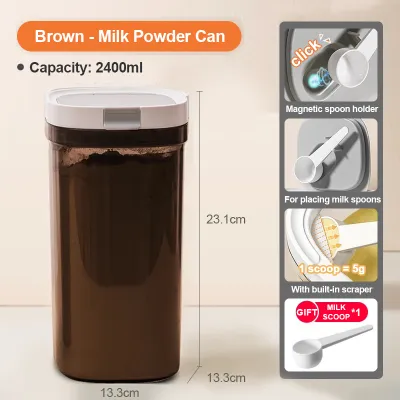
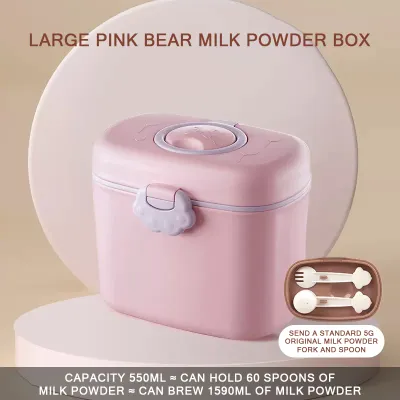
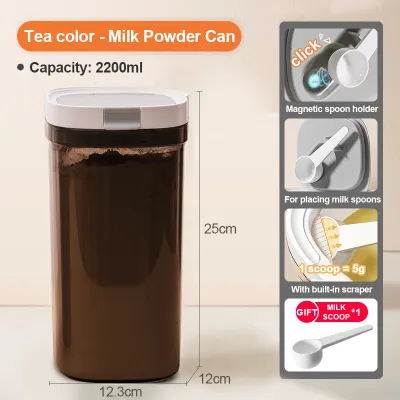
Prices are valid at publication and may change. Please refer to the product page for the latest price.
The tropical climate in the Philippines introduces high humidity, which can quickly ruin dry formula by causing it to clump or spoil. To prevent this, evaluate the sealing mechanism of the container. Look for designs that feature thick silicone gaskets and secure locking tabs or tight threaded lids. A reliable seal prevents moisture ingress and ensures that the powder does not spill into your diaper bag during transit, even when the bag is jostled or turned upside down.
Capacity and physical compatibility with your baby bottles are equally critical. The container compartments should comfortably hold the specific volume of powder required for your baby’s current feeding stage. Additionally, the dispensing nozzle or opening must align with the neck of your baby bottles. A container with a wide opening might cause spills when pouring into a narrow-neck bottle, while a narrow funnel design makes transferring the powder seamless and mess-free.
Finally, consider how easy the container is to clean and sterilize. Formula residue can easily accumulate in tight corners, threaded tracks, or around gaskets, creating breeding grounds for bacteria. Choose models that can be fully disassembled, allowing you to wash every component individually. Check the manufacturer’s instructions to confirm whether the parts are compatible with your preferred sterilization method, whether that involves boiling water, steam sterilizers, or UV sterilizers.
Matching Container Types to Your Travel Needs
Different outings require different storage strategies. Matching the physical design of your powder container to the duration of your trip and your available bag space ensures you are never caught unprepared when your baby gets hungry.

Single-Serve and Funnel-Style Dispensers
Single-serve and funnel-style dispensers are designed for quick, mess-free preparation during short trips, such as quick errands, doctor visits, or brief walks in the park. These containers typically feature a single compartment with a built-in funnel attachment at the top. This funnel shape is highly effective at directing the powder straight into narrow bottle necks, minimizing the risk of accidental spills in windy or crowded outdoor environments.
Because they are designed for single feeds, these dispensers have a very compact footprint. They slide easily into small side pockets of diaper bags or even personal purses, making them ideal for minimalist packing. You do not have to carry bulky multi-tier assemblies if you only plan to be out for an hour or two, keeping your travel gear light and manageable.
However, the primary trade-off is their limited capacity. If your outing extends longer than expected or if your baby requires an extra feed, a single-portion container will not suffice. To cover longer durations, you would need to carry multiple individual units, which can quickly clutter your bag and defeat the purpose of a space-saving design.
Multi-Compartment and Stackable Options
For day-long journeys, family road trips, or extended stays away from home, multi-compartment and stackable containers offer a highly modular solution. These systems consist of multiple individual tiers that screw into one another, allowing you to carry three, four, or more pre-measured portions in a single vertical column. This design keeps your formula organized and prevents you from having to measure out powder while on the move.
When evaluating stackable options, ensure that each tier has its own individual seal or lid. Some designs rely on the bottom of the upper tier to seal the compartment below it. While this saves space, it can expose the powder to moisture when you unscrew the top tier to prepare a bottle. Models with independent inner lids for each compartment provide better protection against humidity and accidental spills during assembly.
While highly convenient, a fully loaded stackable container has a larger physical footprint and adds more weight to your travel bag. You must plan your bag space accordingly to accommodate the vertical column. The main advantage of these systems is their modularity; many designs allow you to use only one or two tiers for shorter trips, giving you the flexibility to customize the container’s height based on your daily schedule.
Safety and Hygiene Checks for Formula Storage
Maintaining the hygiene of your portable powder container is vital for your baby’s health. Before using any new container, read the manufacturer’s instructions carefully to identify its sterilization limits. Different plastics have varying heat tolerances; some may warp or degrade if exposed to boiling water or high-temperature steam sterilizers for too long. Similarly, certain materials are not compatible with UV sterilizers and may discolor or become brittle over time.
Regularly inspect the container for signs of wear and tear. Look closely for micro-scratches on the inner walls, as these tiny crevices can harbor bacteria and formula residue that regular washing cannot reach. Examine the silicone gaskets for signs of stretching, cracking, or mold growth. If a seal becomes loose or degraded, it will no longer prevent moisture from entering the container, rendering it unsafe for dry storage.
In a humid environment, never assume a container is completely airtight over long periods. Before mixing a bottle, perform a quick visual check of the powder. If you notice any clumping, dampness, or unusual color changes, do not use the formula. These are clear indicators that moisture has breached the seal, compromising the safety and quality of the powder.
If you observe structural damage, deep scratches, warping, or a compromised seal, stop using the container immediately. Do not attempt to repair broken seals with household adhesives, as these are not food-safe. Instead, consult the manufacturer for replacement parts or replace the entire unit to ensure your baby’s food remains safe and uncontaminated.
Building Your Shortlist: What to Look for in Online Stores
When browsing online marketplaces in the Philippines, you will find a wide variety of powder containers. To find a reliable product, use specific search filters and keywords such as “food-grade PP,” “BPA-free formula dispenser,” “leak-proof powder container,” or search by specific capacities in milliliters or ounces. This helps filter out generic plastic storage boxes that are not certified for baby food.
Do not rely solely on product descriptions or promotional images. Read user reviews critically, paying close attention to feedback from parents who have used the product in daily life. Look for mentions of real-world seal failures, difficulties in cleaning tight corners, or persistent chemical odors upon unboxing. Reviews that highlight how well a container holds up after multiple sterilization cycles are particularly valuable.
Verify the authenticity of the seller before making a purchase. Choose official brand stores or authorized distributors to reduce the risk of buying counterfeit products made from substandard plastics. When your package arrives, inspect the manufacturer’s packaging to ensure it is intact and has not been tampered with. Check the return policies of the e-commerce platform so you can easily return the product if you discover defective seals or manufacturing flaws.
Finally, compare the price-to-value ratio of different options. Prices for portable powder containers in the Philippines typically range from ₱150 for basic single-serve models to ₱500 or more for modular, multi-tier stackable systems. Rather than choosing based on brand name alone, evaluate what is included in the price. A slightly more expensive model that offers modularity, extra travel lids, and a built-in funnel may provide better long-term value than a cheaper, non-customizable alternative.
Frequently Asked Questions (FAQ)
Can I store liquid formula in a powder container?
No, you should not store liquid formula in a container designed specifically for dry powder. Powder containers are engineered to keep moisture out, but their seals are often not rated to contain liquids under pressure or during movement. Storing liquid in these containers can lead to messy leaks in your diaper bag. Furthermore, once formula is mixed with water, it becomes highly susceptible to rapid bacterial growth if not kept refrigerated, posing a significant health risk to your baby.
How often should I replace a plastic powder container?
You should replace a plastic powder container as soon as you observe physical signs of degradation, or according to the manufacturer’s recommended lifespan. Inspect the plastic regularly for cloudiness, deep scratches, warping, or a stubborn chemical odor that does not wash away. If the silicone gaskets become loose, stretched, or cracked, the container can no longer maintain an airtight seal and should be replaced immediately to prevent moisture contamination.
Is it safe to leave pre-measured formula in the container overnight?
Yes, it is generally safe to leave pre-measured dry formula in a clean, dry container overnight, provided the container has a reliable, airtight seal. To maintain the quality of the powder, store the loaded container in a cool, dry place away from direct sunlight, stove heat, or high-humidity areas like the kitchen sink. If you live in an exceptionally humid area, prepare the portions as close to your departure time as possible to minimize the risk of moisture absorption.
Community discussion
Share your experience or ask a question. Comments are reviewed before publication.