
Protecting curious little hands from electrical hazards is a top priority for parents baby-proofing their homes. The ideal plug socket outlet cover for your home depends on the specific room’s moisture levels, how frequently you use each outlet, and the physical configuration of your sockets. While a simple plastic cap might suffice for a hidden outlet behind a heavy cabinet, a busy living room outlet requires a solution that balances safety with adult convenience. By matching the right protective cover to each area’s unique environmental demands and usage patterns, you can create a secure environment without constantly struggling to plug in your daily appliances.
Understanding the Three Main Types of Outlet Covers
To choose the right protection, you must first understand the structural differences, primary use cases, and core trade-offs of the three main types of outlet covers available on the market. These are sliding plate covers, plug-in caps, and full box covers. Each serves a distinct purpose and offers varying levels of convenience and security.
Sliding plate covers are designed to replace your existing outlet faceplates entirely. They feature a spring-loaded mechanism that automatically slides shut to cover the socket holes the moment a plug is pulled out. To insert a plug, you must slide the cover panel to align the holes with the socket contacts. This design is highly effective because it requires no manual re-insertion of a cap, eliminating the risk of leaving an outlet exposed due to adult forgetfulness.
Products mentioned in this guide
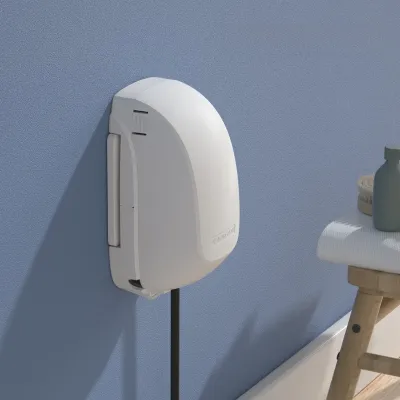
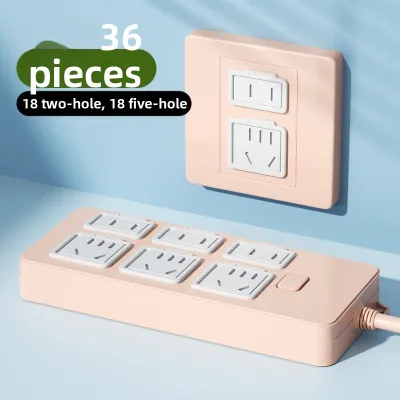
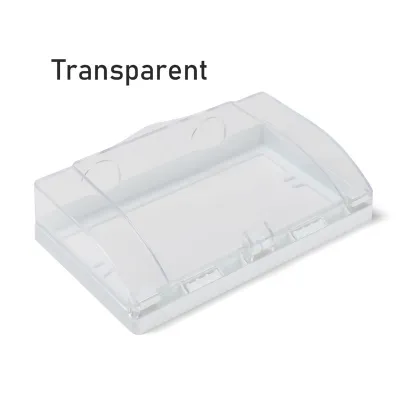
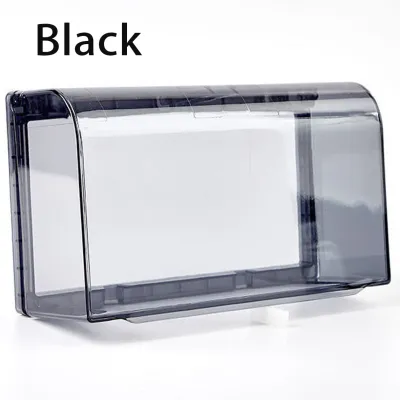
Prices are valid at publication and may change. Please refer to the product page for the latest price.
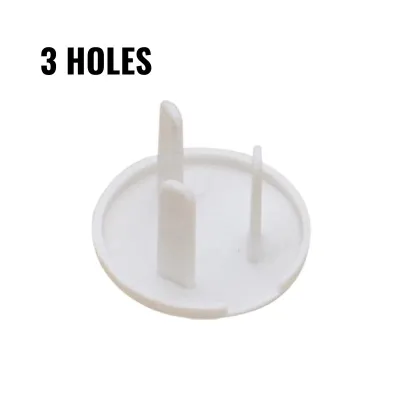
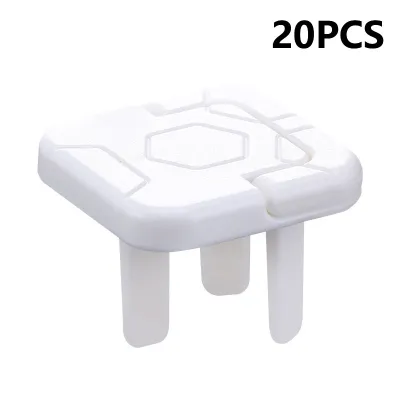
Plug-in caps are simple, insertable plastic blockers that fit directly into the individual socket holes. They are highly affordable and require no tools to install, making them a popular choice for quick baby-proofing. However, they must be manually removed every time you want to use the outlet, which can be physically challenging for adults and easily forgotten once the appliance is unplugged.
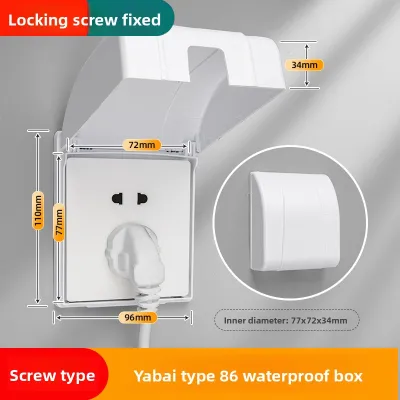
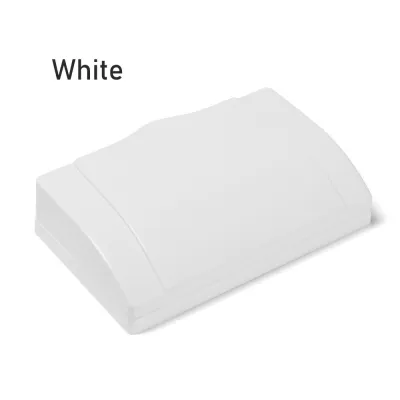
Full box covers are lockable plastic enclosures that fit over the entire outlet, even when appliances are plugged in. They feature a protective dome or box with a small opening at the bottom for cords to exit safely. This design prevents children from pulling out active plugs or tampering with live connections, making them indispensable for appliances that must remain plugged in continuously.
Before purchasing any of these options, it is essential to verify the specific physical dimensions, voltage ratings, and material warnings against the product label and local electrical standards to ensure compatibility with your home’s wiring.
| Cover Type | Ideal Use Case | Installation Effort | Adult Convenience |
|---|---|---|---|
| Sliding Plates | Frequently used living areas and bedrooms | Moderate (requires screwdriver) | High (automatic closing) |
| Plug-in Caps | Rarely used or hidden outlets | Low (push-in installation) | Low (requires manual removal) |
| Full Box Covers | High-risk zones, wet areas, and continuous plugs | Moderate to High (screw or adhesive) | Moderate (requires unlocking box) |
Room-by-Room Guide: Matching Covers to Specific Areas
Every room in a home presents unique environmental challenges and usage patterns, meaning a single type of plug socket outlet cover is rarely suitable for the entire house. In tropical climates like the Philippines, factors such as high humidity, seasonal moisture, and dust accumulation must also influence your baby-proofing decisions.

Living rooms and bedrooms are the hubs of daily family life, where you frequently plug and unplug vacuum cleaners, phone chargers, and laptop adapters. For these highly active spaces, prioritizing sliding plate covers is the most practical choice. They offer seamless aesthetics that blend into your walls while ensuring the outlet is instantly protected the moment you unplug a device. This eliminates the visual clutter of loose plastic caps lying around the floor, which can easily attract a crawling baby’s attention.
Kitchens and bathrooms present a double hazard: electrical outlets and water. In these high-moisture environments, standard plug-in caps are highly discouraged because they do not protect against splashes or high humidity. Instead, evaluate full box covers that feature moisture-resistant ratings on their manufacturer labels. A full box cover keeps the plug connection dry and secure, preventing accidental splashes from sinks or cooking prep areas from reaching the electrical contacts. Always check the manufacturer’s specifications to ensure the cover is rated for wet or damp locations before installing it near water sources.
Hallways and areas behind heavy furniture often have outlets that are rarely used except for occasional cleaning, or are permanently blocked from view but still accessible to curious toddlers crawling into tight spaces. For these specific scenarios, plug-in caps are an excellent and cost-effective choice. Since you rarely need to access these outlets, the inconvenience of manually removing the caps is negligible, and they sit flush enough to prevent furniture from pressing against exposed plugs.
To simplify your selection process, apply this conditional decision framework:
- Choose sliding plates if the outlet is accessed daily and you require one-handed convenience.
- Choose full box covers if an appliance (such as a refrigerator, fan, or air conditioner) must remain plugged in continuously, or if the outlet is located in a high-moisture area.
- Choose plug-in caps only if the outlet is rarely used, completely blocked by heavy furniture, or out of the child's natural line of sight.
- Verify first if the room experiences high heat or humidity, as adhesive-mounted covers may degrade over time in tropical conditions, requiring screw-in alternatives for long-term safety.
Evaluating Socket Configurations and Daily Convenience
Beyond the room type, the physical design of your electrical sockets plays a critical role in determining which plug socket outlet cover will work. Standard single or double outlets are straightforward, but modern homes often feature complex configurations that require careful measurement.
Multi-gang plates or sockets that integrate light switches directly alongside the plug outlets are common in modern layouts. Standard sliding plates or off-the-shelf full box covers may not align with these integrated designs. Before purchasing, you must carefully check the physical dimensions, switch clearance, and faceplate screw alignment of your existing sockets. Forcing an incompatible cover onto a switch-integrated plate can jam the switch or leave gaps that compromise the cover’s safety.
Baby-proofing is only effective if adults can maintain it consistently. If a cover is too difficult to operate, family members may resort to leaving it off entirely, defeating its purpose. Plug-in caps require significant grip strength and fingernail leverage to remove—a design feature meant to deter toddlers, but one that also introduces daily friction for parents. If you find yourself frequently struggling with a cap to plug in a daily-use item, replacing it with a sliding plate cover will dramatically improve convenience while maintaining continuous protection.
A common oversight in baby-proofing is protecting outlets that are actively in use. A toddler is just as likely to pull a live plug out of the wall as they are to poke objects into an empty socket. When appliances like fans, air purifiers, or entertainment systems must remain plugged in, sliding plates and plug-in caps offer no protection. In these instances, select a full box cover. These enclosures secure the active plug inside a locked chamber, routing the cord safely out of the bottom so children cannot pull the plug or touch the live prongs.
Safety Checks and Installation Boundaries
While installing a plug socket outlet cover is generally a straightforward DIY task, electrical safety requires strict adherence to manufacturer guidelines and physical boundaries. Incorrect installation can create fire hazards or fail to protect your child when they need it most.
Before beginning any installation, verify the physical dimensions, voltage ratings, and age-appropriateness warnings against the manufacturer’s specifications. Ensure that any replacement faceplates are rated for the specific electrical load of your home’s circuits.
There are critical moments when you must stop the installation and consult a qualified electrician. If you remove an old faceplate to install a sliding cover and notice exposed internal wires, loose connections, or crumbling insulation, do not attempt to fix it yourself. Similarly, if any socket feels warm to the touch, exhibits discoloration, or emits a faint buzzing sound, this indicates an underlying electrical issue that a plastic cover cannot solve and requires immediate professional inspection.
Additionally, avoid making makeshift modifications to covers to make them fit non-standard sockets. Shaving down plastic edges, using tape to secure loose caps, or forcing incompatible caps into specialized socket shapes can damage the outlet contacts and increase the risk of short circuits. If a cover’s locking mechanism breaks or a plastic cap becomes loose and easy to pull out, discard it immediately and replace it with a fresh, fully functional unit.
Frequently Asked Questions (FAQ)
Are plug-in caps a choking hazard if a child manages to pull them out?
Yes, some low-quality or poorly sized plug-in caps can become choking hazards if a child successfully removes them. Toddlers develop fine motor skills rapidly, and if a cap fits loosely in the socket, they may eventually pry it loose. Because these caps are small and made of hard plastic, they can easily fit into a child’s mouth. To mitigate this risk, always check the manufacturer’s size and age-appropriateness warnings, ensure a tight fit that requires an adult tool or significant force to remove, and maintain active supervision. If you notice your child showing interest in prying out caps, transition immediately to sliding plate covers or full box covers.
Can I use standard outlet covers on smart sockets or USB-integrated plates?
Standard outlet covers are generally incompatible with smart sockets, USB-integrated plates, or oversized smart plugs. Smart sockets often feature built-in Wi-Fi modules, manual power buttons, or USB ports that alter the standard faceplate dimensions and depth. Standard sliding plates will not align with these configurations, and plug-in caps may block adjacent USB ports or fail to insert fully due to internal shutter mechanisms. Before purchasing protection for these modern outlets, measure the exact physical clearances and look for specialized covers designed specifically for smart home hardware, or opt for a spacious full box cover that can accommodate the extra bulk of smart adapters.
Community discussion
Share your experience or ask a question. Comments are reviewed before publication.