
Choosing the right Optimum Nutrition product during the postpartum period depends entirely on your specific recovery goals, daily energy demands, and whether you are breastfeeding. While protein powders like whey or plant-based options can support muscle repair and help busy mothers meet their daily macronutrient needs, amino acid blends and energy products require extreme caution due to their caffeine and stimulant content. There is no single “best” product for every mother; instead, the ideal choice is one that aligns with your physical recovery status, fits your daily routine as you transition back to work, and is explicitly cleared by your healthcare provider.
For many mothers in the Philippines, returning to work after maternity leave introduces a unique set of physical and mental challenges. Navigating hot, humid commutes, managing professional responsibilities, and maintaining a pumping schedule or nursing routine can quickly deplete your physical reserves. In this demanding environment, finding convenient, high-quality nutritional support becomes a priority. However, because your body is still healing and potentially nourishing a newborn, your approach to sports nutrition must prioritize safety, ingredient transparency, and professional medical guidance over quick energy fixes.
Assessing Your Postpartum Energy and Recovery Needs
The postpartum period is a time of profound physical transition, requiring significant nutritional support to facilitate healing and restore depleted energy reserves. Whether you are recovering from a vaginal delivery or a cesarean section, your body has undergone immense physical stress that demands adequate macronutrients and micronutrients for tissue repair. During the initial months, your primary focus should be on allowing your body to heal, rather than rushing back into intense exercise or restrictive dieting.
Products mentioned in this guide
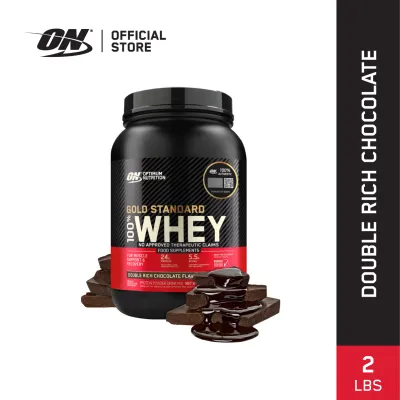
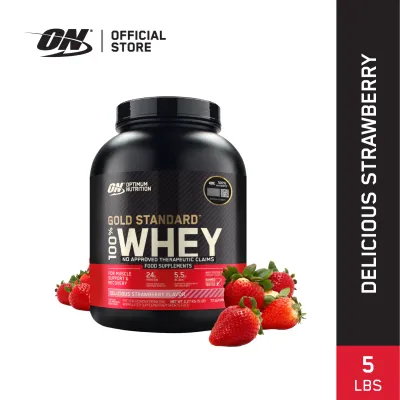
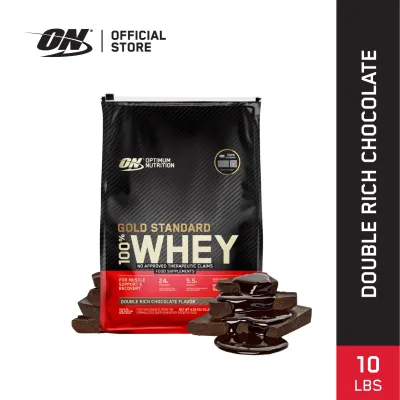
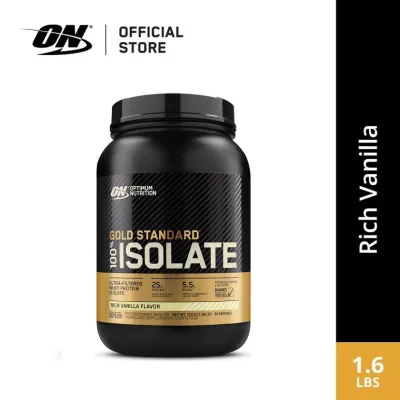
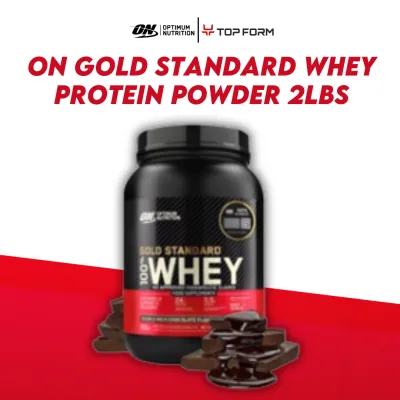
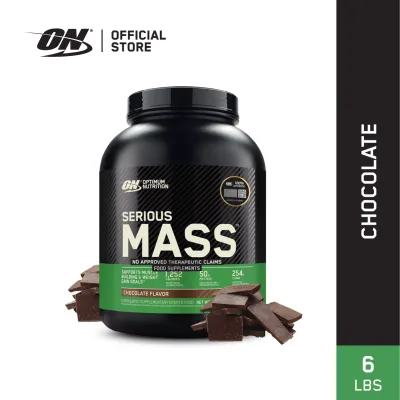
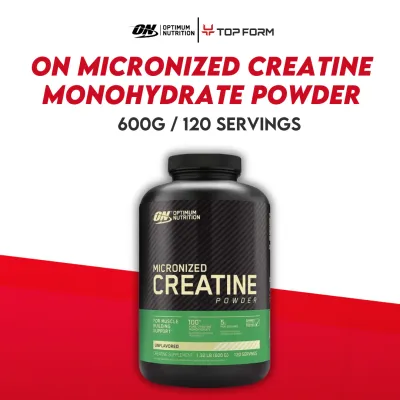
Prices are valid at publication and may change. Please refer to the product page for the latest price.
Sleep deprivation is another critical factor that alters your metabolic rate, hormonal balance, and overall energy levels. When sleep is fragmented, your body produces higher levels of cortisol, the stress hormone, which can increase cravings for quick-digesting carbohydrates and make sustained energy levels difficult to maintain. For working mothers, this fatigue is often compounded by the mental load of transitioning back to a professional environment, making convenient and nutrient-dense food options highly valuable.
Your daily energy expenditure also depends heavily on whether you are breastfeeding or expressing milk. Lactation is an energy-intensive process that requires an additional 300 to 500 calories per day, along with increased protein and fluid intake. If your baseline dietary intake is insufficient to meet these demands, you may experience persistent fatigue, muscle soreness, and a weakened immune system. Identifying these specific nutritional gaps is the first step in determining if a supplement is necessary.
It is essential to recognize that postpartum recovery is highly individual. A mother who has had a complicated delivery or is managing postpartum anemia will have vastly different nutritional requirements than one experiencing a smoother recovery. Before introducing any supplement to address fatigue, you must evaluate your daily diet, hydration levels, and sleep patterns to ensure you are addressing the root causes of your exhaustion rather than simply masking them with temporary energy aids.
Evaluating Optimum Nutrition Product Categories
When exploring the product lineup from Optimum Nutrition, it is helpful to categorize their offerings into distinct groups to understand how each aligns with your postpartum recovery goals. The brand is widely known for its protein powders, amino acid formulas, and daily wellness supplements, each designed for different athletic and lifestyle needs. Understanding the primary function and ingredient profile of these categories will help you make an informed decision.

Protein powders, including whey isolates, concentrates, and plant-based alternatives, are primarily designed to support muscle repair, tissue growth, and satiety. For a postpartum mother, a high-quality protein powder can serve as a convenient way to meet daily protein targets, especially when preparing balanced meals is difficult due to a busy schedule. When evaluating these powders, you should look closely at the protein content per serving, which typically ranges from 20 to 24 grams, and check for the presence of digestive enzymes or artificial additives that might affect your comfort or your baby’s digestion.
Amino acid and energy blends are another popular category, often marketed for intra-day fatigue, focus, and muscle preservation. These products frequently combine essential amino acids with natural energizers like caffeine derived from green tea or green coffee extracts. While these blends can provide a noticeable lift during a mid-afternoon slump at the office, postpartum mothers—particularly those who are breastfeeding—must exercise extreme caution. The stimulant content in these products can easily cross into breast milk or cause unwanted jitteriness and sleep disturbances for both mother and child.
Multivitamins and general wellness supplements are formulated to fill micronutrient gaps in your daily diet. While these can be beneficial, postpartum mothers must ensure that any daily vitamin supplement does not duplicate the nutrients already present in their prescribed prenatal or postnatal vitamins. Overlapping high doses of certain fat-soluble vitamins or minerals can lead to nutrient toxicity, making it vital to compare ingredient labels side-by-side and discuss any additions with your obstetrician or pediatrician.
Safety, Compatibility, and Label Checks for Postpartum Moms
Safety must be your absolute priority when selecting any dietary supplement during the postpartum period. Because ingredients ingested by a nursing mother can be transferred to her infant through breast milk, a conservative and highly vigilant approach to product labels is necessary. Before purchasing or consuming any product, you must establish a strict verification protocol to protect your health and your baby’s well-being.
The first and most critical step is to consult your healthcare provider, obstetrician, or a certified lactation consultant. They can evaluate your blood work, assess your recovery progress, and provide personalized recommendations on whether a specific protein powder or energy blend is safe for your unique situation. Never rely solely on product marketing, online reviews, or the advice of fitness influencers when making decisions that affect your postpartum health.
When reading product labels, look closely for hidden stimulants, high caffeine levels, or proprietary herbal blends. Many sports supplements contain botanical extracts, adaptogens, or performance-enhancing ingredients that have not been thoroughly tested for safety in pregnant or lactating women. If a label lists a “proprietary blend” without specifying the exact dosage of each ingredient, it is best to avoid the product entirely to prevent accidental exposure to substances that could affect your milk supply or infant development.
Additionally, you should verify allergen information and the presence of artificial sweeteners, colors, or preservatives. Some infants are highly sensitive to dairy proteins, soy, or artificial ingredients consumed by their mothers, which can manifest as fussiness, gas, or skin rashes. Choosing products with minimal, clean ingredient lists and verifying third-party testing seals—such as those from Informed-Choice or NSF—can provide peace of mind that the product is free from contaminants and accurately labeled.
Building Your Personalized Supplement Shortlist
Once you have established your safety parameters and identified your nutritional needs, you can begin building a personalized shortlist of potential products. This process involves cross-referencing product specifications with your daily dietary intake to ensure you are not over-supplementing. For instance, if you already consume a protein-rich diet through local staples like chicken, fish, and eggs, your need for a daily protein powder may be minimal, whereas a mother struggling to find time for solid meals might benefit more from a convenient shake.
Practical lifestyle factors in the Philippines should also play a significant role in your decision. Consider how easily a product fits into your daily routine, especially if you are returning to an office environment. A protein powder that mixes smoothly in a simple shaker bottle with cold water is highly practical for a quick desk-side snack, whereas a product that requires a blender and multiple fresh ingredients may become a chore to prepare, leading to inconsistent use.
Budget constraints are another realistic consideration for growing families. When comparing options, look at the cost per serving rather than the total price of the tub. In the Philippines, high-quality imported supplements can represent a significant monthly investment, with prices varying across official retail channels. Calculating the cost per serving in Philippine Pesos (₱) will help you determine if a product is financially sustainable over several months of postpartum recovery.
To finalize your choice, create a simple checklist to run through before making a purchase. Confirm that the product has been cleared by your doctor, contains no high-risk stimulants, fits your daily protein or energy requirements, and is sourced from an official brand store or an authorized local distributor. Purchasing from reputable sources ensures you receive genuine, properly stored products, protecting you from the risks associated with counterfeit supplements sold on unauthorized online marketplaces.
Frequently Asked Questions (FAQ)
Can I use pre-workout or high-caffeine energy products while breastfeeding?
It is generally advised to avoid high-caffeine energy products and pre-workout supplements while breastfeeding. Caffeine passes relatively easily into breast milk, and because a newborn’s digestive system and liver are still developing, they metabolize caffeine much slower than adults. This can lead to caffeine accumulation in the infant’s body, causing symptoms such as irritability, poor sleep patterns, and hyperactivity. If you feel you need a caffeine boost to manage postpartum fatigue, it is crucial to check the exact milligram count on the product label and consult your pediatrician to determine a safe daily limit, which is typically kept under 200 to 300 milligrams from all dietary sources combined.
How do I know if a protein powder is safe for postpartum recovery?
To determine if a protein powder is safe for your postpartum recovery, you should start by thoroughly reading the ingredient list on the back of the tub. Look for products with short, simple ingredient lists that avoid unnecessary fillers, artificial sweeteners, or proprietary herbal blends that lack safety data for lactating mothers. Additionally, check the packaging for recognized third-party testing certifications, such as Informed-Choice or NSF, which verify that the product has been independently tested for quality and purity. Finally, always present the exact ingredient list to your healthcare provider or lactation consultant for final approval before incorporating the powder into your daily routine.

Community discussion
Share your experience or ask a question. Comments are reviewed before publication.