
Balancing a return to work with a dedicated pumping schedule is a major milestone for breastfeeding mothers. In the Philippines, this transition often comes with unique daily challenges, including navigating high tropical humidity, enduring long commutes in transit, and coordinating shared office refrigerator space. Choosing the right momcozy milk storage setup is essential to preserving your liquid gold while keeping your daily routine manageable and stress-free.
The ideal storage solution depends heavily on how you travel, where you pump, and how much space you have at your disposal. While some mothers benefit from the space-saving nature of disposable bags, others find that reusable bottles offer a more seamless transition from pump to feed. Understanding the distinct advantages of each format allows you to build a reliable, leak-free system that fits your lifestyle.
Assessing Your Commute and Office Pumping Routine
Before purchasing any storage gear, take a close look at your daily commute and office environment. A short drive in an air-conditioned vehicle presents very different challenges than a multi-stage commute involving walking, jeepneys, or train rides in tropical weather. The longer your transit time, the more you will need to prioritize thermal insulation and physical protection for your stored milk.
Products mentioned in this guide
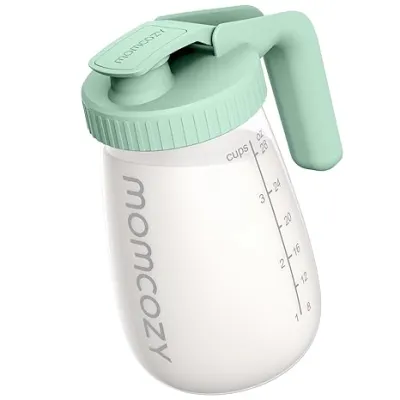
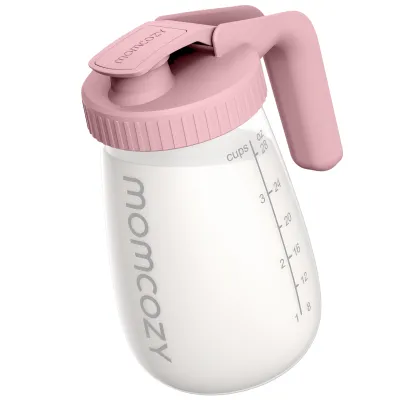
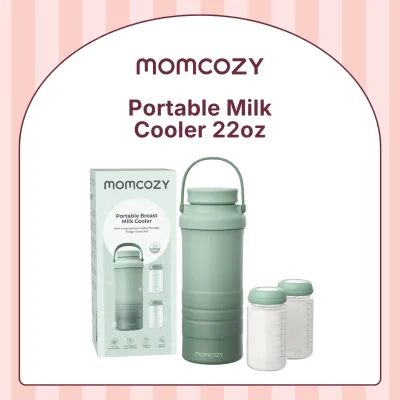
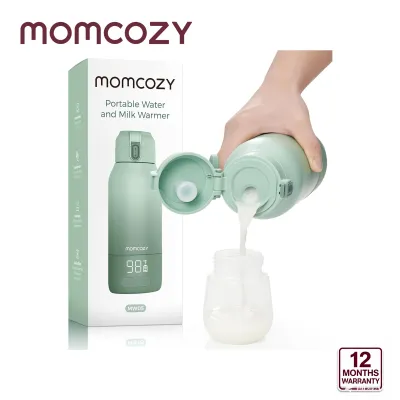
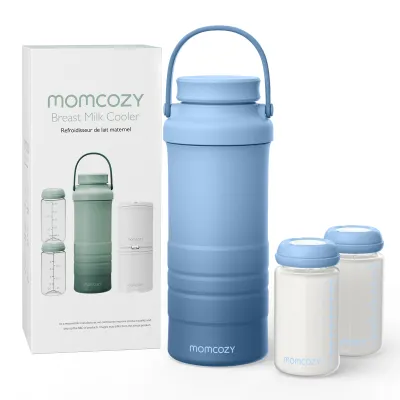
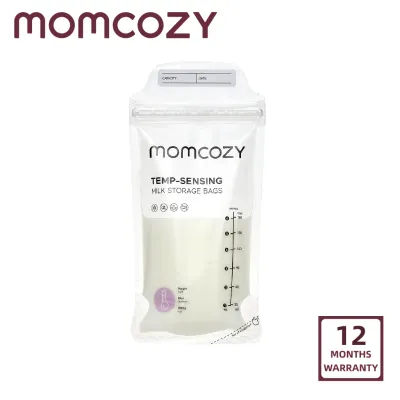
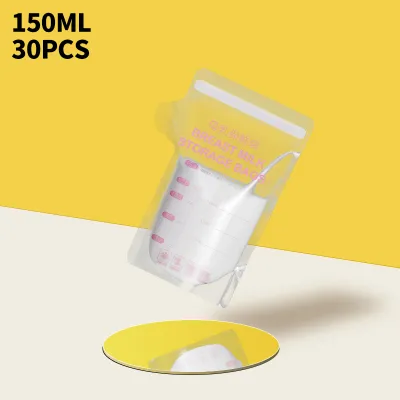
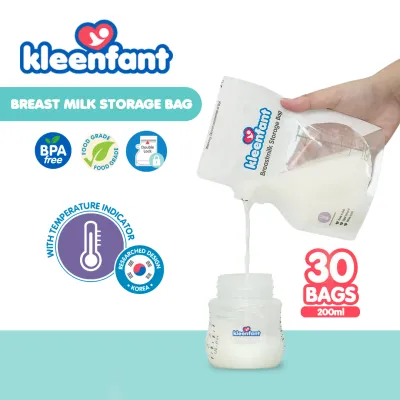
Prices are valid at publication and may change. Please refer to the product page for the latest price.
Your daily pumping frequency and average milk volume also dictate the physical footprint of your gear. If you pump three to four times during a long shift, carrying multiple rigid plastic or glass bottles can quickly make your commuter bag heavy and bulky. Conversely, if you only pump once or twice, a couple of lightweight bottles might easily fit into your bag without adding noticeable weight.
Office storage conditions are another critical factor to analyze before making a decision. Some workplaces provide spacious, dedicated refrigerators with reliable freezer compartments, while others offer only small, crowded communal fridges or no refrigeration at all. If space is highly limited, compact and stackable storage options will help you avoid friction with coworkers while keeping your milk secure.
Mapping out your daily timeline from the moment you express milk at your desk to when you arrive home is the best way to identify potential failure points. Consider how long the milk will remain at room temperature, whether your transport bag will be subjected to crowding or impact, and how easily you can clean your equipment on-site. Anticipating these scenarios ensures you select a storage format that minimizes risks.
Comparing Momcozy Storage Formats for Daily Commutes
Momcozy offers a variety of milk storage formats designed to accommodate different maternal routines. Selecting the right format requires balancing convenience, space efficiency, and physical durability during transit.

Milk Storage Bags for Space-Saving and Freezing
Single-use breast milk storage bags are highly favored by working mothers who need to maximize space. Once filled, these bags can be laid completely flat to freeze, creating thin, uniform blocks of milk. This flat-freezing method allows you to stack dozens of bags efficiently, which is incredibly useful for small home freezers or shared office freezer compartments.
Despite their convenience, flexible plastic bags are inherently vulnerable to physical damage during a bumpy commute. When packed loosely inside a soft backpack or shoulder bag, they can easily be punctured by sharp items like keys, pens, or the corners of a laptop. To prevent devastating leaks, always transport filled storage bags inside a dedicated, rigid-sided cooler bag or a protective hard plastic case.
When selecting storage bags, look for high-quality design features that enhance security. Opt for bags that feature reinforced side seams and a reliable dual-zipper seal that clicks shut to confirm a tight closure. A separate write-on tab located away from the milk chamber is also essential, as it allows you to label the bag without risk of puncturing the plastic with a pen.
Reusable Storage Bottles for Direct Pumping and Short Trips
Reusable storage bottles offer an excellent, closed-loop alternative for mothers who want to minimize waste. Many of these bottles screw directly onto compatible breast pumps, allowing you to express, store, and feed from the same container. This eliminates transferring milk between bags and bottles, reducing clean-up time and spill risks.
However, reusable bottles require significant physical space. Unlike disposable bags, they do not compress when empty, meaning you must carry the same bulky containers to and from work. For mothers with long commutes, carrying multiple rigid bottles can become a logistical challenge.
If you opt for bottles, regular physical inspection is key to preventing leaks. Before each use, inspect the silicone sealing rings inside the caps to ensure they are clean and properly seated. Check the threading for wear, and ensure the cap is screwed on completely straight before packing.
Silicone or Hard Containers for Small Volumes
Silicone storage cups and small, rigid containers excel in specific, low-volume scenarios. They are useful for collecting early colostrum, catching let-down, or holding small feeding portions. These containers are durable, easy to clean, and provide a stable base that resists tipping over on a busy office desk.
Because these containers are rigid, they protect milk from being squeezed inside a crowded bag. However, many silicone cups rely on press-fit or friction lids rather than deep screw threads, making them more susceptible to leaks if tipped over.
To use these safely on the go, store them completely upright within your insulated cooler bag. Avoid placing them where they might shift. For a bumpy commute, it is generally safer to transfer the milk into a secure, screw-top bottle or a double-zipper bag.
Key Specifications to Verify for Travel and Office Use
To ensure your momcozy milk storage products perform reliably, verify specific physical features and label specifications before purchasing.
- Pump Compatibility: Check the neck width and thread design of any storage bottle. Verify whether they are directly compatible with your specific breast pump model or if you need adapters. Direct-connect compatibility minimizes transfer steps, maintaining hygiene and reducing spill risks.
- Leak Prevention Mechanisms: Inspect the physical sealing mechanisms. For bags, look for a thick, double-track zipper seal. For bottles, look for high-quality silicone O-rings integrated into the caps, which create an airtight barrier and prevent milk from escaping when tipped.
- Labeling and Tracking: Proper organization is critical in a shared workplace fridge or at daycare. Choose storage products with a dedicated, smudge-resistant writing area so you can easily write down the pumping date, time, and volume using a standard pen without the ink smearing from condensation.
- Material Safety: Verify the physical product label or official manufacturer documentation for safety certifications. Ensure all storage bags, bottles, and containers are certified BPA-free, BPS-free, and made from food-grade materials like polypropylene (PP) or high-grade silicone. Avoid relying solely on vague marketing claims.
Safe Transport and Workplace Fridge Management
Maintaining a strict cold chain and practicing proper hygiene are essential steps to keep your expressed breast milk safe, especially in warm, humid climates.
- Cold Chain Maintenance: To transport your milk safely, use a high-quality insulated cooler bag paired with contoured gel ice packs that fit snugly around your bottles or bags. Always consult official health guidelines and manufacturer instructions for maximum safe storage times at room temperature, and transfer your milk to a refrigerator or freezer immediately upon arrival.
- Office Fridge Etiquette and Safety: Store your milk at the very back of the middle or bottom shelves, where the temperature is coldest and most stable. Avoid storing milk in the refrigerator door, as frequent opening causes temperature fluctuations. To maintain privacy and prevent cross-contamination, place your storage containers inside a secondary, sealed, opaque wet bag or a labeled plastic container.
- Cleaning Reusables: Rinse reusable bottles or pump parts with cold water immediately after use to prevent milk fat from drying. If your workplace lacks a sanitary washing station, store the rinsed parts in a clean, sealed bag and perform a thorough wash with warm, soapy water and sterilization once home. Always follow the manufacturer's care instructions regarding heat limits to prevent warping.
Frequently Asked Questions (FAQ)
Can I fly with pre-filled milk storage bags or bottles?
Yes, most aviation authorities, including the Civil Aviation Authority of the Philippines (CAAP), permit passengers to carry breast milk in carry-on baggage, often exempting it from standard liquid limits. However, security personnel may require additional screening, which can add time. To minimize delays and prevent contamination risks during inspections, consider traveling with empty storage containers and pumping after security, or keep pre-filled containers clearly labeled and packed in an easily accessible, insulated cooler bag.
How do I prevent milk storage bags from bursting in my work bag?
Always leave approximately one inch of empty space at the top of the bag to allow for liquid expansion during freezing. Before sealing the dual-zipper track, gently press the air out of the bag from the bottom upward to reduce internal pressure. Finally, never pack filled milk bags loosely inside a soft backpack; always store them flat inside a rigid, protective cooler box or a hard-sided container to shield them from being crushed during your commute.
Community discussion
Share your experience or ask a question. Comments are reviewed before publication.