
Weaning is a major milestone that marks a shift in how your baby consumes nutrition, transitioning from exclusive milk feeding to a diverse diet of solid foods. During this phase, choosing the right milk container storage setup is essential for preserving the nutritional value of expressed breast milk or formula while supporting your baby’s developing motor skills. The ideal container depends entirely on whether you are freezing milk for long-term storage, portioning small amounts to mix with purees, or helping your baby transition to independent drinking.
By aligning your storage tools with your baby’s physical development, you can simplify meal preparation and ensure a hygienic feeding environment. In tropical climates like the Philippines, where high ambient heat and humidity can accelerate bacterial growth, selecting the right materials and keeping them properly sanitized is even more critical. Making informed choices about these containers helps protect your baby’s health while fostering their independence at the dining table.
Assess Your Baby's Weaning Stage to Identify Container Needs
Your baby’s physical maturity dictates the type of container that will be most functional and safe. Weaning is not an overnight event but a gradual progression spanning several months, during which your baby’s nutritional and developmental needs shift significantly. Understanding these distinct phases allows you to select the right tools at the right time.
Products mentioned in this guide
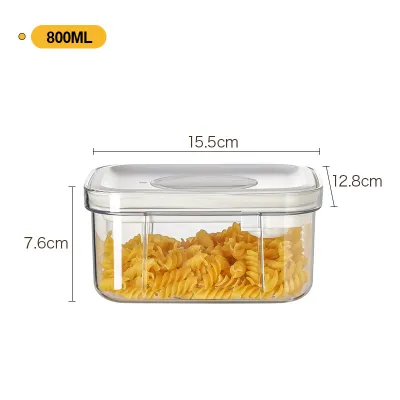
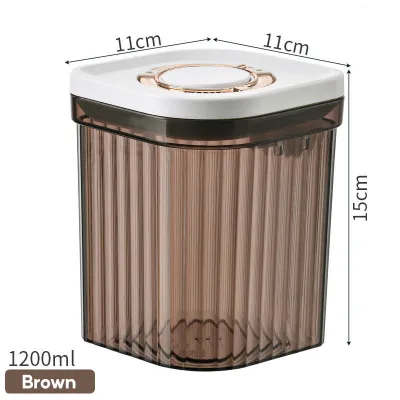
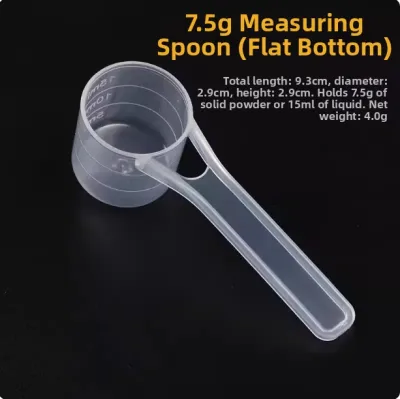
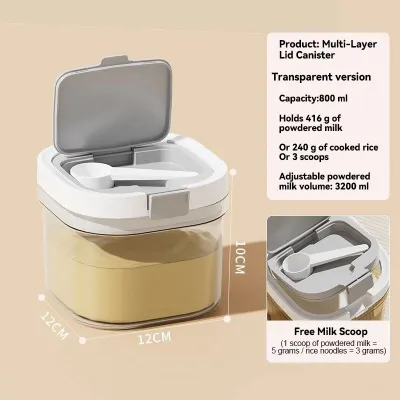
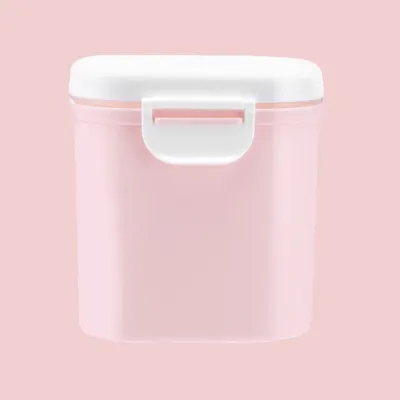
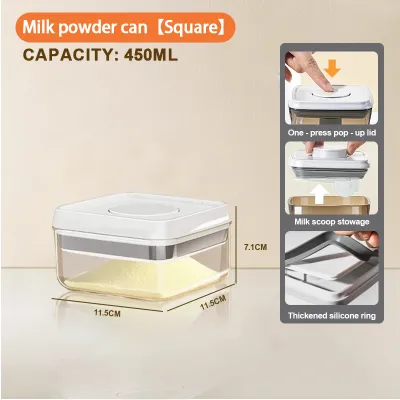
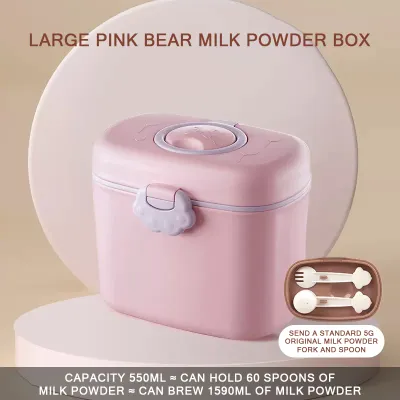
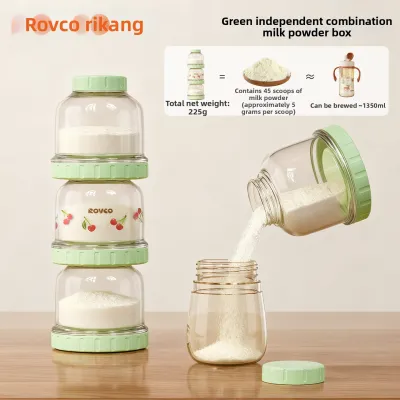
Prices are valid at publication and may change. Please refer to the product page for the latest price.
Early weaning (around 6 to 8 months): At this initial stage, solid foods are primarily for exploration, and milk remains your baby’s primary source of nutrition. You will need a reliable system for milk container storage to keep expressed breast milk or formula fresh. At the same time, this is the perfect window to introduce tiny sips of water or milk during solid meals. Small open cups or weighted straw cups, managed with heavy caregiver assistance, help your baby learn that liquids can come from sources other than a nipple.
Active weaning (around 8 to 12 months): As your baby approaches their first birthday, their solid food intake increases, and they begin to master self-feeding. This stage requires a transition away from traditional baby bottles. You will need durable, easy-to-grip drinking containers that your baby can hold independently. Storage needs also shift; you may find yourself storing smaller portions of milk to mix into oatmeal, mashed vegetables, or homemade purees.
Toddler stage (12 months and beyond): By this point, pediatric guidelines generally recommend phasing out traditional baby bottles entirely. Your toddler should rely on open cups or straw cups for daily hydration, including fresh milk or dairy alternatives. Storage containers during this phase are typically used for keeping leftover milk fresh in the refrigerator or freezing small batches of milk-based smoothies and weaning snacks.
Observable signals to check: Before purchasing new cups or storage sets, observe your baby’s physical milestones. Look at their grip strength and check if they can sit upright unassisted in a high chair, which is crucial for safe swallowing. Notice their hand-eye coordination when they reach for toys, and watch for mimicking behaviors, such as trying to grab your own drinking glass. These developmental cues are far more accurate indicators of readiness than age alone.
Compare Milk Storage Options: Bags, Pods, or Bottles for Your Milk Container Storage Needs
When managing expressed breast milk or prepared formula, your choice of milk container storage impacts both food safety and kitchen organization. In warm climates, maintaining strict temperature control and choosing the right storage medium is paramount to prevent spoilage.

Breast milk storage bags: These single-use, pre-sterilized bags are the most space-efficient option for long-term freezing. When laying them flat to freeze, they stack neatly, allowing you to maximize limited freezer space. When purchasing, always verify that the bags are labeled as BPA-free, BPS-free, and feature secure double-zip seals to prevent leaks. Look for bags with a dedicated write-on area outside the fill pocket so you can clearly label the date and volume without risking ink contamination.
Silicone or plastic storage pods and cups: Reusable silicone pods or small plastic cups with airtight lids are excellent for short-term refrigeration and portioning. They typically hold 2 to 4 ounces of milk, which is the ideal volume for mixing into baby cereals or purees. These containers are highly sustainable and stackable, making them a practical choice for organized refrigerator shelves. Because they are reusable, they require meticulous cleaning and sterilization between uses to ensure no milk residue remains.
Standard baby bottles with storage lids: If you pump directly into baby bottles, sealing them with compatible storage discs or solid lids is highly convenient. This method minimizes transfer waste, as you can pump, store, and feed from the same vessel. However, bottles occupy significant physical space in your freezer or refrigerator. They also require thorough washing and sterilization of multiple parts, including the bottle, collar, and sealing disc, before they can be reused.
Decision framework: To choose the best option, evaluate your daily routine and storage capacity. If you are building a large freezer stash of breast milk, pre-sterilized bags are unmatched in efficiency. If you prefer a low-waste, daily-use system for mixing milk into solid foods, reusable silicone pods are highly practical. For immediate, short-term storage of milk that will be consumed within 24 hours, standard bottles with storage lids offer the most streamlined workflow.
Select the Best Drinking Cups for the Weaning Transition
Introducing a drinking cup is not just about hydration; it is a vital step in oral motor development. The transition from sucking a bottle nipple to sipping from a cup requires different muscle groups, which supports speech development and healthy jaw alignment.
Straw cups: Pediatric speech therapists often recommend straw cups because they promote excellent oral motor skills. Sucking through a straw requires your baby to seal their lips around the straw, retract their tongue, and coordinate their breathing and swallowing. This mechanism strengthens the cheeks and jaw. You can introduce a weighted straw cup once your baby can sit up independently, as the weighted ball allows them to drink from any angle.
Open cups: Drinking from an open cup is the ultimate developmental goal for weaning babies. It teaches them to control the flow of liquid, promotes proper swallowing mechanics, and prevents the prolonged pooling of milk around the teeth. Start with a very small, lightweight cup made of unbreakable, food-grade silicone or plastic, preferably with handles that fit tiny hands. Only offer a tablespoon of milk or water at a time to minimize spills while they practice.
360-degree rim cups: These cups are a highly practical middle ground for busy parents. They allow your baby to drink from any edge of the rim, mimicking the lip action required for an open cup, but they feature a silicone valve that seals automatically when the baby stops drinking. This design virtually eliminates major spills, making them excellent for active babies or for use outside the home.
Sippy cups (spout cups): While traditional hard-spout sippy cups are widely available, many pediatric and dental guidelines suggest limiting their use. The rigid spout forces the tongue into a forward, immature sucking pattern similar to bottle-feeding, which can delay the development of mature swallowing. If you choose to use a sippy cup, treat it as a temporary stepping stone, and prioritize models with soft, flexible spouts that require minimal suction.
Actionable advice: If your baby is already showing good hand-eye coordination and curiosity, you can skip the traditional sippy cup entirely and transition directly from the bottle to a straw or open cup. Keep cup practice relaxed by offering small amounts of milk or water during scheduled meal and snack times, rather than letting your baby carry a cup around to sip constantly throughout the day.
Verify Material Safety and Hygiene for All Milk Containers
Maintaining a hygienic environment for your weaning baby’s milk container storage and drinking cups is critical, especially in warm, humid climates where mold and bacteria thrive quickly. Prioritizing material safety and correct sanitization practices protects your baby’s developing immune system.
Material verification: Always inspect product packaging to verify that all components are certified BPA-free, BPS-free, and phthalate-free. Glass containers are highly durable, completely chemical-free, and do not retain odors or stains, but they are heavy and prone to breaking if dropped. Food-grade silicone is lightweight, virtually unbreakable, and soft on sensitive gums, making it ideal for cups and reusable pods. BPA-free plastics are lightweight and affordable, but they are prone to micro-scratches over time.
Cleaning and sterilization: Before using any new container, carefully read the manufacturer’s care instructions. Verify whether the material is safe for dishwashers, boiling water, or steam sterilizers. Pay close attention to small parts, such as straw valves, cup rims, and bottle collars, where milk residue can easily hide and harbor bacteria. If you notice deep scratches, cloudiness, or persistent odors in plastic containers, replace them immediately, as these imperfections can trap microscopic pathogens.
Temperature limits and handling: Ensure your storage containers are explicitly rated for freezing and thawing temperatures. When preparing to feed your baby, thaw frozen milk in the refrigerator overnight or place the container in a bowl of warm water. Never microwave breast milk or formula directly in any storage container. Microwaving creates dangerous hot spots that can burn your baby’s mouth, and the extreme heat can degrade the vital nutrients and protective antibodies present in breast milk.
Recognize When to Replace Worn Containers and Stop Bottle Use
Knowing when to retire your baby’s feeding gear is just as important as choosing the right items initially. Overused containers can compromise hygiene, while prolonged bottle use can impact your baby’s dental health and nutritional balance.
Container wear and tear: Regularly inspect all your milk container storage units, bottles, and cups. Discard any plastic items that have become cloudy, severely scratched, or stained. Inspect silicone nipples, straws, and valves by pulling on them; if they are sticky, stretched, cracked, or show signs of mold that cannot be cleaned, replace them immediately to prevent choking hazards or bacterial exposure.
Developmental milestones for stopping bottles: Most pediatricians and pediatric dentists recommend completely weaning your baby off traditional bottles between 12 and 18 months. Prolonged bottle-feeding, especially before bedtime, allows milk to pool around the teeth, which significantly increases the risk of early childhood tooth decay. Transitioning to cups by this age also encourages your child to consume more of their daily calories from a balanced variety of solid foods.
Behavioral signals for transition: If your baby insists on carrying a bottle around or demands one primarily for comfort rather than hunger, it is time to initiate a gentle transition. Offer a non-food comfort object, such as a soft security blanket or a favorite stuffed toy, to ease their anxiety. Ensure that milk is only offered in cups during structured, seated meal or snack times, helping your baby associate drinking with nutrition rather than self-soothing.
Frequently Asked Questions (FAQ)
Can I use regular food storage containers for breast milk?
It is highly recommended to avoid using standard household plastic containers for storing breast milk. Regular food storage tubs are often not manufactured to meet the strict chemical-leaching standards required for infant care products, and they may not be certified BPA-free or BPS-free. Furthermore, standard containers often lack airtight seals designed to withstand extreme freezing temperatures, which can lead to freezer burn, leaks, and the contamination of your stored milk. Always choose specialized containers designed specifically for milk storage.
How long can I keep thawed milk in a drinking cup or bottle?
Once breast milk or formula has been thawed, it must be handled with care. Thawed breast milk can be kept in the refrigerator for up to 24 hours, but it should never be refrozen. If you transfer the milk to a drinking cup or bottle and your baby begins to feed, you must discard any remaining milk within one to two hours. This is because bacteria from your baby’s saliva enter the container during drinking and can multiply rapidly in the warm milk, posing a health risk if consumed later.
Community discussion
Share your experience or ask a question. Comments are reviewed before publication.