
Understanding Your Baby's Weaning Stages and Feeding Needs
Weaning is a significant developmental milestone that marks a baby’s transition from an exclusively liquid diet to exploring a world of solid foods. In the Philippines, this journey often begins around the six-month mark, aligning with global pediatric guidelines. Introducing solids is not just about nutrition; it is a critical period for developing oral motor skills, hand-eye coordination, and sensory exploration. As your baby grows, their physical capabilities change rapidly, meaning the tools they use to eat must evolve alongside them.
Understanding the distinct developmental stages of weaning helps parents select the most appropriate feeding gear. The process is generally divided into three phases: First Tastes (around 6 months), Exploring Textures (7 to 9 months), and Independent Eating (10 to 12 months and beyond). During each phase, a baby’s grip, swallowing mechanism, and curiosity levels dictate what kind of plate, bowl, spoon, or cup will support their progress best.
Matching tableware and cups to your baby’s specific grasping ability and feeding behavior is essential for several reasons. First, it significantly reduces mealtime stress for both the caregiver and the baby. When a bowl stays firmly suctioned to the highchair tray, the baby can focus on scooping food rather than chasing a sliding dish. Second, ergonomically designed utensils minimize spills, which keeps the feeding environment more manageable. Most importantly, using the correct tools lowers safety risks, such as choking or oral discomfort. For example, a spoon that is too deep or made of rigid material can injure sensitive gums or trigger a strong gag reflex.
Products mentioned in this guide
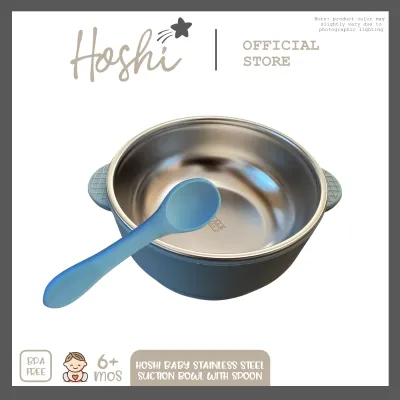
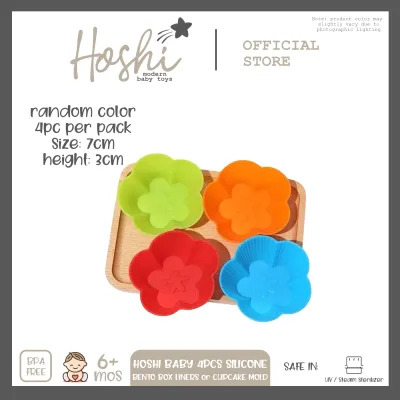
Prices are valid at publication and may change. Please refer to the product page for the latest price.
The core philosophy of choosing Hoshi Baby products in the Philippines centers on developmental readiness rather than rigid age labels. Every baby develops at their own pace. While age guidelines on packaging offer a helpful starting point, parents should observe physical milestones—such as head control, sitting stability, and the ability to bring hands to the mouth—before transitioning to more advanced feeding tools. In a tropical climate like the Philippines, where high humidity can affect how materials wear and how easily mold can develop, selecting high-quality, easy-to-clean silicone gear is particularly practical for maintaining daily hygiene.
Stage 1 (Around 6 Months): First Tastes and Purees
The initial stage of weaning, typically starting around six months, is all about introducing your baby to new flavors and the sensation of swallowing non-liquid food. At this point, the primary feeding method is parent-led, with caregivers offering smooth, single-ingredient purees like mashed sweet potato, avocado, or rice cereal. Because the baby’s oral motor skills are still highly primitive, the tableware used must prioritize safety, comfort, and ease of handling for the parent.

Soft silicone spoons are indispensable during this early phase. A baby’s gums are highly sensitive, especially with primary teeth preparing to emerge. Traditional metal or hard plastic spoons can cause pain or minor injury if the baby bites down suddenly or if the spoon is inserted too quickly. Soft-tipped silicone spoons flex easily, mimicking the soft texture of a bottle nipple or breast, which helps ease the transition. The shallow bowl of an early-stage spoon ensures that the baby can easily clear the food with their upper lip without swallowing too much at once, reducing the risk of gagging.
Small-capacity suction bowls are the ideal companion to these early spoons. During the first few weeks of weaning, portion sizes are incredibly small—often just a few teaspoons per meal. A small-capacity bowl keeps the food concentrated, making it easier for the parent to scoop. More importantly, a reliable suction base prevents the bowl from being easily knocked over if the baby reaches out to explore. Even when parents are in control of the feeding, babies will naturally swat at the bowl or try to grab it as part of their sensory development. A secure suction base keeps the meal stationary, allowing the parent to maintain a calm, controlled feeding pace.
When selecting early-stage feeding gear, parents should follow a practical checklist to ensure suitability and safety:
- Spoon Tip Flexibility: Physically press the tip of the silicone spoon to ensure it bends easily under light pressure and has no sharp or rigid edges.
- Suction Base Compatibility: Verify that the suction base is designed to stick to the specific material of your highchair tray, whether it is textured plastic, polished wood, or glass.
- Age-Appropriate Sizing: Check the manufacturer's packaging to confirm the spoon and bowl are sized for infants starting at six months, avoiding oversized toddler utensils.
- Caregiver Supervision: Always supervise your baby during every meal, and immediately stop using any utensil that shows signs of wear, tearing, or structural weakness.
Stage 2 (7 to 9 Months): Exploring Textures and Self-Feeding
As babies reach seven to nine months, they undergo rapid physical and cognitive changes. They begin to develop the pincer grasp—using the thumb and index finger to pick up small objects—and show a strong desire to feed themselves. This stage is characterized by the introduction of chunkier textures, mashed foods, and soft finger foods. Tableware must now shift from being purely parent-controlled to supporting the baby’s emerging independence.
Suction divided plates are highly effective during this transitional stage. Offering different foods in separate compartments helps babies identify distinct textures, colors, and flavors individually. For instance, placing soft-cooked carrots in one section, mashed banana in another, and a small portion of infant cereal in a third allows the baby to explore each food at their own pace. This separation is also beneficial for sensory development and can help prevent picky eating habits later on. The raised walls of divided plates provide a physical barrier that helps babies push food onto their spoons or grasp it with their fingers, minimizing frustration.
Handled bowls and early training cups are equally important as babies practice coordination. Bowls with wide, easy-grip handles allow the baby to stabilize the dish with one hand while attempting to scoop food with the other. Simultaneously, this is the ideal window to introduce liquids other than breastmilk or formula, such as water, to help with hydration in the warm Philippine climate. Training cups featuring soft silicone spouts or weighted straws are excellent for this stage. Weighted straw cups, in particular, allow the baby to drink from any angle, even when tilted, which supports their natural drinking instincts while preventing major spills.
To choose the best options for this active self-feeding stage, keep these points in mind:
- Handle Ergonomics: Look for bowls and cups with textured, non-slip handles that fit comfortably into a baby's small hands.
- Compartment Depth: Ensure the divided plate has deep enough walls (at least 2 to 3 centimeters) to prevent chunkier foods from spilling over the sides during self-feeding attempts.
- Valve Cleanability: Check that the training cup's spill-proof valves can be completely disassembled for thorough cleaning, as trapped moisture in humid environments can quickly lead to mold growth.
- Developmental Checks: Consult your pediatrician or a pediatric feeding specialist if your baby struggles significantly with swallowing textures or shows persistent aversion to self-feeding tools.
Stage 3 (10 to 12 Months and Beyond): Independent Eating and Drinking
By the time a baby reaches ten to twelve months, they are often well on their way to becoming active participants at the family dinner table. Their fine motor skills are much more refined, allowing them to grasp utensils with greater precision and control. At this stage, the focus shifts toward mastering independent eating and transitioning from specialized baby gear to tableware that closely resembles adult dishes, albeit with child-safe modifications.
Open training cups are highly recommended during this period. While straw and spout cups are convenient for travel, learning to drink from an open cup is crucial for oral motor development. It encourages proper lip sealing, jaw stability, and a mature swallowing pattern. Specialized open training cups often feature a sloped or angled rim. This design allows the baby to see the liquid approaching their lips and drink without needing to tilt their head back excessively, which reduces the risk of choking and spills.
Toddler utensil sets and larger-capacity plates are necessary to accommodate growing appetites and more complex meals. At this stage, babies can transition to short-handled forks and spoons. The fork tines should be blunt and rounded to ensure safety while still being functional enough to pierce soft foods like steamed vegetables or pasta. Spoons should have a slightly deeper bowl than early weaning spoons to hold thicker mixtures and grains. Larger plates, still featuring a reliable suction base, provide ample space for balanced meals containing a variety of food groups.
When preparing for this final stage of weaning, caregivers should verify the following details:
- Cup Base Weightedness: Select open training cups with a wider, weighted base to prevent accidental tipping when placed on the table.
- Utensil Edge Safety: Run your finger along the edges of toddler forks and spoons to ensure there are no sharp plastic or metal seams that could scratch the inside of the baby's mouth.
- Tray Dimension Matching: Measure your highchair tray before purchasing larger plates to ensure the suction base can seal completely without overlapping the edges of the tray.
- Supervised Practice: Continue to supervise meals closely, as toddlers may still occasionally overfill their mouths or attempt to play with utensils unsafely.
Essential Safety, Care, and Purchasing Checks for Hoshi Baby Gear
When investing in feeding gear for your baby, ensuring the safety and integrity of the materials is paramount. Silicone has become the industry standard for baby tableware due to its durability, flexibility, and resistance to breaking. However, not all silicone products on the market are created equal. Parents must take active steps to verify the quality of the items they bring into their homes.
Material verification should always be your first step. Do not rely solely on brand names or attractive designs. Physically inspect the packaging and product labels for explicit designations such as “100% Food-Grade Silicone,” “BPA-Free,” “Phthalate-Free,” and “PVC-Free.” Food-grade silicone is non-toxic, inert, and does not leach chemicals into food, even when exposed to high temperatures. If you perform a pinch test—twisting or pinching a flat section of the silicone—and see white showing through, it may indicate that the product contains cheap plastic fillers, which are not safe for food contact.
Proper cleaning and sterilization are critical to preserving the life of your silicone tableware and ensuring your baby’s health. Always consult the manufacturer’s care instructions before exposing items to extreme heat. While high-quality silicone can generally withstand high temperatures, individual items may have components—such as wooden handles on spoons or plastic valves in cups—that cannot be boiled or microwaved.
- Boiling and Steaming: Verify the maximum temperature limit (usually around 200°C to 220°C for pure silicone) before using steam sterilizers or boiling water.
- Dishwasher Use: Check if the product is top-rack dishwasher safe, as lower racks can sometimes expose items to direct heating elements.
- Preventing Soap Film: In areas with hard water, silicone can sometimes develop a white residue or retain a soapy taste from dishwashing liquid. To prevent this, use mild, fragrance-free baby dish soap and rinse thoroughly with hot water.
To ensure you are purchasing authentic, safe Hoshi Baby products in the Philippines, buy exclusively from verified sources. The local market has seen an influx of counterfeit baby goods made from unverified materials that may contain harmful chemical additives or heavy metals.
- Official Channels: Purchase directly from official brand websites, authorized physical baby specialty stores, or verified flagship stores on major online marketplaces.
- Price Indicators: Be skeptical of prices that seem unusually low. Authentic individual Hoshi Baby items typically range from ₱300 to ₱600, while complete feeding sets generally fall between ₱1,000 and ₱2,500. If a deal seems too good to be true, it is highly likely to be a counterfeit product.
- Label Inspection: Upon receiving any product, check for clear manufacturing details, batch numbers, and safety certifications printed on the packaging.
Frequently Asked Questions (FAQ)
When is the right time to introduce an open cup to my baby?
Most pediatricians and pediatric dentists recommend introducing an open cup around six months of age, coinciding with the start of solid foods. At this stage, the introduction is purely for practice under close parental guidance. Look for key physical milestones, such as your baby being able to sit upright unassisted, grasping objects firmly with both hands, and showing the coordination to bring items directly to their mouth. Early practice with small amounts of water helps build the oral muscle strength and coordination required for mature drinking patterns later in toddlerhood.
How can I restore the suction on a silicone plate?
If your silicone plate or bowl has lost its suction grip, it is usually due to a buildup of invisible grease, soap residue, or dust on either the suction base or the highchair surface. To restore the grip, wash both the suction base and the table surface thoroughly with warm, soapy water to remove all oils. Rinse them completely and let them air dry. When ready to feed, ensure both surfaces are completely dry. Press firmly down on the center of the plate or bowl to push out all trapped air, creating a secure vacuum seal.
Are all silicone plates safe for microwave heating?
While high-quality, 100% food-grade silicone is naturally heat-resistant and generally safe for microwave use, you should never assume this is true for every product. Always check the packaging or the bottom of the plate for the microwave-safe symbol or specific manufacturer guidelines. Some silicone plates feature embedded materials, suction metal rings, or wooden components that are highly unsafe for microwave use. Additionally, always stir microwaved food thoroughly and test the temperature yourself before serving it to your baby to prevent localized hot spots from burning their mouth.
Community discussion
Share your experience or ask a question. Comments are reviewed before publication.