
Selecting the right weaning gear is a major milestone for both parents and babies. In the Philippines, where the tropical climate demands constant hydration and fresh, varied meals, finding durable, safe, and hygienic feeding options is a top priority for families. Brands like Hoshi Baby Philippines offer an array of silicone tableware, training cups, and utensils designed to support a baby’s developmental milestones. To choose the best Hoshi Baby tableware and cups, you must match the product’s design, material flexibility, and safety features directly to your baby’s current weaning stage—starting with soft, parent-led spoons at six months, transitioning to suction plates and weighted straws at seven to nine months, and moving to open cups and self-feeding utensils by their first birthday.
Understanding Weaning Stages and Feeding Needs
Weaning is not a single event but a gradual developmental journey divided into three primary stages, each requiring distinct tools. The first stage, around six months, focuses on early swallowing and introducing single-ingredient purees. During this phase, babies transition from a purely liquid diet to experiencing new textures, requiring tools that prioritize safety and parent control. At this point, the infant’s oral cavity is still highly sensitive, and their reflex is to push solid objects out with their tongue, meaning utensils must be exceptionally gentle.
Physiologically, a baby’s digestive system and oral motor control undergo massive changes during the first year of life. At birth, infants possess an extrusion reflex that causes them to push out any solid object placed on their tongue. Around six months, this reflex naturally diminishes, signaling that the baby is physically capable of swallowing non-liquid foods. Additionally, the development of the jaw, lips, and tongue allows for more complex movements, such as lateralization—the ability to move food from side to side with the tongue—which is essential for safe chewing. Matching your tableware to these physiological milestones ensures that feeding sessions remain safe, productive, and stress-free.
Products mentioned in this guide
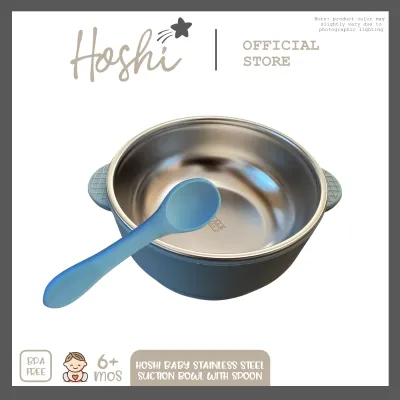
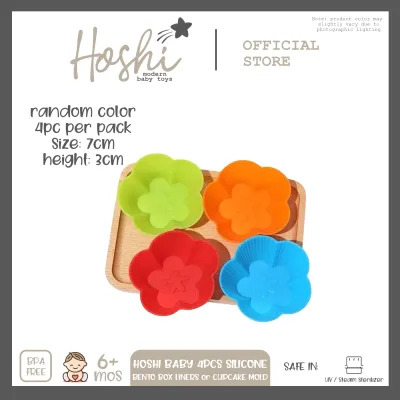
Prices are valid at publication and may change. Please refer to the product page for the latest price.
The second stage occurs between seven and nine months, characterized by chewing and active texture exploration. At this point, babies begin to grasp finger foods, move their jaws in a chewing motion, and attempt to hold utensils. Tableware must adapt to handle increased movement and self-feeding attempts while managing the inevitable messes. This stage is crucial for sensory development, as babies learn to associate different colors, shapes, and textures with different tastes, making the visual presentation of food increasingly important.
The third stage, from ten to twelve months and beyond, focuses on independent eating and drinking. Toddlers refine their pincer grasp, scoop food with more control, and transition toward family-style meals. Feeding gear for this stage must foster autonomy, mimic adult tableware, and withstand the physical demands of active toddlers. It is a period of rapid coordination growth where the child transitions from playing with their food to actively consuming it using tools.
While age ranges provide a helpful framework, they are general guidelines rather than strict rules. Every baby develops at their own pace, and parents should observe individual readiness cues—such as sitting upright with minimal support, showing interest in food, and losing the tongue-thrust reflex—before transitioning to new feeding gear. Always consult your pediatrician or a qualified healthcare professional before beginning solids or upgrading feeding utensils.
Stage 1: First Tastes and Swallowing (Around 6 Months)
Tableware for Early Weaning
At the start of the weaning journey, your baby is learning how to coordinate their tongue to push soft food to the back of their mouth. Tableware designed for this stage should support parent-led feeding while keeping the baby comfortable. Look for small-capacity, shallow bowls that allow you to scoop out small portions of purees, such as mashed squash, sweet potato, or avocado, without the food getting lost in deep corners. Shallow designs also make it easier for you to see exactly how much food is left on the spoon.

When introducing solids, the primary goal is not caloric intake but sensory exploration and motor practice. Since breast milk or formula remains the main source of nutrition, these early meals should be relaxed and pressure-free. Using a spoon that is too hard or deep can startle a baby, leading to a negative association with mealtime. Soft silicone spoons act as a gentle bridge between the familiar softness of a bottle nipple or breast and the firm texture of solid utensils. The pliable material bends easily, allowing you to feed your baby from various angles without causing discomfort if they suddenly move their head.
The choice of spoon is critical during these initial attempts. Hoshi Baby spoons with soft, flexible silicone tips are ideal because they protect your baby’s highly sensitive, teething gums and narrow mouths. A shallow spoon bowl prevents overfilling, ensuring you offer manageable bites that reduce the risk of gagging. The flexibility of the silicone also allows you to scrape off excess food from your baby’s chin gently, which is a common occurrence during early feeding sessions.
Since parents handle the feeding during this stage, lightweight and easy-to-hold bowls are highly practical. A bowl with an ergonomic rim or a small handle allows you to maintain a secure grip with one hand while feeding your baby with the other, minimizing the risk of accidental spills at the dining table. This setup keeps your other hand free to wipe away spills or gently guide your baby’s hands away from the bowl.
Cups for First Sips
Introducing water alongside solid foods helps your baby learn new swallowing patterns and stay hydrated. For these first sips, spout cups or training cups with slow-flow valves are highly recommended. These valves regulate the liquid flow, preventing the baby from choking or swallowing too much water at once as they transition from bottle or breast. The goal at this stage is not high-volume consumption, but rather teaching the baby how to coordinate breathing and swallowing with a cup.
During this initial stage, water should only be offered in very small amounts—usually no more than a few sips per meal—to avoid filling your baby’s small stomach and displacing essential milk feeds. A training cup with a slow-flow mechanism helps babies learn that tilting the cup yields liquid, without overwhelming them. It also allows them to practice the “sip and swallow” coordination. Parents should supervise every sip closely, observing how the baby manages the flow. If the baby coughs or sputters, it may indicate that the flow is too fast or that they are not yet ready for cup drinking, in which case you should pause and try again a few weeks later.
Ergonomic, easy-grip handles are essential for early drinkware. Dual handles designed specifically for small, developing hands allow your baby to practice bringing the cup to their mouth, building essential hand-eye coordination and muscle memory. The handles should be textured or contoured so that even slippery, puree-covered fingers can maintain a firm hold.
Spill prevention is another key factor to consider. Ensure the cup has a secure, leak-proof seal to minimize messes when your baby inevitably drops or shakes it. In the humid climate of the Philippines, keeping dining areas dry is important to prevent mold and maintain a hygienic environment for your little one. A cup that leaks can quickly turn a quick hydration practice session into a major cleanup task.
Stage 2: Chewing and Exploring Textures (7 to 9 Months)
Tableware for Active Feeding
As babies reach seven to nine months, they become highly active participants during meals, often exploring cause and effect by dropping or throwing objects. To manage this developmental phase, strong suction bowls and plates are indispensable. A reliable suction base keeps the dish firmly attached to the highchair tray, preventing your baby from flipping their food onto the floor and allowing them to focus on grabbing food rather than chasing a sliding plate.
Between seven and nine months, many parents choose to combine purees with Baby-Led Weaning (BLW), a method where babies feed themselves soft-cooked finger foods from the start. Suction tableware is particularly beneficial for BLW because it provides a stable platform. When a baby tries to pick up a slippery piece of avocado or a cooked carrot stick, a moving plate can make the task incredibly frustrating. By locking the plate in place, you allow your baby to use both hands to explore, squeeze, and eventually lift the food to their mouth, refining their fine motor skills and spatial awareness.
This stage is also the ideal time to introduce divided plates. Divided sections allow you to serve a variety of food groups—such as iron-rich proteins, grains, and vegetables—separately. This visual separation helps babies identify different foods, textures, and colors, which can encourage a more positive relationship with eating and prevent foods from mixing, which some babies find off-putting.
For self-feeding practice, look for utensils with short, chunky handles. Short-handled spoons are much easier for a baby’s palmar grasp to manage, allowing them to guide food to their mouths independently without the risk of poking themselves too deeply. Utensils with textured collars or shields also prevent the spoon from being pushed too far into the mouth, providing an extra layer of safety.
Transitioning to Straw and Spout Cups
As oral motor skills advance, transitioning to straw cups supports healthy jaw and tongue development. Weighted straw cups are particularly effective because the weighted ball at the end of the straw ensures the tube remains submerged in liquid, allowing your baby to drink from any angle, whether sitting upright or reclining. This design is excellent for babies who are still accustomed to tilting their bottles back to drink.
Speech therapists and pediatric dentists often recommend transitioning directly from a bottle or breast to a straw cup, bypassing spout cups entirely if possible. Drinking from a straw requires a different set of muscle movements than sucking on a bottle or spout. It encourages the tongue to retract and the lips to seal tightly around the straw, which helps strengthen the muscles used for speech and swallowing. Weighted straw cups make this transition seamless because they do not require the baby to tilt their head back, which can be a difficult concept for a seven-month-old to grasp. The bite-valve design also ensures that liquid only flows when the baby actively sucks, preventing accidental spills when the cup is dropped.
Hygiene is paramount when selecting straw cups, especially in warm, tropical climates where bacteria can multiply rapidly in damp spaces. Choose designs with wide-mouth openings and easily disassembled parts, including removable straws and silicone gaskets, to ensure you can thoroughly clean and dry every component. Regular sterilization and thorough air-drying are vital to prevent mold from forming inside the narrow straw channels.
If you are tracking your baby’s daily fluid intake, look for cups with clear, easy-to-read measurement markers on the side. This feature helps you ensure your baby receives adequate hydration throughout the day, especially during warmer afternoons. Knowing exactly how many milliliters your baby has consumed provides peace of mind, particularly when transitioning between milk feeds and solid meals.
Stage 3: Independent Eating and Drinking (10 to 12+ Months)
Tableware for Self-Feeding
By ten to twelve months, toddlers are eager to feed themselves and refine their motor skills. Tableware for this stage should support their growing independence. Standard-sized plates and bowls with high, curved inner edges are highly beneficial, as they give toddlers a surface to scoop food against, making it easier to load their spoons without pushing food off the plate. This simple design feature significantly reduces frustration and builds self-feeding confidence.
As toddlers approach their first birthday, they begin to mimic the eating habits of the adults and older siblings around them. This mimicry is a powerful learning tool, and providing them with utensils that look like “grown-up” cutlery can boost their enthusiasm for meals. Toddler-safe fork and spoon sets should feature handles that are ergonomically shaped for a toddler’s transitional grip—somewhere between a palm grasp and a mature pencil grasp. The fork tines should be sharp enough to spear a piece of banana or steamed broccoli, but rounded enough at the tips to prevent any injury to the gums or cheeks. This balance of functionality and safety is crucial for maintaining momentum in self-feeding.
Durability becomes a primary requirement as toddlers test physical boundaries. Choose tableware made from robust, drop-resistant silicone or high-quality plastic that can withstand repeated impacts on hard tiled floors without cracking, chipping, or breaking. Unlike ceramic or glass, high-grade silicone absorbs the shock of a fall, ensuring that a dropped plate does not result in dangerous shards or a ruined mealtime.
Introduce fork and spoon sets with slightly longer, ergonomic handles that mimic adult utensils. Ensure the fork prongs are rounded and blunt for safety, yet functional enough to pierce soft fruits, cooked vegetables, or small pieces of meat, helping your toddler build confidence during family meals. The transition to metal-pronged forks or firmer plastic utensils should only occur once your toddler has demonstrated consistent control and coordination.
Open Cups and Advanced Drinkware
Transitioning to an open cup is an important milestone that promotes proper lip closure and dental development. Open cups designed for toddlers should feature heavy, non-slip bases or dual handles to provide stability and prevent tipping as your child learns to control their grip and tilt. Using an open cup helps strengthen the muscles in the jaw and mouth, which are critical for speech development.
To introduce an open cup successfully, start with very small amounts of water—just a tablespoon or two at a time—to minimize the impact of inevitable spills. Choose a cup with a weighted base, which helps it snap back upright when set down clumsily, and dual handles that allow for a secure, two-handed grip. As your toddler’s confidence grows, you can gradually increase the volume of liquid and transition to single-handed cups.
For active, on-the-go hydration, straight-straw cups or spoutless 360-degree cups are excellent choices. These innovative designs allow toddlers to drink from any part of the rim without spilling, making them perfect for outdoor play, travel, or car rides. A 360-degree cup automatically seals when the child stops drinking, providing the oral benefits of an open cup with the convenience of a leak-proof bottle.
Always prioritize durable, shatterproof materials for advanced drinkware. Toddlers are constantly on the move, and having cups that can handle the rough-and-tumble nature of daily play ensures long-lasting safety and utility. Look for cups that are easy for toddlers to carry themselves, fostering a sense of responsibility and independence.
What to Check Before Buying Hoshi Baby Products
- Material Verification: Always inspect product labels and official store descriptions to verify that the items are made from food-grade silicone, BPA-free, and PVC-free materials. Do not rely solely on brand reputation; ensure the specific product documentation confirms these safety standards before purchasing. This is especially important for items that will be subjected to high heat or acidic foods.
- Heat and Sterilization Limits: Different materials have varying tolerances for heat. Check the manufacturer's care instructions to confirm whether a product is safe for the microwave, dishwasher, boiling water, or steam sterilizers. Exceeding these temperature limits can cause warping, material degradation, or chemical leaching. Be aware that some UV sterilizers can accelerate the aging of certain plastics and silicone, so check compatibility first.
- Suction Compatibility: Suction plates and bowls require a completely smooth, clean, non-porous surface—such as glass, polished wood, or smooth plastic—to create a secure vacuum seal. They will not stick effectively to textured highchair trays, matte finishes, or uneven surfaces. Verify your highchair tray's texture or check product specifications before buying. A quick test with a damp suction base can sometimes improve adhesion on semi-smooth surfaces.
- Wear and Tear Inspection: Regularly inspect all silicone and plastic feeding items for signs of damage, such as bite marks, tears, cracking, or severe discoloration. Damaged silicone can harbor bacteria or break apart, presenting a serious choking hazard. Replace any compromised items immediately to ensure your baby's safety. It is good practice to perform this check before every meal.
Frequently Asked Questions (FAQ)
How do I remove food stains and odors from silicone tableware?
Silicone can occasionally absorb food odors or develop stains from brightly colored foods like carrots, squash, or tomato sauce. To clean them safely, mix warm water and baking soda to form a thick paste, apply it to the stained areas, and let it sit for 30 minutes before rinsing thoroughly. For persistent odors, soak the tableware in a solution of equal parts warm water and white vinegar. Avoid using harsh abrasive scrubbers, steel wool, or bleach, as these can scratch and degrade the silicone surface, creating microscopic crevices where bacteria can multiply.
When should I switch from a spout cup to a straw or open cup?
The transition depends on your baby’s individual oral motor skills and developmental readiness rather than a strict age limit. Most babies can begin practicing with a straw cup between six and nine months as they develop better lip closure and sucking coordination. Open cups can be introduced with parental assistance around six months, while independent open-cup drinking typically develops around twelve months or older. If your baby consistently coughs, gags, or struggles to swallow liquid smoothly, stop using the cup and consult a pediatric dentist, speech therapist, or pediatrician.
Are suction plates safe to use in the microwave?
You must check the manufacturer’s specific product label and documentation to confirm if a suction plate is microwave-safe. Even if the material is rated for microwave use, heating food directly in silicone can create uneven temperature distribution and hidden hot spots that can burn your baby’s sensitive mouth. To ensure safety, heat the food in a separate microwave-safe glass container, stir it thoroughly to distribute the heat evenly, let it cool slightly, and test the temperature on the inside of your wrist before serving it to your baby.
Community discussion
Share your experience or ask a question. Comments are reviewed before publication.