
Introducing solid foods to your baby is an exciting milestone, but it quickly introduces a new level of daily cleanup. As infants explore different textures, purees, grains, and liquids inevitably find their way into every crevice of the high chair. A high chair cover for baby is a practical accessory designed to shield the original seat padding from stubborn stains, moisture, and deep-seated crumbs. In a warm, humid climate like the Philippines, choosing the right cover is not just about keeping the chair clean; it is also about preventing moisture buildup, mold, and unpleasant odors from taking hold in the fabric layers. Finding the ideal option requires looking closely at material specifications, harness compatibility, and ease of maintenance.
Essential Features for Messy Meal Protection
When evaluating high chair covers, understanding the distinction between waterproof and water-resistant materials is crucial for long-term satisfaction. Waterproof materials, such as polyurethane laminate (PUL) or polyester with a thermoplastic polyurethane (TPU) coating, completely block liquids from passing through to the underlying cushion. Water-resistant fabrics, on the other hand, only delay liquid absorption; while they can handle a quick splash, they will eventually allow liquids to seep through if a spill is left unattended during a long meal. Always check the manufacturer’s product specifications to confirm whether the material provides a complete moisture barrier.
Seam construction plays an equally vital role in preventing liquid seepage. Even if a cover is made from a highly waterproof fabric, liquids can easily penetrate the tiny needle holes created during the stitching process. When browsing options, visually inspect the seams in product photos or descriptions to see if they are heat-sealed, taped, or reinforced with protective piping. High-quality covers often feature minimal stitching in the primary spill zones to ensure that spilled milk, juice, or watery purees cannot find a path to the padding underneath.
Products mentioned in this guide
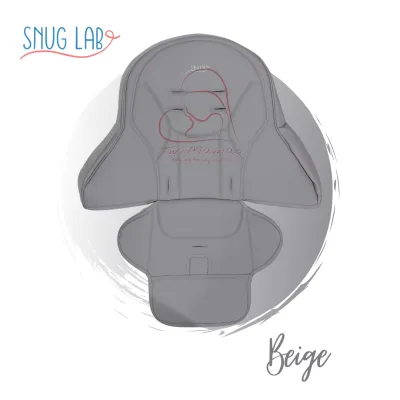
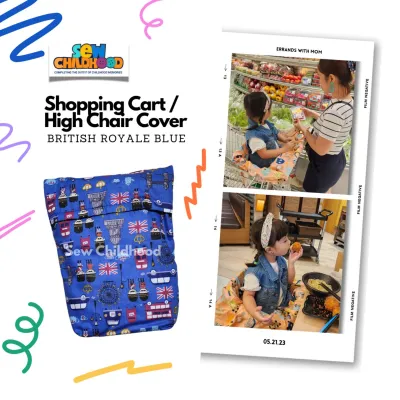
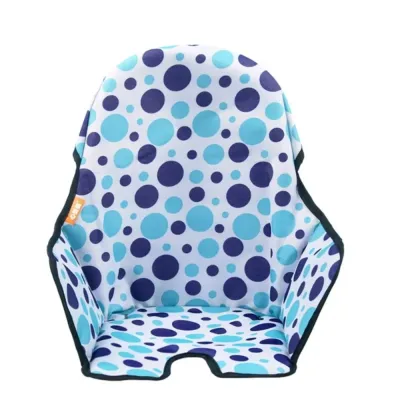
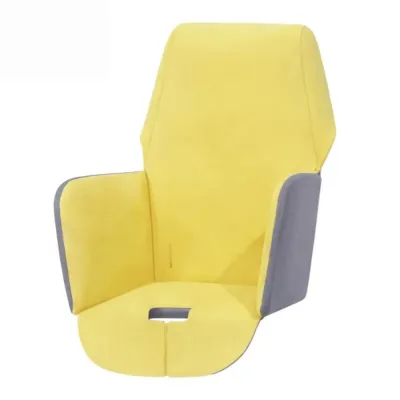
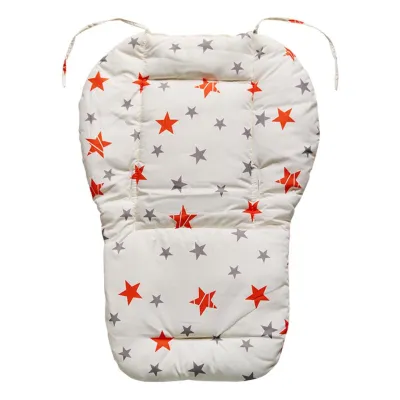
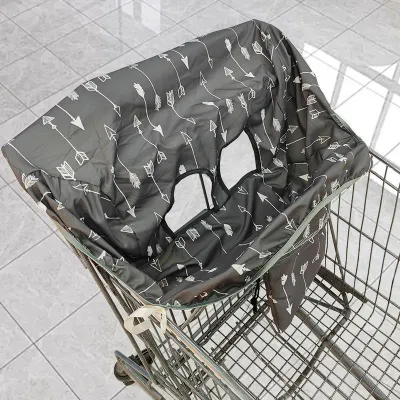
Prices are valid at publication and may change. Please refer to the product page for the latest price.
Choosing between a smooth, wipeable surface and a textured fabric involves balancing cleanup convenience with your baby’s comfort. Smooth, non-porous surfaces like wipeable polyurethane (PU) leather or silicone-coated fabrics allow you to clean up messes with a single swipe of a damp cloth or baby wipe. Textured fabrics or woven polyesters may feel slightly softer to the touch, but their fibers tend to trap fine food particles, requiring more vigorous scrubbing or frequent machine washing to remain hygienic. For heavy daily use, a smooth, wipeable surface generally offers the most efficient cleanup routine.
Integrated design elements like built-in crumb catchers or splash guards can significantly reduce the amount of food that falls into the high chair’s frame. Some covers feature raised edges or front pockets designed to capture falling solid foods before they slide down the sides of the seat. When selecting a cover with these features, verify that the pocket or guard is designed to stay open during use. A pocket that collapses flat against the seat will not catch food effectively and may simply create an extra crevice that is difficult to clean.
Comparing High Chair Cover Styles
Full-coverage slipcovers are designed to drape over the entire high chair seat, protecting both the front cushion and the backrest from stray splatters. These covers are highly effective for active toddlers who tend to smear food on every reachable surface. However, because they cover a large area, you must carefully check the placement of the harness slots. A full-coverage cover must allow the high chair’s safety straps to feed through easily without bunching the fabric, which could make the seat uncomfortable or compromise the security of the harness.

Replacement seat pads are a dedicated option best suited for high chairs with original padding that is already cracked, peeling, or deeply stained. Unlike loose slipcovers, replacement pads are designed to mimic the exact shape and structure of the original seat. Because they must fit snugly over the high chair’s frame, they require precise model matching. Using a generic or poorly fitting replacement pad can cause the seat to slide around during meals, which poses a safety risk for a self-feeding baby who needs a stable base.
For parents who prefer targeted protection rather than covering the entire seat, catch-all splash mats and tray liners serve as excellent supplementary options. A silicone tray liner fits directly onto the high chair tray, allowing you to remove the entire liner and wash it in the kitchen sink after a messy meal. Meanwhile, a large splash mat placed on the floor directly beneath the high chair protects wooden floors, tiles, or carpets from dropped food and spilled cups, making post-meal sweeping and mopping much faster.
Checking Fit and Harness Compatibility
Before purchasing any high chair cover, taking accurate measurements of your existing high chair is an essential step. Measure the height of the backrest, the width of the seat cushion, and the depth of the seat from front to back. While many online retailers label their products as “universal,” high chair designs vary widely between brands. Comparing your chair’s physical dimensions with the product’s size chart helps prevent purchasing a cover that is too tight to install or so loose that it bunches up under your baby.
Aligning the cover’s harness slots with your high chair’s restraint system is critical for maintaining safety. Whether your high chair utilizes a 3-point or a 5-point harness, the straps must pass through the cover smoothly without being pinched, twisted, or redirected. If the slots on the cover do not align perfectly with the anchor points on your chair, the straps may become too short to buckle securely, or the cover may slide forward when the baby moves. Never compromise on harness alignment to force a cover to fit.
Always consult your high chair manufacturer’s guidelines regarding the use of third-party accessories. Some brands explicitly state that using unapproved seat covers or pads can void the product’s warranty or interfere with safety certifications. If you choose to use a third-party cover, monitor how it interacts with the high chair’s locking mechanisms, tray attachments, and folding joints. If the cover prevents the tray from locking securely into place or interferes with the harness buckle, stop using it immediately.
Cleaning, Care, and Longevity
To preserve the integrity of a high chair cover’s waterproof layers, you must follow the manufacturer’s care labels strictly. While some covers are labeled as machine washable, frequent machine washing can cause waterproof backings to crack, peel, or delaminate over time. For daily maintenance, hand-wiping the cover with a damp cloth and a mild, baby-safe detergent is usually sufficient. Reserve machine washing for deep cleans, and avoid using harsh bleach or fabric softeners that can degrade synthetic coatings.
In the tropical climate of the Philippines, high humidity levels make thorough drying an absolute necessity to prevent mold and mildew. After washing or wiping down the cover, ensure it dries completely in a well-ventilated area before reattaching it to the high chair frame. Trapping moisture between a damp cover and a plastic high chair seat creates an ideal breeding ground for bacteria and mold, which can pose health risks for your baby. Avoid placing synthetic waterproof covers in direct, intense sunlight for extended periods, as extreme heat can warp or melt the protective coatings.
Regularly inspect the high chair cover for visual signs of wear and tear that indicate it is time for a replacement. Look closely for peeling waterproof linings, frayed harness slots, or loose stitching along the seams. If the waterproof backing begins to flake off, there is a risk that your baby could accidentally ingest the small plastic particles. Additionally, frayed fabric around the harness slots can weaken the cover’s structure, potentially allowing the safety straps to slip out of position during a meal.
Building Your Shortlist: What to Verify Before Buying
When compiling a list of potential high chair covers on online marketplaces, look past generic marketing claims and focus on verifiable product details. Carefully read the product descriptions for material composition, safety compliance, and recommended age ranges. Look for indicators that the materials are food-grade, BPA-free, and phthalate-free, ensuring that any food your baby drops onto the cover and picks back up remains safe to eat.
Compare prices in ₱ across different online retailers, keeping in mind that a higher price does not always guarantee a perfect fit for your specific high chair model. While basic splash mats and simple slipcovers are generally budget-friendly, custom-fit replacement pads may require a larger investment. Prioritize sellers that offer clear return or exchange policies, which protect you in case the cover arrives and does not align properly with your high chair’s harness system or frame dimensions.
Analyzing user reviews provides valuable, real-world insight into how a cover performs over time. Look for feedback from other parents who own the same high chair model as you, paying close attention to comments regarding strap alignment, ease of wiping, and durability after multiple washes. User-uploaded photos can also give you a clearer idea of the fabric’s actual texture, thickness, and color accuracy compared to the manufacturer’s stock images.
Frequently Asked Questions (FAQ)
Can I use a universal high chair cover with a 5-point harness?
Yes, you can use a universal cover with a 5-point harness, but only if the cover’s pre-cut slots align perfectly with your high chair’s strap configuration. The shoulder, waist, and crotch straps must feed through the slots smoothly without twisting, bunching, or restricting the harness’s adjustment range. If the slots do not align correctly, or if they force the straps into an awkward angle that compromises safety, stop using the cover immediately and consult your high chair manufacturer for approved accessories.
Are waterproof high chair covers safe for a baby's skin?
Most high-quality waterproof covers are made from baby-safe, non-toxic materials, but you should always verify the product labels for chemical safety compliance and hypoallergenic claims. In hot and humid weather, non-breathable waterproof materials can cause babies to sweat, which may lead to mild skin irritation or heat rashes during extended meals. If your baby has sensitive skin, consider placing a thin, breathable cotton liner or a large bib over their chest and lap, and limit mealtime sessions to prevent prolonged contact with sweaty surfaces.
How often should I wash a high chair seat cover?
For daily hygiene, wipe down the cover with a damp cloth and mild, baby-safe soap immediately after every meal. Prompt spot cleaning is especially important for highly staining or acidic foods like tomato sauce, carrots, and berries, which can permanently discolor the material if left to sit. For a deep clean, follow the manufacturer’s care label instructions regarding machine washing frequency, detergent restrictions, and drying methods to avoid damaging the waterproof barrier.
Community discussion
Share your experience or ask a question. Comments are reviewed before publication.