
When your little one transitions from crawling to taking those first unsteady steps, your home suddenly transforms into a landscape of potential hazards. Securing your living space requires a reliable barrier, but there is no single gate that fits every corner of a house. Choosing the correct gate fence for baby depends heavily on where you plan to install it, the architectural layout of your home, and your child’s developmental stage.
While baby gates provide essential peace of mind, they are only effective when matched to the specific hazards and traffic flow of each room. From heavy-duty barriers for staircases to flexible options for wide archways, understanding the structural differences between gate types is the foundation of effective baby-proofing. This guide will help you evaluate your options, install them securely, and maintain them over time.
Quick Reference: Matching Gate Types to Home Areas
Selecting the right barrier requires balancing safety requirements with daily convenience. The table below provides a quick reference to help you match the correct gate category to your specific home layout.
Products mentioned in this guide
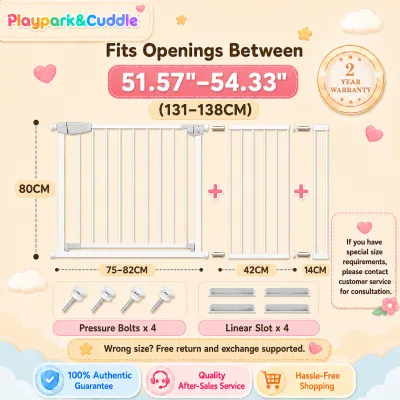
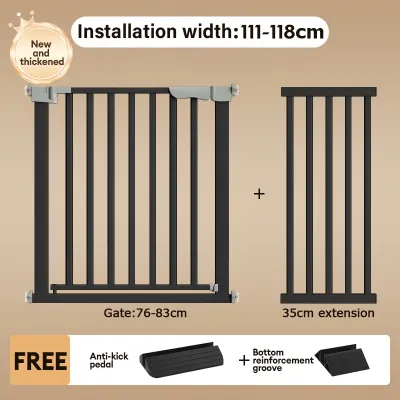
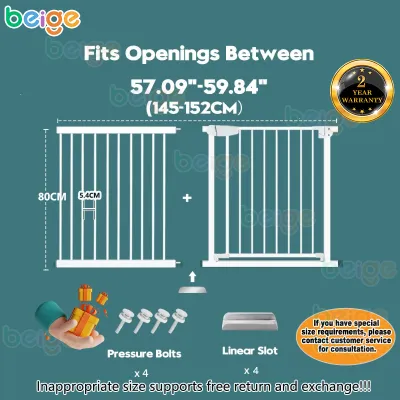
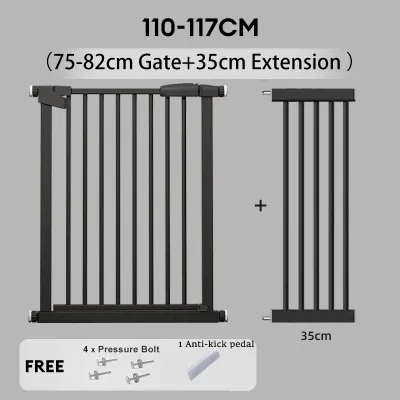
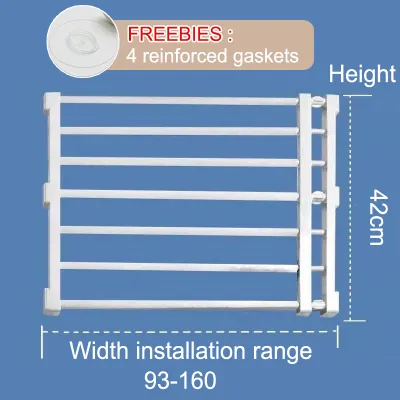
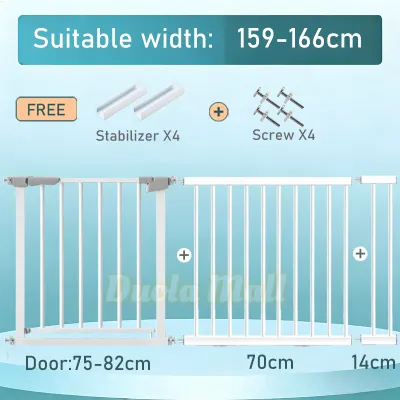
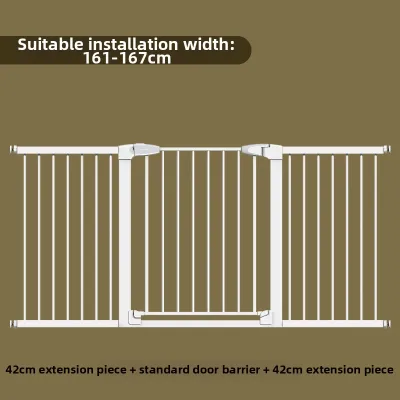
Prices are valid at publication and may change. Please refer to the product page for the latest price.
| Home Area | Recommended Gate Type | Primary Safety or Spatial Reason |
|---|---|---|
| Top of Stairs | Hardware-Mounted | Absolute fall prevention; eliminates the bottom trip hazard. |
| Bottom of Stairs | Hardware-Mounted or Heavy-Duty Pressure-Mounted | Prevents climbing up stairs; must withstand pushing forces. |
| Standard Doorways | Pressure-Mounted (Walk-Through) | Renter-friendly; easy to relocate without drilling into walls. |
| Kitchens & Hazard Zones | Retractable Mesh or Hardware-Mounted | Keeps baby away from heat and knives; rolls away to clear traffic. |
| Wide Archways / Open Plans | Modular Panel / Extra-Wide Gate | Spans large gaps; customizable angles for irregular layouts. |
Key Features to Evaluate Before Buying a Baby Gate
Before purchasing any gate fence for baby, you must evaluate several core features to ensure the product meets your home’s physical demands and safety needs. Do not rely solely on product names or marketing claims; instead, verify the technical specifications and manufacturer warnings for each model.

Mounting Mechanism Baby gates are divided into two main categories: hardware-mounted and pressure-mounted. Hardware-mounted gates are physically screwed into wall studs or door frames, making them the sturdiest and most permanent option. Pressure-mounted gates rely on tension plates pressed against opposing walls. While pressure gates are highly convenient and require no drilling, they can slip if subjected to heavy impacts or persistent shaking.
Material and Build Quality Durability is essential for any safety barrier. Look for high-quality materials such as powder-coated steel, robust aluminum, or solid hardwood. In the Philippines, the tropical climate brings high humidity, which can accelerate rust on low-grade metals or cause cheap wood to warp. Choosing materials with rust-resistant coatings or heavy-duty, UV-stabilized plastics ensures the gate remains structurally sound over years of use.
Dimensions and Spacing To prevent a child from climbing over, safety gates should stand at least 22 inches (56 cm) tall, though many standard models measure 30 inches (76 cm) or more for added security. Additionally, inspect the vertical slat spacing carefully. Standard safety guidelines recommend that gaps between slats be no wider than 2-3/8 inches (6 cm) to prevent a child’s head or limbs from getting trapped.
Latch and Locking Systems A child-proof latch is your primary line of defense. Look for dual-action mechanisms that require two distinct movements to open, such as squeezing a trigger while lifting the gate handle. This level of complexity defeats a toddler’s problem-solving skills but remains simple enough for an adult to operate with one hand while carrying a baby, a diaper bag, or a basket of laundry.
The Only Safe Gate Options for Stairs and Elevated Areas
Staircases represent the highest-risk zone in any multi-story home. A fall from an elevated area can result in severe injuries, making it critical to follow non-negotiable safety rules when securing these spaces.
Top of Stairs There is a strict, absolute safety rule for the top of a staircase: you must only use a hardware-mounted gate. Pressure-mounted gates are completely unsafe in this location. If a child leans, pushes, or shakes a pressure gate, the tension can fail, causing both the gate and the child to tumble down the stairs. Always verify that the gate is screwed securely into solid wood studs or appropriate masonry anchors.
Swing Direction and Bottom Bars When installing a gate at the top of the stairs, configure the hinge stopper so the gate only opens toward the landing or hallway, never outward over the steps. Additionally, select a gate that does not have a bottom threshold bar. Standard pressure gates have a metal bar running along the floor; at the top of a staircase, this bar becomes a severe tripping hazard for adults carrying a child down the stairs.
Bottom of Stairs For the bottom of the staircase, a pressure-mounted gate is acceptable if installed correctly, but a hardware-mounted gate remains the gold standard. If your child is an energetic climber or a heavy pusher, a pressure gate can still slide out of place. Always position the gate on the floor level or the very lowest step to prevent the child from climbing up several steps and falling backward.
Auto-Close Features Stairway gates should ideally feature an automatic closing and locking mechanism. Busy households often suffer from gates left slightly ajar by older siblings or distracted parents. An auto-close feature uses gravity or spring-loaded hinges to pull the gate shut and engage the lock automatically, providing reliable protection even during hectic moments.
Convenient and Secure Gates for Standard Doorways
Standard doorways and interior hallways are high-traffic areas where convenience and temporary blocking are priorities. For these spaces, you can prioritize flexibility and ease of use.
Pressure-Mounted Advantages Standard doorways, typically measuring between 28 and 34 inches wide, are ideal candidates for pressure-mounted gates. These barriers are highly popular in Philippine apartments, condominiums, and rental homes because they require zero drilling, leaving your walls free of permanent damage. They are also highly portable, allowing you to move the barrier from a bedroom doorway to a hallway as your baby’s play space changes throughout the day.
Walk-Through and Auto-Close Avoid buying a pressure gate that requires you to step over it entirely. Stepping over a 30-inch barrier while carrying a baby or household items is a recipe for a dangerous fall. Instead, choose a pressure-mounted gate with a built-in walk-through door. Look for models that feature a wide walk-through opening and an auto-close latch that clicks shut securely behind you.
Limitations and Upgrades While convenient, pressure-mounted gates rely entirely on friction. Over time, constant opening, closing, and child impact can cause the tension pads to shift or loosen. You must regularly inspect the tension indicators on the sides of the gate. If your child grows heavier, begins to shake the gate violently, or attempts to climb it, the pressure mount is no longer sufficient, and you must upgrade to a hardware-mounted option.
Navigating Kitchens, Wide Openings, and Irregular Spaces
Modern home designs often feature architectural elements that do not accommodate standard rigid gates. Securing these areas requires specialized solutions.
Kitchens and Hazard Zones The kitchen is filled with hazards, from hot stoves and ovens to sharp utensils and spilled liquids. To keep your baby safe while maintaining high traffic flow, retractable mesh gates are an exceptional choice. Made from durable, scratch-resistant mesh, these gates roll up completely into a slim vertical housing when opened. This design eliminates any bottom threshold bar, preventing trips while you carry hot food, and keeps the kitchen entry completely clear when baby-proofing is not actively required.
Wide Openings and Archways Modern homes frequently feature open-concept living rooms, wide archways, or extended dining areas that standard gates cannot span. In these scenarios, look for extra-wide hardware-mounted gates or modular panel systems. These systems allow you to connect multiple metal or wooden panels together, creating a custom-length barrier that can safely section off large portions of the house or even form a freestanding play yard.
Irregular Spaces and Angles Not every home has perfectly aligned walls. You may encounter decorative baseboards, angled entryways, or uneven wooden pillars. To secure these tricky spots, select a gate with adjustable angle mounts. These specialized brackets can pivot, allowing you to secure the gate to walls that are not parallel. For baseboards, use wall cup spacers or mounting kits designed to bridge the gap, ensuring the gate remains perfectly flush and vertically aligned.
Installation Essentials and Ongoing Safety Checks
Even the highest-quality baby gate will fail if it is installed incorrectly or poorly maintained. Follow these essential practices to ensure your gate remains a reliable safety barrier.
Installation Best Practices Before purchasing any gate, measure the width of your opening at three distinct points: the floor level, the middle, and the top. Walls are rarely perfectly straight, and even a half-inch difference can affect gate fitment. When installing hardware-mounted gates, always locate wood studs behind the drywall. If you are mounting to concrete or hollow block walls—common in many Philippine structures—do not rely on standard drywall anchors. Instead, purchase high-quality masonry anchors and screws to ensure a rock-solid hold.
Routine Maintenance A baby gate is not a “set-and-forget” safety device. Perform weekly checks on all gates in your home. For pressure-mounted gates, test the tension by shaking the frame; if it moves, tighten the adjusting wheels immediately. For hardware-mounted models, check that the screws remain tight in the wall and that the hinges swing smoothly. Inspect retractable mesh gates for any signs of fraying, sagging, or tearing, and clean the locking mechanism to keep it free of dust and debris.
When to Retire the Gate Every baby gate has a limited operational lifespan dictated by your child’s physical development. As a general rule, you should retire or remove baby gates when your child reaches 36 inches (91 cm) in height, weighs more than the manufacturer’s specified limit, or demonstrates the ability to climb over or open the latch. Continuing to use a gate past these milestones creates a secondary hazard, as a child attempting to climb over a gate can suffer a serious fall from a height.
Frequently Asked Questions (FAQ)
At what age or height should I stop using a baby gate?
Most manufacturers recommend retiring a baby gate when your child reaches approximately 36 inches (91 cm) tall, weighs more than 18 kilograms, or is around two years old. At this stage, children possess the physical strength to climb over the barrier or the cognitive ability to figure out the latch mechanism. Always monitor your child’s individual development, as some active toddlers may outgrow the safety limits of a gate much earlier.
Why are pressure-mounted gates unsafe for the top of stairs?
Pressure-mounted gates rely strictly on friction and tension against the walls to stay in place. If a child pushes, leans, or shakes the gate with enough force, the tension pads can slip, causing the entire gate to collapse and leading to a severe fall down the stairs. Additionally, pressure gates feature a solid metal threshold bar at the bottom of the frame. This bar remains on the floor even when the gate door is open, creating a major tripping hazard at the edge of the staircase.
How do I maintain a retractable mesh gate in a humid climate?
In humid tropical climates, moisture can trap dust and encourage mold or mildew growth on fabric barriers. To maintain your retractable mesh gate, regularly wipe down the mesh with a damp cloth and mild, baby-safe soap. Crucially, allow the mesh to dry completely in the open position before retracting it back into its housing. Periodically inspect the internal roller mechanism and clear out any accumulated dust or pet hair to ensure smooth retraction.
Community discussion
Share your experience or ask a question. Comments are reviewed before publication.