
Choosing the right Ensure variant during the postpartum period requires balancing your body’s recovery needs with the practical realities of returning to work. For busy mothers navigating this transition, the ideal choice depends on whether you prioritize rapid, on-the-go convenience or customizable, cost-effective nutrition. Ready-to-drink liquid formulations offer immediate consumption during a hectic commute or between meetings, while powdered options allow you to adjust serving sizes and mix-ins at home or in the office pantry. By focusing on your specific physical demands—such as protein requirements for tissue repair and micronutrients for energy metabolism—you can select a formulation that seamlessly fits into your daily schedule without compromising your recovery.
Identifying Your Postpartum Nutritional Priorities
Postpartum recovery is a physically demanding phase that requires deliberate nutritional support. After childbirth, your body undergoes significant tissue healing, hormonal shifts, and fluid adjustments. These physiological changes demand a steady supply of energy and macronutrients to prevent exhaustion, especially as you transition back to your professional responsibilities. Sustained calorie intake is essential to keep up with the dual demands of healing and working, making nutrient-dense supplements a practical tool for bridging nutritional gaps when regular meals are delayed or missed.
Micronutrients play an equally critical role in this recovery journey. Calcium and vitamin D are vital for maintaining bone density, particularly if your body’s stores were depleted during pregnancy. Iron is another essential nutrient, especially for mothers recovering from blood loss during delivery, as it supports red blood cell production and helps combat postpartum fatigue. When evaluating nutritional supplements, checking the label for these specific vitamins and minerals ensures you are supporting your body’s cellular recovery and daily energy levels.
Products mentioned in this guide

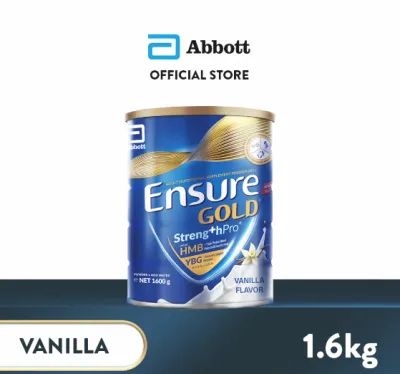
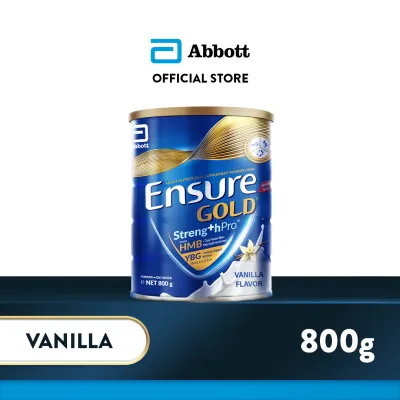
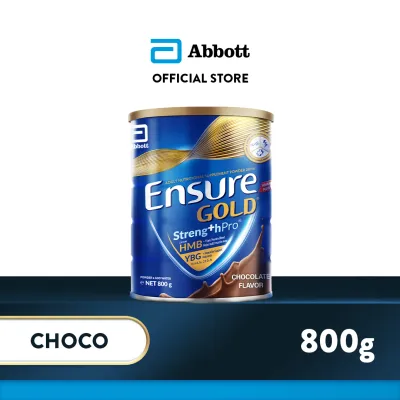
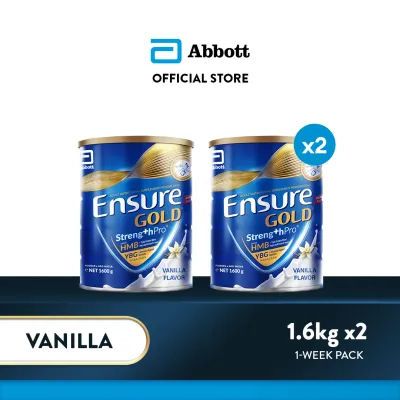


![[EXP:Aug2027] 800G Ensure Gold with Streng+hPro Vanilla With HMB And YBG Vanilla Adult Nutritional Supplement](https://img.lazcdn.com/g/p/fe4dc56c61c375080dbe41f809abb831.jpg_400x400q80.jpg_.webp)
Prices are valid at publication and may change. Please refer to the product page for the latest price.
For mothers who are breastfeeding, the nutritional stakes are even higher. Lactation increases your daily caloric and fluid requirements, demanding a continuous supply of high-quality protein, vitamins, and minerals to support milk production without depleting your own bodily reserves. Even if you are not breastfeeding, returning to a physically active work environment—whether that involves standing for long periods, commuting in warm tropical weather, or managing a busy office—requires robust nutritional support. Assessing these individual physical demands is the first step in determining which supplement formulation will best serve your daily routine.
Comparing Formats: Powdered vs. Ready-to-Drink for Busy Schedules
When balancing a demanding work schedule with postpartum recovery, the format of your nutritional supplement is just as important as its ingredient list. Powdered variants offer a high degree of flexibility and are generally the most cost-effective option per serving. Preparing a powdered shake, however, requires access to clean drinking water, a shaker bottle or blender, and a few minutes of preparation time. For mothers working in offices with fully equipped pantries, keeping a tin of powder at your desk can be a highly practical solution. However, you must also factor in the time required to wash and sanitize your shaker bottle afterward, which can be a minor inconvenience during a busy workday.

In contrast, ready-to-drink liquid bottles provide unmatched convenience and portability. These pre-mixed options require zero preparation, making them ideal for quick consumption during your morning commute, in between back-to-back meetings, or while pumping at work. They can be stored easily in a desk drawer or a compact office refrigerator, allowing you to enjoy a chilled, refreshing drink without any cleanup. For mothers facing unpredictable schedules or limited pantry access, the immediate usability of ready-to-drink bottles often outweighs other considerations.
From a financial perspective, it is helpful to compare the general cost-effectiveness of these formats in ₱. While ready-to-drink bottles carry a premium price per serving due to their convenience and specialized packaging, powdered tubs typically offer a lower cost per serving, making them more sustainable for long-term daily use. If your budget is a primary consideration, a hybrid approach may work best: utilizing the cost-effective powder while at home or during quiet office days, and keeping a few ready-to-drink bottles in your bag for high-stress, on-the-go situations.
Reading the Label: Matching Formulations to Your Specific Needs
Navigating the variety of available Ensure products requires a careful reading of the nutrition facts panel rather than relying solely on front-of-pack marketing. Standard adult nutritional shakes are designed to provide balanced macronutrients and essential vitamins for general wellness. However, postpartum recovery often demands a higher concentration of specific nutrients. For instance, specialized high-protein variants are highly beneficial for tissue repair and muscle preservation, especially if your daily meals lack sufficient protein sources like lean meats, fish, or legumes.
When examining the label, pay close attention to the protein content per serving, as well as the levels of added sugars. While some carbohydrates are necessary to replenish energy stores, excessively high sugar content can lead to rapid blood glucose spikes followed by energy crashes, which can worsen postpartum fatigue during a long workday. Additionally, check the micronutrient profile to ensure the formulation contains adequate levels of iron, calcium, and vitamin D to meet your recovery goals. If you have specific dietary restrictions, such as lactose sensitivity or gluten intolerance, verify that the product is certified suitable for your needs.
It is also important to distinguish between general adult supplements and maternal-targeted formulations. While general adult shakes can support overall nutrition, they may not contain the precise balance of nutrients recommended for lactation or postpartum healing. Always check the ingredient list for potential allergens, such as soy, milk proteins, or artificial sweeteners, to ensure the product aligns with your digestive tolerance and personal dietary preferences. Taking the time to analyze these labels helps you make an informed choice tailored to your body’s unique recovery path.
Integrating Supplements into a Demanding Work Routine
Successfully incorporating a nutritional supplement into your busy workday requires a bit of planning to maximize its benefits. One effective strategy is to identify natural gaps in your daily eating schedule. For many working mothers, mornings are particularly chaotic as they prepare for the day and commute to work. Using a nutritional shake as a quick breakfast accompaniment can provide the initial energy boost needed to start the day. Alternatively, a shake can serve as a convenient mid-afternoon snack, helping you avoid the temptation of low-nutrient office snacks when energy levels naturally dip.
Organizing your workspace is another practical step to ensure consistency. If you choose ready-to-drink bottles, keep a small stock in your office refrigerator or a dedicated desk drawer so they are always within reach. For those who prefer powdered options, keeping a portioned container of powder and a clean shaker bottle at your desk makes preparation quick and seamless. In tropical climates where humidity is high, ensure that powdered tubs are tightly sealed and stored in a cool, dry place to maintain product freshness and prevent clumping.
While supplements are incredibly convenient, they should always be used to complement, rather than replace, a diet based on whole foods. Whole foods provide essential dietary fiber, phytonutrients, and complex matrices that supplements cannot fully replicate. Aim to balance your supplement intake with balanced meals containing fresh vegetables, fruits, whole grains, and lean proteins. By treating the supplement as a supportive tool rather than a primary food source, you can maintain a comprehensive, nutrient-rich diet that sustains your recovery and professional productivity.
Safety Boundaries and Professional Consultation
Although nutritional supplements can be highly beneficial during postpartum recovery, they must be used within safe boundaries. It is crucial to recognize that these products are designed to support your diet, not to substitute for wholesome meals or replace any postpartum medications and prenatal vitamins prescribed by your doctor. Relying too heavily on liquid nutrition can lead to a lack of dietary fiber, which is essential for maintaining healthy digestion and preventing postpartum constipation.
As you introduce a new supplement into your routine, monitor your body closely for any signs of digestive discomfort, such as bloating, gas, or changes in bowel habits. Some individuals may experience sensitivities to specific ingredients, milk proteins, or sweeteners used in adult nutritional shakes. If you notice any adverse reactions or symptoms of an allergic response, stop using the product immediately and seek guidance from a healthcare professional.
Before starting any new dietary regimen, especially during the sensitive postpartum period, consult your obstetrician, primary care physician, or a certified lactation specialist. This is particularly important if you are breastfeeding, as certain ingredients can pass into breast milk or affect your milk supply. A healthcare provider can review your medical history, assess your current nutritional status, and help you verify that your chosen formulation is safe and appropriate for your specific recovery needs.
Frequently Asked Questions (FAQ)
Can I use Ensure as a complete meal replacement while working?
Nutritional supplements like Ensure are generally formulated to supplement your daily diet rather than serve as complete meal replacements. While they provide a convenient source of calories, protein, vitamins, and minerals when you are short on time, they lack the dietary fiber and diverse phytonutrients found in whole foods. Relying solely on shakes for meals can lead to digestive issues such as constipation and may not provide the long-term satiety needed for a busy workday. It is best to use them as a convenient snack or an addition to a light meal rather than a total replacement for breakfast, lunch, or dinner.
Are there specific Ensure variants designed for breastfeeding mothers?
Most standard Ensure variants are formulated for general adult nutrition and are not specifically designed for lactation. To determine if a particular product is suitable for breastfeeding, you should carefully check the official brand packaging or website for maternal-specific formulations. Because nutritional needs during lactation are highly specialized, it is essential to consult your pediatrician or a lactation consultant before introducing any new supplement. They can help you verify that the ingredients and nutrient levels are safe for both you and your baby.

Community discussion
Share your experience or ask a question. Comments are reviewed before publication.