
Selecting the right duckbill feeding bottle is a pivotal step in your baby’s transition from exclusive breastfeeding or bottle-feeding to independent drinking. A duckbill spout serves as an ideal developmental bridge, offering a familiar soft texture while encouraging the oral motor skills required for open cups. However, navigating the wide array of options in the market requires careful consideration of material safety, ease of cleaning, and ergonomic design.
In the tropical climate of the Philippines, where high humidity can accelerate mold growth and bacterial colonization, choosing a bottle that is easy to sanitize is just as important as selecting one that is safe and comfortable for your baby to hold. By focusing on verifiable product features, material specifications, and your baby’s developmental milestones, you can build a reliable shortlist that supports a smooth and hygienic weaning journey.
When to Introduce a Duckbill Spout During Weaning
Introducing a duckbill feeding bottle should align with your baby’s individual developmental milestones rather than a rigid calendar schedule. Most infants show readiness for transitional cups between six and nine months of age. Key indicators of oral motor readiness include the ability to sit upright with minimal support, good head and neck control, and a natural curiosity toward family meals. If your baby attempts to reach for your glass or mimics drinking motions during mealtime, they are likely ready to begin transitioning away from standard bottle nipples.
Products mentioned in this guide


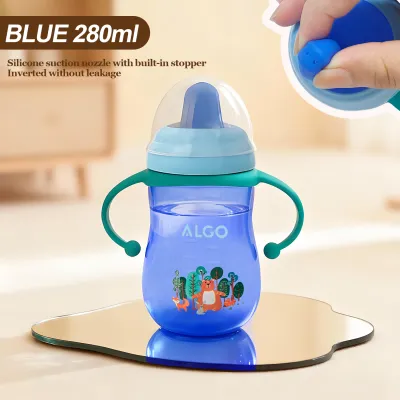

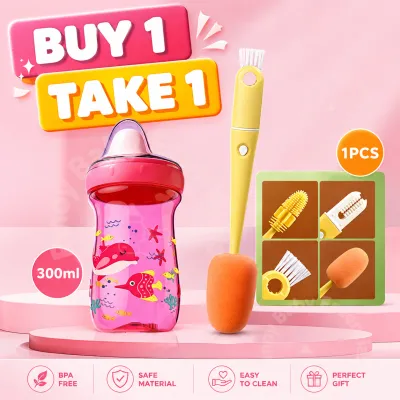
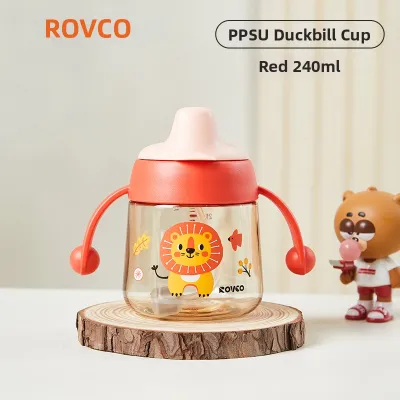
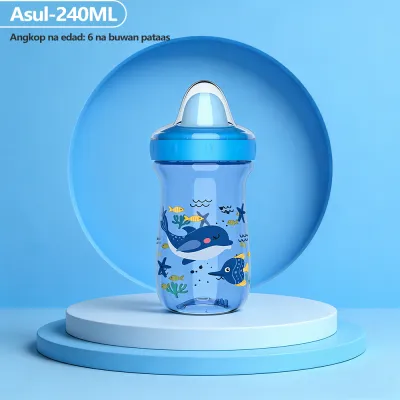
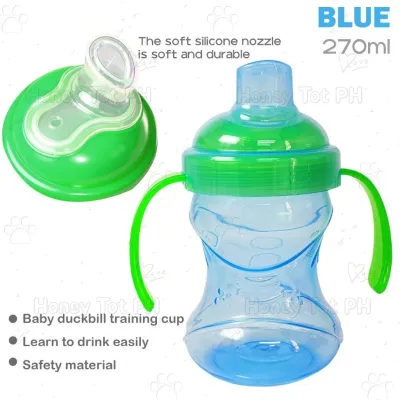
Prices are valid at publication and may change. Please refer to the product page for the latest price.
Oral motor development changes significantly during the weaning phase. Traditional bottle nipples require a sucking reflex where the tongue moves in a forward-and-backward motion. In contrast, a duckbill spout features a flatter, wider shape that encourages a sipping motion, requiring the baby to raise their lower jaw and use their lips to control the liquid. This subtle shift helps strengthen the jaw muscles and prepares the tongue for the lateral movements needed to swallow solid foods and drink from open cups.
While developmental readiness is key, always consult the manufacturer’s age and weight guidelines printed on the product packaging before introducing a new cup. These recommendations are calibrated to the flow rate of the spout and the physical size of the bottle. Introducing a fast-flowing duckbill spout too early can overwhelm a younger infant, leading to coughing or fluid rejection, while introducing it too late might cause an older baby to lose interest in favor of straws or open cups.
How to Verify Material Safety and Durability
When evaluating duckbill feeding bottles, material safety must be your primary filter. The spout itself should be constructed from high-quality, food-grade silicone. This material is naturally soft, flexible, and gentle on tender, teething gums. When inspecting product labels, verify that both the spout and the bottle body are explicitly certified as free from Bisphenol A (BPA), Bisphenol S (BPS), and phthalates. These chemical compounds can leach into warm liquids, posing potential health risks during early development.

The material of the bottle body affects both durability and daily handling. Parents generally choose between three primary materials, each with distinct practical trade-offs:
- Glass: Highly durable, scratch-resistant, and completely free from chemical leaching risks. Glass does not retain odors or stains from milk fats, making it exceptionally hygienic. However, it is heavy, making it difficult for small babies to hold independently, and it poses a breakage risk if dropped on hard tile floors.
- Plastic (PP and PPSU): Polypropylene (PP) is lightweight, highly affordable, and shatterproof, but it tends to scratch easily and may degrade after repeated high-temperature sterilization. Polyphenylsulfone (PPSU) is a medical-grade plastic that offers superior durability, high heat resistance, and a natural honey-colored tint. It withstands frequent sterilization without clouding or degrading, though it carries a higher price point.
- Silicone: Squeezable, lightweight, and highly drop-resistant. Silicone bottles provide a tactile grip that mimics a natural feel, but their soft bodies can sometimes be squeezed too hard by enthusiastic babies, leading to accidental spills.
Upon unboxing any new feeding bottle, conduct a physical inspection before use. Check for smooth, rounded edges on all plastic components and ensure the silicone spout has no uneven seams or structural weaknesses. A high-quality, food-grade baby product should be virtually odorless. If you detect a strong, sweet, or pungent chemical odor upon opening the packaging, wash the product thoroughly according to the manufacturer’s instructions; if the smell persists, avoid using the bottle and contact the distributor.
Choosing a Design That Is Easy to Clean and Maintain
The warm and humid climate of the Philippines makes hygiene a top priority for infant feeding gear. Milk residues left in hard-to-reach crevices can quickly spoil, creating a breeding ground for harmful bacteria and black mold. To minimize this risk, prioritize duckbill bottles with simple, streamlined designs. A bottle with fewer detachable parts is inherently easier to clean thoroughly and reassemble correctly during busy daily routines.
Examine the physical accessibility of the spout’s interior. Narrow, deep spouts with intricate internal chambers are incredibly difficult to clean without specialized tools. Look for wide-neck bottle designs that allow your hand or a standard bottle brush to reach the very bottom of the container. The underside of the silicone duckbill spout should be easily accessible so you can wipe away any accumulated milk fats that standard rinsing might miss.
Before purchasing, check the packaging for clear sterilization symbols and temperature limits. In many households, boiling water or steam sterilizers are the standard methods for sanitizing baby gear. Ensure that all components—including the bottle body, collar, handles, and silicone spout—can withstand temperatures of at least 100°C if you plan to use boiling water. If you prefer using a UV sterilizer, verify that the plastic components (especially PP) are rated for UV exposure, as some plastics can become brittle or discolored under prolonged UV light.
Many modern duckbill bottles feature integrated anti-colic vents or one-way valves designed to equalize air pressure and prevent vacuum buildup. While these features reduce gas and fussiness, they often contain tiny slits or hidden channels. Inspect these areas closely to determine if they require specialized, ultra-fine cleaning brushes. If a valve cannot be thoroughly cleaned and dried, moisture can remain trapped inside, leading to mold growth that is difficult to detect from the outside.
Matching the Bottle to Your Baby's Age and Grip
As your baby transitions to independent drinking, the physical ergonomics of the bottle play a critical role in their success. Look for bottles equipped with removable, easy-to-grip handles. These handles should be ergonomically curved to fit comfortably within a baby’s small palms. A textured or rubberized grip on the handles can prevent the bottle from slipping out of soapy or wet hands during mealtime.
Weight distribution and bottle volume are equally important. For babies just beginning their weaning journey, a smaller bottle capacity of 150ml to 180ml is highly recommended. When filled with water or milk, a smaller bottle remains light enough for a six-month-old to lift and tilt without straining their wrists. Larger bottles, ranging from 240ml to 300ml, are better suited for older infants who have developed stronger grip strength and require larger fluid volumes throughout the day.
Spill-proof features are highly desirable for parents, but they must be balanced against the physical effort required by the baby. Many leak-proof duckbill bottles utilize a silicone valve that only opens when the baby applies active suction. If the valve mechanism is too stiff, a younger baby may struggle to extract any liquid, leading to frustration and bottle rejection. Test the flow rate by gently pressing the spout; it should allow a steady, controlled drip under light pressure rather than requiring excessive force.
As your baby’s coordination, grip strength, and drinking speed improve, plan for transitional upgrades. Many high-quality feeding systems feature interchangeable tops, allowing you to swap the duckbill spout for a straw lid or a free-flowing training lid using the same bottle base. This modular approach not only saves money but also provides a familiar tactile experience for your baby as their drinking skills mature.
Building Your Shortlist: A Practical Comparison Checklist
To make an informed decision, compile a structured comparison checklist of the bottles available in local baby boutiques or online marketplaces. Evaluate each candidate against a consistent set of criteria to determine which model best fits your household’s routine and your baby’s developmental stage. Use the following decision matrix to guide your evaluation:
- Material Safety: Does the packaging explicitly state "BPA-free" and "BPS-free"? Is the spout made of 100% food-grade silicone?
- Cleaning Effort: How many separate parts must be washed? Are there hidden valves that require specialized micro-brushes?
- Sterilization Compatibility: Can all parts withstand boiling, steam, or UV sterilization without degrading?
- Ergonomics: Are the handles removable? Is the bottle volume appropriate for your baby's current physical strength?
- Spout Replacement: Are replacement spouts sold separately, or must you purchase an entirely new bottle if the spout wears out?
When shopping on e-commerce platforms, verifying seller authenticity is crucial to avoid counterfeit products that may not adhere to strict safety standards. Always purchase from official brand stores, authorized distributors, or highly rated local baby specialty shops. Look for verified customer reviews that include photos of the physical packaging, and check for official import clearance seals or safety certification marks relevant to the local market.
Finally, review the retailer’s return policies and warranty terms before completing your purchase. Ensure that you can easily return or exchange the product if it arrives with missing components, damaged silicone valves, or manufacturing defects. A reputable distributor should offer clear channels for customer support, giving you peace of mind as you invest in your baby’s weaning essentials.
Frequently Asked Questions (FAQ)
Can I use a duckbill spout for thick purees or blended baby food?
No, duckbill spouts are designed exclusively for thin liquids such as water, breast milk, or infant formula. Attempting to feed your baby thick purees, blended cereals, or mashed foods through a duckbill spout can easily clog the small flow slit or the anti-colic valve mechanism. This clogging can frustrate your baby, cause them to swallow excess air, or present a choking hazard. For thicker weaning foods, always use a spoon or transition to an open cup under close caregiver supervision, following the specific food consistency guidelines recommended by your pediatrician.
How often should I replace the duckbill spout?
Silicone duckbill spouts should generally be replaced every two to three months, or immediately if you observe any signs of physical wear and tear. Inspect the spout daily during cleaning by gently stretching the silicone. Look for visual and tactile signs of degradation, such as stickiness, discoloration, micro-tears, or bite marks from teething babies. A damaged spout can harbor bacteria in tiny cracks and poses a serious choking hazard if a piece of the silicone tears off while the baby is drinking. Always keep a few spare spouts on hand to ensure uninterrupted, safe feeding.
Are all duckbill bottles completely leak-proof when turned upside down?
While many manufacturers advertise their duckbill bottles as completely leak-proof, real-world performance depends heavily on correct assembly and the physical state of the air valves. Changes in ambient temperature or internal air pressure can cause liquid to expand, occasionally forcing a few drops out of the spout when the bottle is inverted. To minimize leaks, ensure that all silicone components are completely dry and properly aligned during reassembly. It is always best to test the fully assembled bottle with plain water over a sink before filling it with milk or formula and placing it in your diaper bag.
Community discussion
Share your experience or ask a question. Comments are reviewed before publication.