
Choosing a Contec fetal monitor depends on your specific pregnancy stage, your monitoring goals, and whether your doctor has recommended a handheld doppler or a cardiotocography (CTG) monitor. While handheld dopplers are designed for simple, occasional listening to your baby’s heartbeat, CTG monitors track both the fetal heart rate and uterine contractions. Understanding these differences ensures you select a device that supports your pregnancy journey safely and effectively. By focusing on key technical specifications, safety boundaries, and practical maintenance, you can make an informed decision that prioritizes both peace of mind and clinical safety.
Understanding Fetal Monitor Types by Pregnancy Stage
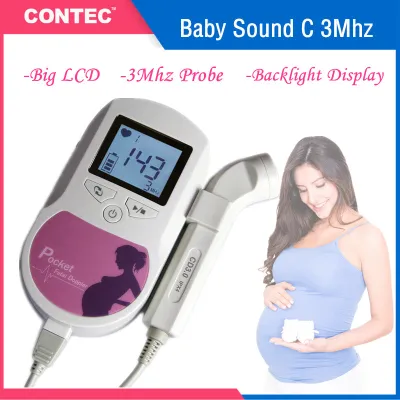
Handheld dopplers are typically introduced in the second trimester, around 12 to 16 weeks, when the fetal heartbeat becomes strong enough to detect through the abdominal wall. These compact, battery-operated devices use ultrasound technology to bounce sound waves off the baby’s heart, translating the movement into an audible heartbeat. They are primarily used for parental reassurance and bonding between clinical visits, allowing family members to share in the experience of hearing the baby’s heartbeat at home.
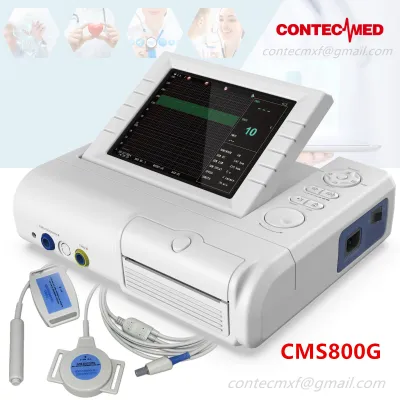
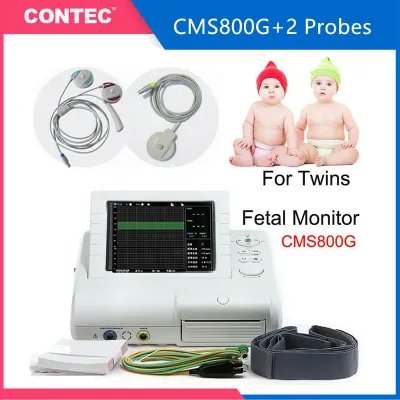
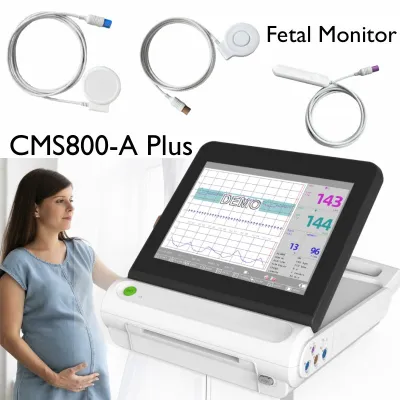
In contrast, CTG monitors are complex medical-grade systems generally reserved for the third trimester, particularly from week 28 onward. These devices utilize two separate transducers: one to monitor the fetal heart rate and another to measure the frequency and duration of uterine contractions. CTG monitoring is standard during labor and delivery but may be recommended for home use under strict medical supervision for specific monitoring protocols.
Products mentioned in this guide

Prices are valid at publication and may change. Please refer to the product page for the latest price.
It is vital to remember that home fetal monitors are not diagnostic tools. They cannot replace scheduled prenatal check-ups with your obstetrician. While hearing a heartbeat provides comfort, it does not guarantee fetal well-being, as other critical health indicators require professional clinical assessment. Relying solely on a home device to assess fetal health can lead to a false sense of security.
In some instances, an obstetrician may recommend home monitoring for high-risk pregnancies, such as those involving gestational hypertension, preeclampsia, or a history of complications. In these scenarios, the doctor will provide specific protocols on when and how to use the monitor, ensuring you know how to interpret the readings and when to seek immediate medical attention. Always follow your doctor’s instructions precisely when using medical-grade equipment at home.
Key Specifications to Compare Across Contec Models
When comparing Contec fetal monitors, the probe frequency is a primary technical specification to check. Most models offer either a 2.0 MHz or a 3.0 MHz probe. A 2.0 MHz probe operates at a lower frequency, which provides deeper tissue penetration. This makes it highly effective in early pregnancy or for mothers with a higher body mass index (BMI), as the waves can travel deeper to locate the heartbeat.

Conversely, a 3.0 MHz probe is designed with a higher frequency, offering a wider beam and shallower penetration. This frequency is highly sensitive and makes it easier to locate and maintain a signal on the fetal heartbeat during the later stages of the second trimester and throughout the third trimester. Checking the probe specification on the packaging or user manual helps you match the device to your current gestational stage and physical needs.
Display and audio features also vary significantly across models. Some entry-level models feature simple LCD screens that display only the numeric fetal heart rate (FHR), while advanced models provide real-time waveform displays (an electrocardiogram-like curve) that help visualize the heart’s rhythm. High-quality built-in speakers or headphone jacks are essential for clear audio output, allowing you to distinguish the rapid, galloping sound of a fetal heartbeat from maternal blood flow or placental noise.
Data recording and connectivity are crucial for parents who wish to share readings with their healthcare team. Certain Contec models include built-in memory to store multiple sessions, while others offer Bluetooth or USB connectivity to sync data with a smartphone application or computer. This feature allows you to save audio recordings or heart rate charts, which can be easily sent to your obstetrician for review during virtual consultations, bridging the gap between home reassurance and professional care.
Safety, Certifications, and Usage Boundaries
Before purchasing any fetal monitoring equipment in the Philippines, it is essential to verify its regulatory status. Look for medical device registration or certificates of product registration issued by the Food and Drug Administration (FDA) of the Philippines. Purchasing from authorized distributors ensures the device meets local safety and quality standards, protecting you from counterfeit or uncalibrated equipment that could provide inaccurate readings.
While ultrasound technology is generally considered safe, manufacturer guidelines regarding acoustic exposure must be strictly followed. Limit your monitoring sessions to the recommended duration—typically no more than 5 to 10 minutes once or twice a week. Avoid prolonged or continuous daily use, as unnecessary acoustic exposure should be minimized during fetal development. Always read the user manual for specific safety warnings and operating instructions.
Establishing clear stop-conditions is critical for maternal and fetal safety. If you experience decreased fetal movement, do not rely on a fetal doppler to confirm your baby’s health. A normal heart rate reading can sometimes be misidentified (such as mistaking the maternal pulse for the baby’s heartbeat), which may delay life-saving medical care. If you notice a drop in fetal movement, experience vaginal bleeding, fluid leakage, or severe abdominal pain, stop using the device immediately and proceed to the nearest hospital or contact your obstetrician.
Evaluating Accessories, Maintenance, and Ongoing Costs
Operating a fetal monitor requires a proper coupling agent to transmit ultrasound waves from the probe through the skin. You must verify the availability and cost of water-soluble ultrasound gel. Using improper household substitutes like baby oil, body lotions, or petroleum jelly can degrade the delicate acoustic membrane of the probe, leading to permanent damage and voiding the manufacturer’s warranty. Ensure you factor in the ongoing cost of purchasing compatible gel throughout your pregnancy.
Consider the power source and maintenance requirements of the device, especially in the tropical climate of the Philippines. High humidity can accelerate the corrosion of battery terminals. If choosing a model with replaceable AA or AAA batteries, ensure you remove them when the device is not in use for extended periods. Alternatively, models with built-in rechargeable lithium batteries offer convenience but require checking the expected battery life and charging cycles to ensure reliability during monitoring sessions.
Assess the overall durability of the probe cables, as frequent bending and pulling can cause internal wiring damage over time. Check if the brand offers replacement probes, local warranties, and access to authorized service centers. Investing in a model with local customer support ensures that any technical issues can be resolved quickly without the need for expensive international shipping or long waiting periods, protecting your investment in Philippine Pesos (₱).
Decision Framework: Matching Your Needs to the Right Device
To finalize your choice, evaluate your pregnancy profile against a clear decision framework. If your pregnancy is low-risk and your primary goal is occasional bonding, hearing the heartbeat, and sharing the experience with family members during the second or third trimester, a basic handheld fetal doppler with a 2.0 MHz or 3.0 MHz probe is typically the most practical and cost-effective option.
If your obstetrician has recommended active monitoring due to specific maternal or fetal health conditions, you should look for an advanced monitor with CTG capabilities. These devices are designed to track heart rate patterns alongside uterine contractions, providing a more comprehensive picture of fetal well-being. However, these should only be used under the direct guidance and prescription of your healthcare provider, as interpreting CTG data requires specialized medical training.
Always consult your obstetrician before purchasing or using any home monitoring device. If you have a history of pregnancy complications, high anxiety levels, or difficulty interpreting technical readings, your doctor can help you decide if home monitoring is appropriate or if it might cause unnecessary stress. Your healthcare provider can also demonstrate the correct technique for locating the heartbeat, ensuring safe and accurate usage throughout your pregnancy.
Frequently Asked Questions (FAQ)
When is the earliest I can use a home fetal doppler?
While some manufacturers state that their devices can detect a heartbeat as early as 9 to 12 weeks, reliably finding the fetal heart rate at home usually requires reaching the second trimester, around 14 to 16 weeks. Factors such as the baby’s position, placental location, and maternal body type can affect detection. Always consult your device manual and your obstetrician for realistic expectations.
Do I need to use a specific type of gel with Contec monitors?
Yes, you must use a dedicated water-soluble ultrasound transmission gel. This gel eliminates air gaps between the skin and the probe, allowing the ultrasound waves to travel effectively. Avoid using household lotions, oils, or gels, as they can cause air pockets that block the signal and contain chemicals that may corrode or damage the probe’s acoustic sensor.
What should I do if I cannot find the heartbeat during a session?
If you cannot locate the heartbeat, remain calm and try repositioning the probe slowly, applying a bit more ultrasound gel, or checking the device’s battery and volume levels. The baby may simply have changed positions. However, if you are concerned or if you notice a decrease in normal fetal movement, do not rely on the monitor; contact your healthcare provider or visit your clinic immediately.
Community discussion
Share your experience or ask a question. Comments are reviewed before publication.