
Selecting the right child safety lock is not about finding a single, universally perfect product. Instead, the most reliable solution depends on the specific design of your furniture, the surface materials, and how frequently adults need to access those spaces. By matching the right locking mechanism to each cabinet, drawer, and appliance, you can create a secure environment that withstands curious toddlers while remaining practical for daily household use.
To build an effective baby-proofing plan, it helps to understand the distinct advantages and limitations of each lock type. From hidden magnetic systems to flexible external straps, each mechanism serves a specific purpose in keeping hazardous items out of reach.
Understanding Common Child Safety Lock Mechanisms
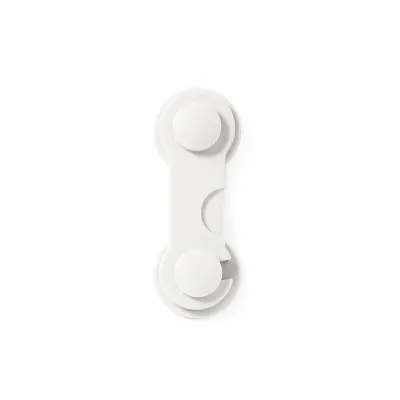
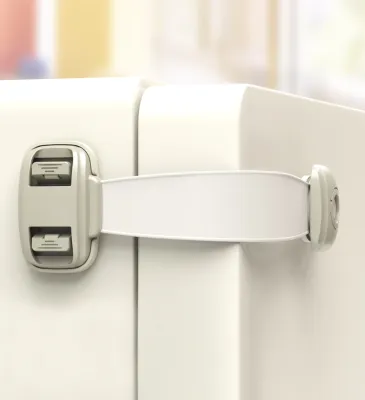
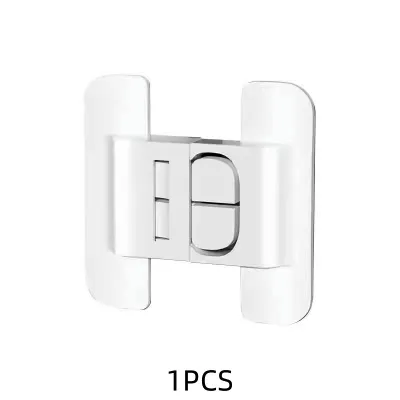
Adhesive strap locks are among the most versatile options available. These devices consist of a flexible plastic or fabric strap anchored by two adhesive pads. Because they can bend around corners and stretch across gaps, they are highly useful for securing non-standard fixtures, curved surfaces, and heavy appliances. They are visible on the exterior of your furniture, which some parents find less aesthetically pleasing, but their external placement makes it easy to verify at a glance if they are locked.
Products mentioned in this guide
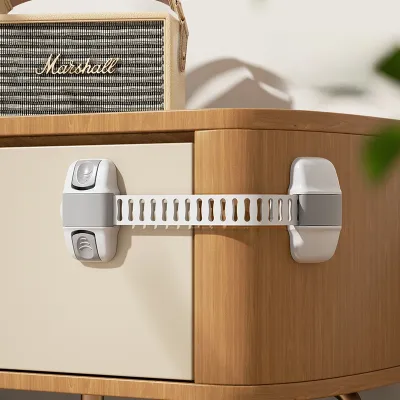
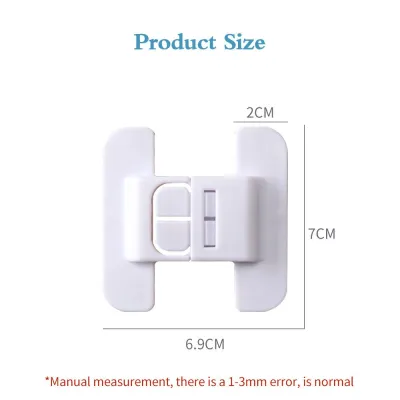
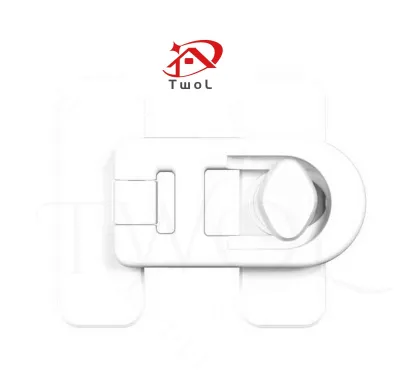
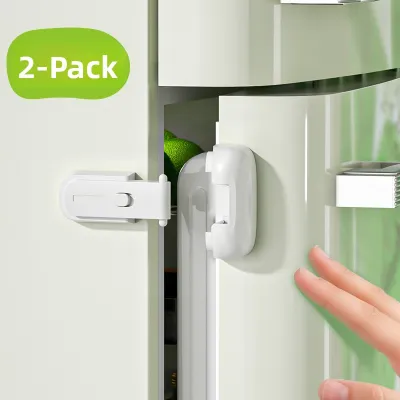
Prices are valid at publication and may change. Please refer to the product page for the latest price.
Magnetic locks offer a completely hidden alternative. The locking mechanism is installed entirely inside the cabinet or drawer, preserving the clean look of your home. To open the door, you must place a specialized magnetic key on the outside of the surface directly opposite the internal latch. While highly secure and invisible to children, they require precise installation and rely on keeping the magnetic key in a designated, accessible spot.
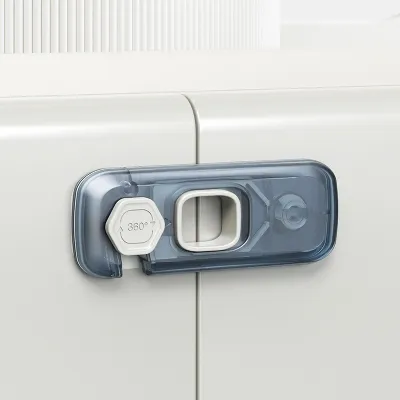
Spring-release or push-button latches are classic internal options. When you open a drawer or cabinet equipped with a spring latch, it opens slightly before the internal hook catches on the frame. To open it fully, an adult must reach through the narrow gap and press down on the flexible latch. These are generally budget-friendly and do not require a key, but older toddlers with nimble fingers may eventually figure out how to press the lever.
Sliding or U-shaped locks are designed specifically for double-door cabinets with protruding knobs or D-shaped handles. These locks slide through the handles and clamp tightly together, preventing the doors from opening. They require no adhesives or screws, making them an excellent temporary solution for rental homes or travel, though they can only be used on specific handle configurations.
Selecting Locks for Cabinets and Drawers
When securing drawers and cabinets, the presence or absence of handles dictates your choices. For handle-less or flat-surface drawers, internal mechanisms like magnetic locks or spring latches are ideal. Because there are no external fixtures to anchor a strap, internal locks keep the drawer completely flush and prevent children from gaining enough leverage to pull the drawer open even a fraction of an inch.

For cabinets with protruding handles, sliding U-shaped locks or heavy-duty strap locks are highly practical. Sliding locks can be quickly removed by adults and require no permanent modification to the furniture. If you have double doors with knobs that are spaced too far apart for a sliding lock, a flexible strap lock can be wrapped tightly around both knobs to keep them secure.
Surface compatibility is a critical factor, especially in tropical climates like the Philippines. High humidity and ambient heat can degrade standard adhesives over time, causing them to peel or slide under pressure. Before applying any adhesive lock, verify that the tape is rated for your specific furniture material, whether it is varnished wood, glass, metal, or laminate. Some delicate wood veneers can peel when adhesives are removed, so internal screw-mounted latches may be a safer choice for heirloom furniture.
Finally, always verify the structural limits of the lock. Review the product packaging for weight limits and pull-force resistance. Heavy drawers containing pots, pans, or ceramic dishes require robust locks that can withstand a child’s full body weight if they attempt to climb or pull on the drawer handle.
Securing Kitchen and Laundry Appliances
Appliances present unique hazards, including heat, heavy doors, and electrical components, requiring specialized locking strategies. Oven and stove doors require locks made from heat-resistant materials. When installing an oven lock, plan the placement carefully to ensure the adhesive or plastic components are positioned away from direct heat vents, preventing the materials from melting or losing their grip.
Refrigerators and freezers require heavy-duty strap locks that can withstand both frequent adult use and the strong suction seal of the appliance doors. The lock must be durable enough to handle the temperature differential between the cool exterior of the appliance and the warm, humid air of the room without losing its adhesive bond.
Washing machines and dishwashers pose risks due to moving parts, standing water, and toxic detergents. Front-loading machines are particularly tempting for young children to open or climb inside. Secure these appliances with robust strap locks placed high out of a child’s reach to prevent accidental opening mid-cycle or access to detergent dispensers.
Before installing any lock on an appliance, consult the manufacturer’s manual. Some high-strength adhesives can permanently stain or strip specialized finishes, such as fingerprint-resistant stainless steel. Additionally, drilling screws into an appliance housing to mount a lock can puncture internal cooling lines or wiring, immediately voiding your warranty and creating a safety hazard.
Installation Best Practices and Ongoing Maintenance
Proper installation is key to ensuring any child safety lock functions as intended. For adhesive locks, surface preparation is the most critical step. Clean the target area thoroughly with rubbing alcohol to remove grease, dust, and oils, and allow it to dry completely. In humid environments, ensure there is no condensation on the surface before applying the adhesive. Once applied, press firmly for at least 30 seconds and allow the adhesive to cure without any weight or tension for the manufacturer-recommended time, which is typically 24 hours.
As children grow stronger and more active, regular testing of your baby-proofing devices is essential. Make it a habit to inspect and firmly tug on each lock weekly. Check that the adhesive backing remains firmly bonded to the surface and that plastic latches have not become brittle or cracked over time.
Be proactive in identifying replacement triggers. If you notice adhesive edges peeling, springs losing their tension, or plastic components showing signs of wear, replace the lock immediately. Furthermore, children are keen observers; if you notice your child watching your hands and attempting to mimic the unlocking motion, it may be time to transition to a different style of lock, such as switching from a visible push-button latch to a hidden magnetic lock.
For homes utilizing magnetic locks, key management is vital. Keep the magnetic keys stored on high metal surfaces, such as the side of the refrigerator or a high magnetic strip, well out of reach of children. It is highly recommended to keep a spare key in a designated drawer in another room to ensure you can still access emergency supplies if a key is misplaced.
Frequently Asked Questions (FAQ)
Can child safety locks damage my furniture or appliances?
Yes, improper installation or removal of adhesive locks can damage paint, varnish, or wood veneer. To minimize this risk, verify that the adhesive is rated for your specific furniture finish before application. When it is time to remove the lock, use a hair dryer on a low heat setting to soften the adhesive backing, then gently slide dental floss or a plastic scraper underneath to peel it away without scratching the surface.
At what age should I start using child safety locks?
It is best to install child safety locks before your baby begins crawling or pulling themselves up to a standing position, which typically occurs around six months of age. Because developmental milestones vary, observing your child’s physical progress and curiosity is the best guide. If they begin reaching for handles or showing interest in low cabinets, secure those areas immediately.
Are magnetic locks better than adhesive strap locks?
Neither lock is universally superior, as they serve different needs. Magnetic locks are excellent for maintaining the aesthetic appeal of your home because they are completely hidden inside the cabinet, but they require precise installation and a key to operate. Adhesive strap locks are highly visible and less sleek, but they offer greater versatility for curved surfaces, corners, and appliances, and they do not require you to carry a key around the kitchen.
Community discussion
Share your experience or ask a question. Comments are reviewed before publication.